What techniques did Pablo Picasso use?
Short answer
Pablo Picasso employed a vast array of techniques, evolving from academic realism to revolutionary styles like Cubism and Surrealism. His primary methods included oil painting, collage, printmaking, and ceramic sculpting. By deconstructing forms into geometric planes and experimenting with unconventional materials, he fundamentally altered the trajectory of 20th-century Western art history.
On this page
How to paint in the style of Cubism
Cubism, developed by Picasso and Georges Braque around 1907, focuses on representing objects from multiple viewpoints simultaneously. To practice this, start by simplifying a subject—such as a guitar or a bowl of fruit—into basic geometric shapes like cubes, spheres, and cones. Instead of using traditional linear perspective, flatten the image and overlap these shapes to create a complex, fragmented composition that challenges the viewer's perception of space.
When executing a Cubist work, prioritize the structure of the object over its realistic color or texture. You can follow these steps to organize your canvas:
- Sketch the subject from several different angles on a single piece of paper.
- Break these sketches down into rigid, angular planes.
- Reassemble the fragments, ensuring that the background and foreground merge into a unified, shallow space.
- Use a monochromatic or muted palette to emphasize form rather than emotional color.
Avoid creating a sense of deep, atmospheric perspective, as this contradicts the core intent of the style.
Best materials for Picasso-inspired collage
Picasso is credited with inventing the technique of papier collé, or pasted paper, in 1912. This method involves incorporating found objects—such as newspaper clippings, wallpaper, or tickets—directly onto the canvas. To begin, select a variety of textures and patterns that contrast with your painted elements. The goal is to blur the line between reality and representation, forcing the audience to acknowledge the physical presence of the materials.
When working with collage, consider these practical tips for a professional finish:
- Prepare your surface with a thin layer of matte medium to ensure strong adhesion.
- Arrange your cutouts before applying glue to test the balance of the composition.
- Integrate paint with the paper elements to unify the disparate textures.
- Experiment with layering to create depth without relying on traditional shading.
A common mistake is using too much adhesive, which can warp thin paper or cause unsightly bubbles. Always apply a thin, even coat of glue to the back of your materials.
Why Picasso used mixed media in sculpture
Picasso’s approach to sculpture was highly experimental, often utilizing "found objects" or objets trouvés to create assemblages. He famously transformed everyday items, such as a bicycle seat and handlebars, into a bull’s head. This technique relies on the artist's ability to see potential in discarded items and recontextualize them as fine art. By welding, casting, or simply binding objects together, he defied the traditional limitations of bronze or marble carving.
If you wish to create an assemblage, start by collecting objects that share a similar formal quality or historical narrative. Focus on the silhouette of the objects rather than their original function. By removing the utility of a tool or utensil, you allow the viewer to focus entirely on its shape, weight, and texture. Avoid over-complicating the sculpture; often, the most powerful pieces rely on the juxtaposition of only two or three distinct elements. Ensure that your connections are structurally sound, using appropriate adhesives or mechanical fasteners that do not distract from the visual harmony of the piece.
Common mistakes when using printmaking techniques
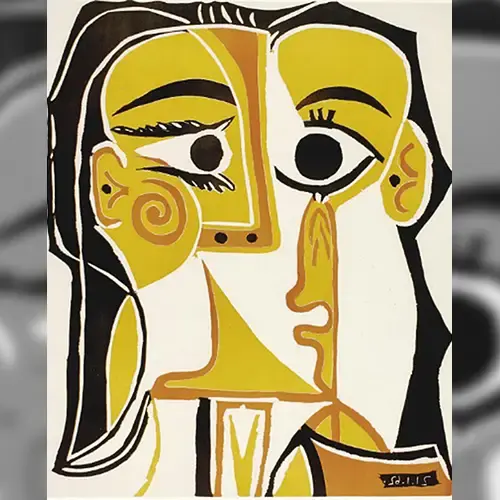
Picasso was a prolific printmaker, producing over 2,000 works using etching, lithography, and linocut. His linocut technique is particularly famous because he often used a single block to create a multi-colored print, cutting away more of the surface between each color application. This "reduction" method requires precise planning, as there is no way to revert to a previous stage once the material is carved away. Beginners often fail to account for the reversal of the image during the printing process.
To avoid errors in printmaking, keep these guidelines in mind:
- Always sketch your design in reverse on the block before you begin carving.
- Use sharp, high-quality gouges to ensure clean lines and avoid jagged edges.
- Test your ink consistency on scrap paper before applying it to your final block.
- Maintain consistent pressure when using a press or a baren to ensure an even transfer of ink.
A frequent mistake is applying too much ink, which causes the details to blur and fill in. Start with a thin layer and build up the coverage gradually.
How to develop a personal artistic style
Picasso’s career was defined by constant reinvention, moving through distinct phases like the Blue Period, the Rose Period, and eventually Surrealism. He did not stick to one technique but rather mastered many, allowing his style to shift based on his emotional state and intellectual interests. To develop your own voice, you must be willing to abandon comfort zones and embrace the discomfort of trying new media. Study the masters, but do not be afraid to distort reality to serve your personal vision.
Consistency is not always the goal; rather, the goal is the honest expression of your ideas through the most appropriate medium. If you find yourself gravitating toward a specific style, challenge yourself to create a series that uses the opposite technique. This process of self-critique and experimentation is what allows an artist to grow. Remember that Picasso’s genius was not just in his technical ability, but in his relentless curiosity and his refusal to be defined by his previous successes. Keep your tools sharp, your mind open, and never stop questioning the boundaries of your chosen medium.
Key facts
- Picasso co-founded Cubism, a technique that breaks objects into geometric shapes to show multiple viewpoints simultaneously.
- He frequently utilized "collage," a method of pasting paper, fabric, or newspaper clippings directly onto the canvas to add texture.
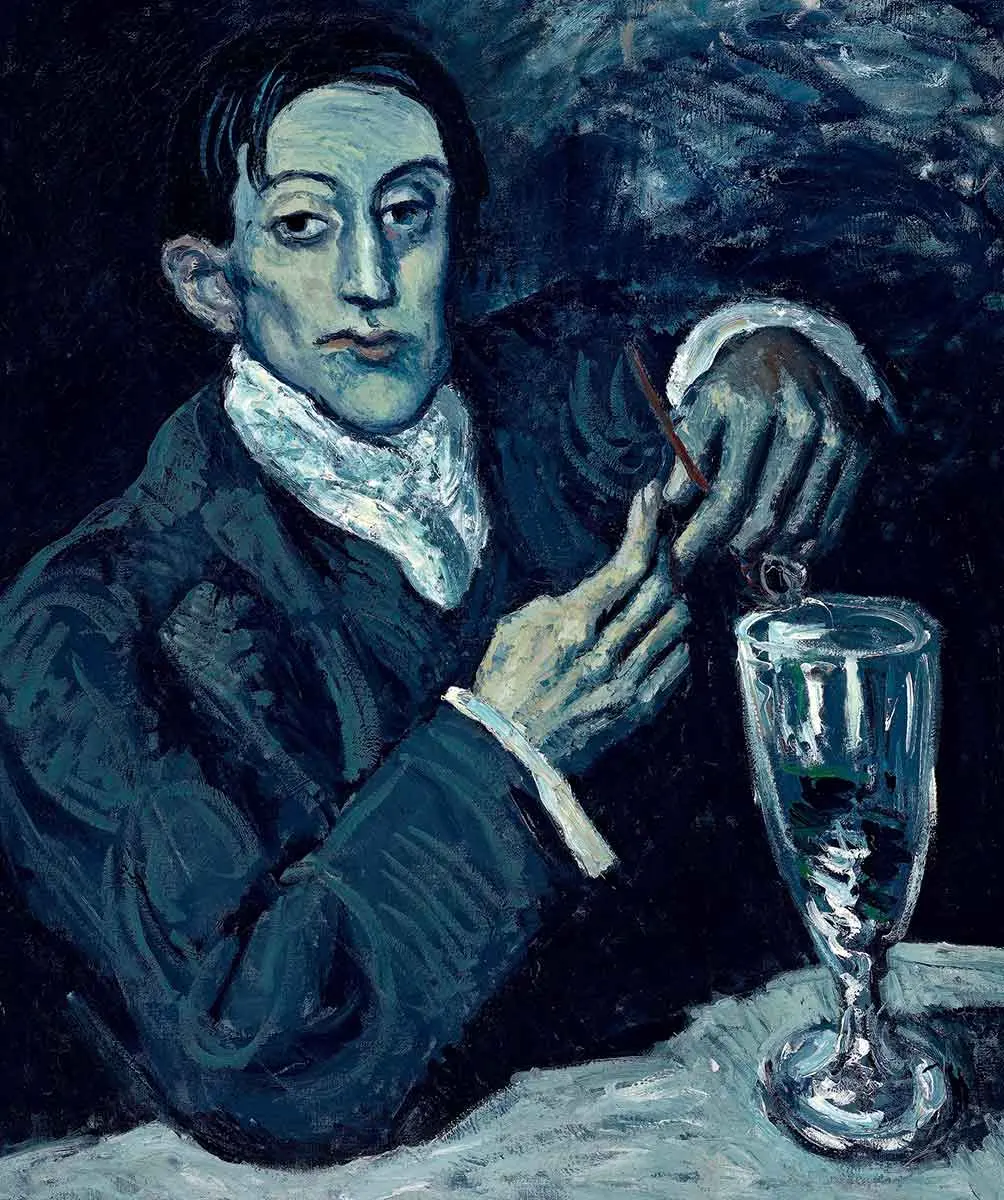
- During his Blue Period (1901–1904), he limited his palette to monochromatic shades of blue and blue-green to convey melancholy.
- He mastered the "impasto" technique, applying thick, heavy layers of oil paint to create a three-dimensional, tactile surface.
- Picasso often used "synthetic cubism," which involved creating complex compositions by assembling disparate, flat shapes rather than deconstructing existing forms.
- When painting, he frequently worked on multiple canvases at once, often keeping works in progress for months or years to refine their emotional impact.
The bottom line
Pablo Picasso’s artistic legacy is defined by his relentless experimentation and refusal to be constrained by a single method. By mastering techniques like Cubism, collage, and assemblage, he fundamentally altered how the world perceives visual reality. Whether through his monochromatic emotional studies or his complex, multi-perspective compositions, Picasso demonstrated that the artist's primary tool is not just a brush, but the courage to reinvent form.
People also ask
Did Picasso use sketches before painting?
Yes, Picasso was a prolific draftsman who produced thousands of preparatory sketches. He often used these drawings to map out the complex spatial relationships of his Cubist compositions before applying paint.
What was Picasso’s most famous sculpture technique?
Picasso pioneered the technique of "assemblage," which involved constructing sculptures from found objects and scrap materials. A famous example is his "Bull's Head" (1942), created by welding a bicycle seat and handlebars together.
How did Picasso change his style over time?
Picasso’s style evolved through distinct phases, including the Rose Period, African-influenced works, and eventually Surrealism. He was known for constantly reinventing his visual language rather than adhering to one specific method.
Can beginners use Picasso’s Cubist techniques?
Beginners can practice Cubism by drawing a simple object from three different angles and overlapping the sketches on one page. The goal is to prioritize the arrangement of shapes over realistic shading or perspective.
What is a common mistake when attempting Picasso-style painting?
A common mistake is focusing too much on literal representation rather than abstracting the subject. Picasso’s work relies on the intellectual deconstruction of form, so artists should prioritize geometric simplification over photographic accuracy.
Did Picasso use traditional oil paints?
He primarily used oil paints, but he frequently experimented with house paints, sand, and sawdust mixed into his pigments. These additives allowed him to achieve unique textures that standard oils could not provide.
This answer was created with the help of AI research tools and reference sources. Spotted an error? Let us know — we correct mistakes quickly. See our editorial policy.