Painting & Color
What techniques did Georgia O'Keeffe use?
Georgia O’Keeffe employed precise brushwork, thin paint application, and a rigorous focus on line and color to create her…
Questions and answers about technique.
Georgia O’Keeffe employed precise brushwork, thin paint application, and a rigorous focus on line and color to create her…
Salvador Dalí utilized a meticulous academic painting technique combined with the "paranoiac-critical method" to visualize…
The Pomodoro technique is a time management method developed by Francesco Cirillo in the late 1980s. It uses a timer to break…
Mark Rothko employed thin, translucent layers of oil paint applied with large brushes to create his signature "color field"…
Edward Hopper utilized dramatic light and shadow, simplified architectural forms, and a deliberate sense of isolation to define…
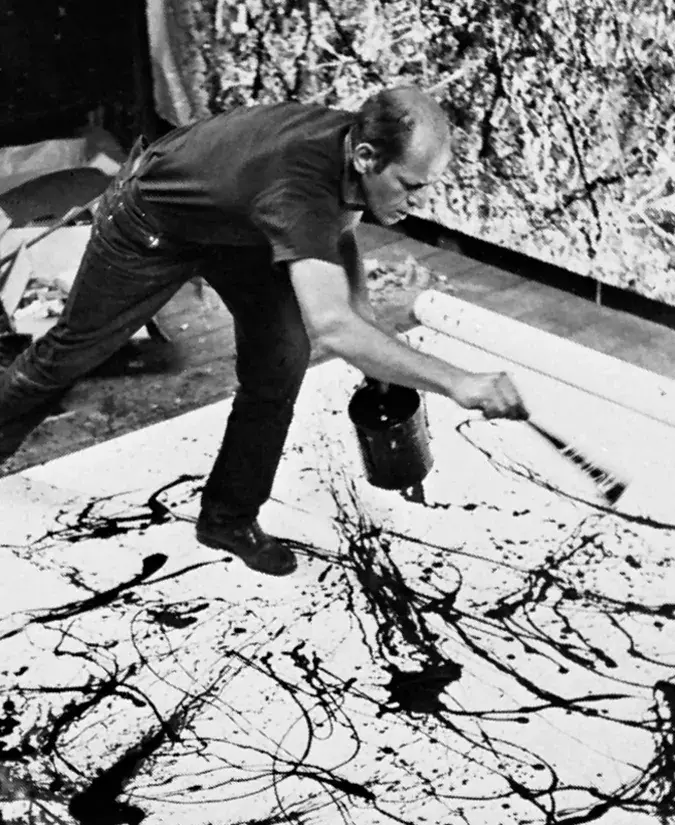
Jackson Pollock revolutionized modern art through his signature "drip" technique, which involved pouring, splashing, and…
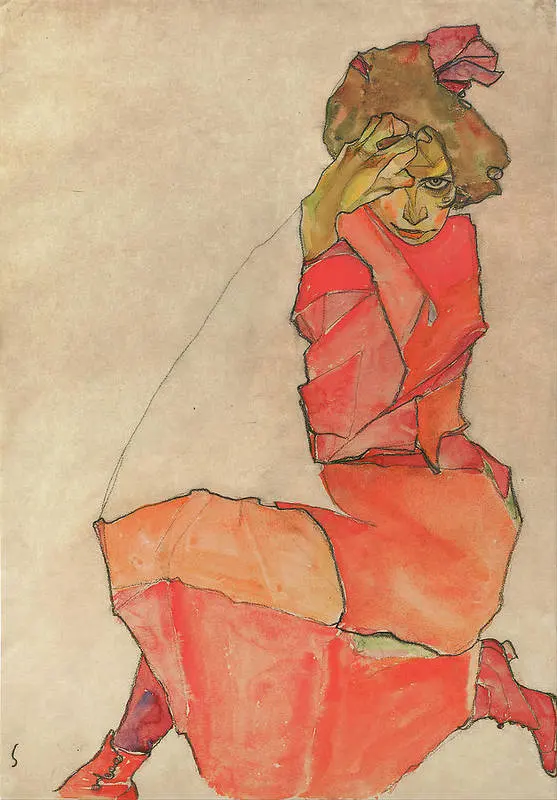
Egon Schiele utilized a distinctive technique defined by raw, agitated line work and expressive, distorted anatomy. He…
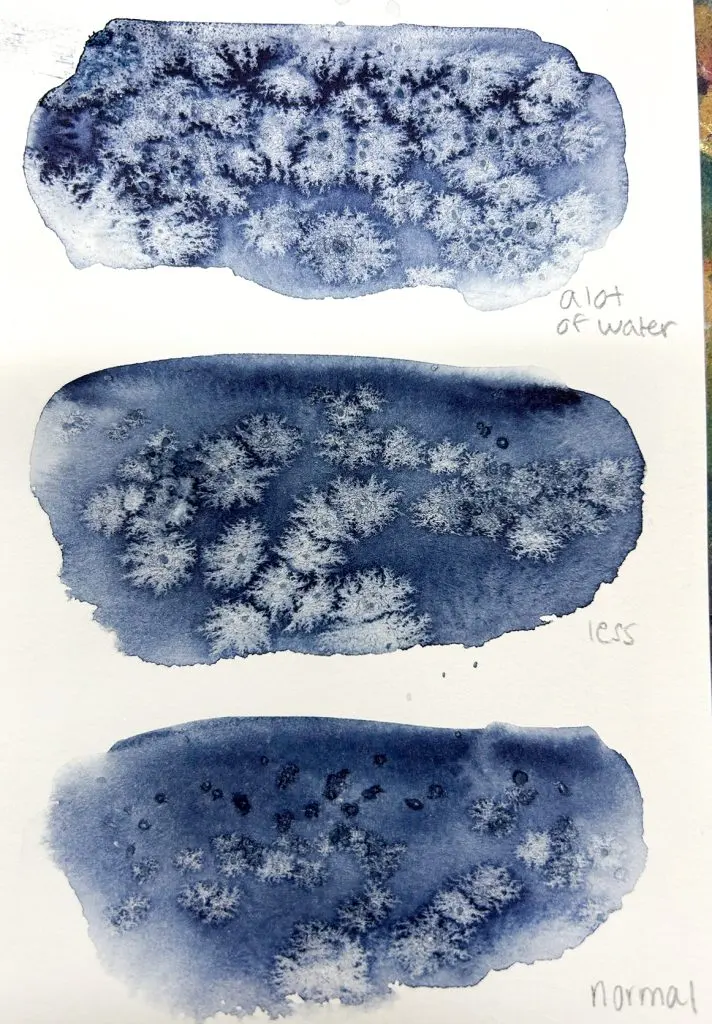
The salt technique is a watercolor method where salt crystals are sprinkled onto wet paint. As the paint dries, the salt absorbs…
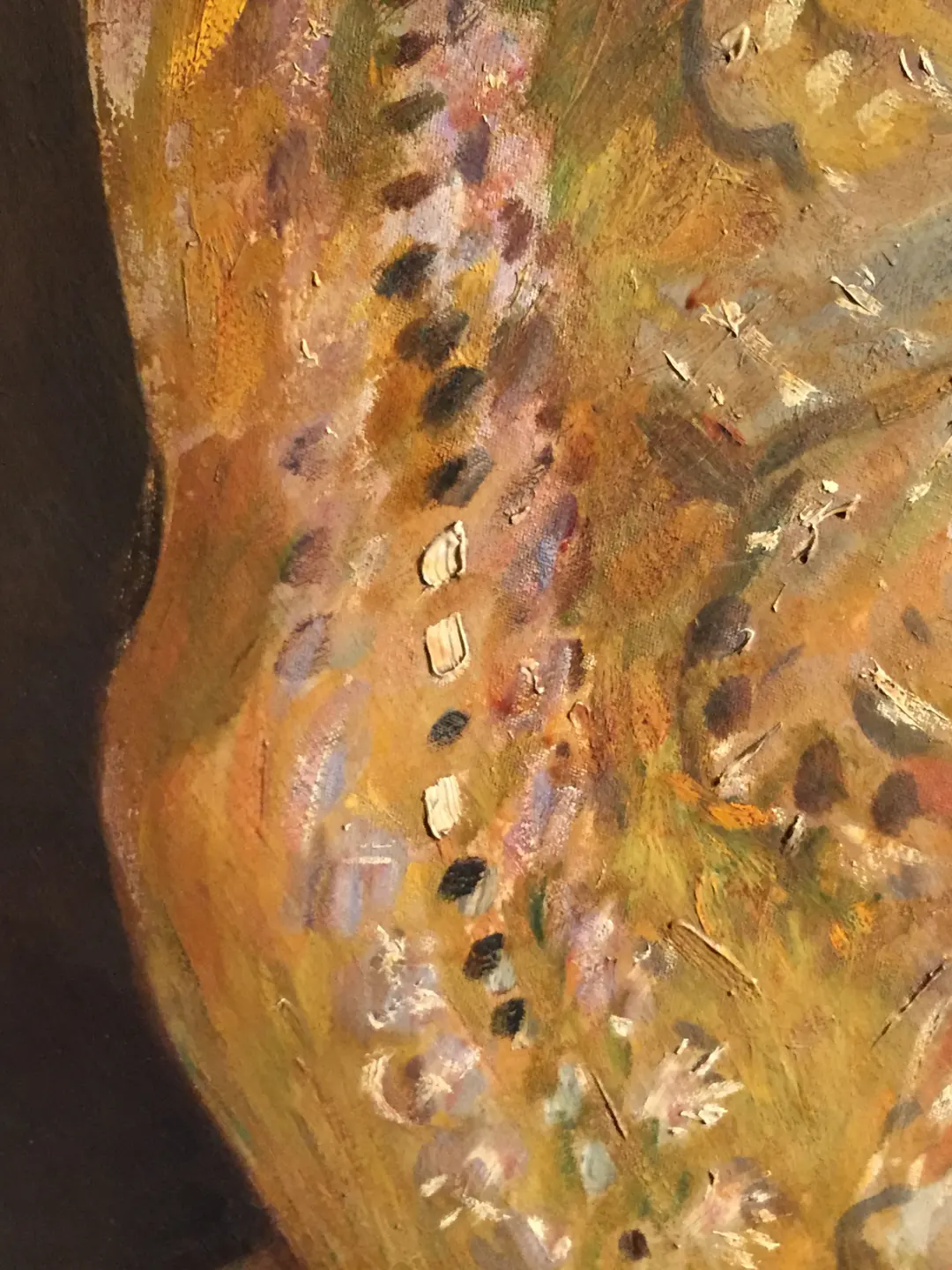
John Singer Sargent employed a bravura painting style characterized by rapid, fluid brushwork and precise placement of…
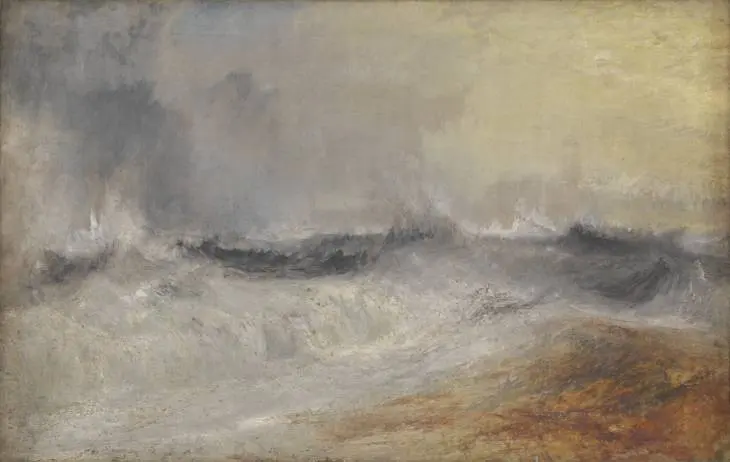
J.M.W. Turner revolutionized landscape painting through radical light manipulation and experimental material application. He…
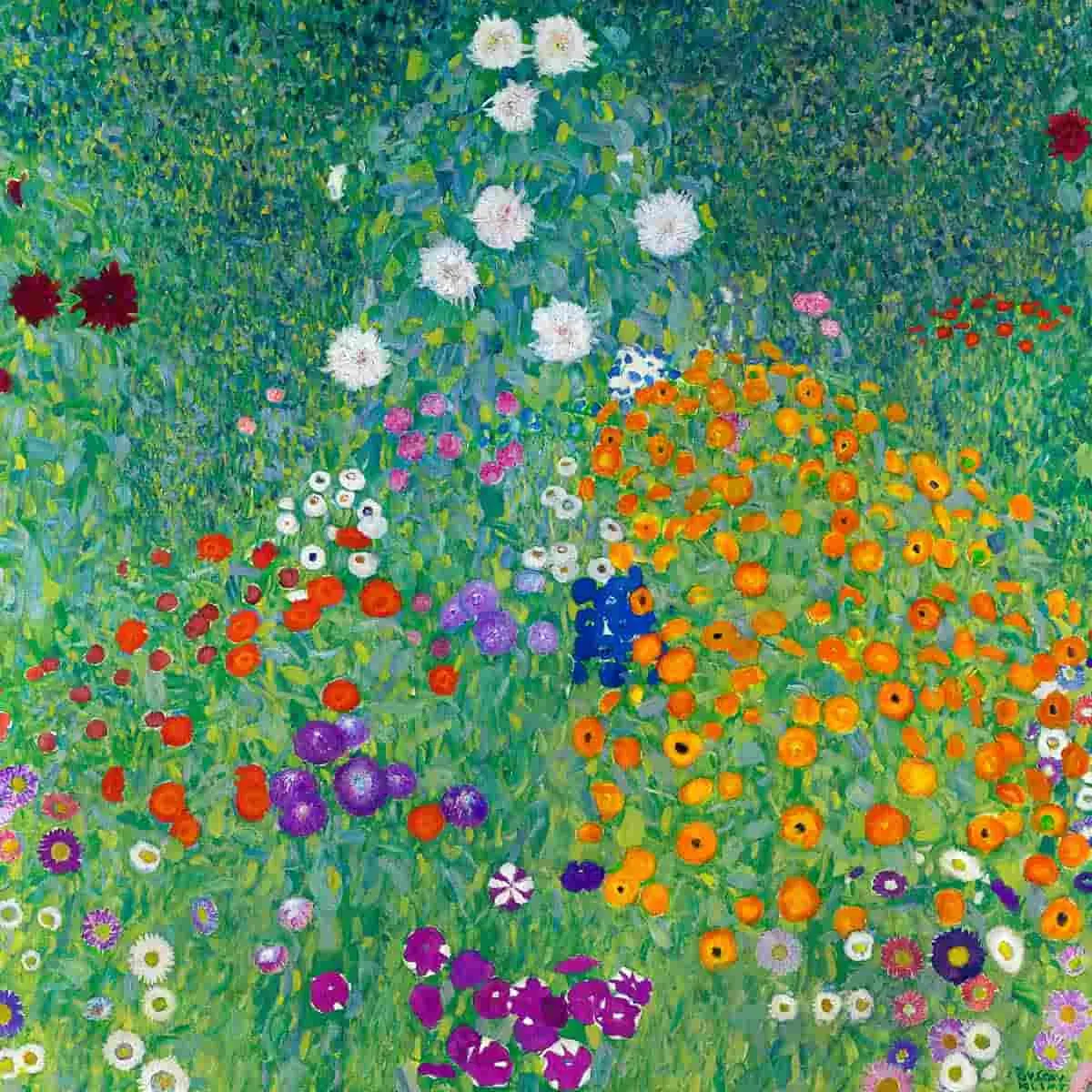
Gustav Klimt utilized a sophisticated blend of academic realism, Byzantine-inspired mosaics, and decorative Art Nouveau…
Bob Ross utilized the wet-on-wet oil painting technique, known as alla prima, to complete landscapes rapidly. By applying a thin…
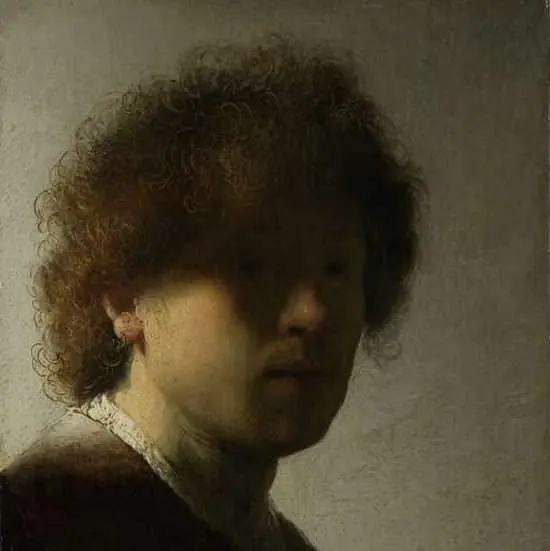
Rembrandt van Rijn mastered the use of chiaroscuro to create dramatic light and shadow, alongside a signature impasto technique…
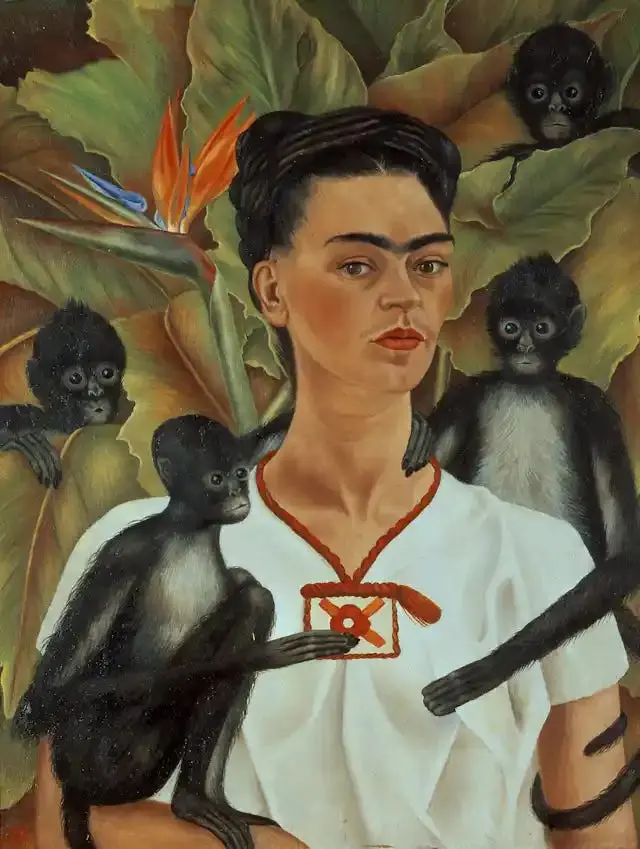
Frida Kahlo primarily utilized oil paint on small-scale supports like masonite, metal, and canvas. Her technique blended…
Shading techniques are methods used by artists to create the illusion of three-dimensional form, depth, and light on a…
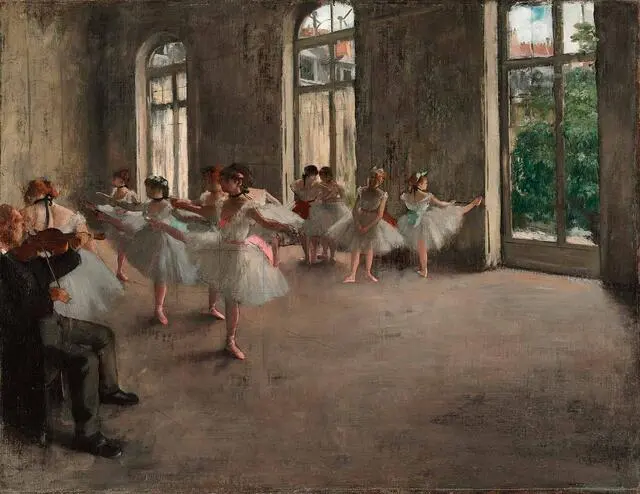
Edgar Degas combined traditional oil painting with innovative techniques like pastel layering, monotype printing, and…
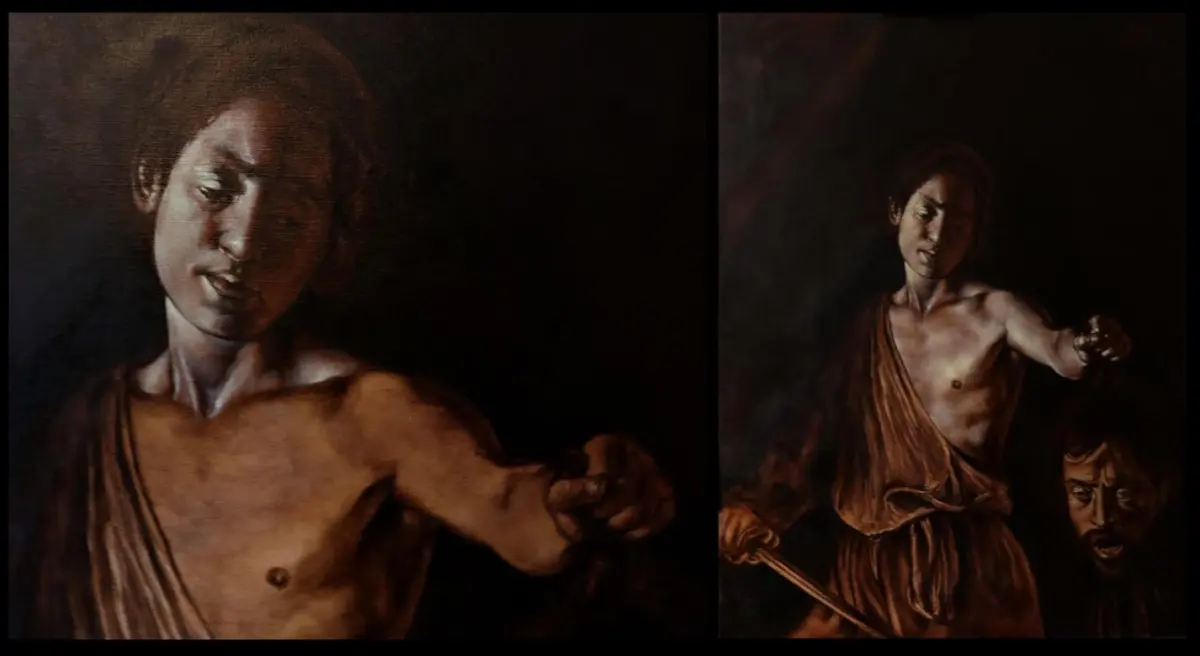
Caravaggio revolutionized painting through tenebrism, a dramatic use of extreme light and dark to create intense psychological…
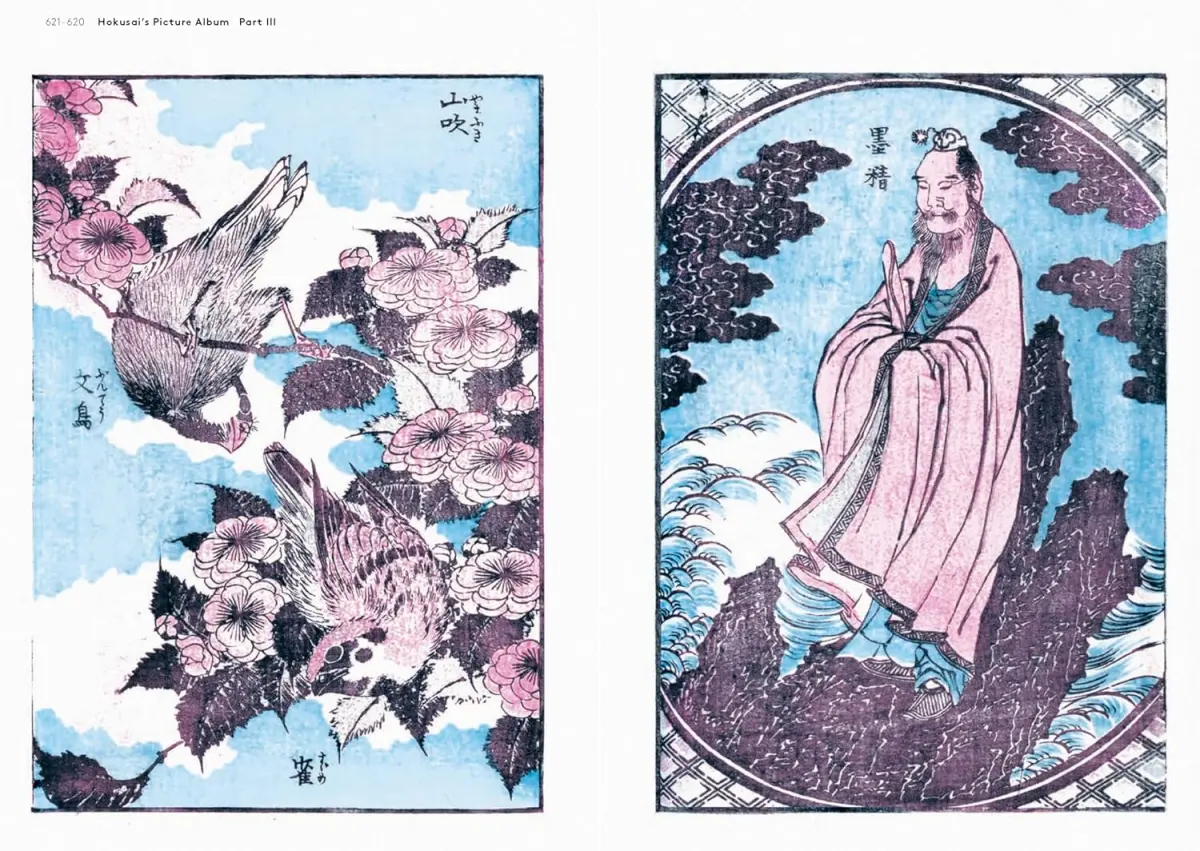
Katsushika Hokusai employed a sophisticated blend of traditional Japanese ukiyo-e woodblock printing and Western linear…
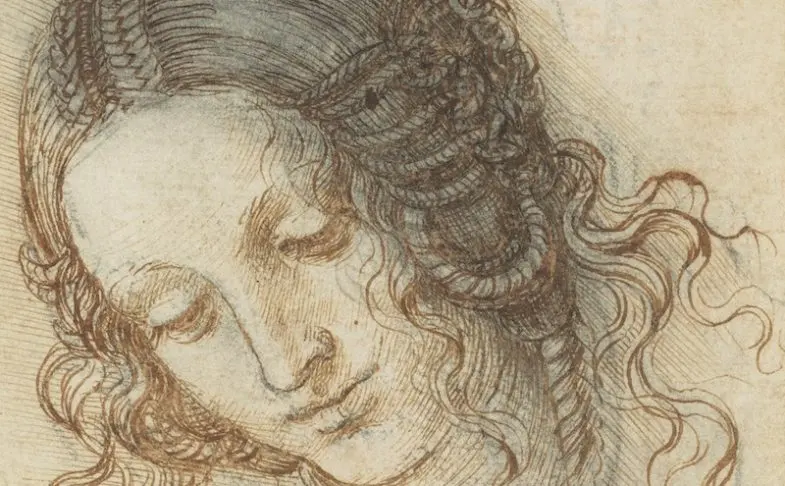
Leonardo da Vinci revolutionized Renaissance art through scientific observation and technical innovation. His primary techniques…
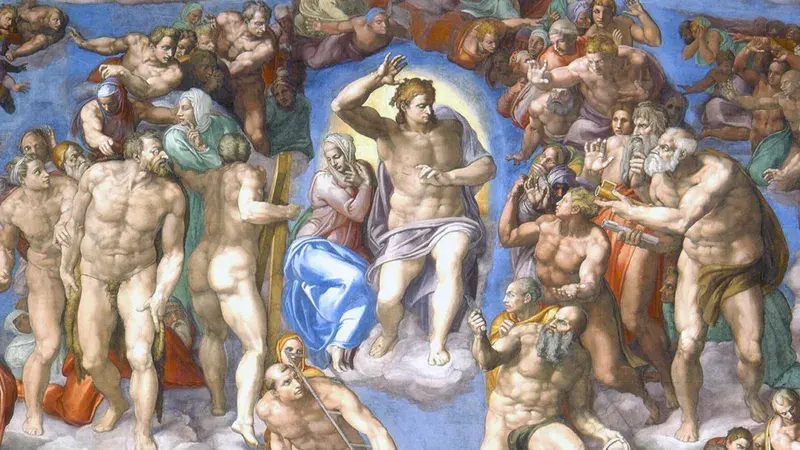
Michelangelo primarily utilized the buon fresco technique for painting, requiring rapid execution on wet plaster. In sculpture…
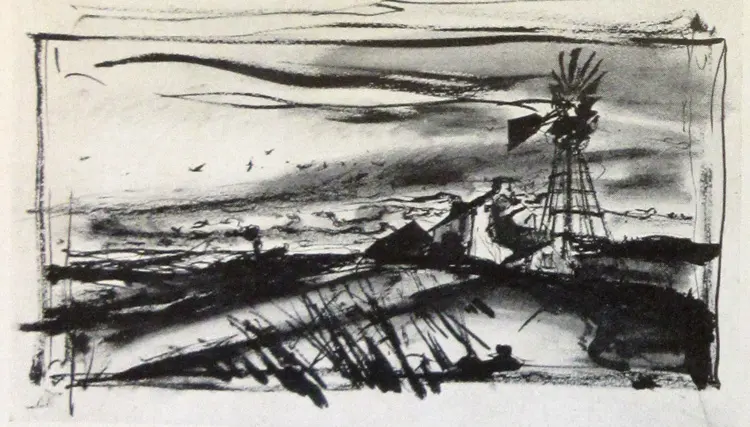
Andrew Wyeth primarily utilized drybrush watercolor and egg tempera to achieve his signature hyper-realistic, textured style. By…
Georges Seurat pioneered Divisionism, a technique applying tiny, distinct dots of color to a canvas to create vibrant optical…
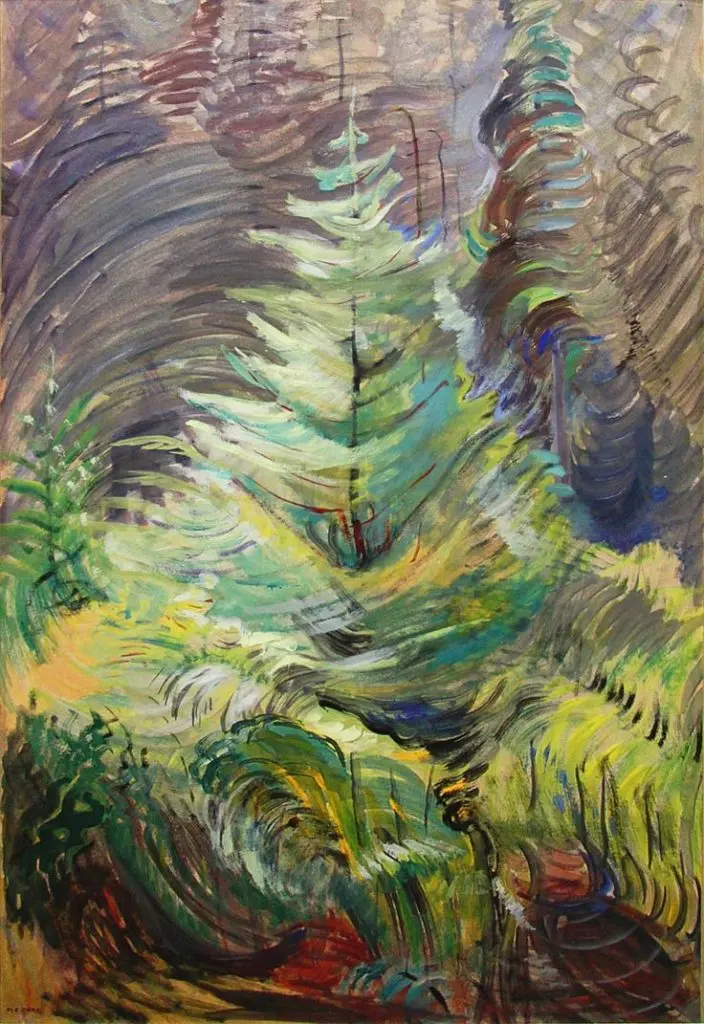
Emily Carr primarily utilized oil paints on paper, often thinning them with gasoline to create a watercolor-like effect. She…
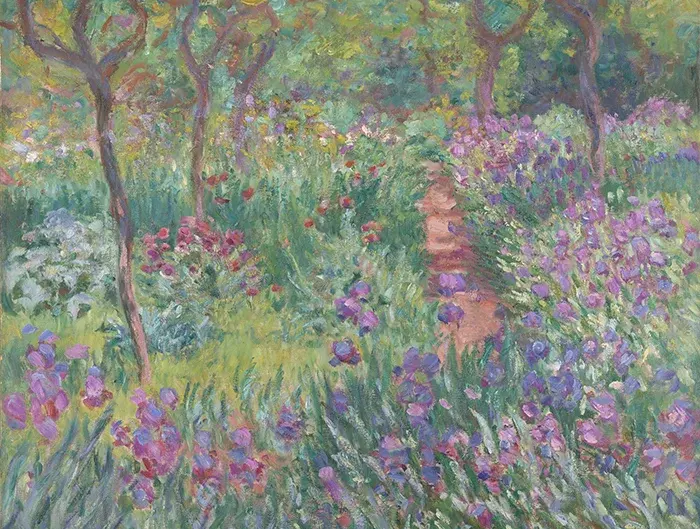
Claude Monet revolutionized painting by emphasizing light and color over precise detail. He utilized rapid, broken brushstrokes…