What techniques did Edgar Degas use?
Short answer
Edgar Degas combined traditional oil painting with innovative techniques like pastel layering, monotype printing, and photography. He often used unconventional cropping inspired by Japanese woodblock prints and candid snapshots. By experimenting with synthetic mediums and abrasive surfaces, he achieved unique textures that captured movement and light in his iconic ballet scenes.
On this page
How to use Degas's pastel layering technique
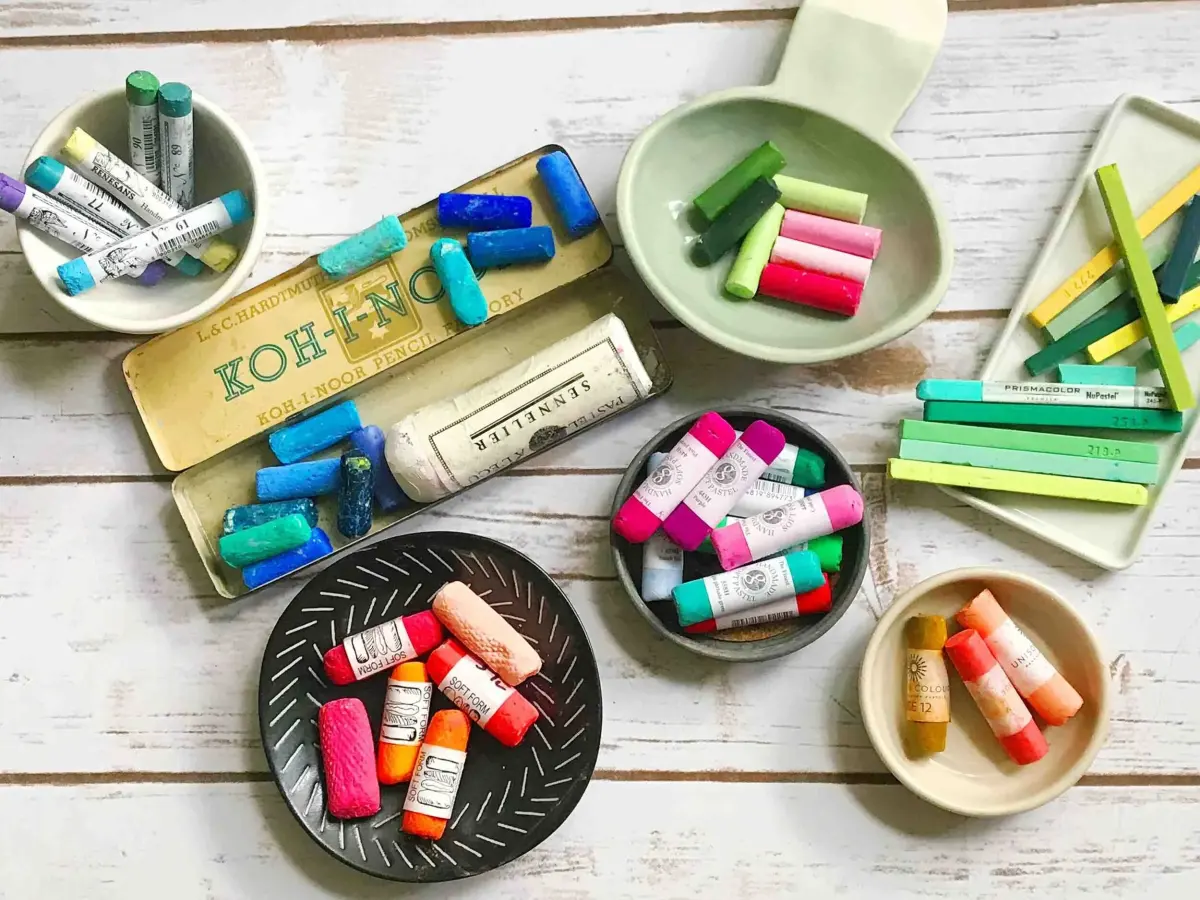
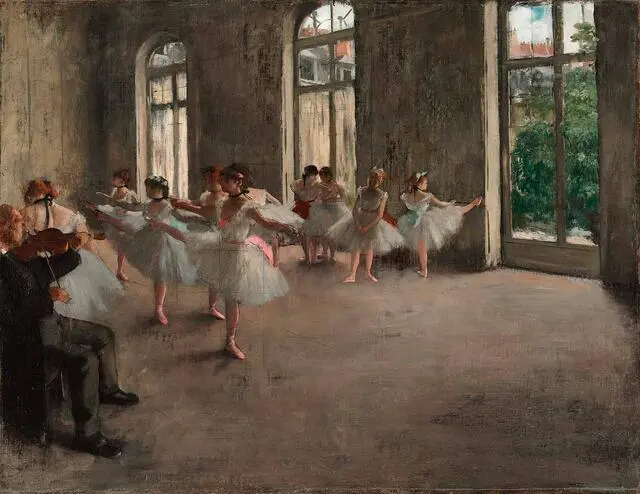
Degas revolutionized the use of pastel by treating it as a complex, multi-layered medium rather than a simple drawing tool. He frequently applied pastels over a base of gouache or watercolor to establish deep, saturated tones before building up lighter highlights. This approach allowed him to achieve a luminous quality that captured the artificial stage lighting of the Parisian opera houses he favored.
To emulate his process, artists should consider these steps:
- Apply a thin wash of gouache or watercolor to create an underpainting that anchors the composition.
- Use a fixative sparingly between layers to prevent the surface from becoming too slick for subsequent applications.
- Incorporate steam or thin solvents to soften edges, a technique Degas used to blend colors and create atmospheric effects.
- Apply final, bold strokes of pure pastel to define highlights and add energy to the composition.
Avoid using too much fixative, as it can dull the vibrancy of the pigments and darken the overall color palette.
Why Degas used monotype printing
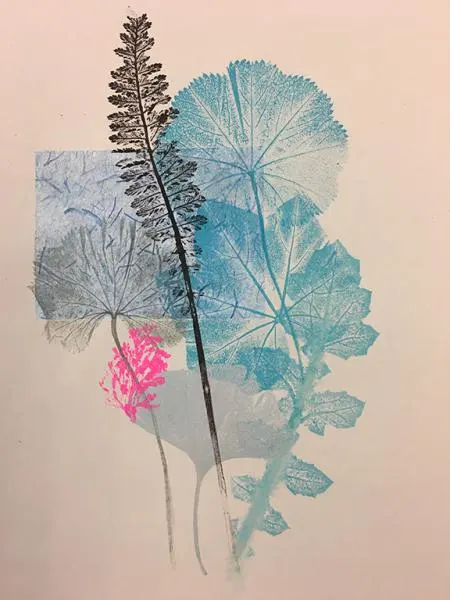
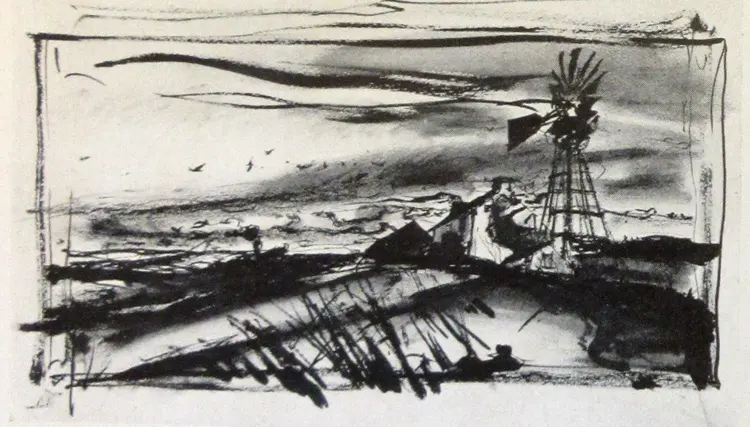
Degas was a pioneer of the monotype, a printmaking process that involves painting on a smooth, non-absorbent surface and transferring the image to paper. He often used this method to create dark, moody backgrounds for his scenes of brothels and domestic life. By wiping away ink with rags, brushes, or his own fingers, he created dramatic contrasts between light and shadow.
This technique offered him a unique way to experiment with composition before committing to a final painting. He would often take a "ghost" print—a second, fainter impression from the same plate—and work over it with pastels or charcoal. This hybrid approach enabled him to achieve a level of spontaneity and texture that was impossible with traditional brushwork alone. It allowed him to explore the relationship between mass and void, which became a hallmark of his later, more abstract works.
How to master unconventional composition and cropping
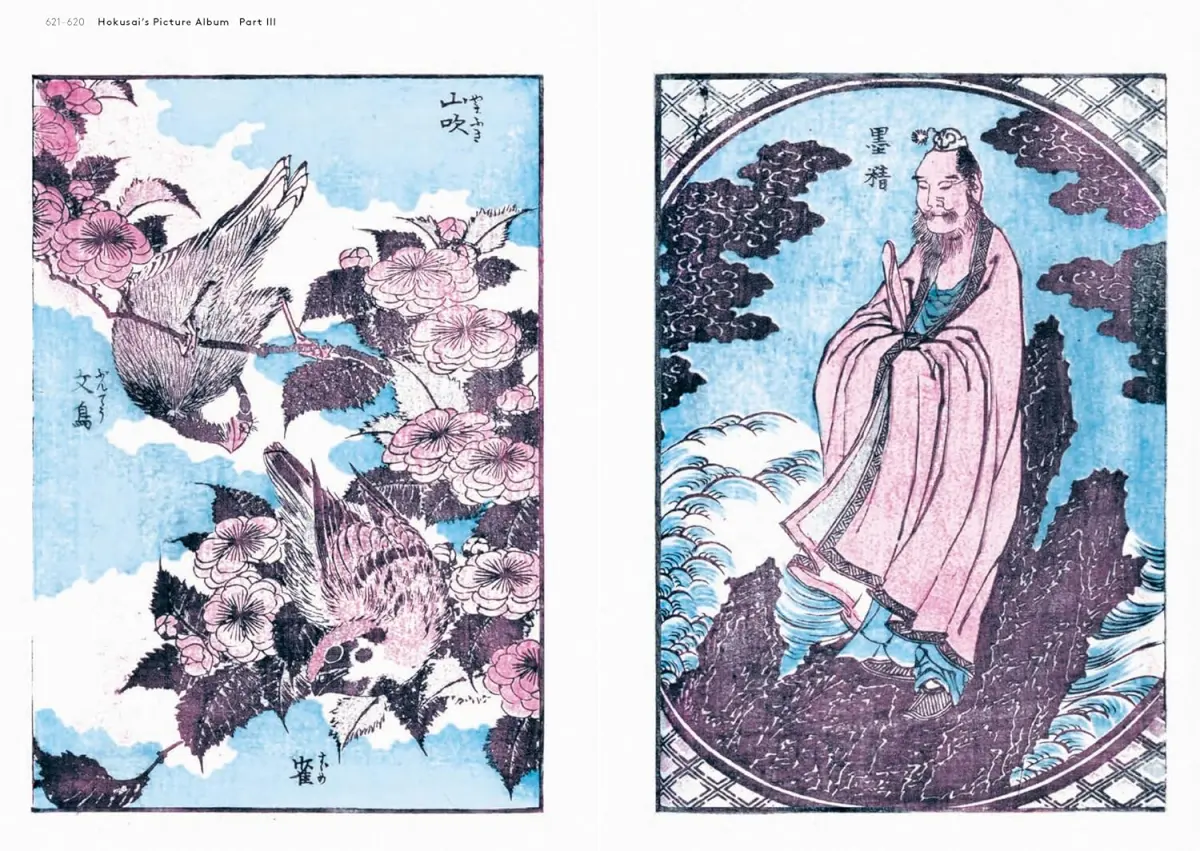
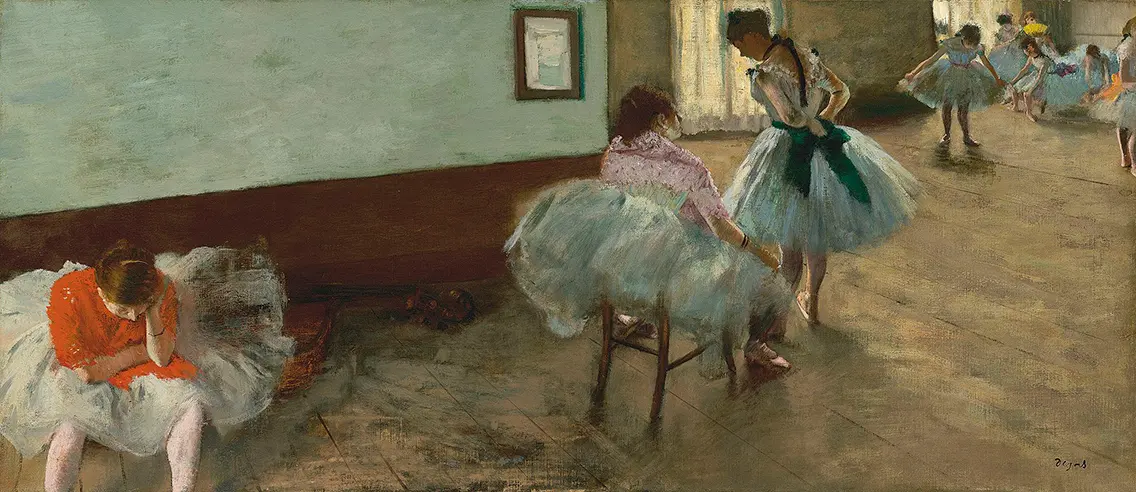
Degas was heavily influenced by the rise of photography and the influx of Japanese ukiyo-e woodblock prints in 19th-century France. He rejected the traditional, centered compositions favored by the Academy, opting instead for asymmetrical arrangements. He frequently cropped figures at the edge of the frame, suggesting that the scene continued beyond the viewer's immediate field of vision.
To apply these principles to your own work, keep these guidelines in mind:
- Place your primary subject off-center to create a sense of dynamic tension.
- Use architectural elements, such as staircase railings or stage curtains, to frame the subject and lead the viewer's eye.
- Intentionally cut off limbs or bodies to imply movement and candid observation.
- Emphasize the "snapshot" quality by focusing on mundane, off-guard moments rather than posed portraits.
Common mistakes include overcrowding the frame or failing to maintain a clear focal point, which can lead to visual confusion rather than intentional asymmetry.
What materials did Degas prefer for his surfaces
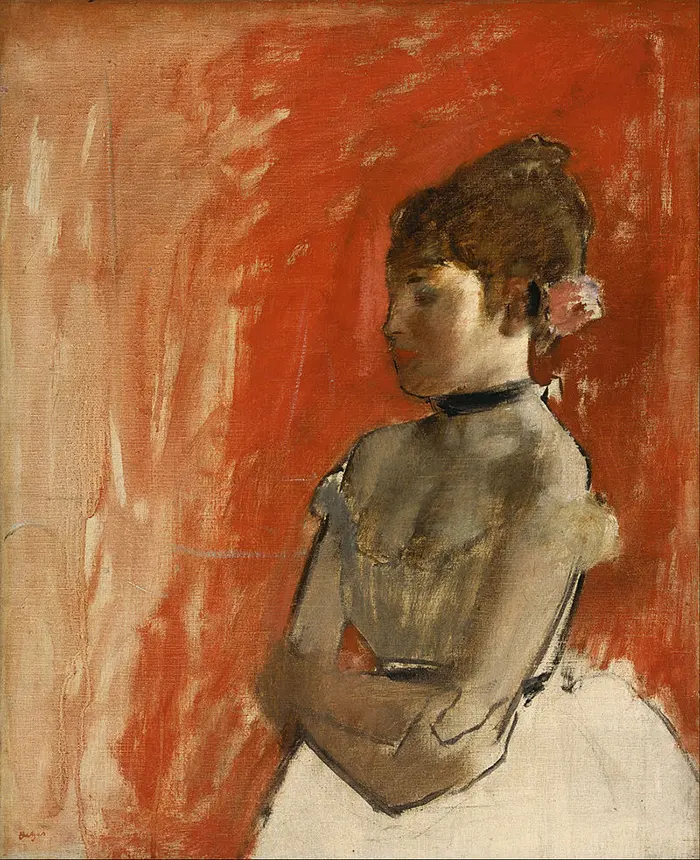
Degas was notoriously experimental with his substrates, often moving away from standard canvas to achieve specific tactile results. He frequently used cardboard, heavy paper, or even tracing paper mounted onto canvas. These surfaces provided a toothy, absorbent texture that held layers of pastel and oil paint more effectively than a smooth, primed canvas.
By using absorbent surfaces, he could build up thick, crusty layers of pigment that caught the light in distinct ways. This materiality was essential to his depiction of the rough textures of dancers' costumes and the grit of the Parisian streets. If you are looking to replicate this, experiment with textured papers or board prepared with a matte gesso. Avoid high-gloss primers, as they prevent the layering of dry media and can cause the pigments to slide or flake off over time.
Common mistakes when imitating Degas's style
One of the most frequent errors when attempting to adopt Degas's style is over-blending the colors. Degas was a master of the "broken color" technique, where individual strokes of contrasting colors are placed side-by-side rather than mixed into a uniform hue. This allows the viewer's eye to perform the mixing, resulting in a more vibrant and energetic visual experience.
Another mistake is failing to capture the fluidity of movement that defined his work. Degas spent hours sketching dancers in motion to understand the mechanics of their bodies. To improve, try these practical exercises:
- Perform quick, 30-second gesture drawings to capture the essential line of action before adding detail.
- Observe how light falls across moving forms and prioritize those light shapes over anatomical precision.
- Study the negative space around the figures, as Degas often used this to define the volume and placement of his subjects.
By focusing on the gesture rather than the outline, you will better capture the fleeting essence that made Degas a master of modern observation.
Key facts
- Degas frequently layered pastel over monotype prints to achieve deep, luminous colors that oil paint could not easily replicate.
- He often used "peinture à l'essence," a technique involving oil paint thinned with turpentine, to create a matte, fresco-like finish.
- The artist utilized off-center compositions and cropped figures, inspired by the emerging art of photography and Japanese woodblock prints.
- He experimented with fixatives to stabilize pastel layers, though he often applied them unevenly, causing some of his works to darken over time.
- Degas frequently revisited the same subjects—such as ballet dancers or bathers—to refine his understanding of posture and movement through repeated sketches.
- He often used a "grid" method to scale up his drawings, ensuring anatomical accuracy before committing to final paint applications.
The bottom line
Edgar Degas revolutionized art by blending traditional academic discipline with modern, experimental techniques. By combining mediums like pastel, oil, and monotype, he achieved a unique texture that brought his subjects to life. His focus on candid movement and asymmetrical framing challenged contemporary standards, proving that technical mastery is best served by a willingness to break rules and embrace the raw, evolving nature of the creative process.
People also ask
Why did Degas prefer pastels over oil paints later in his career?
Degas found that pastels allowed for greater speed and spontaneity, which suited his interest in capturing fleeting moments. He also enjoyed the ability to layer colors directly on the surface without waiting for drying times.
How did photography influence Degas's work?
Photography introduced Degas to unconventional framing, such as cutting off figures at the edge of the canvas. This technique created a sense of candid, "snapshot" realism that departed from traditional, balanced compositions.
What is a monotype print?
A monotype is a unique print made by painting on a smooth, non-absorbent surface and pressing it onto paper. Degas used these as a base layer, adding pastel or gouache on top to create rich, textured effects.
Did Degas use live models for his dancers?
Yes, he frequently hired professional dancers from the Paris Opéra to pose in his studio. He would have them hold difficult positions for extended periods to study the tension and grace of their muscles.
Why are some of Degas's paintings considered "unfinished"?
Degas was a perfectionist who often abandoned works if he felt they did not capture the essence of the movement. He frequently left areas of raw canvas or loose sketches visible to emphasize the process of creation.
What common mistakes should artists avoid when using Degas’s pastel techniques?
A common mistake is over-blending, which makes colors look muddy and dull. Another error is failing to use a high-quality fixative, which can cause the delicate pastel dust to smudge or fall off the paper.
This answer was created with the help of AI research tools and reference sources. Spotted an error? Let us know — we correct mistakes quickly. See our editorial policy.