What techniques did Katsushika Hokusai use?
Short answer
Katsushika Hokusai employed a sophisticated blend of traditional Japanese ukiyo-e woodblock printing and Western linear perspective. He mastered the use of Prussian blue pigment, complex multi-block layering, and dynamic compositions. His techniques involved meticulous draftsmanship, innovative color gradation known as bokashi, and the integration of atmospheric depth into flat, graphic designs.
On this page
How did Hokusai use woodblock printing techniques?
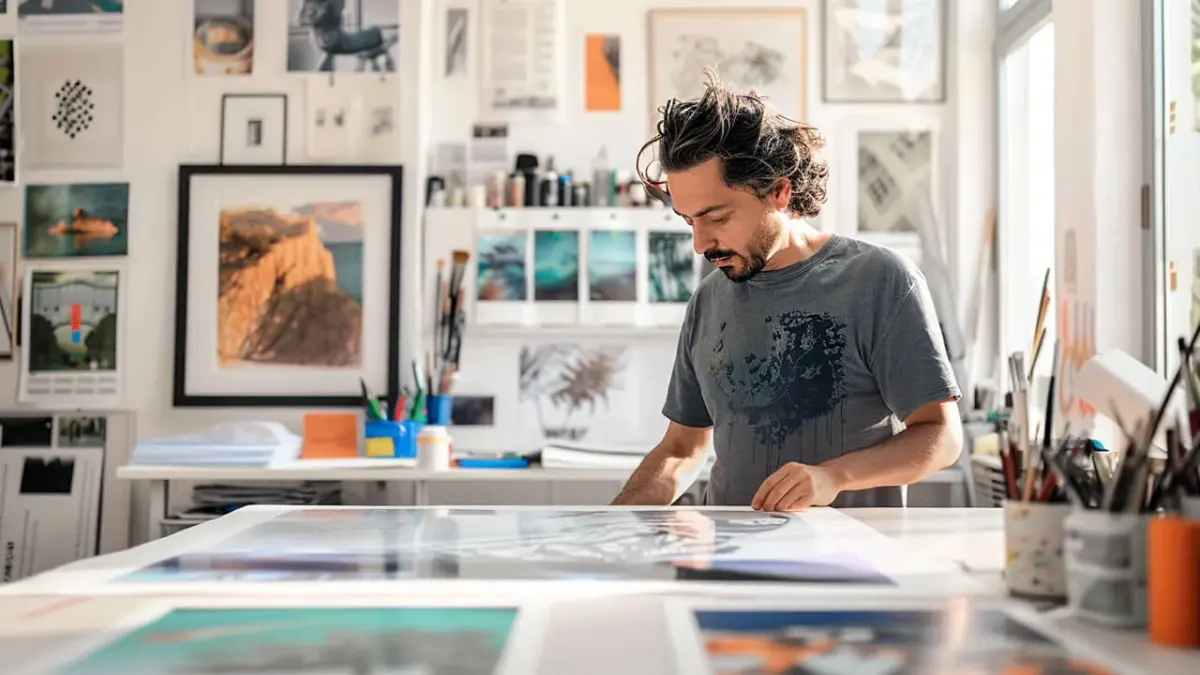
Hokusai worked within the ukiyo-e tradition, which relied on a collaborative process between an artist, a woodcarver, and a printer. The artist first created a master drawing in ink on thin paper, which the carver pasted face-down onto a block of cherry wood. The carver then cut away the wood around the lines to create a relief. This master block, or omohan, was used to print the black outlines of the final image.
For the color layers, Hokusai utilized a system of registration marks called kento. These small notches carved into the corner and side of each block ensured that subsequent color blocks aligned perfectly with the original outline. Hokusai’s technical brilliance lay in his ability to visualize these separate layers before production began. He frequently pushed the limits of the medium by demanding intricate detail that tested the precision of his carvers.
- Prepare a master line drawing.
- Transfer the design to a cherry wood block.
- Carve the lines to create a relief surface.
- Apply ink and press paper onto the block.
- Repeat the process for each distinct color block.
How to achieve Hokusai’s color gradation?
One of Hokusai’s most recognizable signatures is the bokashi technique, which creates a soft, fading transition of color. To achieve this, the printer applies water to the woodblock before adding pigment. By brushing the ink onto the wet surface and blending it with a specialized tool called a baren, the printer creates a seamless gradient. This was essential for the sky and water effects seen in his famous series, Thirty-six Views of Mount Fuji.
Hokusai was also one of the first Japanese artists to embrace Prussian blue, a synthetic pigment imported from Europe. This vibrant, stable pigment allowed him to create deeper shadows and more intense water scenes than traditional vegetable dyes permitted. When attempting this technique, ensure the woodblock remains slightly damp to prevent the pigment from drying too quickly. If the block is too dry, the gradient will appear streaky rather than smooth.
- Use high-quality, water-based pigments.
- Keep the woodblock surface consistently moist.
- Apply pressure evenly with the baren.
- Experiment with different ink densities before printing.
Why did Hokusai incorporate Western perspective?
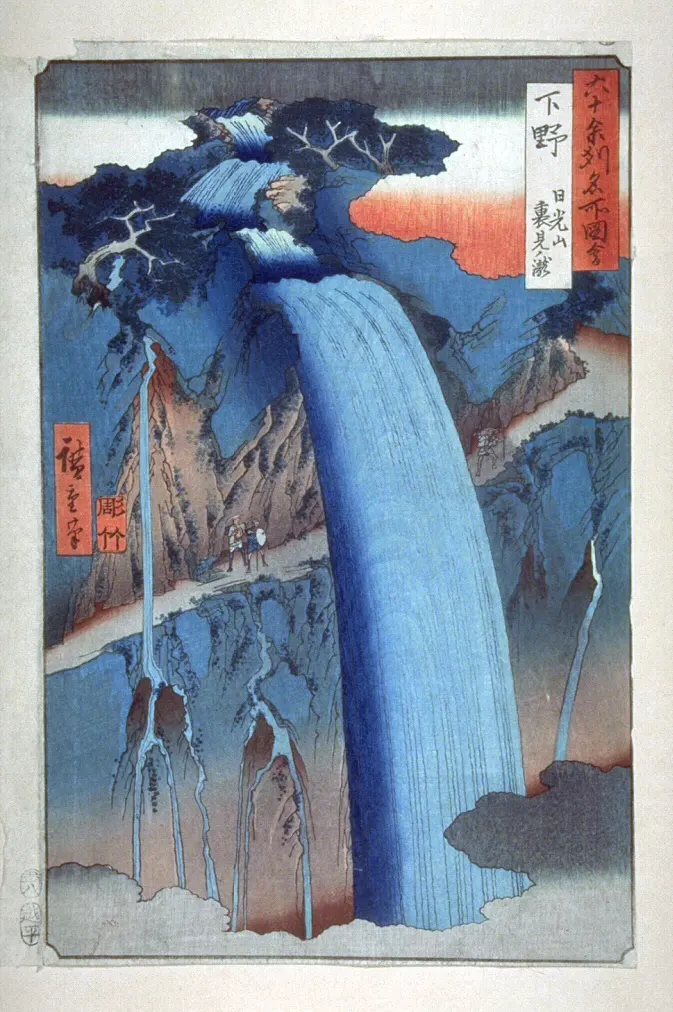
During the late Edo period, Hokusai became fascinated with Dutch copperplate engravings that arrived through the port of Nagasaki. He began incorporating linear perspective and vanishing points into his work, which departed from the traditional Japanese aesthetic of flattened space. By placing a central subject like a mountain or a building along a diagonal axis, he created a sense of depth that drew the viewer into the scene.
This fusion of styles allowed Hokusai to create a more immersive experience. He often combined this mathematical approach to depth with the bold, graphic silhouettes typical of Japanese art. This interplay between the two-dimensional surface and the implied three-dimensional space became a hallmark of his late-career style. It provided his prints with a modern, architectural quality that influenced generations of artists both in Japan and throughout the Western world.
Common mistakes when using Hokusai’s methods
Many beginners struggle with the registration process, often resulting in "ghosting" where colors bleed outside the black outlines. This usually happens because the paper is either too dry or the kento marks are not precisely aligned. To avoid this, always use high-quality washi paper, which is strong enough to withstand repeated pressings without stretching or distorting under the weight of the block.
Another common error is applying too much ink to the block. Excessive ink fills the delicate carved lines, causing the print to lose its fine detail and look muddy. It is better to apply thin, even layers of ink and build up the saturation through multiple passes. Always test your ink consistency on scrap paper before committing to the final print. Remember that the woodblock itself is an absorbent material; it requires a period of seasoning to hold the ink correctly.
- Avoid using synthetic papers that do not absorb water.
- Do not apply excessive pressure during the initial ink transfer.
- Ensure the woodblock is free of debris before inking.
- Store blocks in a climate-controlled environment to prevent warping.
How to master Hokusai’s brushwork style
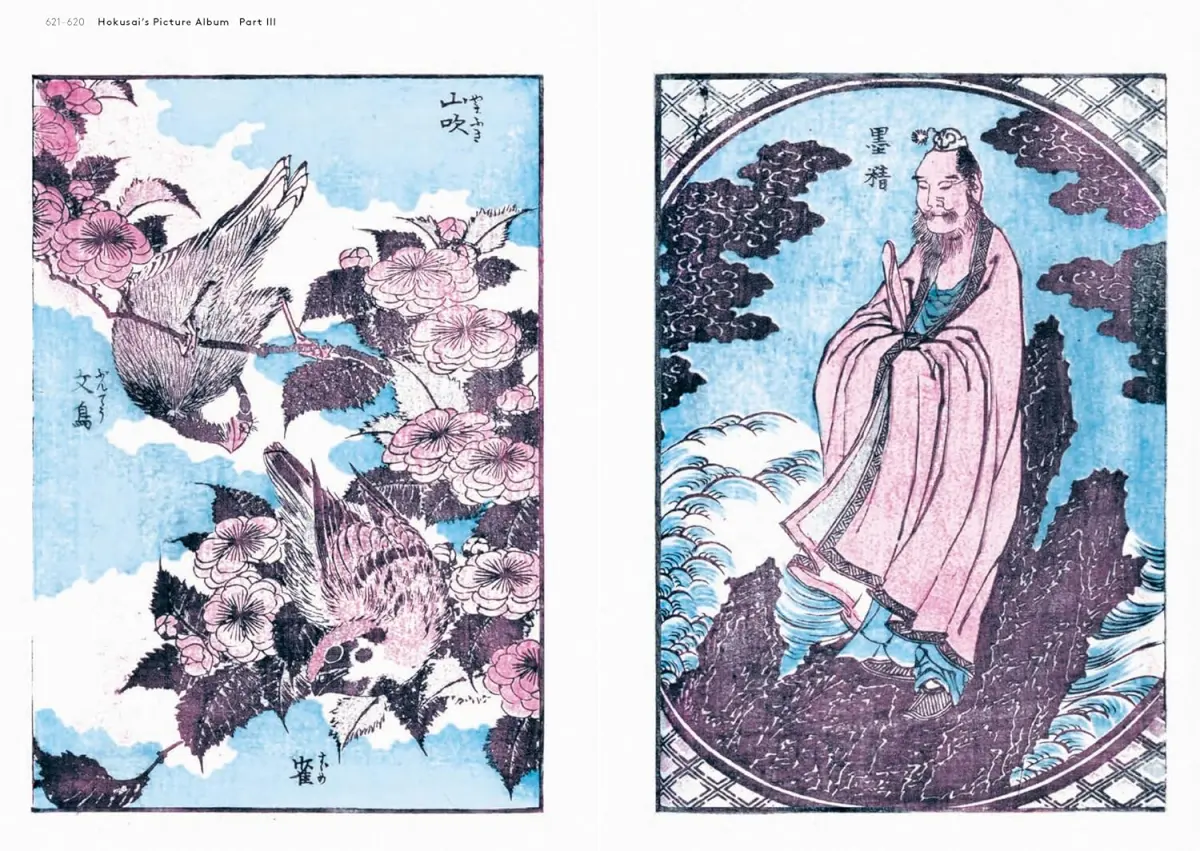
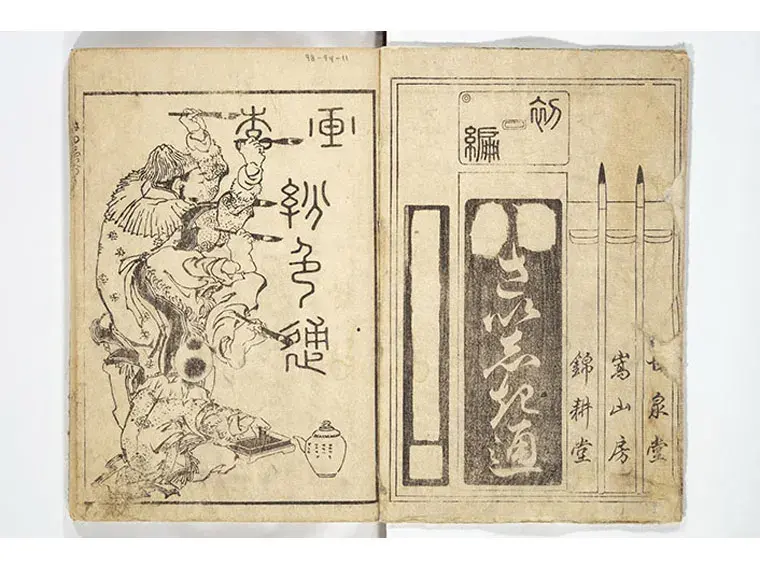
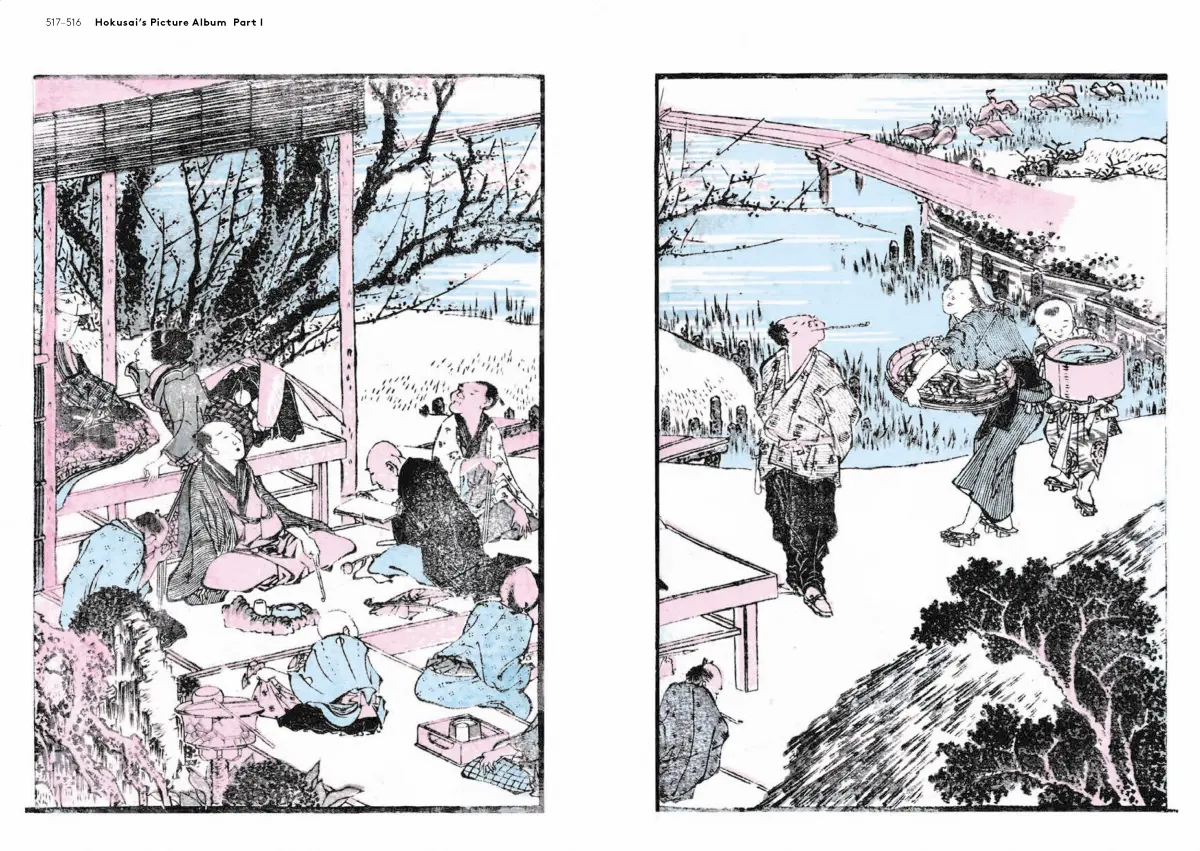
Hokusai’s brushwork was characterized by extreme control and rhythmic energy. He practiced daily, often filling sketchbooks with thousands of images to refine his hand-eye coordination. His technique involved varying the pressure on the brush to create lines that swelled and thinned, mimicking the natural flow of movement. This "calligraphic" approach ensured that even his most static landscapes felt alive with internal momentum.
To mimic this style, focus on the tension in your wrist rather than your fingers. Hokusai’s lines were not merely outlines; they were expressive gestures that defined the volume of his subjects. He often utilized a "broken" line technique to suggest texture, such as the foam on a wave or the crags of a mountain. By practicing these repetitive, gestural marks, you can capture the same sense of vitality that defined his most iconic masterpieces throughout his long career.
Key facts
- Hokusai primarily used the ukiyo-e woodblock printing technique, which involves carving designs into cherry wood blocks.
- He utilized a multi-block printing process where each color required a separate hand-carved block to be pressed onto the paper.
- The artist famously introduced "Prussian Blue," a synthetic pigment imported from Europe, to achieve the vibrant blues in Thirty-six Views of Mount Fuji.
- He mastered bokashi, a shading technique where the printer applies water and pigment to the block to create subtle color gradients.
- Hokusai often employed kento, a registration system of notches on the woodblocks, to ensure perfect alignment of colors during printing.
- To avoid muddy prints, he strictly followed the order of light-to-dark color application, ensuring the delicate outlines remained crisp.
The bottom line
Katsushika Hokusai’s artistic genius relied on a sophisticated synthesis of traditional Japanese craftsmanship and innovative material application. By mastering the collaborative woodblock process, utilizing vibrant synthetic pigments, and employing refined shading techniques like bokashi, he elevated printmaking into a high art form. His legacy demonstrates that technical precision, when paired with a deep understanding of color theory and registration, can transform simple materials into enduring cultural masterpieces.
People also ask
Did Hokusai carve his own woodblocks?
While Hokusai provided the initial ink drawings, professional woodcarvers and printers performed the physical carving and printing. This collaborative system allowed him to produce high-quality prints in large quantities.
What is the most common mistake when attempting traditional woodblock printing?
A common error is applying too much pressure or uneven ink, which causes the paper to tear or the colors to bleed. Beginners should practice consistent, light pressure to maintain the integrity of the wood grain.
How did Hokusai achieve the texture of falling snow in his prints?
He utilized a technique called karazuri, or "blind printing," which involves embossing the paper without ink. This creates a tactile, three-dimensional effect that mimics the appearance of snow or fabric patterns.
Why are Hokusai's prints often called "floating world" pictures?
The term ukiyo-e translates to "pictures of the floating world," referring to the transient, pleasure-seeking lifestyle of Edo-period Japan. His works captured the fleeting beauty of urban life and nature.
Can I use modern acrylics for traditional woodblock techniques?
Traditional printing relies on water-based pigments mixed with rice paste, which allows for better absorption into washi paper. Acrylics dry too quickly and create a plastic-like film that ruins the woodblock's surface.
How long did it take to produce a single Hokusai print?
The process was labor-intensive, often taking several weeks from the initial sketch to the final print. Each color block required precise carving, and the printing process required careful drying time between layers.
This answer was created with the help of AI research tools and reference sources. Spotted an error? Let us know — we correct mistakes quickly. See our editorial policy.