What is John William Waterhouse known for?
Short answer
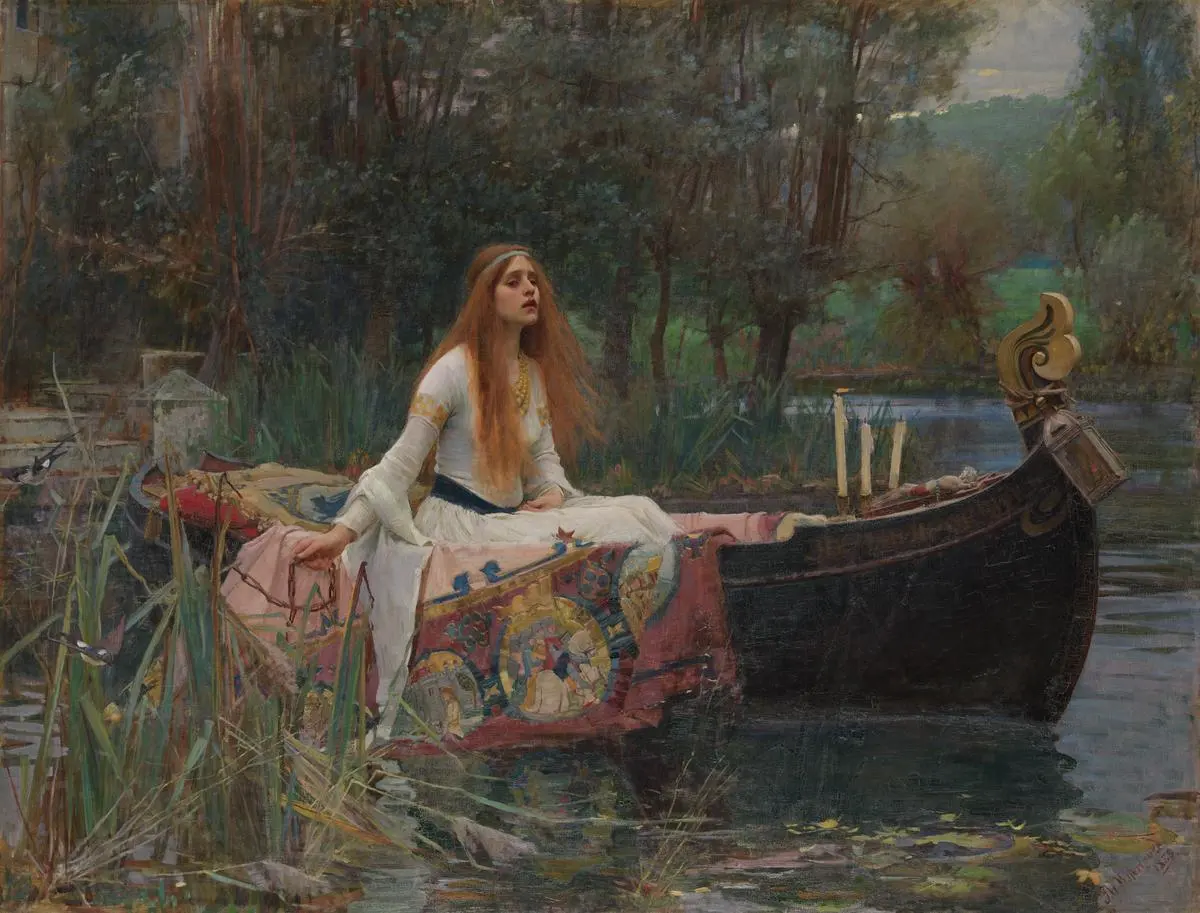
John William Waterhouse was an English painter celebrated for his romanticized depictions of literary and mythological subjects. Associated with the Pre-Raphaelite Brotherhood, he is best known for his mastery of atmospheric light, rich color palettes, and haunting portrayals of tragic female figures, most notably in his iconic 1888 masterpiece, The Lady of Shalott.
On this page
Why is John William Waterhouse famous?
Waterhouse gained prominence during the late Victorian era for bridging the gap between the Pre-Raphaelite style and the burgeoning Neoclassical movement. While his early influences were rooted in the detailed, narrative-heavy tradition of the Pre-Raphaelites, he evolved to incorporate a looser, more impressionistic brushwork that captured the fleeting qualities of light. His fame rests primarily on his ability to imbue classical myths with a deep, psychological melancholy that resonated with the sensibilities of his time.
His work is frequently characterized by the "femme fatale" archetype, where women are depicted as both powerful and tragically vulnerable. By choosing subjects from Arthurian legend, Homeric epics, and the poetry of John Keats or Alfred, Lord Tennyson, he created a visual language that felt both timeless and deeply personal. His dedication to these themes ensured his work remained popular even as modernism began to reshape the art world.
How to identify a Waterhouse painting
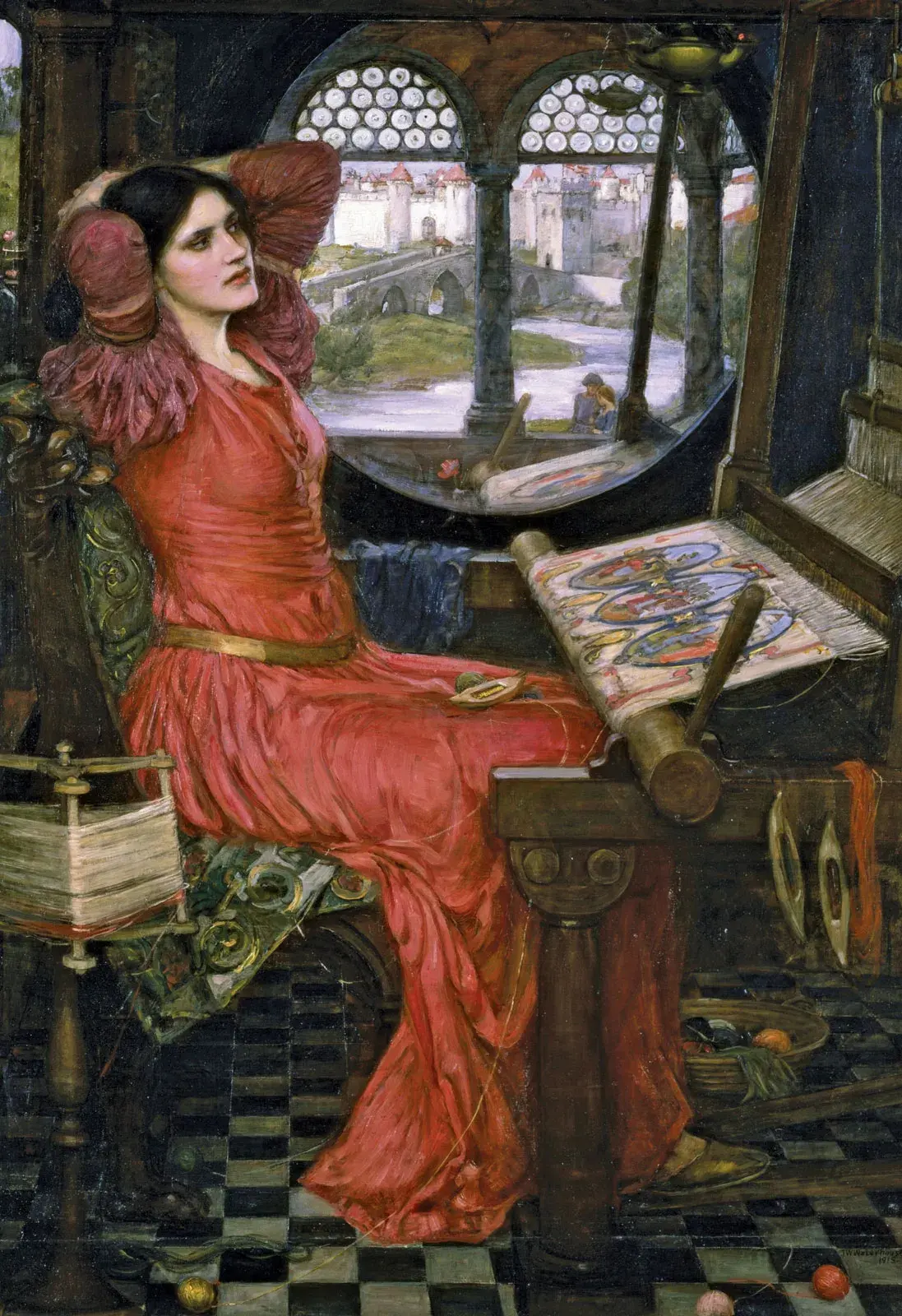
Identifying a Waterhouse work requires looking for specific stylistic markers that define his aesthetic. His compositions often feature a central female figure placed within an lush, idealized landscape or a richly decorated interior. He possessed a distinct talent for painting water, foliage, and fabric, often using these elements to create a sense of quiet isolation or impending drama.
When viewing his paintings, consider these key visual indicators:
- Muted, earthy tones contrasted with vibrant highlights on skin or clothing.
- Soft, blurred edges that suggest a dreamlike, ethereal atmosphere.
- Intricate details on textiles, such as embroidery or flowing drapery, which draw the viewer’s eye.
- A recurring focus on themes of longing, transformation, or sudden realization.
- The use of natural light to illuminate the subject while leaving the periphery in soft shadow.
What are his most famous works?
The artist produced over 100 paintings throughout his career, but a few specific pieces have become synonymous with his name. These works are frequently reproduced in art history texts and museum collections, serving as the primary examples of his technical skill and thematic focus. His ability to distill a complex narrative into a single, poignant moment is what makes these paintings stand out.
The following pieces are widely considered his most significant contributions to art:
- The Lady of Shalott (1888): Depicts the tragic heroine floating toward Camelot in a boat, representing his fascination with Tennyson’s poetry.
- Hylas and the Nymphs (1896): A masterful composition showing the mythological youth being lured into a pond by water nymphs.
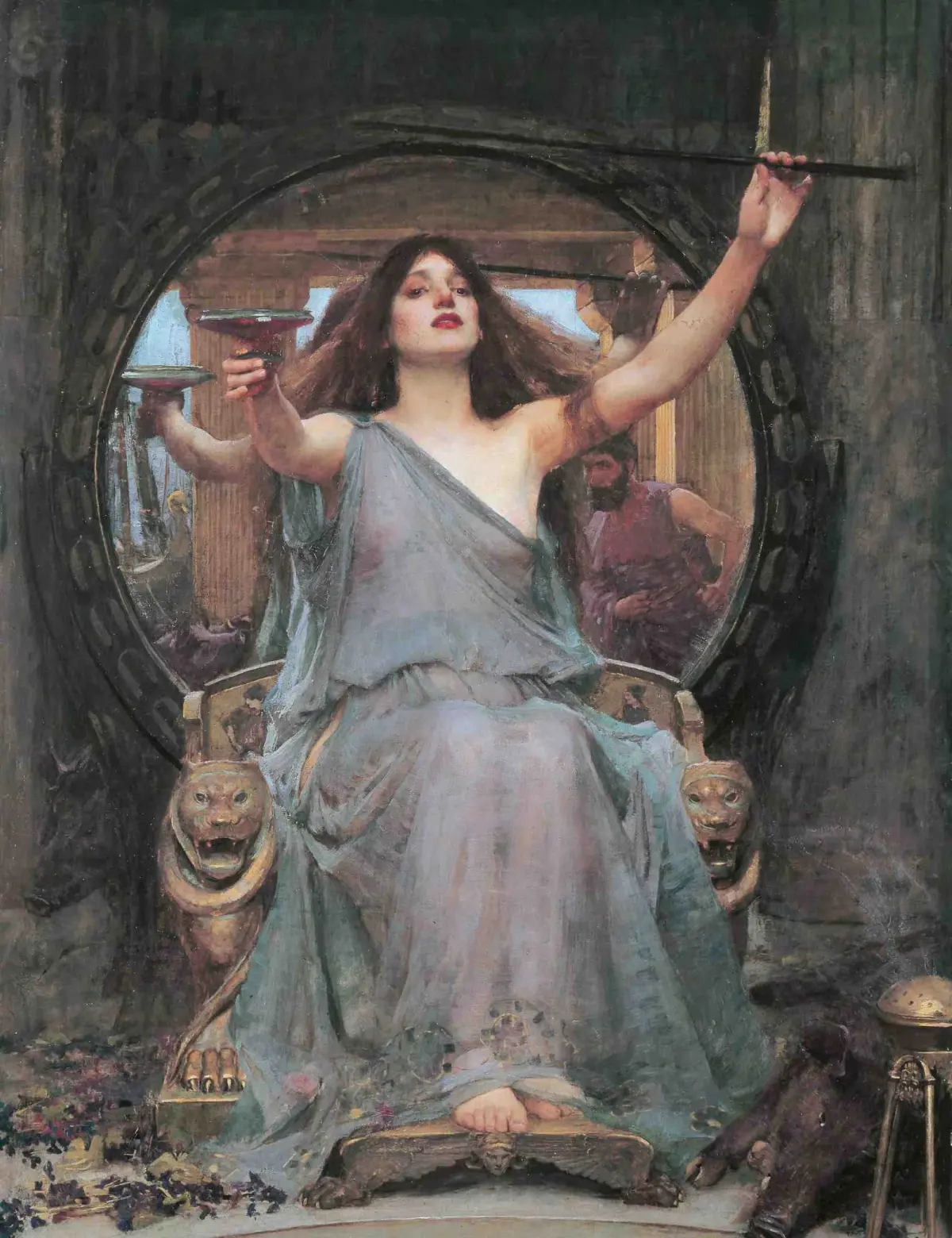
- Circe Invidiosa (1892): Portrays the sorceress Circe in a moment of vengeful power, emphasizing his talent for depicting intense emotion.
- Ophelia (1894): A poignant exploration of madness and nature, capturing the character moments before her death.
Best ways to study his technique
For those interested in learning from Waterhouse’s process, the most effective approach is to focus on his preparation and his mastery of light. He did not simply paint from imagination; he relied on sketches, models, and careful observation of nature. His process was methodical, ensuring that the final canvas achieved a balance between realistic detail and emotional resonance.
To emulate his style or understand his craft, follow these steps:
- Begin with detailed pencil sketches to establish the composition and the emotional posture of the figures.
- Study the interaction between light and shadow, noting how he uses light to direct the viewer’s focus toward the subject's face.
- Practice painting landscapes separately to develop the ability to render foliage and water with soft, atmospheric brushstrokes.
- Focus on the texture of fabrics, using thin glazes to create the appearance of silk or velvet.
Common mistakes when analyzing his work
One common error when evaluating Waterhouse is to categorize him strictly as a Pre-Raphaelite. While he was inspired by the group, he was not a founding member and his later work moved toward a more fluid, academic style that distanced him from the rigid precision of artists like William Holman Hunt. Recognizing this distinction is crucial for understanding his evolution as a painter.
Another mistake is overlooking the literary context of his paintings. Many viewers focus solely on the beauty of the figures without considering the narrative weight behind them. Waterhouse’s paintings are essentially visual translations of literature; without understanding the myths or poems he referenced, the viewer misses the depth of his storytelling. Always research the source material, such as Ovid’s Metamorphoses or Tennyson’s poetry, to fully grasp the intent behind his most iconic, haunting scenes.
Key facts
- John William Waterhouse (1849–1917) was a prominent English painter associated with the Pre-Raphaelite Brotherhood and the Neoclassical movement.
- He is best known for his depictions of tragic or powerful women from Greek mythology and Arthurian legend.
- His most famous work, "The Lady of Shalott" (1888), illustrates a scene from Alfred, Lord Tennyson’s poem of the same name.
- Waterhouse often painted outdoors in the plein air tradition, despite his focus on romanticized, literary subjects.
- His style is characterized by luminous colors, soft brushwork, and a melancholic, dreamlike atmosphere.
- To study his technique, observe how he uses light to highlight the subject's face while keeping the background slightly blurred or atmospheric.
The bottom line
John William Waterhouse remains one of the most beloved Victorian painters, celebrated for his ability to bridge the gap between classical mythology and romantic storytelling. His mastery of light, color, and emotional narrative continues to resonate with audiences today. By focusing on the inner lives of his subjects, he transformed literary scenes into timeless, evocative images that define the aesthetic legacy of the late nineteenth century.
People also ask
Was John William Waterhouse a member of the original Pre-Raphaelite Brotherhood?
No, he was not an original member, as the Brotherhood was founded in 1848, the year before his birth. He is often called a "late" Pre-Raphaelite because he adopted their interest in romantic literature and high-detail realism decades later.
What is the significance of the "femme fatale" in his paintings?
Waterhouse frequently explored the archetype of the dangerous or alluring woman, such as Circe or Hylas’s nymphs. These figures represent the tension between human desire and the unpredictable, often destructive forces of nature and magic.
Where can I see his original paintings today?
Many of his major works are held in public collections, most notably at the Tate Gallery in London. Other significant pieces can be found at the Royal Academy of Arts and various regional galleries across the United Kingdom.
Did Waterhouse paint anything other than literary scenes?
While he is famous for his literary and mythological themes, he also painted portraits and scenes of everyday life. His early works often focused on classical Roman life, reflecting his upbringing in Rome and his father’s influence as a painter.
How did he achieve the soft, ethereal look in his landscapes?
He achieved this by blending his paint while it was still wet and using a limited, harmonious color palette. He avoided harsh outlines, preferring to let his figures merge gently into the surrounding foliage or water.
What is a common mistake when analyzing his work?
A common error is assuming his paintings are purely historical documents. In reality, Waterhouse used these settings as vehicles for Victorian-era sensibilities, projecting contemporary emotions onto ancient characters rather than aiming for strict archaeological accuracy.
This answer was created with the help of AI research tools and reference sources. Spotted an error? Let us know — we correct mistakes quickly. See our editorial policy.