What is William Blake known for?
Short answer
William Blake was a visionary English poet, painter, and printmaker of the Romantic era. He is best known for his unique "illuminated printing" process, which combined poetry and hand-colored engravings. His most famous works include the poetry collections Songs of Innocence and Songs of Experience, featuring iconic poems like "The Tyger."
On this page
Why is William Blake famous today?
William Blake occupies a singular position in English literature and art history as a prophet of the imagination. During his lifetime, from 1757 to 1827, he was largely ignored or dismissed as insane, but his reputation grew significantly in the 20th century. He is celebrated for his rejection of Enlightenment rationalism, favoring instead a mystical worldview where the human imagination acts as the divine force. His work challenges social, political, and religious institutions, often critiquing the industrialization of London and the exploitation of children.
His fame rests on his ability to synthesize visual art and literature into a unified experience. Unlike his contemporaries who relied on traditional publishing, Blake created his own books from start to finish. This holistic approach allowed him to control the interplay between text and image, creating a symbolic language that remains a subject of intense academic study. His influence extends far beyond poetry, impacting modern fantasy literature, psychological theory, and visual art movements.
How to understand Blake’s poetry
To appreciate Blake’s poetry, one must understand his cyclical worldview. His most accessible works, Songs of Innocence (1789) and Songs of Experience (1794), are designed to be read together. The "Innocence" poems represent a state of childhood wonder and divine protection, while the "Experience" poems depict the corruption, cruelty, and social constraints of the adult world. Blake argued that humanity must pass through both states to achieve a "higher innocence" or spiritual maturity.
When reading these poems, look for recurring symbols rather than literal meanings. Blake utilized a complex personal mythology involving figures like Urizen, the embodiment of cold reason and law, and Los, the spirit of creative imagination. To better grasp his poetic intent, consider the following approach:
- Read the poems aloud to appreciate their rhythmic, song-like quality.
- Examine the original engravings alongside the text to see how the illustrations comment on the verses.
- Identify the binary oppositions, such as the Lamb versus the Tyger, to understand his dialectical view of existence.
What is illuminated printing?
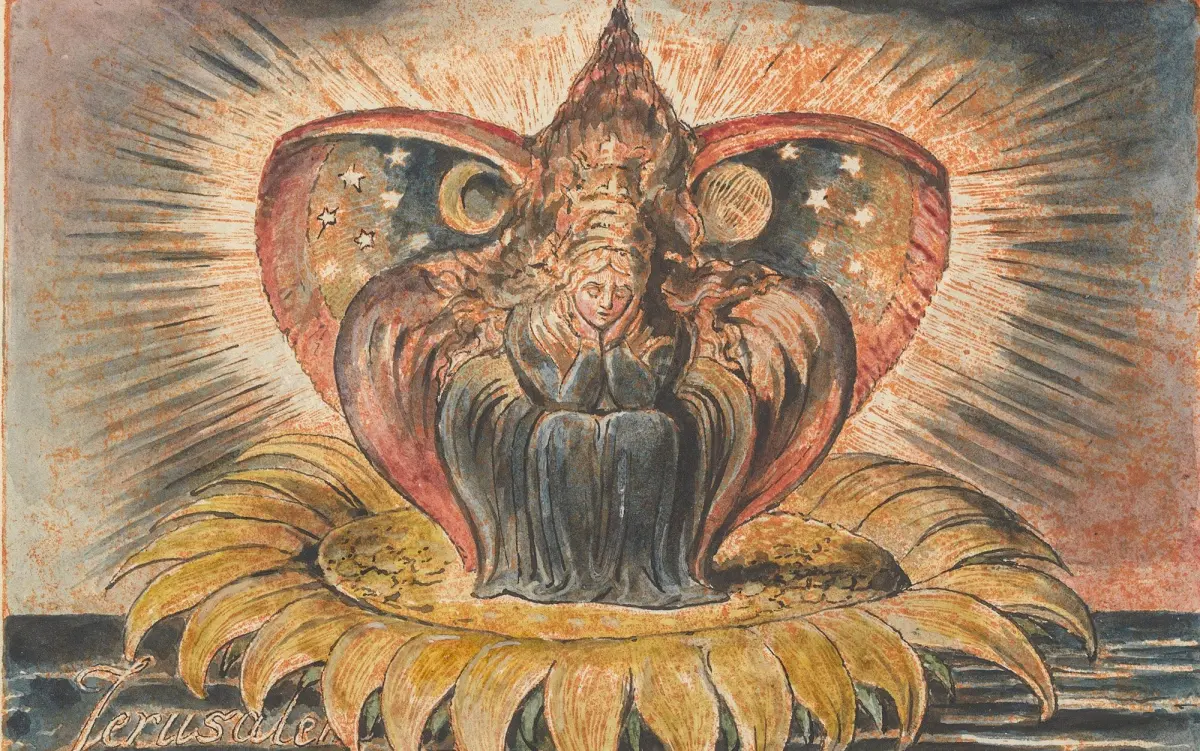
Blake’s most significant technical contribution was the invention of "illuminated printing." Frustrated by the limitations of traditional letterpress printing, he developed a method of relief etching on copper plates. He would write his text and draw his designs in an acid-resistant medium directly onto the plate. After etching away the surrounding metal with acid, the raised surfaces could be inked and printed. This allowed him to integrate his illustrations seamlessly with his poetry.
Following the printing process, Blake and his wife, Catherine, would hand-color each page using watercolors. This made every copy of his books a unique work of art. Because he did not use a mechanical press, his production was slow and limited, which contributed to his obscurity during his life. His technique allowed for a fluidity of design that was impossible with standard printing methods, as he could adjust the placement of text and images on every individual page.
Common mistakes when studying Blake
One common mistake is treating Blake’s poems as simple children’s verses. While the rhythm is often simple, the underlying themes are profoundly complex and often dark. Readers frequently overlook the visual component of his work, reading the poems in modern anthologies without the accompanying etchings. This strips the work of its intended context, as the illustrations often provide a cynical or ironic counterpoint to the innocent tone of the text.
Another error is attempting to decode his "Prophetic Books," such as Jerusalem or The Marriage of Heaven and Hell, without first familiarizing oneself with his basic symbolic vocabulary. These longer works are dense and abstract, requiring a patient understanding of his unique cosmology. To avoid frustration, follow these steps:
- Start with the shorter, more lyrical Songs of Innocence and of Experience.
- Research the social and political context of 18th-century London to understand his critiques.
- Consult a guide to his personal mythology before tackling the longer, epic-length poems.
Best ways to explore his art
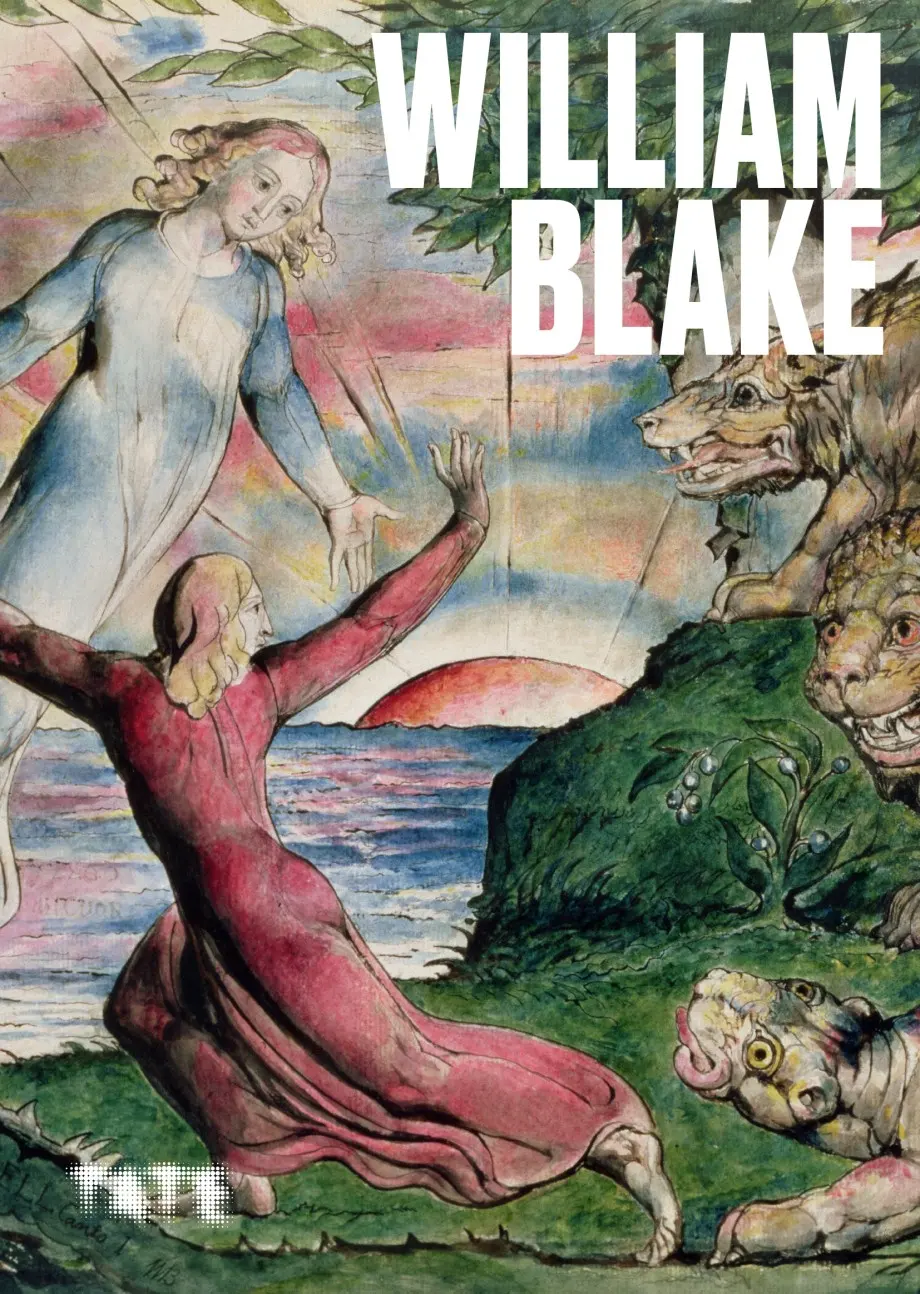
If you want to explore Blake’s visual art, focus on his series of watercolor illustrations for other authors, such as John Milton’s Paradise Lost or the Book of Job. These works demonstrate his mastery of color and his ability to interpret complex theological themes through human figures. His art is characterized by elongated limbs, muscular forms, and a sense of dynamic movement that prefigures the Expressionist movement.
You can view many of these works through digital archives provided by major institutions like the Tate Gallery or the British Museum. These platforms allow you to zoom in on the fine details of his etchings, which are often missed in printed books. Whether you are interested in his political radicalism, his mystical insights, or his innovative printmaking techniques, engaging with his work requires a willingness to look beyond the surface of the page. By combining his visual and literary output, you will gain a deeper appreciation for one of history's most original creative minds.
Key facts
- William Blake (1757–1827) was an English poet, painter, and printmaker who remained largely unrecognized during his lifetime.
- He is best known for his unique "relief etching" process, which allowed him to combine text and hand-colored illustrations on a single page.
- His most famous poetry collection, Songs of Innocence and of Experience, explores the contrasting states of the human soul.
- He was a visionary artist who claimed to see angels and spirits throughout his life, which heavily influenced his complex, symbolic mythology.
- Blake’s poem "Jerusalem" became a beloved English hymn, famously featuring the line about "dark Satanic Mills."
- To study his work, focus on the visual plates, as Blake intended the images and text to be read as a unified artistic experience.
The bottom line
William Blake stands as a singular figure in English literature and art, remembered for his revolutionary integration of poetry and visual design. Although ignored by his peers, his profound exploration of human nature, social injustice, and spiritual vision has secured his legacy. By viewing his work as a holistic marriage of word and image, readers can fully grasp the imaginative depth of his enduring creative output.
People also ask
Was William Blake a successful artist during his life?
No, Blake lived in relative poverty and obscurity. He struggled to find commercial success and was often dismissed by his contemporaries as eccentric or insane.
What is the significance of "The Tyger"?
"The Tyger" is one of Blake’s most famous poems, questioning how a creator could fashion both the gentle lamb and the fearsome tiger. It highlights his fascination with duality and the nature of divine creation.
Did Blake belong to a specific artistic movement?
He is often associated with the Romantic movement due to his emphasis on imagination and emotion. However, his highly individualistic style and personal mythology make him difficult to categorize within any single school.
Why are his books so rare?
Blake hand-produced his own books in very limited quantities using his proprietary etching method. Because each copy was hand-colored, no two editions are exactly the same, making them highly prized by collectors.
What are the "Prophetic Books"?
These are longer, more complex works like The Marriage of Heaven and Hell and Milton. They contain his intricate personal mythology and philosophical critiques of organized religion and industrial society.
How can a beginner start reading William Blake?
Start with Songs of Innocence and of Experience, as the poems are shorter and more accessible. Look for digital archives that display the original hand-colored plates to appreciate how the art interacts with the verse.
This answer was created with the help of AI research tools and reference sources. Spotted an error? Let us know — we correct mistakes quickly. See our editorial policy.