What is Cy Twombly known for?
Short answer
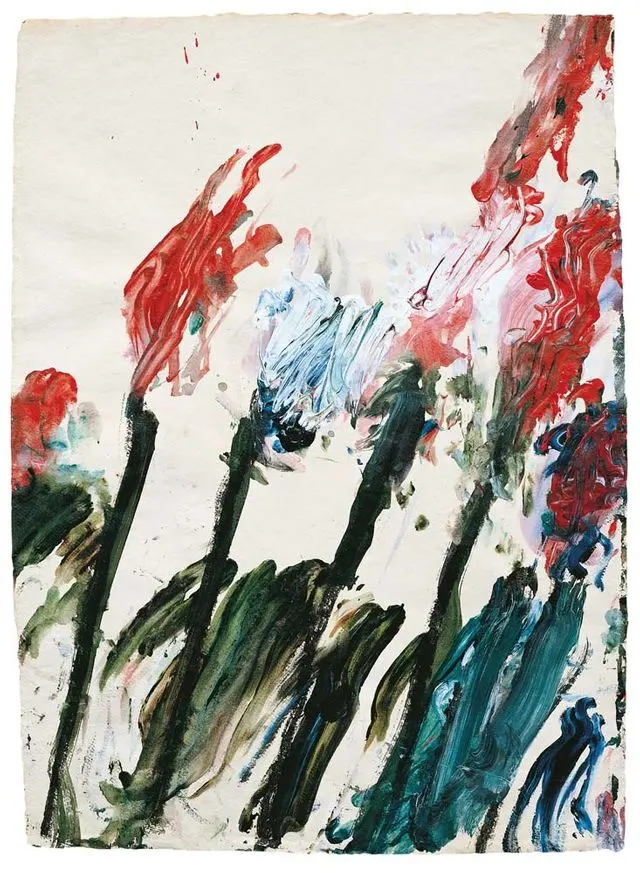
Cy Twombly is best known for his large-scale, gestural paintings that blur the boundaries between drawing and painting. His signature style features scribbled lines, calligraphic marks, and layered paint, often inspired by classical mythology, poetry, and literature. These abstract works challenged traditional notions of composition and expressive mark-making in contemporary art.
On this page
What is Cy Twombly’s artistic style?
Cy Twombly’s aesthetic is defined by a raw, spontaneous approach that mimics the fluidity of handwriting. Unlike the rigid structure of traditional painting, his canvases often appear as chaotic webs of pencil lines, crayon marks, and drips of house paint. He frequently utilized a muted palette of whites, grays, and beiges, which allowed the texture of his layered marks to take center stage. This style, often termed "lyrical abstraction," transformed the canvas into a surface for recording physical movement rather than representing physical objects.
His work is deeply rooted in the concept of the "mark," treating the act of painting as a primal, almost rhythmic process. By stripping away representational imagery, he invited viewers to engage with the energy of the stroke itself. His approach remains a cornerstone of 20th-century art history because it successfully synthesized the spontaneity of Abstract Expressionism with a more intellectual, literary sensibility. His influence persists in how artists today view the relationship between text, gesture, and the physical surface of a painting.
How to understand Cy Twombly’s paintings
To appreciate Twombly’s work, it is helpful to look past the initial appearance of "scribbles" and consider the intellectual weight behind them. Much of his output is deeply embedded in the history of the Mediterranean, particularly the myths and poets of ancient Greece and Rome. He often inscribed names, phrases, or fragments of verse directly onto the canvas, turning the painting into a palimpsest of historical memory. When viewing his work, consider the following elements:
- The scale of the work, which often forces the viewer to confront the physical reach of the artist.
- The repetition of marks, which suggests a meditative or obsessive state of mind.
- The use of negative space, which provides a necessary pause amidst the dense clusters of lines.
By focusing on these details, you can begin to see his paintings as visual poems. They are not meant to be read as literal stories but rather experienced as atmospheres that evoke the passage of time and the fragility of human expression.
Why Cy Twombly’s work is controversial
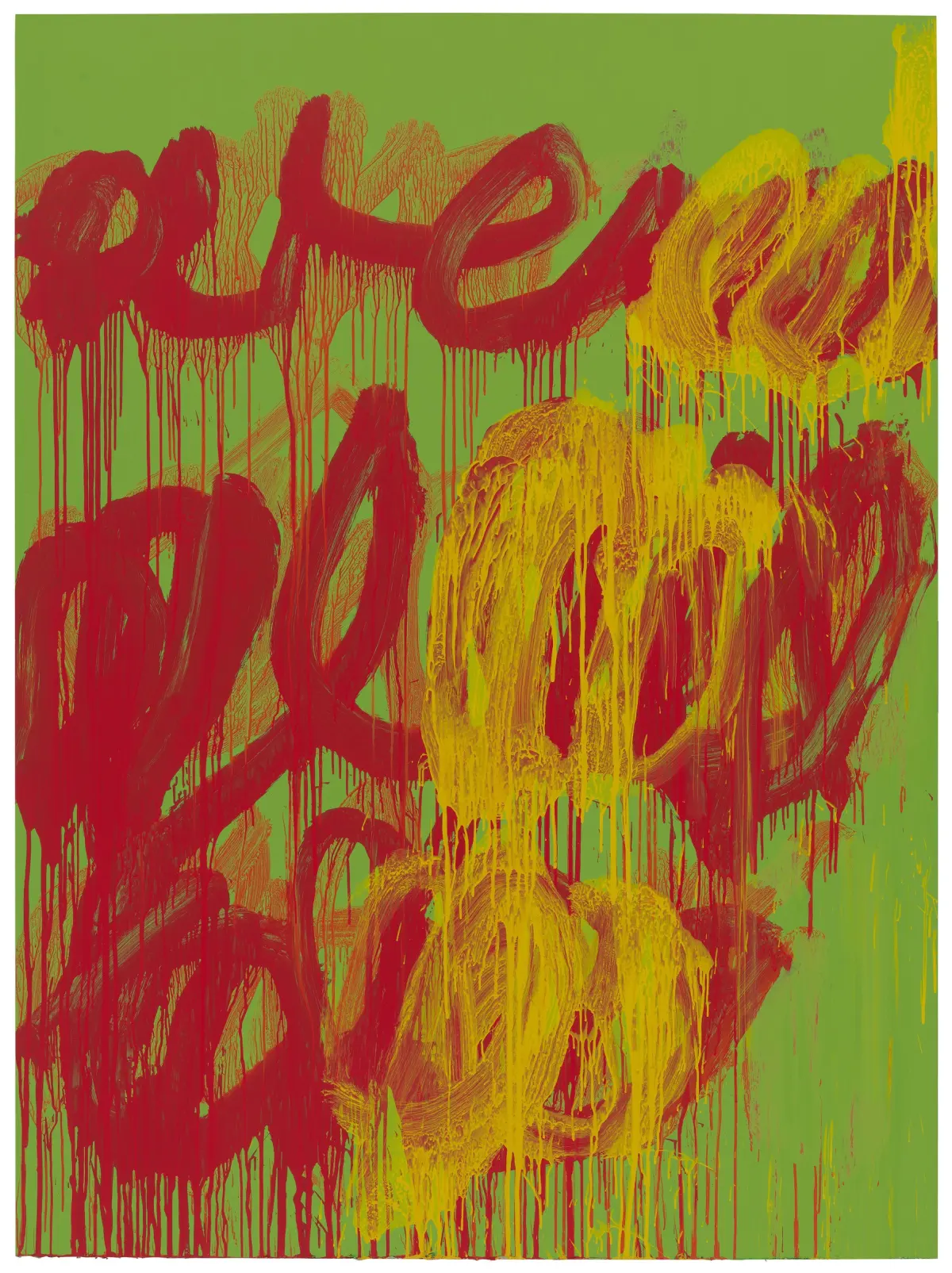
Twombly’s work has frequently polarized critics and the general public, largely because it challenges the technical standards associated with traditional fine art. Because his paintings often resemble the erratic drawings of a child, many observers have historically dismissed them as lacking skill or intentionality. This skepticism reached a peak in the 1960s and 70s, as his work moved further into abstraction and away from the recognizable forms that audiences were accustomed to seeing in galleries.
However, supporters argue that the "simplicity" of his work is a deliberate choice made by a highly trained artist. Twombly understood the history of painting intimately; his choices were calculated to strip away the artifice of traditional composition. The controversy surrounding his work often highlights a fundamental debate in art: whether the value of a piece lies in the visible labor and technical precision of the artist, or in the conceptual and emotional resonance it creates for the viewer.
Common mistakes when interpreting his art
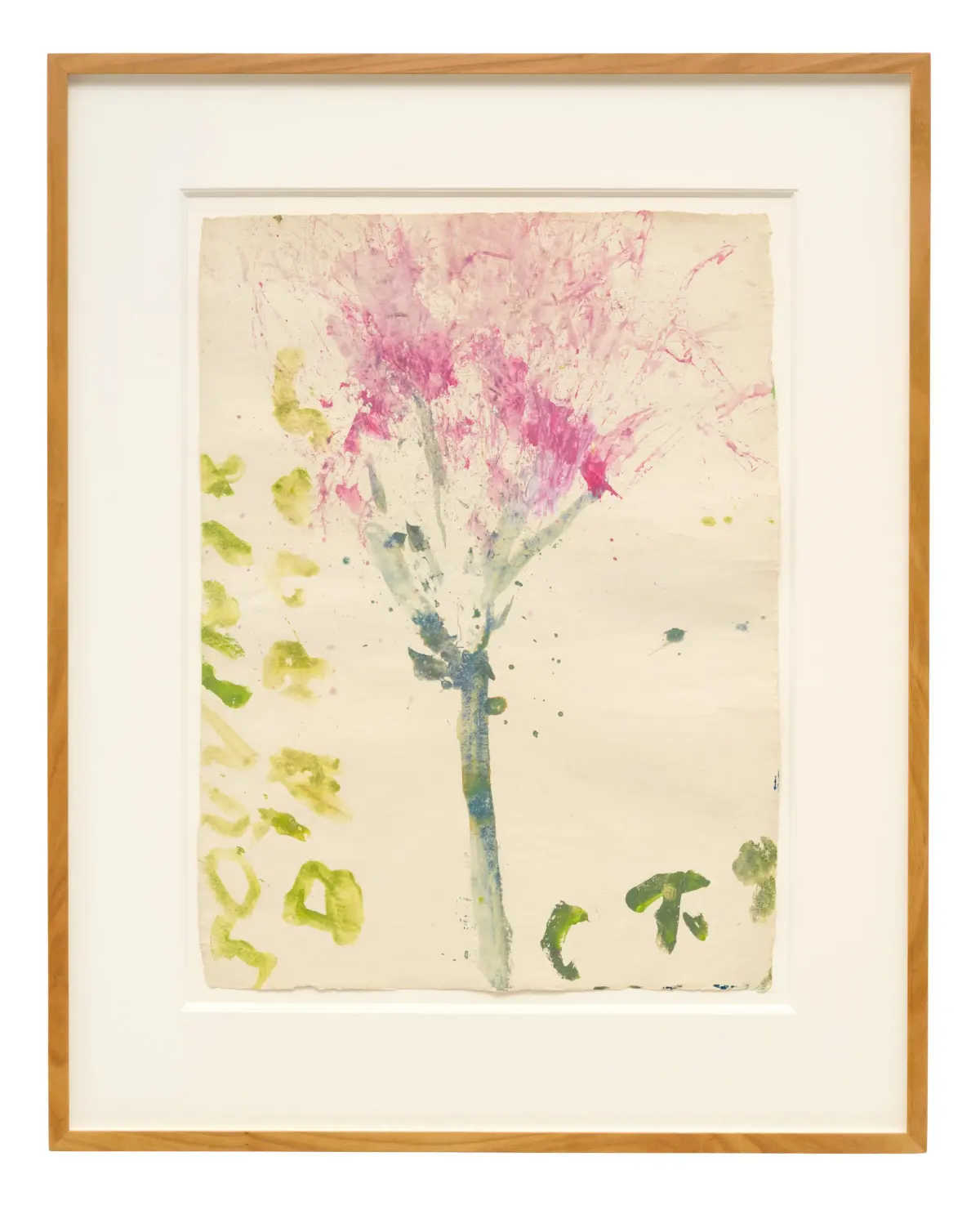
When approaching Twombly’s work, viewers often fall into traps that prevent a deeper understanding of his contributions. One of the most common errors is attempting to find a clear, narrative meaning within the scribbles. Because he often included words or names, viewers may feel compelled to translate these into a coherent message. In reality, the text is often used as a formal element—a texture or a rhythm—rather than a direct statement.
- Do not look for a focal point or a traditional subject matter, as this will lead to frustration.
- Avoid comparing his work to realistic portraits or landscapes, as his goals were entirely different.
- Ignore the temptation to judge the work based on how "easy" it would be to replicate.
- Focus on the relationship between the marks and the background, rather than the individual lines.
By avoiding these pitfalls, you allow yourself to experience the work on its own terms. The goal is not to "solve" the painting, but to observe how the artist’s hand interacted with the canvas during the creative process.
Where to see Cy Twombly’s work today
For those interested in viewing his work firsthand, several major institutions house significant collections of his paintings and sculptures. The Cy Twombly Gallery in Houston, Texas, is perhaps the most immersive experience, as it was designed specifically to house his work in a space that complements his aesthetic. Other essential locations include the Museum of Modern Art in New York and the Tate Modern in London, both of which hold pivotal pieces from his career.
When visiting these museums, try to spend time in front of a single large-scale canvas. Because his works rely on the accumulation of small, subtle marks, they often reveal new layers of depth the longer you observe them. Whether you find his work chaotic or profound, it is undeniable that Twombly changed the trajectory of contemporary art by proving that a simple line could carry the weight of history, emotion, and human experience. His legacy remains a testament to the power of minimalist, gestural expression in a modern world.
Key facts
- Cy Twombly (1928–2011) was an American painter and sculptor famous for his large-scale, calligraphic, and graffiti-like works.
- He moved to Rome in 1957, where the city’s classical history and Mediterranean light deeply influenced his artistic style.
- His signature aesthetic involves scribbles, drips, and scrawls that resemble handwriting but often lack decipherable linguistic meaning.
- Twombly’s "Blackboard" series from the late 1960s features white loops repeated across dark gray canvases, mimicking the motion of writing.
- When viewing his art, try to focus on the rhythmic energy and emotional gesture rather than searching for a literal narrative or hidden message.
- Avoid the common mistake of dismissing his work as "childish" by considering the physical intensity and deliberate composition required to create his expansive, layered surfaces.
The bottom line
Cy Twombly transformed the act of mark-making into a profound exploration of history, memory, and physical gesture. By blending the spontaneity of graffiti with the intellectual weight of classical literature, he created a unique visual language that challenges viewers to look beyond literal representation. His work remains a testament to the power of pure expression, proving that simple lines can evoke complex human emotions and experiences.
People also ask
Did Cy Twombly belong to a specific art movement?
Twombly is often associated with Abstract Expressionism, though he resisted labels. His work shares the gestural intensity of that movement while incorporating elements of Minimalism and Conceptual art.
Why are his paintings often so expensive?
His works are highly prized by collectors and museums due to their historical significance and rarity. In 2015, one of his "Untitled" blackboard paintings sold for over $70 million at auction.
What materials did he typically use?
He frequently used oil paint, wax crayon, pencil, and house paint on canvas. This combination allowed him to create varied textures, from delicate, thin lines to thick, heavy impasto.
Are his sculptures similar to his paintings?
Yes, his sculptures are often monochromatic and appear fragile or weathered. They frequently incorporate found objects like wood, plaster, and metal, reflecting his interest in classical antiquity.
How should a beginner approach his art?
Approach his work as you would instrumental music. Instead of looking for a story, pay attention to the speed of the marks, the balance of the composition, and the overall mood of the piece.
Did he ever paint realistic subjects?
While his work is primarily abstract, he often referenced classical mythology, literature, and poetry. Titles such as "Leda and the Swan" or "Fifty Days at Iliam" provide thematic anchors for his abstract mark-making.
This answer was created with the help of AI research tools and reference sources. Spotted an error? Let us know — we correct mistakes quickly. See our editorial policy.