How do you draw a cute penguin?
Short answer
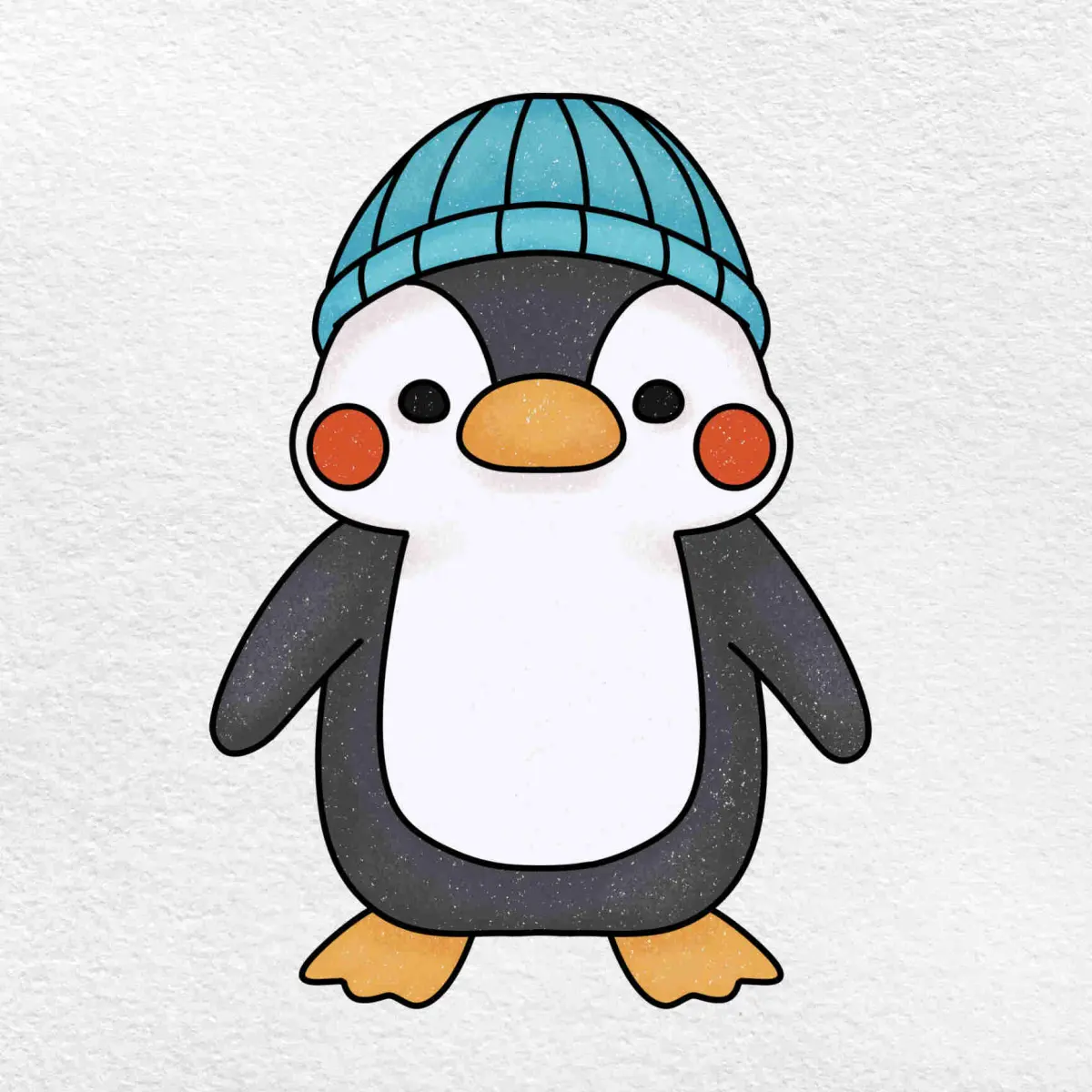
Drawing a cute penguin involves building a character from simple, rounded geometric shapes. By focusing on a large oval body, a smaller head, and oversized eyes, you create an endearing aesthetic. Using soft curves instead of sharp angles enhances the "cuddly" appearance, making the final illustration look friendly, approachable, and professional.
On this page
How to draw a cute penguin step by step
Creating a charming penguin begins with establishing a balanced silhouette using basic shapes. Start by sketching a large, vertical oval for the body and a slightly smaller circle on top for the head. Ensure the head overlaps the body slightly to create a cohesive, organic form. Once the framework is set, add two small, teardrop-shaped flippers on the sides and two short, rounded feet at the base.
Refining the details is the next phase of the process. Follow these steps to complete the character:
- Draw two large, circular eyes near the center of the head to emphasize a youthful, cute expression.
- Add a small, inverted triangle between the eyes to serve as the beak.
- Outline a heart-shaped or rounded white patch on the chest to distinguish the penguin's belly.
- Erase the overlapping construction lines to leave a clean, smooth silhouette.
- Add subtle highlights in the pupils to give the eyes a bright, lively sparkle.
Best drawing tools for beginners
For those just starting, using a graphite pencil with a medium hardness, such as an HB or 2B, is ideal. These pencils allow you to sketch light construction lines that are easy to erase once you finalize the shape. A high-quality white vinyl eraser is essential for removing mistakes without damaging the paper surface, ensuring your final drawing remains clean and professional.
If you prefer digital tools, a tablet with a pressure-sensitive stylus provides excellent control over line weight. Varying the thickness of your lines can add depth and character to the penguin. Whether working on paper or a screen, keep your initial strokes light and loose. This approach prevents you from committing to rigid shapes too early, allowing for adjustments as you build the character’s proportions and overall personality.
Why round shapes look cuter
The perception of "cuteness" in animal illustration is deeply rooted in the "baby schema," a concept identified by ethologist Konrad Lorenz in the 1940s. Humans are biologically predisposed to find features like large eyes, rounded cheeks, and soft, chubby proportions endearing. By applying these principles to your penguin, you trigger a positive psychological response that makes the character feel safe and lovable to the viewer.
To maximize this effect, avoid using straight lines or sharp, aggressive angles. Every part of the penguin, from the curve of its belly to the arc of its head, should be composed of soft, continuous curves. Even the feet should be rounded rather than pointed. By softening the silhouette and exaggerating the scale of the eyes relative to the head, you transform a realistic bird into a stylized, iconic character that resonates with audiences of all ages.
Common mistakes when drawing penguins
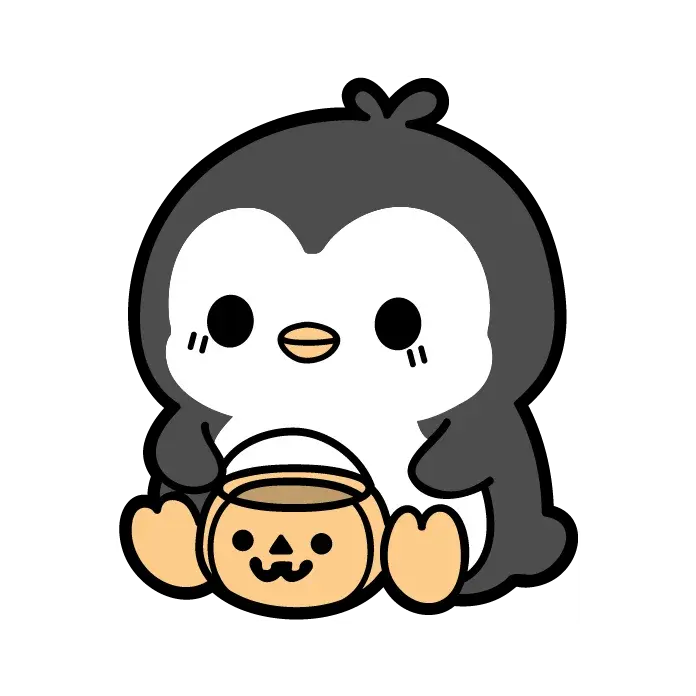
A frequent error is placing the eyes too far apart or too high on the head. When eyes are positioned near the top, the character loses its youthful appearance and can look unnatural or distorted. Aim to place the eyes slightly below the horizontal midline of the head to maintain a balanced, cute look. Another common mistake is making the flippers too long or thin, which can detract from the penguin's signature stout, compact physique.
Avoid these common pitfalls to improve your results:
- Drawing the beak too large, which can overwhelm the face and make the penguin look stern.
- Using heavy, dark outlines for the entire body, which can make the character look flat and cartoonish.
- Forgetting to leave white space in the eyes, which removes the "sparkle" and makes the character appear dull.
- Creating a neck that is too long; penguins are known for their squat, neckless appearance, which is central to their charm.
How to add personality to your penguin
Once you have mastered the basic form, you can introduce personality through small, deliberate adjustments. Changing the angle of the eyes or the curve of the mouth can instantly shift the penguin's mood from curious to happy or surprised. Accessories, such as a small scarf or a bow tie, are also excellent ways to tell a story about your character without needing to change the fundamental anatomy of the penguin.
Experimenting with posture is another effective technique for adding life to your drawing. Instead of standing perfectly straight, tilt the head slightly to one side or have the penguin lean forward as if it is investigating something interesting. These subtle shifts in body language make the character feel active and engaged. By combining these expressive elements with the foundational techniques of rounded shapes and large eyes, you can create a unique, memorable penguin that stands out in any sketchbook or illustration project.
Key facts
- Penguins have a distinct teardrop-shaped body that serves as the foundation for a cute drawing.
- Use a large oval for the body and a smaller circle for the head to establish proper proportions.
- Place the eyes close together near the center of the head to create a youthful, endearing expression.
- Simplify wing shapes into small, rounded triangles or flippers tucked against the sides.
- Add a small, orange triangle for the beak to provide a pop of color against the black and white feathers.
- Keep lines soft and rounded rather than sharp or angular to maintain the "cute" aesthetic.
The bottom line
Drawing a cute penguin relies on mastering simple, rounded geometric shapes and maintaining compact proportions. By focusing on large, expressive eyes and a soft, teardrop body, you can create a character that feels both endearing and professional. Avoid overly complex details or sharp, rigid lines, as these can detract from the intended charm. With consistent practice, these basic steps will help you develop your own unique illustrative style.
People also ask
What is the best medium for drawing cartoons?
Graphite pencils are ideal for beginners because they allow for easy erasing and refining of shapes. Once the sketch is complete, fine-tip ink pens or markers help define the final outlines for a clean, professional look.
How do I make my penguin look friendly?
Focus on the eyes by drawing large, circular pupils with small white highlights inside. A slight upward curve for the mouth or a small blush mark under the eyes also conveys a cheerful personality.
Should I use realistic colors for a cute penguin?
While penguins are naturally black, white, and orange, you can use softer shades like slate gray or navy blue to make the character feel less harsh. Adding subtle highlights with a white gel pen adds depth and charm.
How do I draw the feet correctly?
Penguins have webbed, paddle-like feet that are best represented by simple, three-toed shapes. Keep them small and slightly pointed outward to give the character a waddling, playful stance.
What are common mistakes when drawing penguins?
A frequent error is making the neck too long, which ruins the compact, chubby silhouette typical of penguins. Another mistake is placing the eyes too far apart, which makes the face look stretched and less cartoonish.
How can I add accessories to my drawing?
Simple items like a small scarf or a winter hat emphasize the cold-weather environment. Keep these accessories oversized relative to the penguin to enhance the cute, exaggerated proportions of the character.
This answer was created with the help of AI research tools and reference sources. Spotted an error? Let us know — we correct mistakes quickly. See our editorial policy.