What are cute things to draw?
Short answer
Cute drawings typically feature simplified, rounded shapes, large eyes, and exaggerated proportions. Popular subjects include chibi-style animals, miniature food items, kawaii-inspired stationery, and cozy household objects. These designs prioritize emotional appeal and accessibility, making them perfect for beginners who want to practice basic sketching techniques while creating charming, lighthearted visual art.
On this page
What are the best cute things to draw for beginners?
The most effective starting point for cute art is the "chibi" style, which emphasizes a large head-to-body ratio. By focusing on simple geometric foundations like circles and ovals, you can quickly sketch recognizable characters. Start with a large circle for the head and a smaller, soft oval for the body. This structure provides a stable base for adding expressive features.
Common subjects for those just starting include:
- Round, fluffy animals like kittens or bunnies with oversized ears.
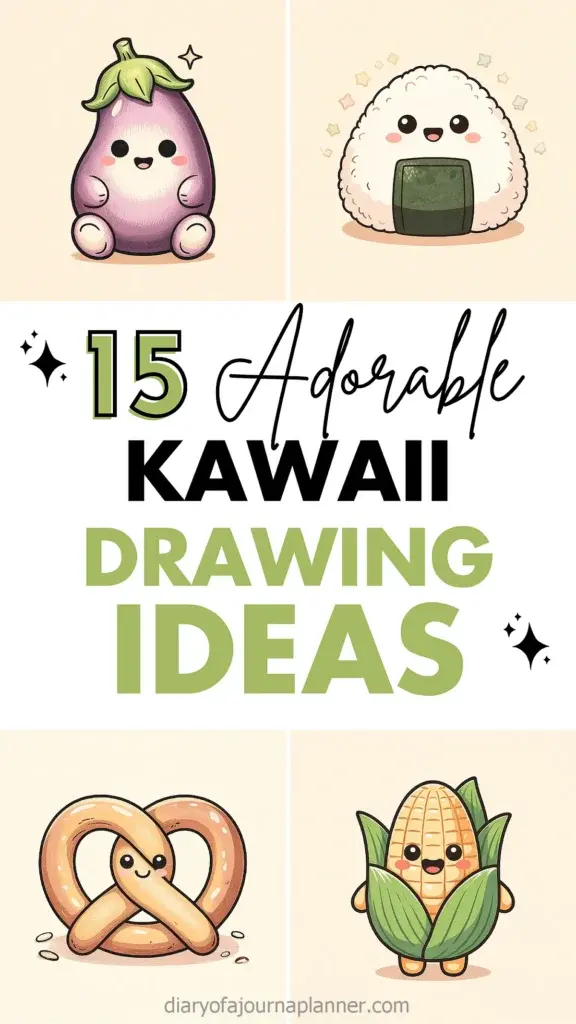
- Kawaii-style food, such as a smiling slice of pizza or a boba tea cup.
- Anthropomorphic inanimate objects, like a toaster with a face or a potted succulent.
- Simple stars, hearts, and clouds with blushing cheeks.
Focusing on these subjects allows you to practice line weight and symmetry without the pressure of complex anatomy. Keep your lines clean and avoid over-detailing, as simplicity is the hallmark of the "cute" aesthetic.
How to draw cute animals with big eyes
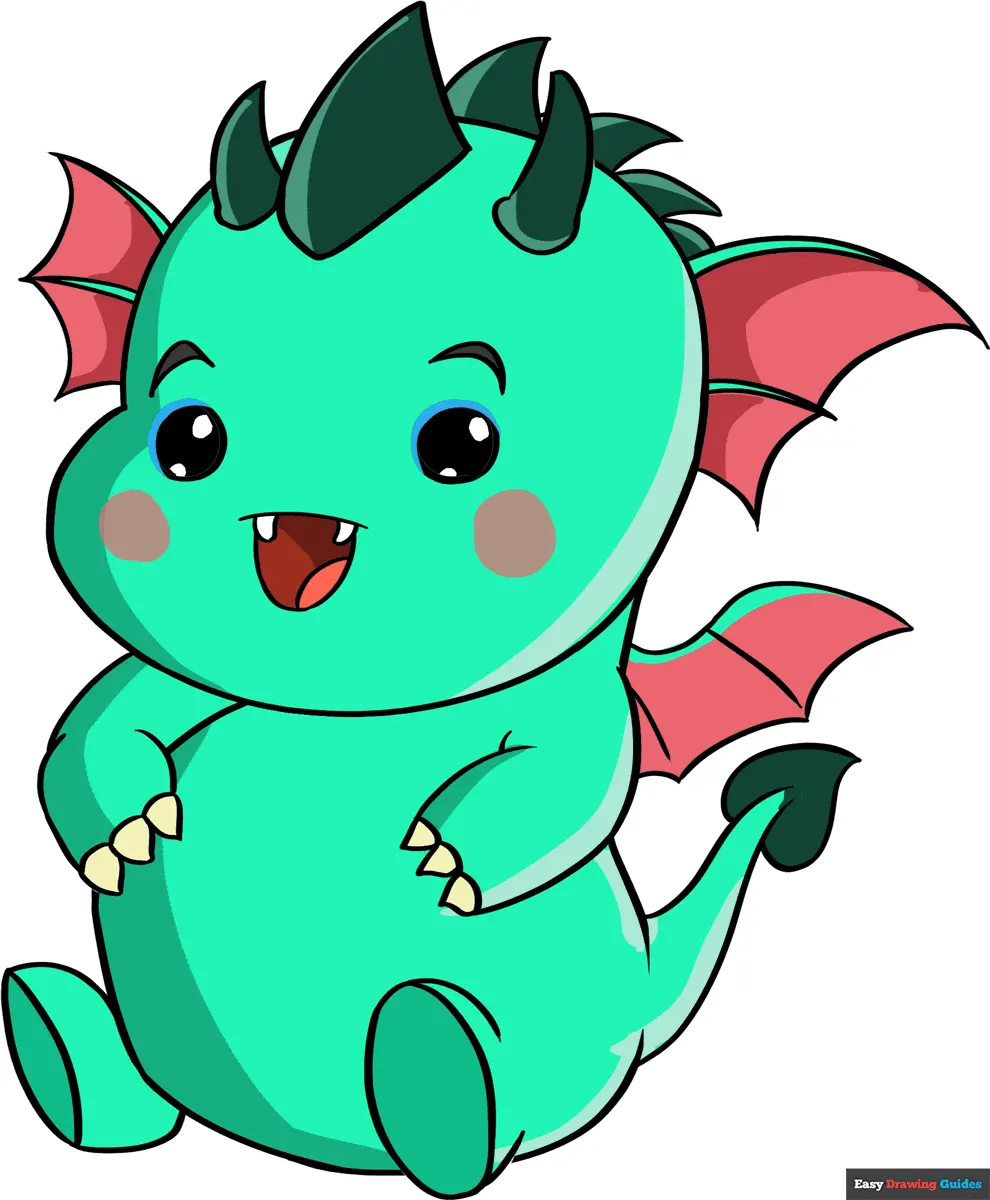
The secret to making any animal look cute is the "baby schema" or kindchenschema. This biological concept suggests that humans are hardwired to respond positively to features like large eyes, high foreheads, and rounded limbs. When drawing animals, position the eyes low on the face and keep them significantly larger than they would be in reality.
Follow these steps to create a simple cute animal:
- Draw a large, slightly squashed circle for the head.
- Place two large, dark circles for eyes in the lower third of the face, leaving a wide gap between them.
- Add a tiny, inverted triangle for the nose directly between the eyes.
- Draw small, rounded ears at the top of the head.
- Add a small, curved line for a smile beneath the nose.
By keeping the limbs stubby and the body rounded, you enhance the sense of vulnerability and charm. Avoid sharp angles or jagged lines, as these create a more aggressive or realistic appearance.
Why do rounded shapes look cuter than sharp ones?
Psychologically, humans associate sharp, jagged edges with danger or potential injury. Conversely, rounded, soft shapes mimic the appearance of infants and plush toys, which trigger a protective and nurturing response. When you draw, replacing hard corners with soft curves immediately makes your subject feel more approachable and friendly.
This principle applies to everything from character design to inanimate objects. If you are drawing a house, make it look cozy by curving the roofline and softening the corners of the windows. If you are drawing a piece of fruit, ensure the edges are smooth rather than textured.
To maximize this effect:
- Use thick, smooth outlines to define the subject.
- Incorporate "blush" marks, which are small pink ovals under the eyes, to add a sense of shyness.
- Use pastel color palettes, as softer tones are perceived as less threatening than high-contrast, primary colors.
Common mistakes when drawing cute characters
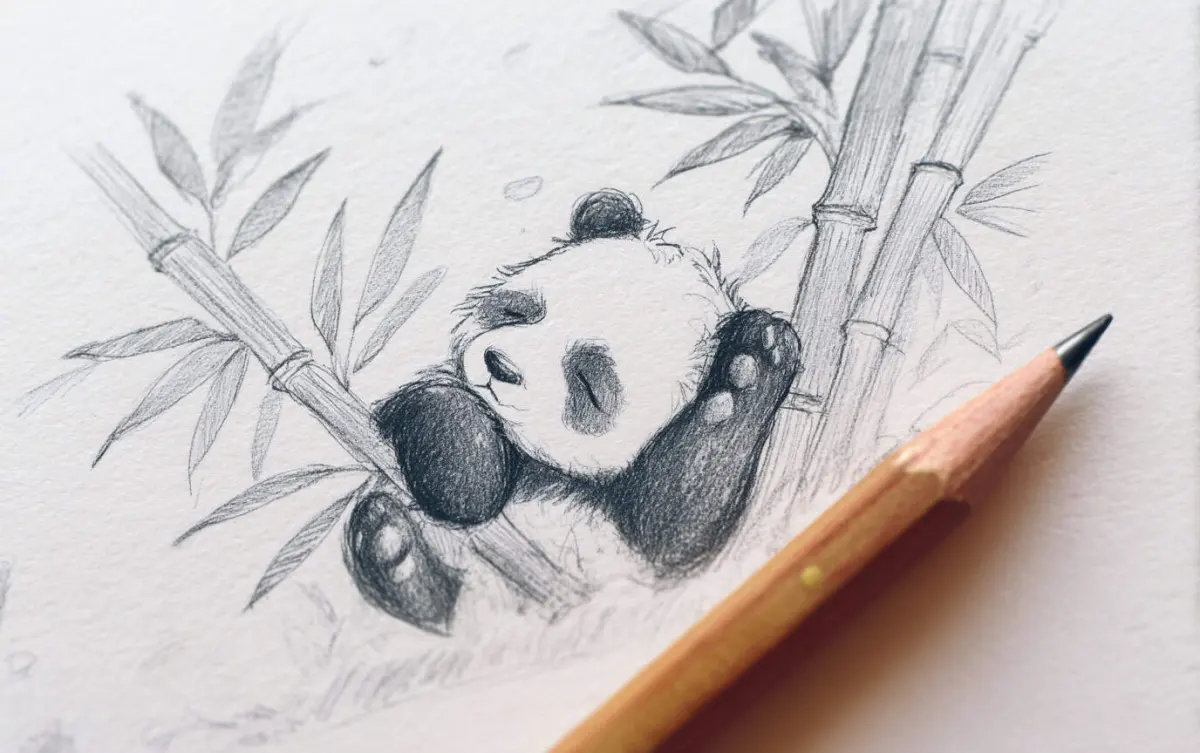
One frequent error is overcrowding the drawing with too much detail. Cute art relies on negative space and clean lines to convey personality. If you add too many textures, fur patterns, or background elements, you lose the simplicity that makes the character endearing. Stick to the essential features and let the character’s expression do the work.
Another mistake is inconsistent proportions. If the head is large but the eyes are tiny, the balance of the "cute" aesthetic is disrupted. Always check that your proportions remain consistent across your character's body. If you are drawing multiple characters, ensure they follow the same stylistic rules so they look like they belong in the same world. Finally, avoid using overly complex shading; simple, flat colors or soft gradients are usually sufficient for this style.
How to add personality to cute drawings
Once you have mastered the basics, you can add personality through accessories and expressions. A simple character becomes a story when you give them a prop, such as a tiny backpack, a bow, or a favorite snack. These elements help the viewer understand the character's interests and mood, making the drawing feel more alive and relatable.
Consider these ways to elevate your sketches:
- Give your character a specific hobby, like a cat holding a paintbrush.
- Use exaggerated facial expressions, such as wide, sparkling eyes for excitement or a small, wavy line for confusion.
- Place your character in a simple, cozy environment, like sitting on a large, soft pillow.
Remember that the goal is to evoke a positive emotional reaction. By experimenting with different poses and small, meaningful details, you can transform a basic sketch into a charming piece of art that resonates with anyone who sees it.
Key facts
- Use the "kawaii" style by drawing large, circular eyes placed low on a character's face to create an immediate sense of cuteness.
- Simplify complex shapes into basic geometric forms like circles, ovals, and soft triangles to make subjects appear approachable.
- Incorporate "chibi" proportions by making the head roughly the same size as the body to emphasize a youthful, endearing appearance.
- Add small, rosy ovals beneath the eyes to suggest blushing, which is a universal visual cue for shyness or sweetness.
- Use a limited, pastel-heavy color palette to evoke a soft, gentle mood that contrasts with harsh, high-contrast colors.
- Draw thick, rounded outlines with minimal sharp corners to make your subjects feel tactile and harmless.
The bottom line
Drawing cute subjects is an accessible artistic pursuit that relies on simplifying shapes, exaggerating features, and using soft, rounded lines. By focusing on large eyes, compact proportions, and gentle expressions, you can transform almost any object or animal into an endearing character. Practice consistency in your line work and keep your designs uncluttered to master the aesthetic, ensuring your drawings remain visually appealing and emotionally resonant.
People also ask
What are the easiest cute animals to draw for beginners?
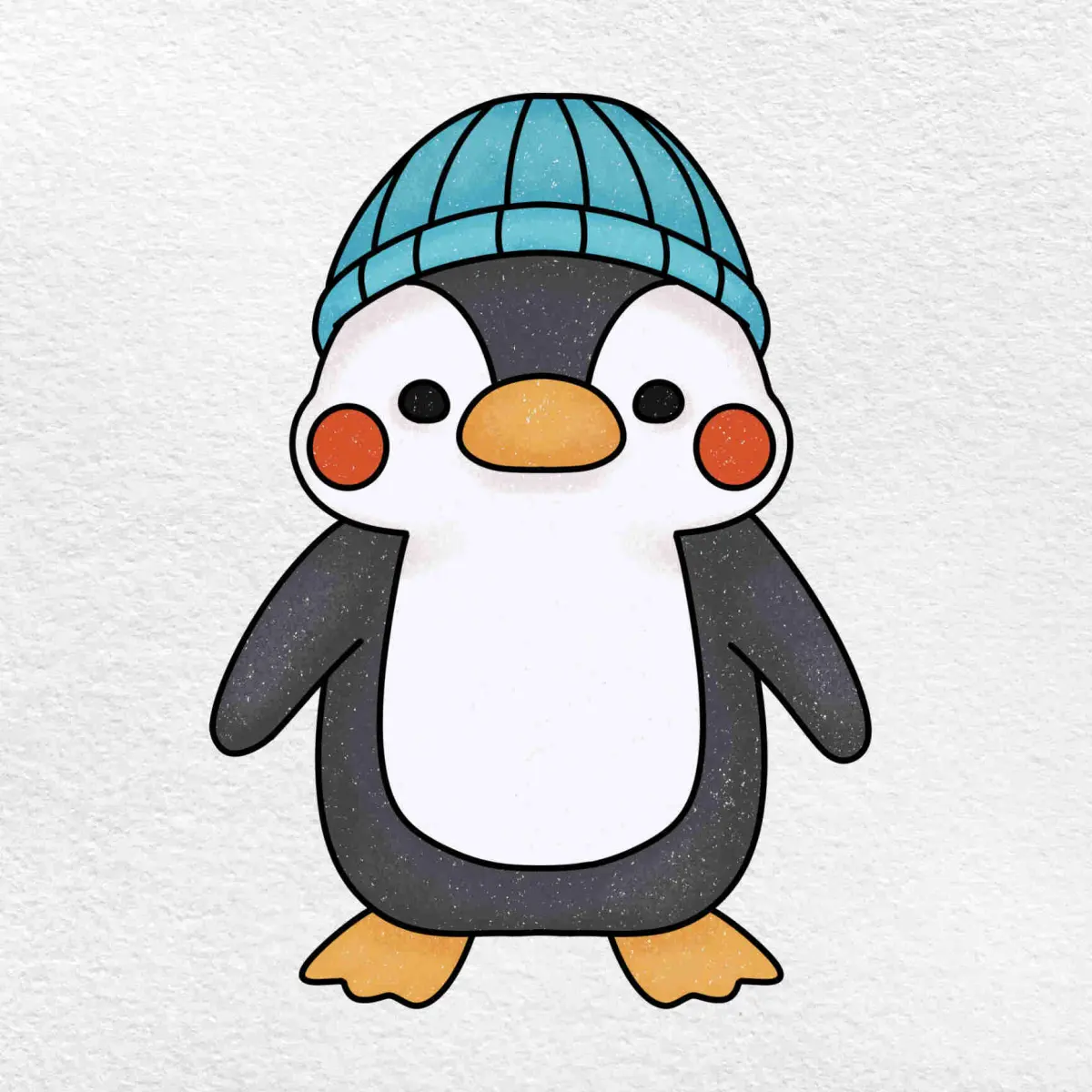
Cats, bunnies, and penguins are the most accessible subjects because they rely on simple circular shapes. A cat is essentially two circles for the head and body with two triangles for ears.
How do I make inanimate objects look cute?
The most effective method is "anthropomorphism," which involves adding a face to non-living items like coffee mugs, clouds, or slices of toast. Give the object two dots for eyes and a small curved line for a mouth to instantly give it personality.
What common mistakes should I avoid when drawing cute characters?
A frequent error is making the limbs too long or thin, which ruins the "chibi" aesthetic. Avoid using overly complex shading or jagged lines, as these create a sense of realism or aggression that detracts from the intended cuteness.
Should I use ink or pencil for cute drawings?
Start with a light pencil sketch to establish your proportions, then finalize the work with a smooth, dark ink pen. A consistent line weight helps maintain a clean, professional look that is common in modern character design.
Why does adding a small highlight to the eyes matter?
Adding a tiny white circle inside the pupil creates a "sparkle" effect that makes the character appear lively and expressive. This simple detail is the most important factor in making a character feel emotionally connected to the viewer.
Can I draw cute things if I am not good at anatomy?
Yes, because cute art prioritizes stylized, exaggerated features over realistic human proportions. You do not need to understand complex muscle structures to draw a charming character, as long as you maintain balance and symmetry.
This answer was created with the help of AI research tools and reference sources. Spotted an error? Let us know — we correct mistakes quickly. See our editorial policy.