How do you draw a cute giraffe?
Short answer
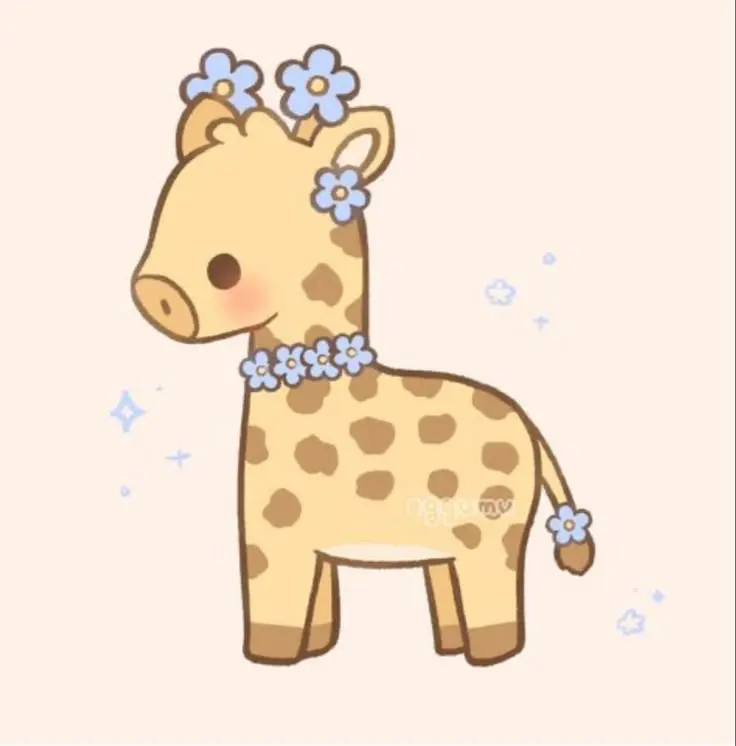
Drawing a cute giraffe involves simplifying its anatomy into rounded, oversized shapes. Focus on a large head, big expressive eyes, and a short, sturdy neck to emphasize the "cute" aesthetic. By using soft curves instead of sharp angles, you create an approachable character suitable for cartoons, illustrations, or casual sketching projects.
On this page
How to draw a cute giraffe step by step
To begin your drawing, focus on basic geometric shapes that emphasize the animal's signature features. Start by sketching a large, soft oval for the head and a smaller, rounded rectangle for the muzzle. Place two large circles near the center of the head for the eyes, leaving plenty of space for wide pupils that make the character look friendly.
- Draw a large oval for the head and a smaller, rounded shape for the snout.
- Add two large circles for eyes and small, rounded triangles for ears on top.
- Sketch a thick, short neck to maintain a "chibi" or stylized proportion.
- Add two small, rounded horns, known as ossicones, on the top of the head.
- Finish by adding a simple body with four short, stout legs and a small tail.
Keep your lines light during this initial phase so you can easily adjust the proportions. Remember that "cuteness" in animal illustration often relies on exaggerated features like oversized eyes and a rounded forehead.
Best drawing tools for beginners
For those just starting, using a graphite pencil with a soft lead, such as a 2B, is ideal. These pencils allow for smooth, dark lines that are easy to control, making them perfect for sketching the rounded curves of a giraffe. Pair your pencil with a high-quality white vinyl eraser, which will clean up stray marks without damaging the texture of your drawing paper.
- 2B or HB graphite pencils for sketching and shading.
- A kneaded eraser to lift away mistakes gently.
- Smooth-surface sketchbook paper to prevent graphite smudging.
- Fine-liner pens for tracing your final clean lines.
If you prefer working with color, colored pencils or alcohol-based markers are excellent choices. Markers provide a vibrant, flat look that works well for cartoon styles, while colored pencils allow for subtle gradients on the giraffe's spots. Always test your colors on a scrap piece of paper first to ensure they complement the warm, earthy tones typical of a giraffe’s coat.
Why proportions matter for cute characters
In character design, the "baby schema" or kindchenschema is a psychological principle that suggests humans find features resembling infants to be inherently cute. When drawing your giraffe, you should intentionally deviate from the realistic, long-necked anatomy of the actual animal. By shortening the neck and enlarging the head relative to the body, you tap into these biological triggers that make viewers perceive the drawing as endearing rather than intimidating.
Focusing on roundness is essential to this process. Sharp, angular lines often convey speed, danger, or aggression, whereas soft, circular forms convey safety and playfulness. If your giraffe looks too realistic, try rounding out the jawline and making the nose slightly more bulbous. Even the spots should be drawn as soft, irregular circles rather than jagged polygons. By prioritizing these rounded shapes, you ensure that the final character maintains a consistent, friendly aesthetic throughout the entire illustration.
Common mistakes when drawing giraffes
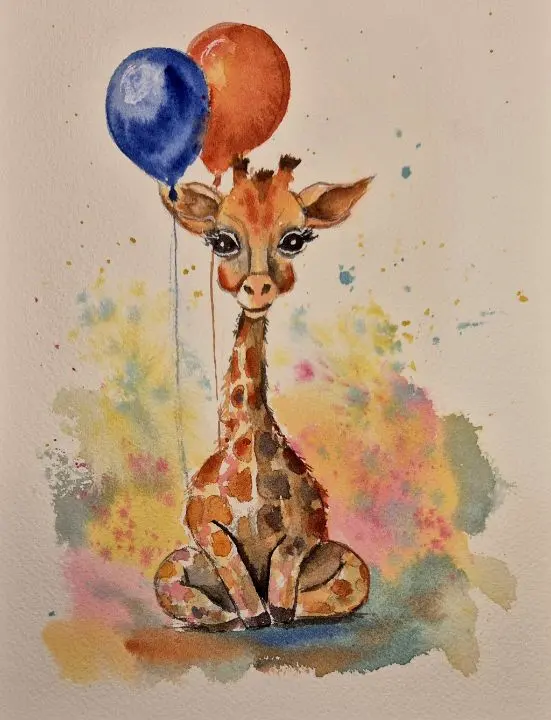
One of the most frequent errors is making the neck too long and thin, which can make the character look awkward or fragile. While giraffes are famous for their height, a "cute" version should feel compact and sturdy. Another common mistake is placing the eyes too far apart or too small. Wide-set, large eyes are a staple of cute design; if the eyes are too tiny, the giraffe may lose its expressive, approachable quality.
- Forgetting to add the ossicones, which are the small, fur-covered horns on a giraffe's head.
- Drawing the spots as perfect, uniform circles, which can look unnatural.
- Neglecting the tuft of hair at the end of the tail or on the ossicones.
- Making the legs too thin, which makes the character look unstable.
Always check your spacing before finalizing your lines. If the head feels disconnected from the body, try widening the base of the neck where it meets the shoulders. This creates a more grounded, stable appearance that reinforces the character's charm.
How to add personality to your drawing
Once the basic structure is complete, you can add personality through facial expressions and unique markings. A small, curved line for a smile or slightly tilted eyebrows can instantly change the giraffe’s mood from shy to happy or curious. Consider adding a small tuft of hair between the ears or giving the giraffe a playful pose, such as tilting its head to one side or waving a hoof.
The spots themselves also offer a great opportunity for characterization. You can vary the size and placement of these patches to make your giraffe feel unique. Some artists choose to place a single, heart-shaped spot on the giraffe's chest or forehead to emphasize the theme of cuteness. Finally, adding a soft blush under the eyes using a light pink pencil or marker can add a final touch of warmth to the character. Experimenting with these small details allows you to transform a simple sketch into a memorable, expressive piece of art that truly stands out.
Key facts
- Giraffes are the tallest land mammals, so emphasize a long, slender neck in your drawing.
- Use a large oval for the body and a smaller circle for the head to establish correct proportions.
- Add two small, fuzzy ossicones (horns) on top of the head to make the giraffe look instantly recognizable.
- Giraffe spots are unique, so draw irregular, jagged shapes rather than perfect circles.
- Keep the legs thin and tall, finishing them with small, rounded hooves.
- Large, expressive eyes with long lashes are the primary feature that makes a giraffe look "cute."
The bottom line
Drawing a cute giraffe relies on balancing its extreme height with exaggerated, friendly features. By using simple geometric shapes to structure the long neck and thin legs, you create a sturdy foundation. Focus on large, expressive eyes and soft, rounded details to enhance the charm of the character. With practice, these proportions will become intuitive, allowing you to capture the essence of this iconic animal with ease.
People also ask
Should I use geometric shapes to start my drawing?
Yes, starting with basic shapes like circles and rectangles helps you map out the giraffe's long proportions before adding details. This prevents the drawing from looking lopsided or cramped.
How do I make the giraffe look friendly?
Draw a soft, curved line for the mouth and add a gentle smile. Keeping the eyes large and placing them slightly lower on the face often creates a more youthful and endearing appearance.
What is the best way to color the spots?
Use shades of brown or tan for the spots and a lighter cream or yellow color for the background. Ensure the spots are concentrated more heavily on the neck and back.
How tall should the neck be compared to the body?
The neck should be roughly the same length as the body, if not slightly longer. A common mistake is making the neck too short, which makes the animal look more like a horse.
What kind of ears should a giraffe have?
Giraffe ears are shaped like elongated leaves or petals. Place them on the sides of the head, just below the ossicones, to maintain a balanced look.
Can I add a tail to my drawing?
Yes, draw a thin line extending from the back with a small tuft of hair at the end. This adds movement and completes the silhouette of the animal.
This answer was created with the help of AI research tools and reference sources. Spotted an error? Let us know — we correct mistakes quickly. See our editorial policy.