How do you draw a clown?
Short answer
Drawing a clown involves building a character through exaggerated facial features and stylized proportions. Start by sketching a rounded head shape, then emphasize the nose, mouth, and eyes with bold, geometric patterns. By layering colorful makeup designs and adding a whimsical hat or oversized accessories, you create a classic, recognizable performance persona.
On this page
How to sketch the basic clown proportions
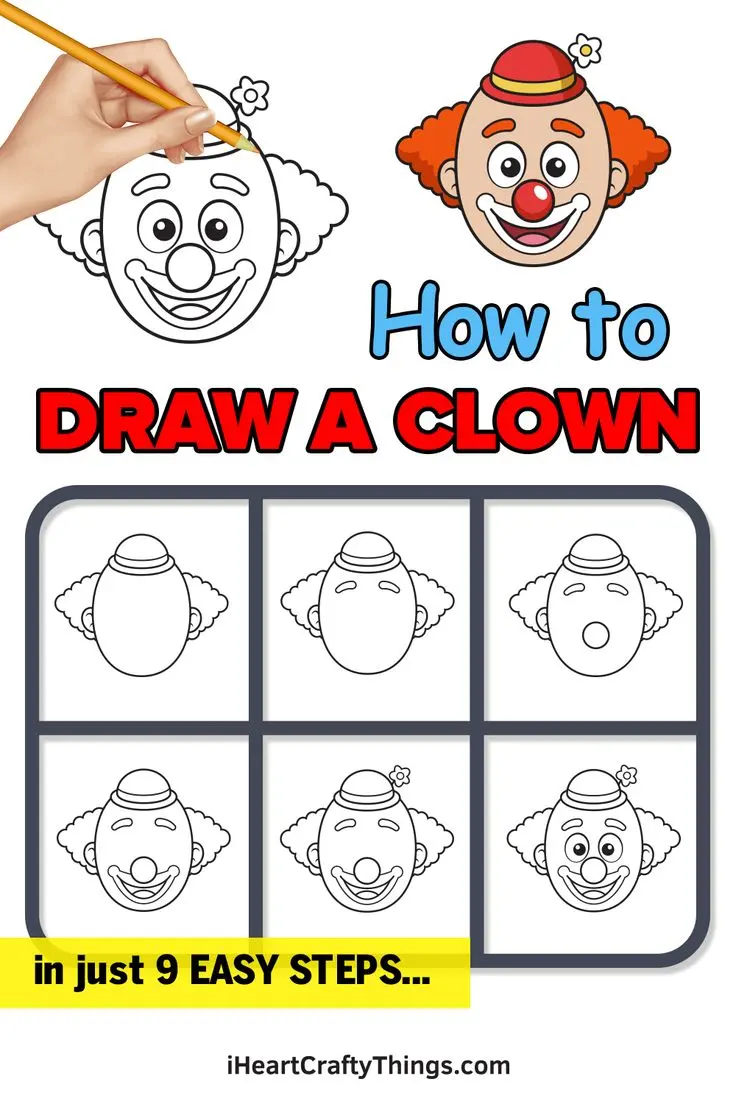
Begin by drawing a large, soft oval for the head. Clowns are often depicted with exaggerated features, so leave plenty of space on the face for oversized elements. Divide the face into thirds using faint horizontal guidelines to help place the eyes, nose, and mouth accurately. Remember that clowns often have rounder, softer facial structures compared to realistic portraits.
Once the guidelines are set, add a large circle for the nose. This is the most iconic element of any clown design. Place the eyes slightly above the horizontal midline, making them larger than normal to convey a sense of wonder or mischief. Keep your initial lines light so you can easily erase them later when you start adding the final, bold details of the face.
- Draw a large oval for the head.
- Add a circle in the center for the nose.
- Sketch two large, expressive almond-shaped eyes.
- Draft a wide, upturned mouth that reaches toward the cheeks.
- Add a small, rounded hat perched on the side of the head.
Best tools for drawing clowns
Using the right materials makes a significant difference when capturing the vibrant, playful nature of a clown. Start with a 2B graphite pencil for your initial sketches, as it provides enough darkness for visibility but remains easy to erase. For the final outlines, use a fine-liner or an ink pen to create clean, crisp borders that define the makeup and clothing.
When it comes to coloring, alcohol-based markers or high-quality colored pencils are ideal for achieving the bold, saturated look associated with circus performers. These mediums allow for smooth blending, which is essential for creating the gradient effects often seen in clown makeup. If you prefer a digital approach, software like Procreate or Adobe Photoshop offers layers that allow you to separate the skin tone from the intricate makeup patterns.
- Graphite pencils (HB and 2B) for sketching.
- Fine-liner pens for defining edges.
- Alcohol-based markers for vibrant, solid colors.
- Erasable kneaded erasers for precision.
- White gel pens for adding highlights to the eyes and nose.
How to design expressive clown makeup
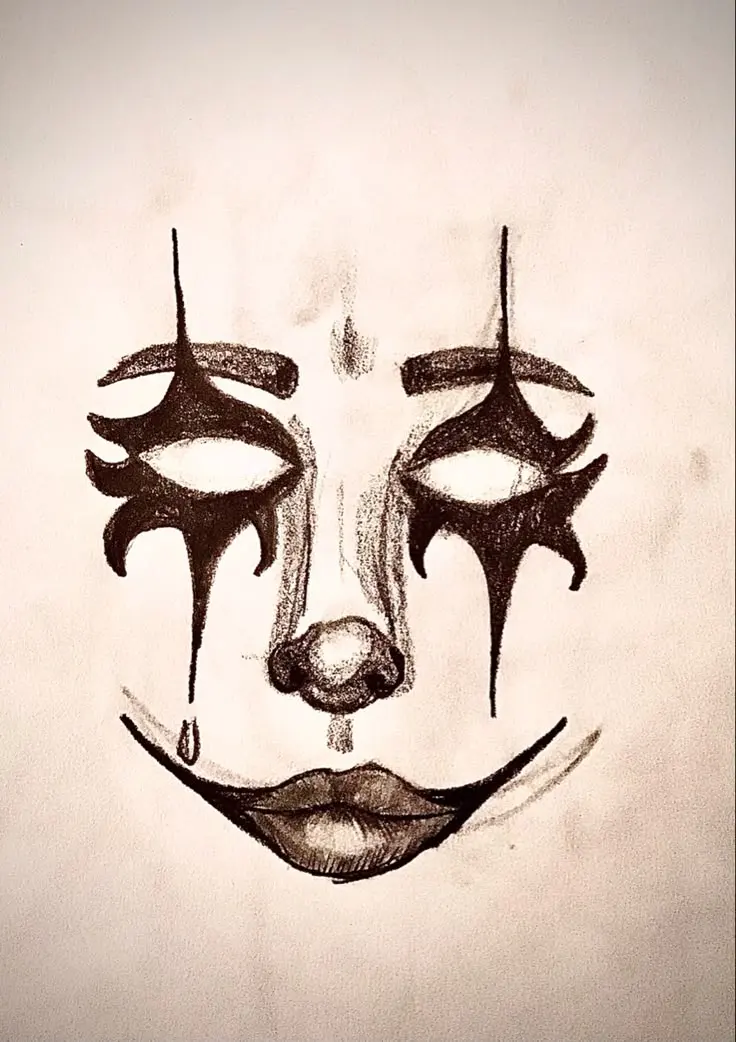
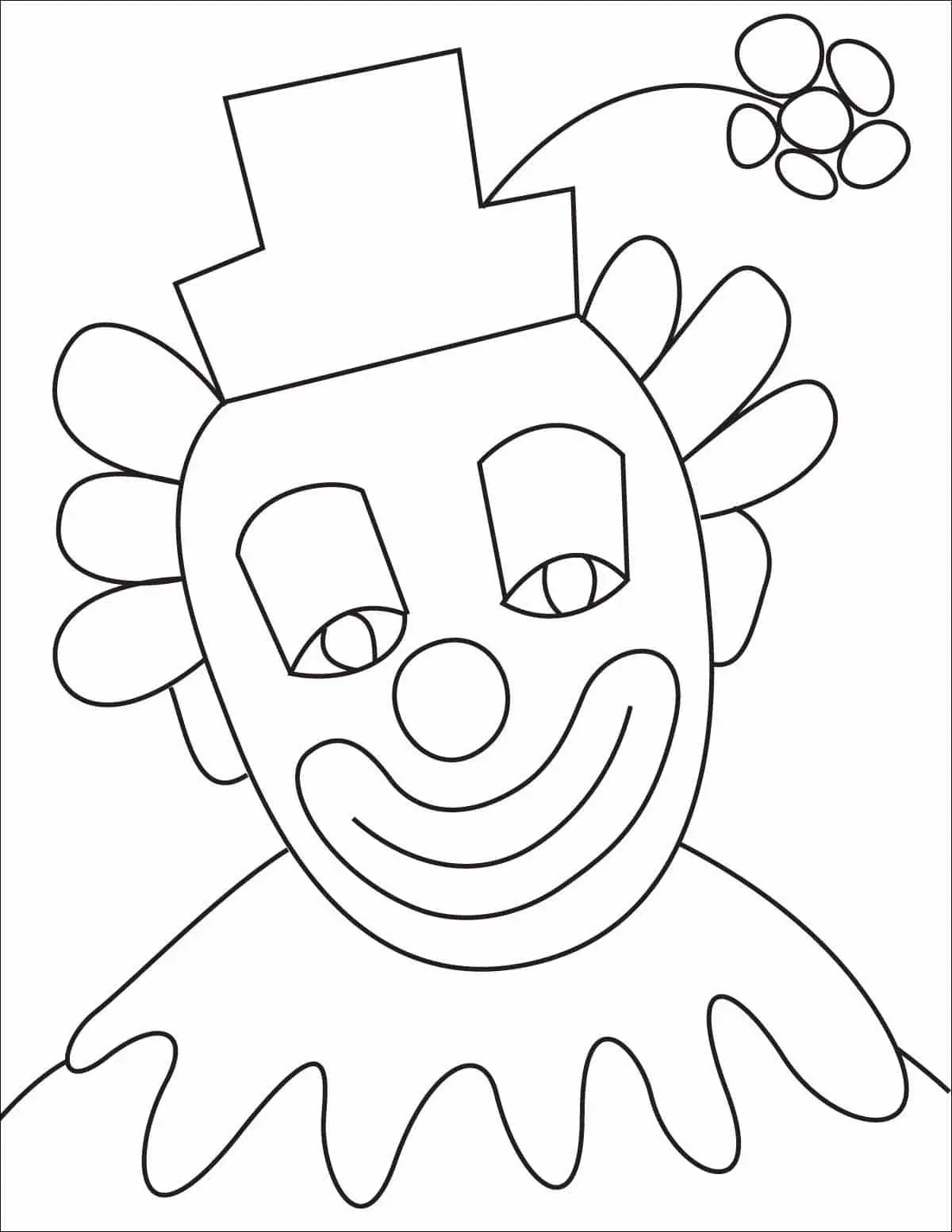
The makeup is the defining feature of a clown’s personality. Start by choosing a theme, such as the classic "whiteface" clown, which uses a white base with black or red accents, or the "auguste" style, which features flesh-toned makeup with exaggerated red or black features around the eyes and mouth. Draw a distinct outline for the makeup area before filling it in with color.
To make the face look more expressive, use sharp, geometric shapes like triangles or diamonds around the eyes. These shapes help draw attention to the clown's gaze and make their reactions more readable from a distance. Ensure that the mouth is wide and clearly defined, as this is the primary tool for conveying the clown's mood, whether joyful, surprised, or sad.
- Use triangles above and below the eyes to create a dramatic look.
- Extend the smile lines well past the natural corners of the mouth.
- Keep the color palette limited to three or four primary colors for a cohesive design.
- Always ensure the nose remains a distinct, bright color to serve as the focal point.
Common mistakes when drawing clowns
A frequent error is failing to maintain symmetry in the facial features. Because clown makeup relies on balance, a crooked smile or off-center nose can make the face look unintentional rather than stylized. Use your vertical guide line to ensure that the left and right sides of the face mirror each other, especially when drawing the eyes and the mouth.
Another common mistake is neglecting the hair and headgear. A clown’s head should never look bare; adding a wig, a small bowler hat, or a colorful cap completes the silhouette. Without these elements, the character may look like a person wearing makeup rather than a performer. Additionally, avoid using too many colors, as this can make the drawing look cluttered and distract from the character's personality.
- Ignoring the importance of the vertical center line.
- Making the eyes too small to convey emotion.
- Using colors that clash and create visual noise.
- Forgetting to add hair or a hat to frame the face.
- Over-detailing the skin texture, which should remain smooth and mask-like.
How to add personality to your clown
To give your clown a unique identity, consider their role in the circus. A "tramp" clown might have a scruffy, hand-drawn beard and a sad, downturned mouth, while a "jester" might feature vibrant, pointed patterns and a more energetic, wide-eyed expression. Use body language in your drawing, such as a tilted head or hunched shoulders, to tell a story about who the character is.
Accessories are the final touch that brings the drawing to life. Add a ruffled collar, oversized buttons, or a polka-dot bowtie to enhance the whimsical aesthetic. These elements provide context and help the viewer understand the clown’s environment. By focusing on these small, narrative details, you transform a simple drawing of a face into a fully realized character with a distinct personality and a story to tell.
Key facts
- Start with a large oval for the head to provide a base for exaggerated facial features.
- Use bright, primary colors like red, yellow, and blue to create a high-contrast, recognizable clown aesthetic.
- Draw the mouth significantly wider than a natural human mouth to convey an exaggerated, permanent smile.
- Place the iconic round, red nose directly in the center of the face to act as a focal point.
- Add oversized accessories like floppy shoes, a polka-dot bow tie, or a tiny hat to emphasize the character's whimsical nature.
- Use thick, bold outlines to make the drawing pop and simplify the coloring process for a cartoonish look.
The bottom line
Drawing a clown is an exercise in creative exaggeration rather than anatomical precision. By focusing on bold, primary colors, oversized accessories, and distorted facial features, you can capture the essence of this iconic performer. Remember to keep your lines clean and your expressions cheerful to ensure the character remains whimsical. With practice, these simple techniques will help you master the art of the classic circus clown.
People also ask
What is the most important feature to include on a clown?
The most recognizable feature is the oversized, bulbous nose. It serves as the visual anchor for the face and immediately signals the character's identity to the viewer.
Should I use realistic proportions when drawing a clown?
No, clowns are defined by their caricature-style proportions. You should intentionally distort features, such as making the eyes larger or the feet comically long, to achieve the classic look.
How do I make a clown look happy rather than scary?
Focus on soft, rounded shapes and bright, warm colors. Avoid sharp angles or dark, heavy shading around the eyes, which can inadvertently create a sinister or "creepy" appearance.
What is the best medium for drawing a clown?
Markers or colored pencils are ideal because they allow for vibrant, saturated colors. These mediums make it easy to fill in large areas of face paint without streaking.
Why do clowns often wear white face paint?
The white base acts as a blank canvas that makes other colors, such as red lips and blue eye markings, stand out vividly. It has been a standard theatrical tradition since the 19th-century pantomime era.
What is a common mistake beginners make?
A frequent error is drawing the features too small or too close together. Clowns rely on exaggeration, so do not be afraid to push the features toward the edges of the face.
This answer was created with the help of AI research tools and reference sources. Spotted an error? Let us know — we correct mistakes quickly. See our editorial policy.