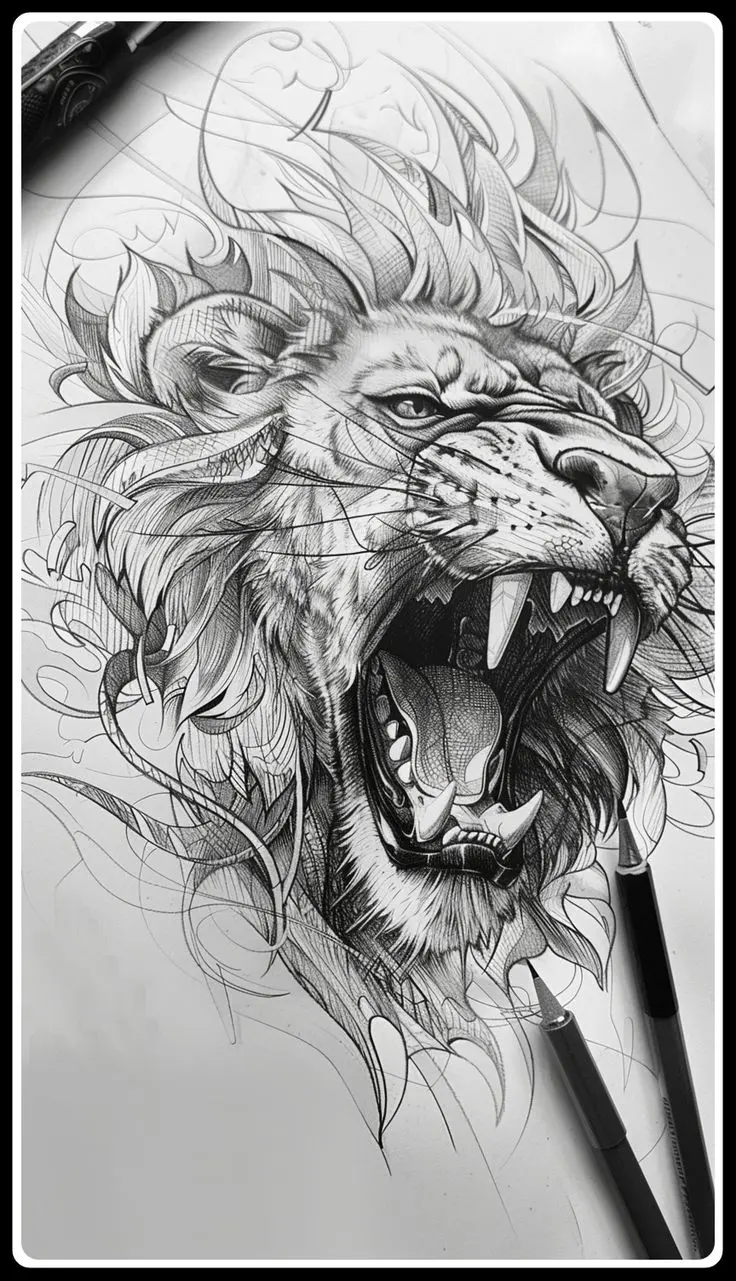
What are good drawing ideas for teens?
Short answer
Teens can find inspiration by focusing on personal interests, emotional expression, and technical skill-building. Effective drawing ideas include character design, observational sketches of everyday objects, surrealist compositions, and fan art. By combining imagination with structured practice, artists can develop their unique style while refining fundamental techniques like shading, perspective, and anatomical proportions.
On this page
How to find creative drawing ideas
Finding inspiration often begins with observing your immediate environment. Look at the objects on your desk, the architecture of your home, or the people in your local park. When you run out of subjects, try combining two unrelated concepts, such as a mechanical insect or a futuristic version of a historical figure. This exercise forces your brain to bridge gaps between different categories, leading to more original and imaginative artwork.
Another effective method is to maintain a dedicated sketchbook for "low-stakes" drawing. Do not worry about making every page a masterpiece; instead, use it to record fleeting thoughts or practice specific textures. If you feel stuck, consider these prompts to jumpstart your process:
- Draw your favorite meal from a bird’s-eye perspective.
- Create a character based on a song you heard today.
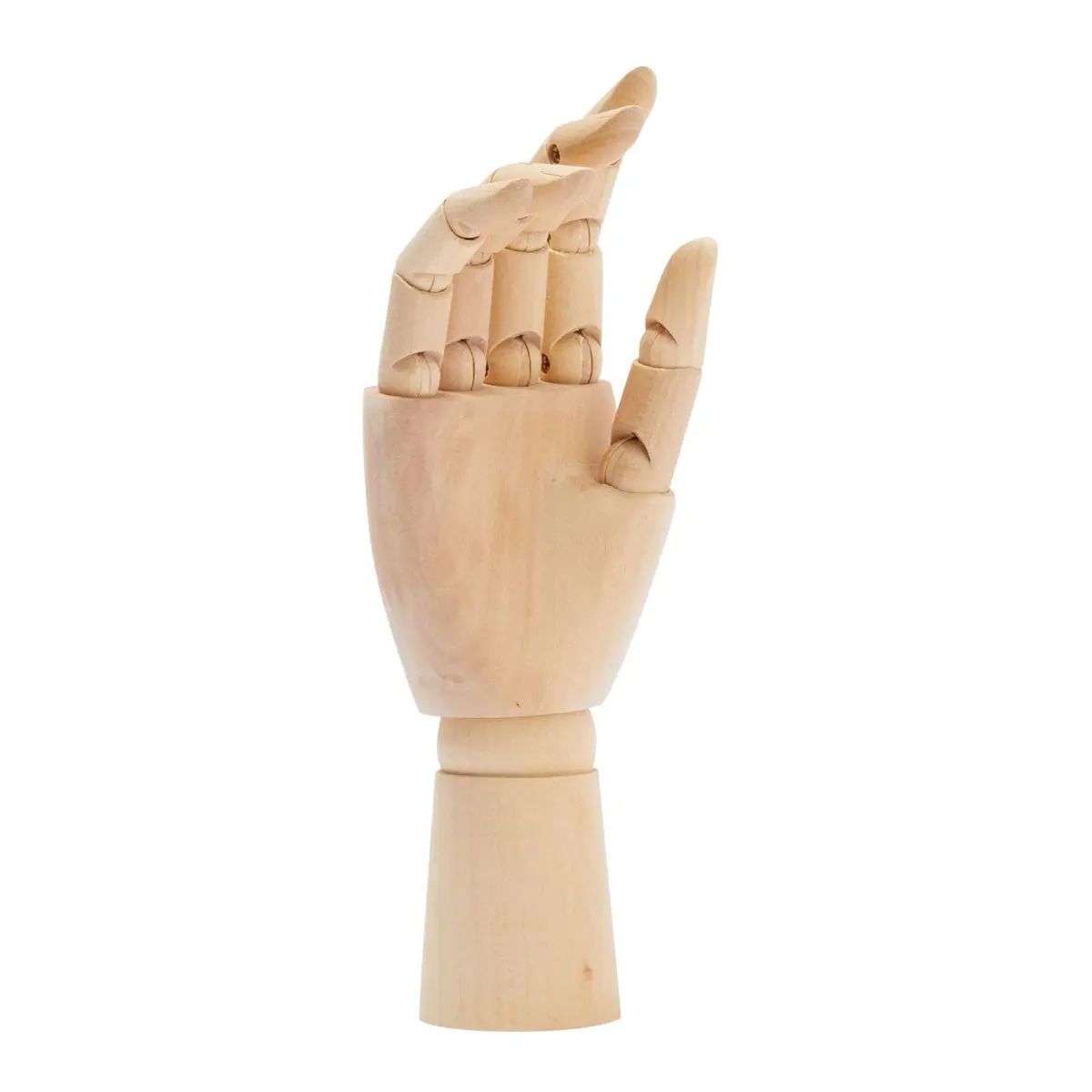
- Sketch your own hand in five different positions.
- Illustrate a dream you recently had, focusing on one strange detail.
Best drawing subjects for beginners
When starting out, focus on subjects that allow you to understand form and light. Still-life arrangements are excellent for learning how to render shadows and highlights on simple geometric shapes like spheres, cubes, and cylinders. By mastering these basic forms, you build the foundation necessary to draw more complex items later. Nature studies, such as leaves, rocks, or flowers, also provide organic shapes that help improve your line quality and observation skills.
If you prefer working with figures, start by studying the basic proportions of the human body. You do not need to be perfect immediately; focus on the "gesture" or the flow of the pose rather than individual muscles. Here are three manageable subjects to begin with:
- A pair of worn-out sneakers, focusing on the texture of the laces and soles.
- A houseplant, paying attention to how leaves overlap and cast shadows.
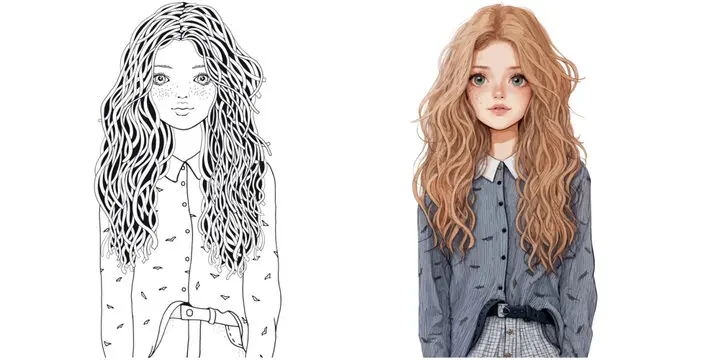
- A portrait of a friend or family member, focusing on the placement of features.
Why drawing from life is important
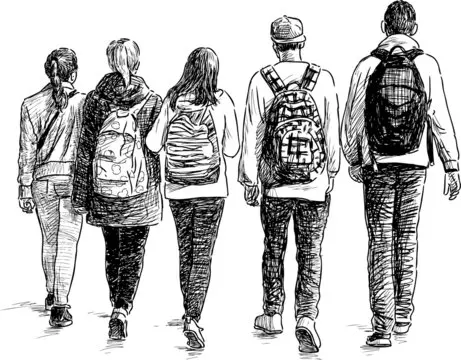
Drawing from life, or observational drawing, is the most effective way to train your eye to see accurately. When you draw from a photograph, the camera has already flattened the three-dimensional world into two dimensions, which can hide subtle depth and color variations. By drawing a physical object, you learn to interpret how light hits a surface and how perspective changes the way an object appears from different angles. This practice significantly accelerates your technical growth.
To get the most out of observational drawing, try to spend at least 15 minutes a day sketching what is in front of you. Do not be discouraged if your first attempts look distorted; this is a natural part of the learning process. As you continue to observe, your brain will become better at translating spatial relationships onto paper. Over time, this discipline makes it much easier to draw from your imagination, as you will have a mental library of real-world references to draw upon.
Common mistakes when learning to draw
A frequent mistake for many beginners is rushing the initial sketch. Artists often try to add details, like hair texture or clothing patterns, before they have established the correct proportions of the subject. This leads to frustrated erasing and drawings that look lopsided or incorrect. Always start with light, loose construction lines to map out the shape and size of your subject before committing to darker, permanent marks.
Another common error is failing to consider the light source. Without a consistent light source, your drawing will lack depth and appear flat. To avoid this, decide where the light is coming from before you begin shading. Keep these tips in mind to improve your workflow:
- Avoid using a heavy hand; keep your pencil strokes light until the final stages.
- Don't ignore the negative space around your subject, as it helps define the overall shape.
- Resist the urge to smudge your shading with your fingers, as this creates muddy, uneven tones.
How to develop a unique artistic style
Your personal style is the culmination of your technical skills and your individual aesthetic preferences. It is not something you force, but rather something that emerges as you experiment with different mediums, such as charcoal, ink, or digital tools. Try to analyze the artists you admire, but instead of copying them exactly, identify which elements of their work resonate with you. Is it their bold line work, their vibrant color palette, or their emotional storytelling?
Consistency is the key to refining your style. By drawing regularly, you will naturally gravitate toward certain subjects and techniques that feel comfortable and expressive. Remember that your style will evolve as you grow older and your interests change. Stay curious, keep challenging yourself with new prompts, and allow your work to be a reflection of your evolving perspective on the world. The most authentic style comes from being honest about what you find interesting and beautiful.
Key facts
- Use a 2B pencil for sketching to allow for easy erasing and layering of shadows.
- Practice blind contour drawing by sketching an object without looking at your paper to improve hand-eye coordination.
- Choose a subject with high contrast, such as a bright lamp in a dark room, to practice value and shading.
- Divide your paper into a grid to help maintain accurate proportions when drawing complex subjects like portraits.
- Keep a dedicated sketchbook to track your progress and revisit old ideas when you feel uninspired.
- Set a timer for 10 minutes to complete quick gesture drawings, which builds speed and confidence.
The bottom line
Drawing is a skill developed through deliberate practice and consistent observation. By focusing on fundamental techniques like proportion, shading, and gesture, teens can build a strong artistic foundation. Whether sketching from life or experimenting with new mediums, the goal is to observe the world closely and translate that vision onto paper. Patience and regular experimentation remain the most reliable paths toward artistic growth and personal expression.
People also ask
How can I improve my drawing skills quickly?
Consistent daily practice is more effective than long, infrequent sessions. Focus on fundamentals like perspective, anatomy, and light theory rather than trying to create a masterpiece every time.
What are the best drawing supplies for beginners?
Start with a set of graphite pencils ranging from 2H to 6B, a kneaded eraser, and a sketchbook with heavy-weight paper. You do not need expensive professional tools to learn the essential techniques.
How do I overcome "artist's block"?
Try drawing something mundane, like your shoes or a coffee mug, to remove the pressure of perfection. Changing your medium, such as switching from pencil to charcoal or ink, can also spark new creativity.
Should I learn to draw from life or from photos?
Drawing from life is superior for understanding depth and spatial relationships, as photos often flatten the image. Use photos for complex subjects like animals or landscapes, but prioritize real-world observation for basic skills.
What is the most common mistake when drawing portraits?
Many beginners place the eyes too high on the head, forgetting that the eyes sit at the halfway point of the skull. Use a reference mirror or a grid to ensure features are aligned correctly.
How do I shade effectively?
Avoid smudging graphite with your fingers, as the natural oils on your skin can ruin the paper texture. Use a blending stump or a piece of tissue to create smooth transitions between light and dark areas.
This answer was created with the help of AI research tools and reference sources. Spotted an error? Let us know — we correct mistakes quickly. See our editorial policy.