What is a drawing prompt?
Short answer
A drawing prompt is a specific word, phrase, or concept intended to inspire an artist to create a new visual work. By providing a starting point, prompts help overcome creative blocks, encourage experimentation with new subjects, and build consistent drawing habits by removing the pressure of deciding what to draw from scratch.
On this page
What is the purpose of a drawing prompt?
The primary function of a drawing prompt is to act as a catalyst for creative activity. When an artist faces a blank page, the sheer number of possibilities can lead to decision paralysis. A prompt narrows this field, offering a defined theme or constraint that allows the artist to focus entirely on the execution of the drawing rather than the initial conceptualization. This process is essential for developing a regular practice, as it removes the mental hurdle of brainstorming.
Beyond simply filling a page, prompts serve as a tool for skill development. By assigning specific challenges—such as drawing an object from a different perspective or using a limited color palette—prompts push artists outside their comfort zones. This deliberate practice helps refine technical abilities and fosters a unique personal style. Whether used by professionals to break through a creative rut or by students to build foundational skills, prompts provide a structured path for artistic growth.
How to use drawing prompts effectively
Integrating prompts into your routine requires a balance of structure and creative freedom. You do not need to follow a prompt literally; instead, use it as a springboard for your own interpretation. If a prompt feels uninspiring, you are encouraged to modify it to better suit your interests or current technical goals. The objective is to keep your pencil moving, not to adhere to a rigid set of rules.
To maximize the benefits of using prompts, consider these strategies:
- Set a timer for 15 minutes to prevent overthinking and encourage loose, gestural sketching.
- Combine two unrelated prompts to create a unique, hybrid concept that challenges your imagination.
- Keep a dedicated sketchbook specifically for prompt-based exercises to track your progress over time.
- Share your results with a community to receive feedback and see how others interpreted the same starting point.
Best drawing prompt ideas for beginners
For those just starting out, the best prompts are those that focus on tangible, everyday objects. These items are easy to observe, allowing you to practice fundamental skills like shading, proportion, and line quality without the added stress of complex composition. Starting with familiar subjects builds confidence and provides immediate, observable results that encourage continued practice.
Consider these accessible starting points:
- Draw a piece of fruit, such as a lemon or apple, focusing on the light source and shadows.
- Sketch the contents of your junk drawer to practice drawing various textures and shapes.
- Illustrate a single shoe from three different angles to understand perspective and foreshortening.
- Draw your favorite coffee mug or tea cup, paying close attention to the elliptical shapes of the rim.
- Sketch a houseplant, focusing on the organic, irregular patterns of the leaves and stems.
Why artists use daily drawing challenges
Many artists participate in organized daily drawing challenges to maintain momentum and foster a sense of community. These challenges often provide a list of prompts for an entire month, such as the popular "Inktober" event held every October. By committing to a daily task, artists transform drawing from an occasional hobby into a disciplined habit. This consistency is the most effective way to see measurable improvement in technical proficiency and creative confidence.
The social aspect of these challenges is equally important. When artists work on the same prompts simultaneously, they can compare techniques and learn from different stylistic approaches. This shared experience creates a supportive environment where artists feel motivated to complete their daily tasks. Over time, the cumulative effect of these small, daily efforts results in a significant body of work, which can be an immense source of pride and motivation for any artist.
Common mistakes when using drawing prompts
One of the most frequent errors is the tendency to prioritize perfection over completion. Beginners often get discouraged if their drawing does not look like a masterpiece, leading them to abandon the prompt entirely. Remember that the purpose of a prompt is exercise, not the creation of a gallery-ready piece. Embracing "ugly" or imperfect sketches is a vital part of the learning process, as it allows you to identify areas for improvement without the pressure of high stakes.
Another common mistake is choosing prompts that are too vague or overly complex for your current skill level. If a prompt is too abstract, you may spend more time worrying about the concept than actually drawing. Conversely, if the task is too daunting, you may feel overwhelmed and lose interest. Avoid these pitfalls by:
- Selecting prompts that align with your current technical goals, such as anatomy or perspective.
- Breaking complex prompts into smaller, more manageable sub-tasks.
- Giving yourself permission to stop if a prompt is not working, and moving on to a new one immediately.
Key facts
- A drawing prompt is a specific word, phrase, or scenario designed to spark artistic creativity and overcome creative blocks.
- Prompts can range from single words like "solitude" to complex descriptions such as "a cat wearing a Victorian suit drinking tea."
- They help artists practice consistency by providing a structured starting point for daily sketching habits.
- Many artists use timed challenges, such as "Inktober," which provides a list of 31 prompts for every day of October.
- Prompts are effective for skill development because they force creators to research and draw subjects they might otherwise avoid.
- To use a prompt effectively, interpret it literally or abstractly, but commit to finishing the piece regardless of initial hesitation.
The bottom line
A drawing prompt is a versatile tool designed to eliminate the paralysis of a blank page. By providing a specific theme or subject, these prompts encourage consistent practice and creative experimentation. Whether you are a beginner or a seasoned professional, using prompts helps you refine your technical skills, explore new artistic concepts, and build a sustainable habit of daily creation regardless of your current mood.
People also ask
Can drawing prompts be used by professional artists?
Yes, professionals frequently use prompts to warm up their hands or experiment with new styles. They serve as a low-stakes exercise to keep the creative muscles active during downtime between major projects.
How do I choose the right prompt for my skill level?
Start with simple, concrete objects like "an apple" or "a key" if you are a beginner. As you gain confidence, move toward conceptual prompts like "the feeling of nostalgia" to practice visual storytelling.
Should I follow a prompt exactly as written?
You are not required to follow a prompt literally. The goal is to use the suggestion as a catalyst, meaning you can interpret the theme in any way that inspires your personal style.
How long should I spend on a single prompt?
There is no set time limit, but many artists find that 15 to 30 minutes is sufficient for a study. Limiting your time prevents overthinking and encourages a more gestural, expressive approach to the subject.
What if I do not like the prompt I picked?
It is perfectly acceptable to skip a prompt or combine two different ones. The primary objective is to maintain the habit of drawing, so choose a subject that genuinely interests you.
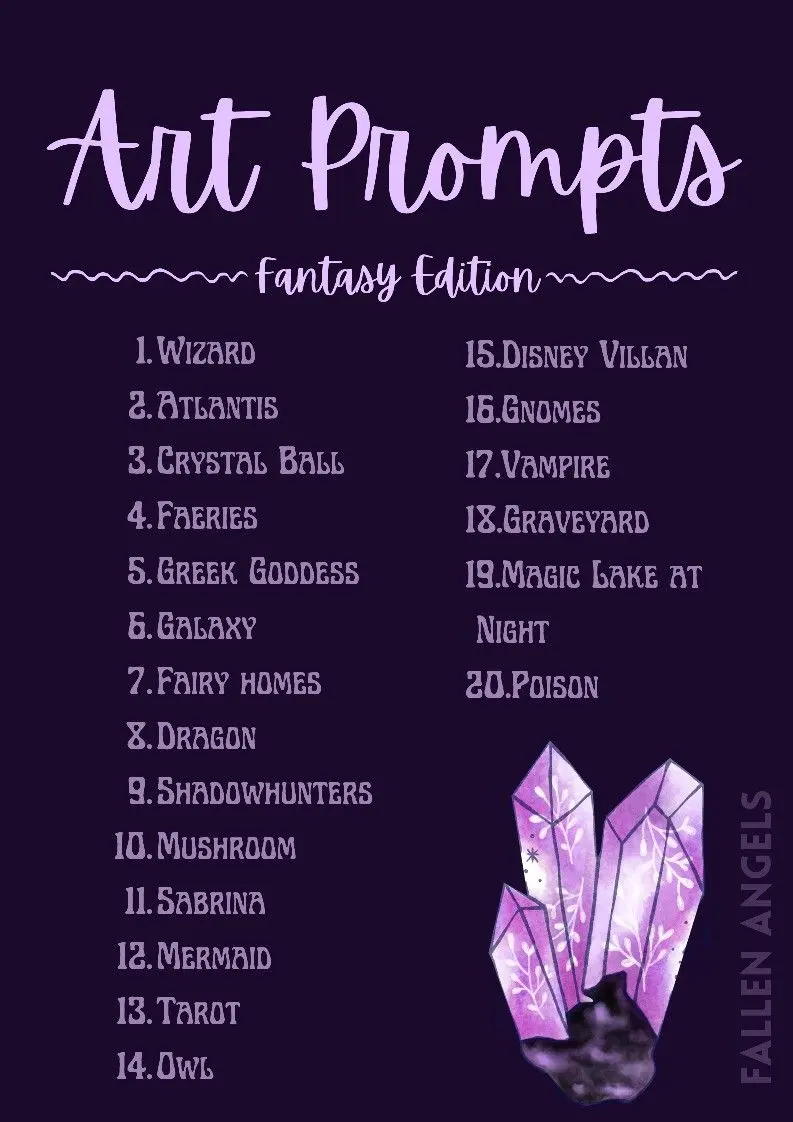
Where can I find lists of drawing prompts?
You can find them on social media platforms, art forums, or dedicated websites that host monthly challenges. Many artists also create their own "prompt jars" by writing ideas on slips of paper to draw at random.
This answer was created with the help of AI research tools and reference sources. Spotted an error? Let us know — we correct mistakes quickly. See our editorial policy.