What is Egon Schiele known for?
Short answer
Egon Schiele was a pivotal Austrian Expressionist painter known for his raw, psychologically intense portraits and provocative nudes. Active in the early 20th century, he redefined figurative art through distorted anatomy, jagged lines, and a stark, honest exploration of human sexuality, mortality, and the inner turmoil of the modern individual.
On this page
Why is Egon Schiele famous?
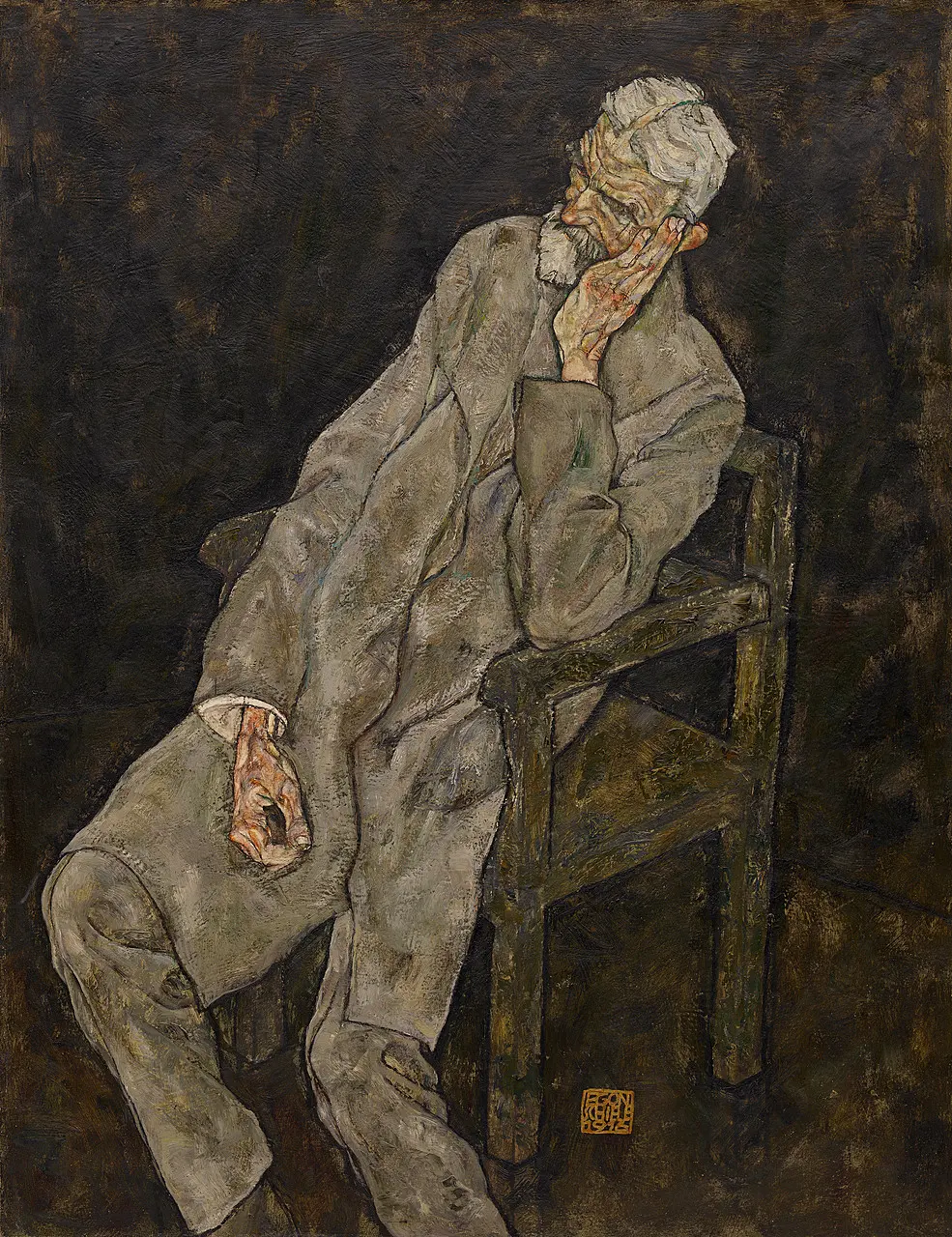
Schiele is celebrated for his departure from the decorative elegance of the Vienna Secession, led by his mentor Gustav Klimt. While Klimt focused on ornamentation and beauty, Schiele embraced a radical form of Expressionism that prioritized psychological depth over aesthetic perfection. His work often features figures with elongated limbs, twisted postures, and visceral, raw skin tones that convey profound vulnerability and existential anxiety.
His fame also stems from his brief but explosive career, which lasted roughly a decade before his untimely death during the 1918 influenza pandemic. During these years, he produced thousands of drawings and hundreds of paintings that challenged the conservative moral standards of his time. By stripping away the layers of societal pretense, Schiele forced viewers to confront the uncomfortable realities of the human condition, making him a foundational figure in modern art history.
What are the key characteristics of his style?
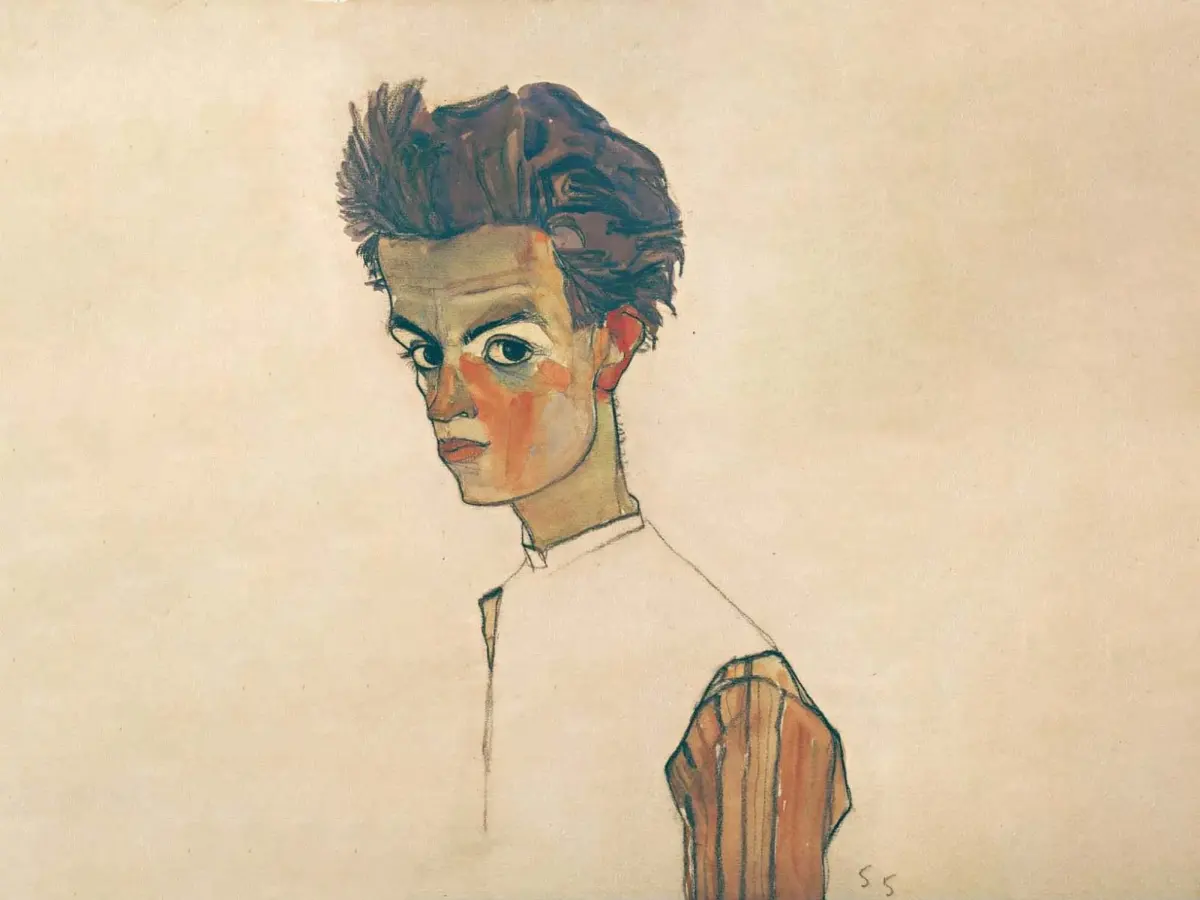
Schiele’s artistic identity is defined by a distinct visual language that remains instantly recognizable. He utilized a sharp, nervous line quality that seems to vibrate on the paper, often leaving large areas of the canvas empty to emphasize the isolation of his subjects. His color palette was equally deliberate, frequently employing sickly yellows, bruised purples, and earthy browns to suggest decay or internal suffering.
To identify a Schiele work, look for these specific technical elements:
- Distorted, angular body shapes that suggest physical or mental discomfort.
- Unconventional, often provocative poses that eschew classical contrapposto.
- Intense, unblinking eye contact between the subject and the viewer.
- A focus on the hands and feet, which he rendered with exaggerated detail.
- Minimalist backgrounds that strip the subject of context, focusing entirely on their psyche.
These elements combine to create a sense of raw intimacy that feels both deeply personal and universally unsettling. His ability to capture the "soul" of his sitters through these distortions remains his most enduring contribution to the history of portraiture.
How to appreciate Schiele’s art for beginners
When viewing Schiele’s work for the first time, it is common to feel a sense of shock or discomfort. Rather than looking for beauty in the traditional sense, try to focus on the emotional narrative he is constructing. Ask yourself what the subject’s body language reveals about their state of mind and why the artist chose to emphasize specific physical traits over others.
If you are visiting a gallery or studying his work, follow these steps:
- Observe the line work: Notice how the lines are sometimes thick and aggressive, and other times thin and hesitant.
- Analyze the gaze: Look past the nudity or physical distortion to see how the subject is looking at you.
- Consider the context: Remember that Schiele was working in a crumbling empire, which influenced his themes of mortality and change.
- Compare with peers: Look at a Klimt painting alongside a Schiele to see how the student subverted the master's style.
By shifting your focus from "what is this" to "how does this make me feel," you can better understand the emotional weight he intended to convey.
Common mistakes when analyzing Schiele
A frequent error is to view Schiele’s work solely through the lens of scandal. While he was arrested in 1912 for his depictions of young women, reducing his entire body of work to these controversies ignores his technical brilliance and philosophical inquiries. His art was not merely provocative; it was a serious investigation into the nature of the self, identity, and the existential dread that permeated the pre-war era.
Another mistake is assuming his portraits are strictly realistic depictions of his models. Schiele often used his subjects as mirrors for his own internal state, frequently painting himself into the expressions and postures of others. He was essentially a master of the psychological self-portrait, regardless of who was actually sitting in front of him. Avoiding these simplistic interpretations allows for a much richer engagement with the depth of his creative process and his legacy.
Where to see his work today
Because Schiele’s works are largely on paper, they are highly sensitive to light and cannot be displayed indefinitely. This makes his pieces rare and precious, often kept in climate-controlled environments. If you wish to see his art in person, you must plan your visits to major institutions that hold significant portions of his estate, as they rotate their collections frequently to prevent damage.
The best places to experience the breadth of his talent include:
- The Leopold Museum in Vienna, which houses the world’s largest collection of his works.
- The Belvedere Museum, also in Vienna, which provides excellent historical context.
- The Albertina Museum, famous for its extensive archives of his drawings.
- The Metropolitan Museum of Art in New York, which holds several key examples of his later, more mature paintings.
When planning a trip, always check the museum's temporary exhibition schedule to ensure that the specific pieces you are interested in are currently on display. By respecting these conservation requirements, you ensure that these masterpieces remain preserved for future generations to study and appreciate.
Key facts
- Egon Schiele (1890–1918) was a central figure of Austrian Expressionism known for his raw, psychologically charged figurative art.
- He produced approximately 330 oil paintings and several thousand drawings and watercolors during his short, ten-year career.
- His signature style features distorted, angular bodies, jagged lines, and an intense, often uncomfortable focus on human sexuality and vulnerability.
- Schiele was a protégé of Gustav Klimt, who mentored him and helped him gain early recognition in the Viennese art scene.
- In 1912, he spent 24 days in prison in Neulengbach on charges of "immorality" due to his provocative drawings of young girls.
- To appreciate his work, focus on the expressive power of his line work rather than looking for traditional anatomical accuracy or idealized beauty.
The bottom line
Egon Schiele remains a pivotal figure in modern art, celebrated for his uncompromising honesty and psychological depth. By stripping away the decorative elements common in his era, he captured the fragility and existential angst of the human condition. His legacy lies in his mastery of line and his ability to transform personal trauma into profound, enduring images that continue to challenge and influence contemporary artists worldwide.
People also ask
Did Egon Schiele die young?
Yes, Schiele died at the age of 28 in Vienna on October 31, 1918. He succumbed to the Spanish flu just three days after his pregnant wife, Edith, died from the same illness.
What is the most famous painting by Egon Schiele?
While he has many iconic works, "The Hermits" (1912) and his numerous self-portraits are among his most celebrated. His 1914 painting "Death and the Maiden" is also widely recognized for its emotional intensity.
How can I distinguish his work from other Expressionists?
Look for his distinct color palette, which often includes sickly greens, bruised purples, and earthy browns. His figures are frequently shown in contorted poses with skeletal limbs and expressive, unblinking eyes.
Was his art considered scandalous during his lifetime?
His work was highly controversial because it challenged the conservative social norms of early 20th-century Austria. His frank depictions of nudity and sexuality led to frequent censorship and legal trouble.
Did Schiele create landscapes?
Yes, although he is famous for his figures, he painted many landscapes, particularly of the town of Krumau. These works often feature dark, melancholic atmospheres and stylized, crumbling buildings.
Where can I see his original artworks today?
The Leopold Museum in Vienna houses the world’s largest and most significant collection of Schiele’s work. Other major museums, such as the Belvedere in Vienna and the Albertina, also hold extensive archives.
This answer was created with the help of AI research tools and reference sources. Spotted an error? Let us know — we correct mistakes quickly. See our editorial policy.