How do you use toned paper?
Short answer
Toned paper provides a mid-tone background that allows artists to build highlights and shadows simultaneously. By eliminating the stark white of traditional paper, you reduce the time needed to establish value. This surface is ideal for charcoal, graphite, or pastel work, creating a balanced, professional appearance with significantly less effort.
On this page
Why use toned paper for drawing
Using toned paper shifts your starting point from absolute white to a neutral mid-tone, such as tan, gray, or blue. In traditional white-paper drawing, you must shade the entire page to represent shadows, leaving the white paper to serve as your lightest highlights. On toned paper, the background acts as your base value, which saves time and creates a more cohesive look.
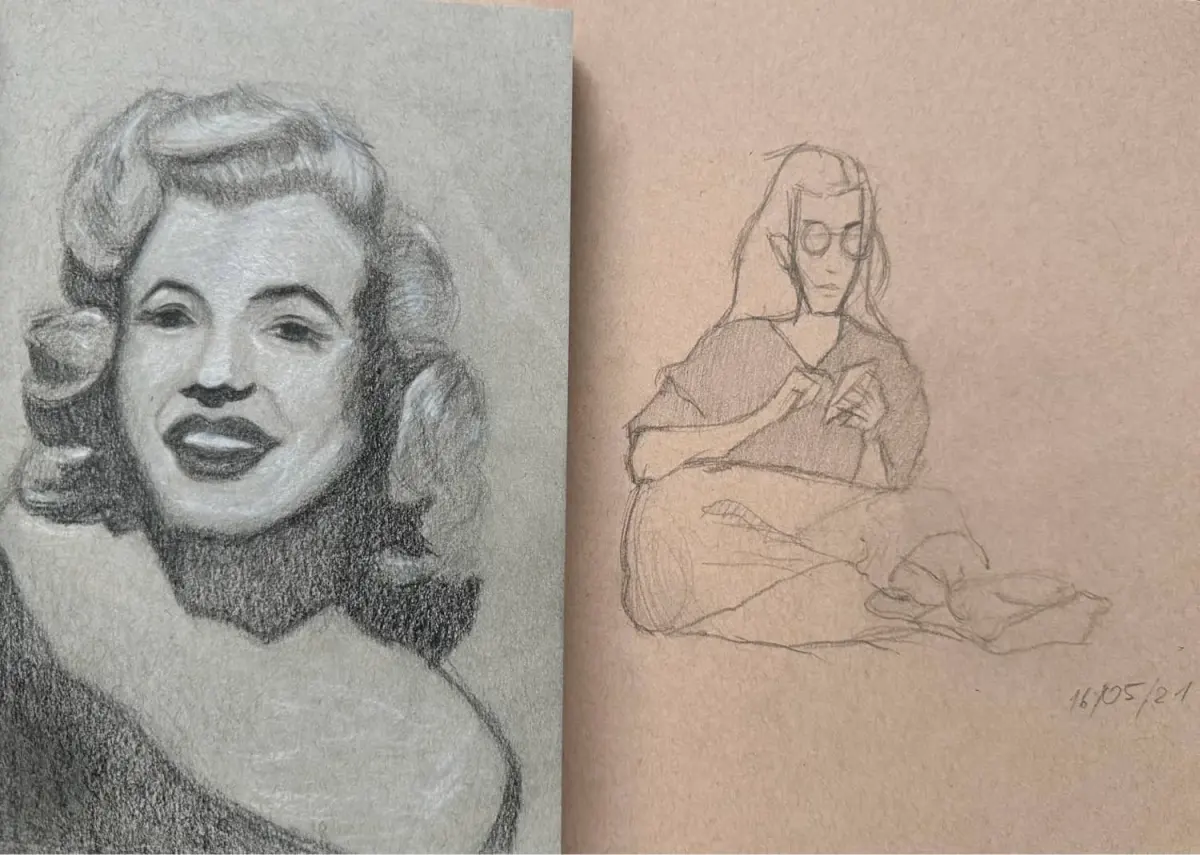
This technique is particularly effective for portraiture and figure drawing. Because the paper already provides a middle value, you only need to add darks for shadows and lights for highlights. This approach mimics the way light actually behaves on objects, where mid-tones are the most common values. By focusing on these two extremes, you can achieve a three-dimensional effect much faster than when working on a blank white sheet.
Best toned paper for beginners
When selecting your first toned paper, consider the texture and weight of the material. A medium-tooth surface, often labeled as "vellum" or "medium," is versatile enough to hold both graphite and charcoal without becoming overly slick. Look for paper weights around 80 to 100 pounds, as these are sturdy enough to handle multiple layers of eraser work and heavy pigment application without buckling or tearing.
Common options for beginners include:
- Strathmore Toned Tan or Gray sketchbooks, which offer a smooth, reliable surface.
- Canson Mi-Teintes paper, which features a distinct texture for grabbing heavy pastel.
- Recycled kraft paper, which is an inexpensive and accessible choice for daily practice.
- Pastel paper pads, which often come in a variety of neutral colors to suit different lighting conditions.
How to build values on toned paper
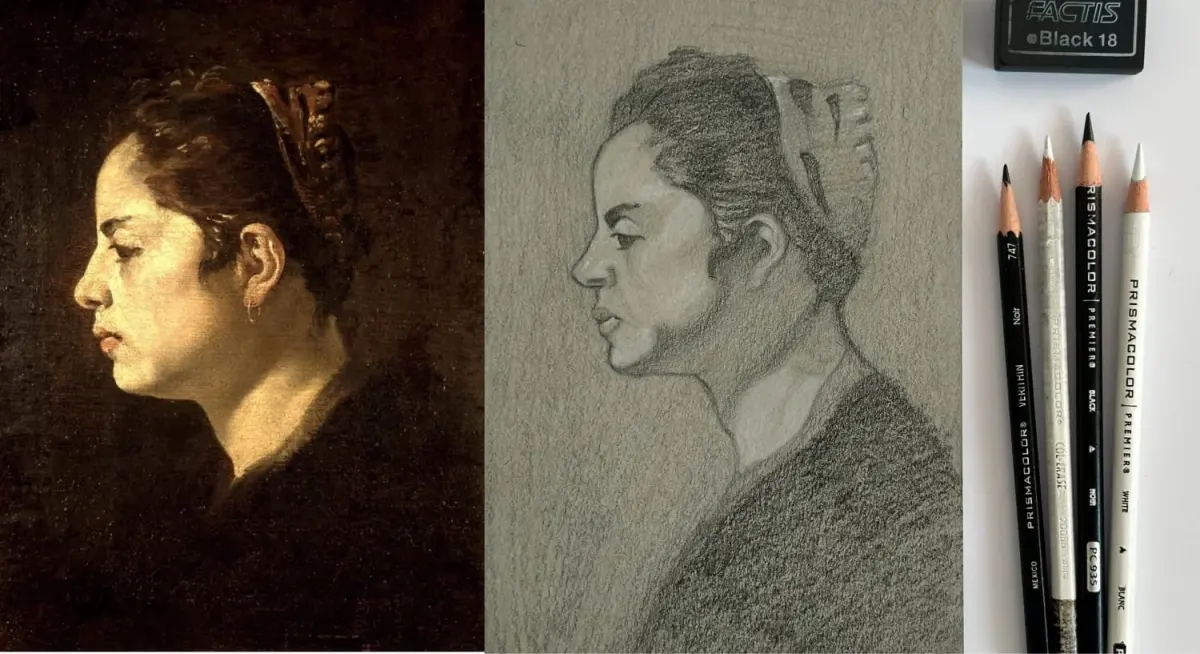
The key to success on toned paper is the "additive" and "subtractive" method. You begin by mapping out your mid-tones using your chosen drawing medium, then apply your darkest values to define the shadows. Finally, you introduce your lightest highlights using a white charcoal pencil, white pastel, or a white gel pen. This three-step process ensures that your drawing has a full range of contrast.
Follow these steps to build your composition:
- Sketch your initial outlines lightly using a neutral pencil that matches the paper tone.
- Apply your darkest shadows, focusing on the core shadows and cast shadows of your subject.
- Use a white medium to pull out the highlights, starting with the brightest points of light.
- Blend the transitions between the white, the paper tone, and the darks to create a smooth, realistic gradient.
Common mistakes when using toned paper
One frequent error is failing to utilize the paper color as a distinct value. If you cover the entire page with heavy graphite or charcoal, you essentially turn the toned paper into white paper, defeating the purpose of the medium. Always leave small patches of the original paper color visible, as this creates a sense of harmony and connects the various elements of your drawing together.
Another mistake is using the wrong tools for highlights. Standard graphite pencils will not show up clearly on toned paper, and white colored pencils often have a waxy consistency that prevents layering. Instead, opt for white charcoal or white pastel pencils, which are opaque and designed to sit on top of the paper fibers. Avoid pressing too hard with white media early on, as this can burnish the paper and make it difficult to add further details or corrections later.
How to finish and preserve your work
Because toned paper drawings often involve soft media like charcoal or pastel, they are prone to smudging. Once your drawing is complete, it is essential to apply a fixative spray to lock the pigments onto the surface. Hold the can about 10 to 12 inches away from the paper and apply light, even coats in a well-ventilated area. This prevents the white highlights from dulling or mixing with the dark shadows during storage.
For long-term preservation, frame your work behind glass or store it in a portfolio with acid-free glassine sheets between the pages. If you are working in a sketchbook, placing a sheet of parchment paper between your drawings will prevent the charcoal from rubbing off onto the facing page. Proper storage ensures that your highlights remain crisp and your mid-tones stay vibrant for years to come, allowing you to maintain the integrity of your artistic vision.
Key facts
- Toned paper provides a mid-tone surface that allows artists to build both highlights and shadows simultaneously.
- Use white charcoal or pastel pencils to create bright highlights, which pop significantly more than they do on standard white paper.
- Apply dark graphite or carbon pencils to establish deep shadows, using the paper's natural color as the middle value.
- Avoid using pure white paper for highlights; instead, reserve your lightest medium specifically for the brightest points of the drawing.
- Toned paper is often available in shades like gray, tan, or blue, each influencing the overall temperature and mood of the finished piece.
- Work from the middle values outward, establishing the base tone before committing to the darkest darks or lightest lights.
The bottom line
Toned paper is a powerful tool that accelerates the drawing process by providing an immediate middle value. By focusing on the interplay between light highlights and dark shadows against a neutral background, artists can achieve a greater sense of depth and realism. Mastering this medium requires balancing your darkest and lightest tones, ultimately allowing the paper's inherent color to serve as a cohesive, professional foundation for your work.
People also ask
Is toned paper better for beginners than white paper?
Toned paper is excellent for students because it simplifies the process of understanding value. By providing a middle gray or tan, it removes the need to shade the entire background manually.
Can I use colored pencils on toned paper?
Yes, colored pencils work exceptionally well on toned surfaces. The colored background acts as a unifying base, helping the different hues harmonize more effectively than they would on stark white.
What is the best way to erase on toned paper?
Use a kneaded eraser to lift pigment gently without damaging the paper's surface. Avoid aggressive rubbing, as it can strip the paper's color and create an uneven texture that is difficult to draw over.
How do I choose the right paper color for my subject?
Choose a cool-toned gray paper for portraits or subjects with blue or neutral undertones. Use warm tan or kraft paper for organic subjects, landscapes, or drawings that benefit from a vintage, earthy aesthetic.
Should I use fixative on toned paper drawings?
Yes, especially when using charcoal or pastel, which are prone to smudging. Apply a light, even layer of workable fixative to lock the layers in place while allowing for further refinement.
Can I use markers on toned paper?
Alcohol-based markers can be used, but the paper's color will show through the ink. This creates a muted, desaturated effect that is useful for stylistic illustration but not for achieving true, vibrant colors.
This answer was created with the help of AI research tools and reference sources. Spotted an error? Let us know — we correct mistakes quickly. See our editorial policy.