What is the difference between colored pencils and watercolor pencils?
Short answer
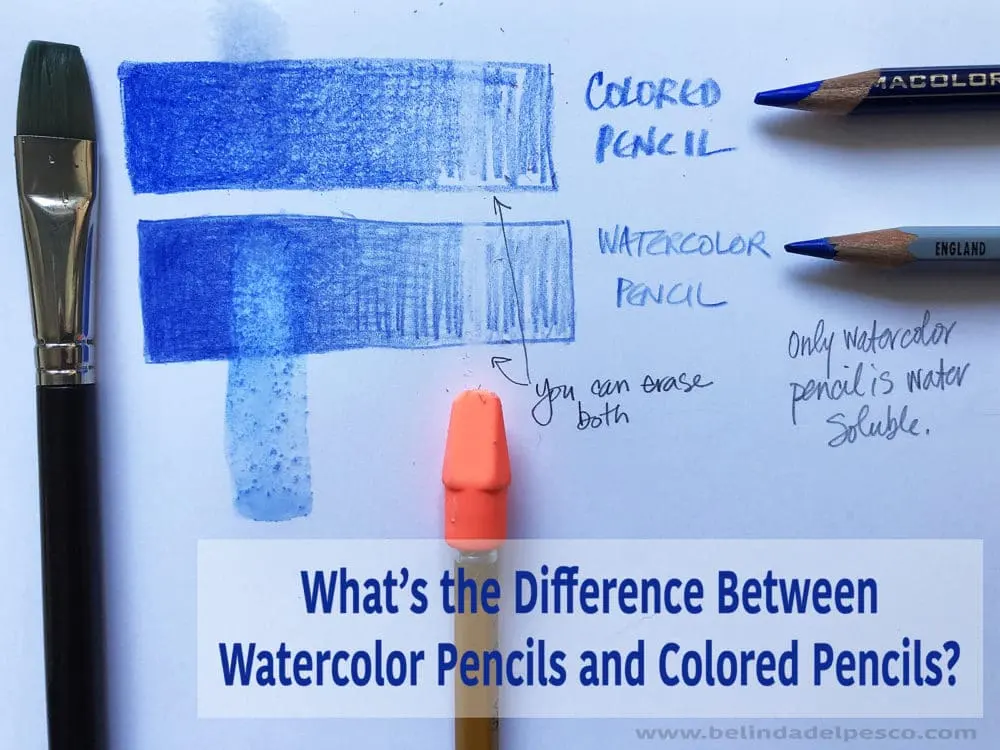
Colored pencils use wax or oil-based binders that remain permanent on the page, creating rich, opaque layers without water. Watercolor pencils contain water-soluble binders, allowing artists to transform dry marks into paint-like washes by applying a wet brush. While they look identical in appearance, their chemical compositions dictate entirely different creative workflows.
On this page
How do colored pencils and watercolor pencils differ in composition?
Colored pencils are constructed using pigments mixed with a binder, typically wax or oil. These binders ensure the pigment adheres to the paper surface and remains stable, meaning the marks cannot be altered or moved once applied. Because the binder is hydrophobic, the drawing remains crisp and dry, making it ideal for detailed work that requires layering and blending without the risk of accidental smudging or reactivation.
Watercolor pencils, conversely, are formulated with a water-soluble binder, such as gum arabic. When you apply water to these marks, the binder dissolves, releasing the pigment to create a fluid, paint-like consistency. This allows for a unique hybrid approach where you can draw like a traditional pencil and then transform the drawing into a watercolor painting. The key difference lies in the binder’s reaction to moisture, which fundamentally changes how the medium behaves on the paper.
How to use watercolor pencils effectively
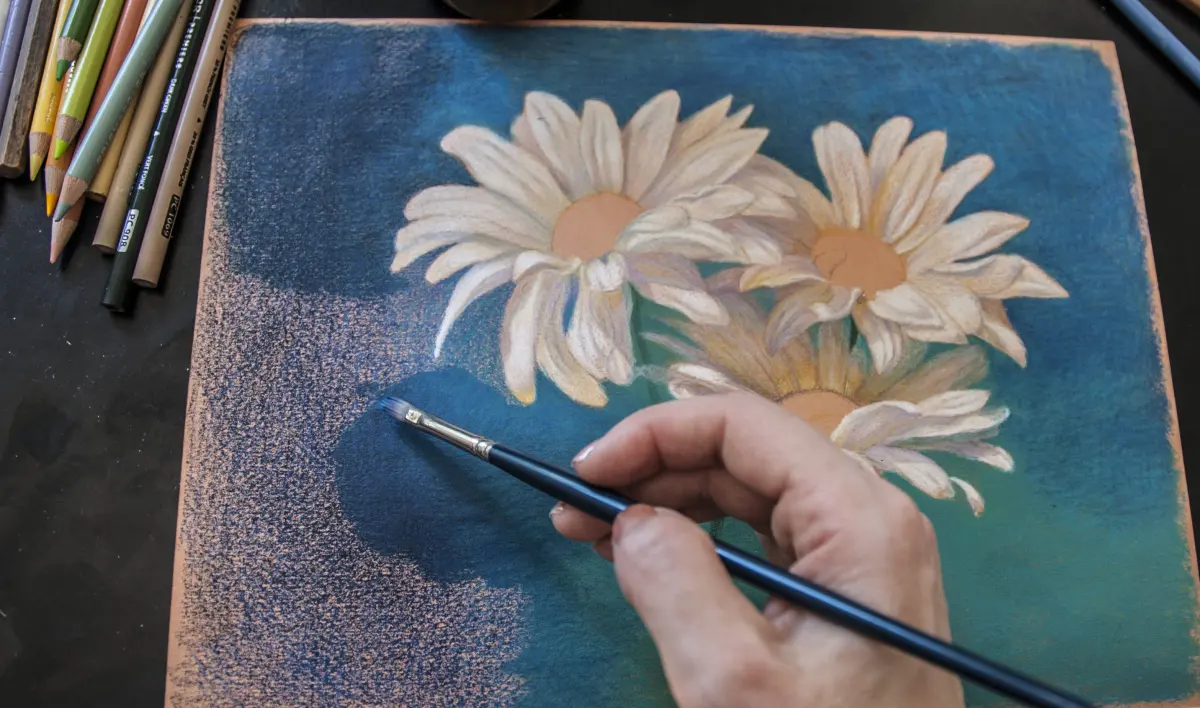
Using watercolor pencils requires a two-step process that balances drawing and painting techniques. You begin by applying color to the paper, either lightly for soft tones or heavily for intense saturation. Once the drawing is complete, you introduce water to blend the pigments and create smooth transitions.
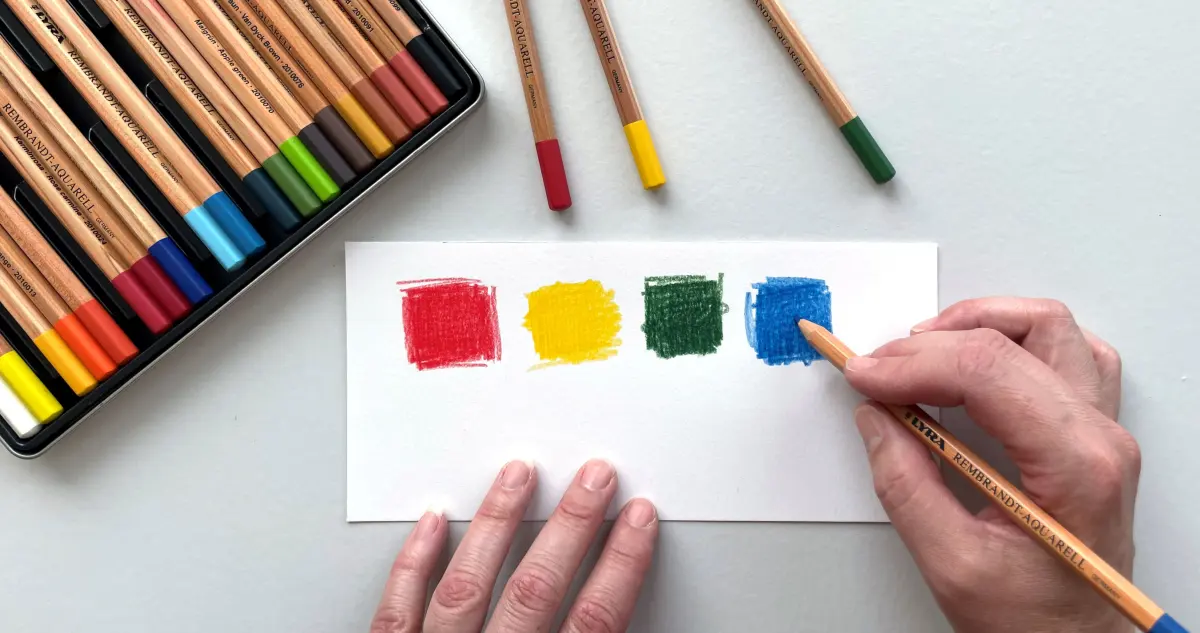
- Apply your dry pencil marks to the paper, keeping in mind that the color will intensify once wet.
- Use a damp synthetic brush to gently drag over the pencil lines, turning the strokes into a wash.
- Allow the paper to dry completely before adding additional dry details or layers on top.
- Clean your brush thoroughly between colors to prevent muddying your palette or the drawing surface.
Avoid using too much water, as this can buckle the paper or cause the pigment to bleed outside your intended lines. Start with a slightly damp brush and add more moisture only as needed to achieve your desired effect.
Which pencil type is best for different art styles?
The choice between these two mediums depends largely on the desired finish and the level of control you require. Colored pencils are superior for hyper-realistic drawings, intricate portraits, and projects where fine, sharp lines are essential. Because they do not react to moisture, they are excellent for building up complex textures through layering and burnishing, which is the process of pressing hard to create a smooth, glossy finish.
Watercolor pencils are better suited for artists who enjoy the spontaneity of painting but want the precision of a pencil. They are excellent for sketching on the go, as you only need a small water brush to complete a full-color painting. They allow for a more expressive, loose style that mimics traditional watercolor techniques. Consider these factors when choosing your tools:
- Choose colored pencils for: high-detail illustrations, architectural renderings, and polished, opaque finishes.
- Choose watercolor pencils for: loose landscapes, mixed-media art, travel sketching, and quick color studies.
Common mistakes when using watercolor pencils
A frequent error is applying too much pressure during the initial drawing phase, which can leave deep indentations in the paper. These grooves often remain visible even after the pigment has been washed with water, creating an uneven surface texture. It is better to build color in light, cross-hatched layers rather than pressing down hard to achieve darkness.
Another common mistake is failing to use the correct paper. Standard drawing paper is often too thin and will warp or tear when exposed to water. You should always use paper specifically designed for watercolors, which is heavier and sized to handle moisture without buckling. Additionally, many beginners try to blend too many colors at once, which often results in a muddy, brownish appearance. Always test your color combinations on a scrap piece of paper before applying them to your final work to ensure the pigments mix cleanly.
How to maintain and store your pencils
Proper storage is critical for both types of pencils to ensure the lead remains intact and the wood casing does not warp. Always store your pencils in a cool, dry place, as extreme heat can melt the wax in colored pencils, while excess humidity can cause the water-soluble binders in watercolor pencils to degrade or become sticky. Using a sturdy pencil case or a wooden box with individual slots prevents the tips from breaking during transport.
Regular maintenance also involves using a high-quality sharpener. Cheap sharpeners can chew up the wood and snap the delicate cores, especially in softer, wax-based pencils. If you notice the lead breaking frequently, consider rotating the pencil slightly while sharpening or using a manual sharpener to have more control. By keeping your tools in good condition, you ensure that your artistic process remains smooth and that your pencils last for years of creative use.
Key facts
- Colored pencils use a wax or oil-based binder that creates a permanent, water-resistant layer on paper.
- Watercolor pencils contain a water-soluble binder, allowing the pigment to dissolve and spread when brushed with water.
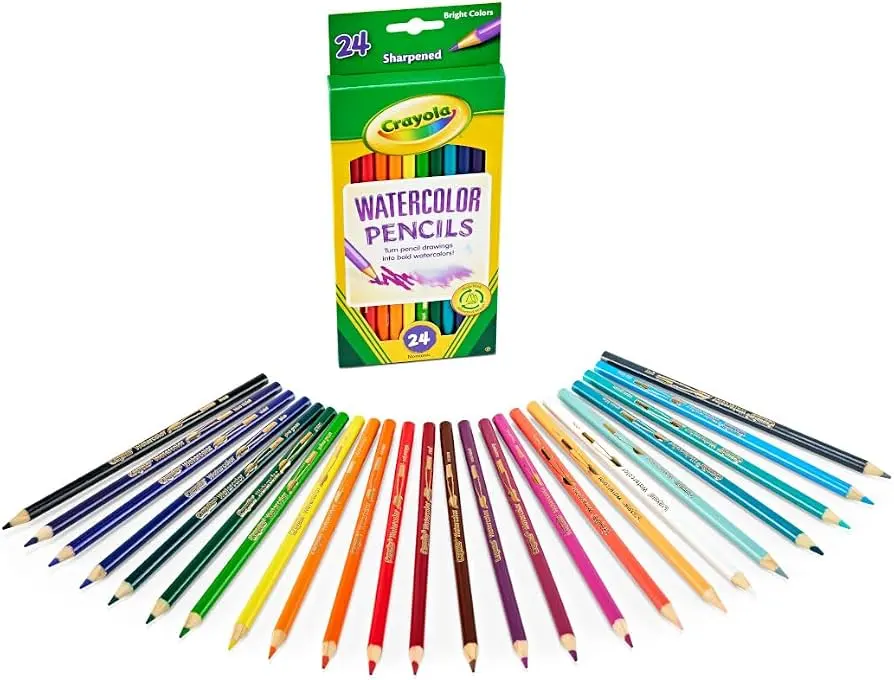
- You can identify watercolor pencils by the small paintbrush icon usually printed on the barrel of the pencil.
- Apply watercolor pencils dry for fine details, then use a damp brush to transform the strokes into a painted effect.
- Avoid using too much water on standard paper, as it may cause the fibers to pill or tear; use heavy-weight watercolor paper instead.
- Layering dry watercolor pencil over dried wet washes creates depth, whereas standard colored pencils resist further blending once the wax has set.
The bottom line
The primary difference lies in the binder: wax or oil for standard colored pencils and water-soluble gum for watercolor pencils. Choose colored pencils for rich, layered textures that remain stable, or select watercolor pencils if you desire the versatility of both drawing and painting. For the best results, always test your chosen medium on the specific paper weight you intend to use for your final artwork.
People also ask
Can I use regular colored pencils with water?
No, standard colored pencils are designed to be water-resistant and will not dissolve or blend when water is applied. Attempting to do so may damage the paper surface without achieving a painterly effect.
Do watercolor pencils fade faster than standard colored pencils?
Lightfastness depends on the quality of the pigments used rather than the binder itself. Both types are available in professional grades with high lightfastness ratings or student grades that may fade over time.
Can I mix watercolor pencils and regular colored pencils in one drawing?
Yes, but you should apply the watercolor pencils first and activate them with water. Once the paper is completely dry, you can add details or texture using wax-based colored pencils on top.
What kind of brush should I use with watercolor pencils?
Use a synthetic round brush, typically in sizes 2 through 6, to control the water flow. Natural hair brushes are often too soft, while synthetic brushes provide the necessary snap for precise blending.
Is it better to apply water to the pencil tip or the paper?
You can do both, but applying water to the paper is best for large areas. Dipping the pencil tip directly into water allows for intense, concentrated lines, though it can wear down the pencil point quickly.
Do watercolor pencils work on canvas?
They can be used on primed canvas, but the results will differ from paper. The texture of the canvas may make it difficult to achieve smooth gradients, and the pigment may not lift as easily.
This answer was created with the help of AI research tools and reference sources. Spotted an error? Let us know — we correct mistakes quickly. See our editorial policy.