Art Supplies & Tools
How do you shade with colored pencils?
Shading with colored pencils involves layering pigments to create depth, dimension, and smooth transitions. By controlling…
Questions and answers about colored pencil.
Shading with colored pencils involves layering pigments to create depth, dimension, and smooth transitions. By controlling…
Applying colored pencils directly to smooth metal is ineffective because the wax cannot grip the non-porous surface. To color…
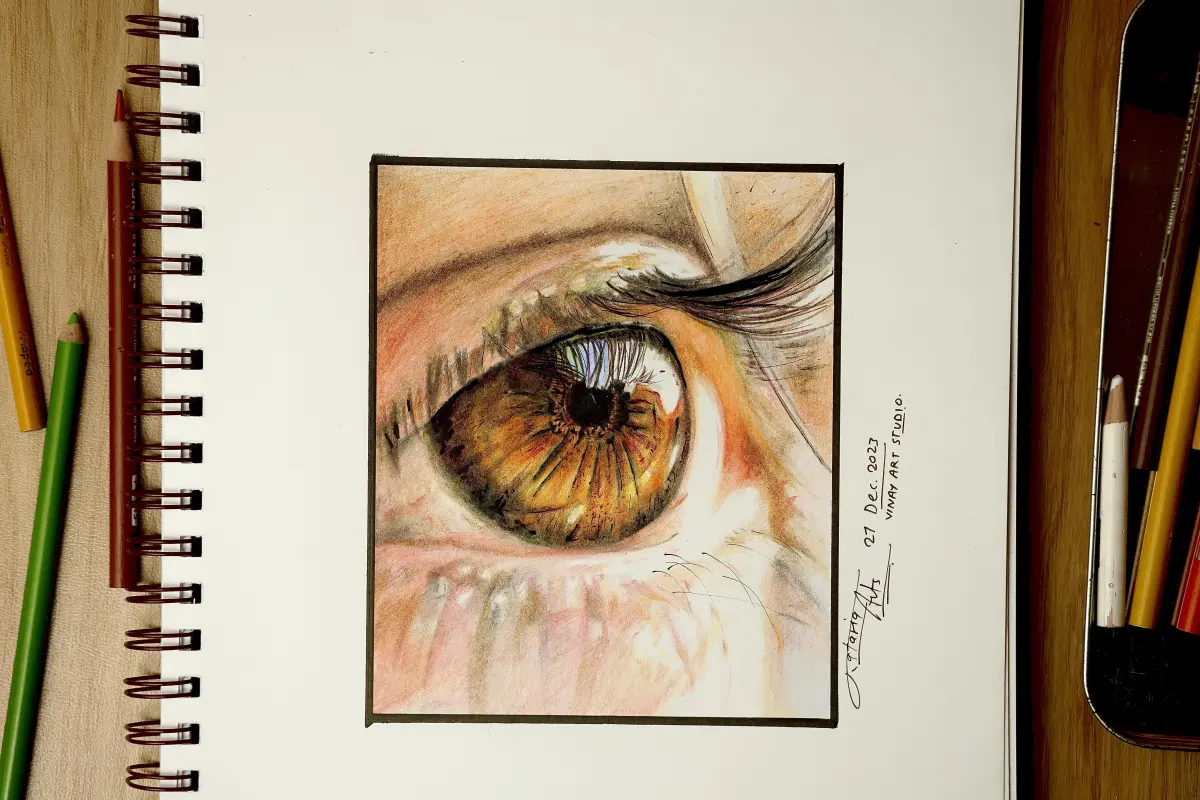
Drawing realistic eyes requires layering translucent colors, starting with light tones and gradually building depth. Focus on…
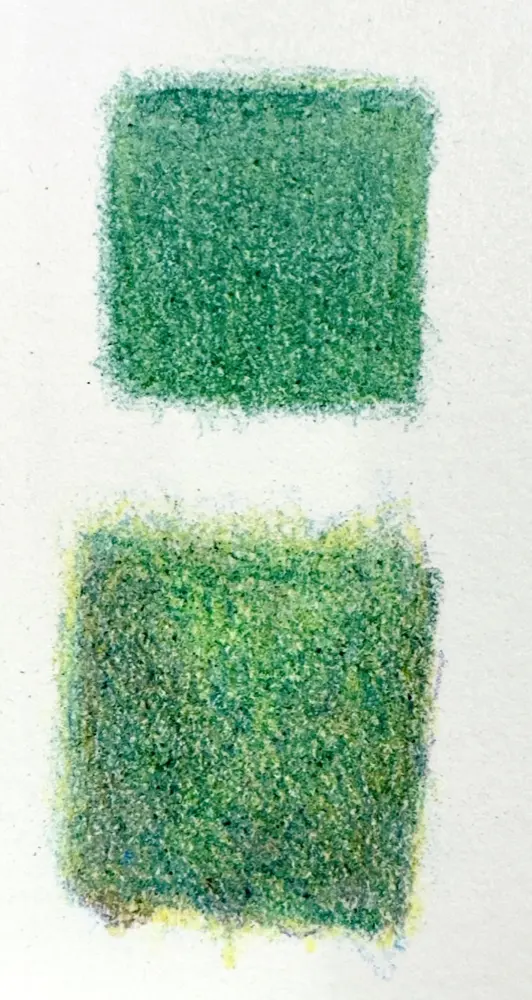
Layering colored pencils involves applying multiple thin, translucent applications of pigment to build depth, intensity, and…
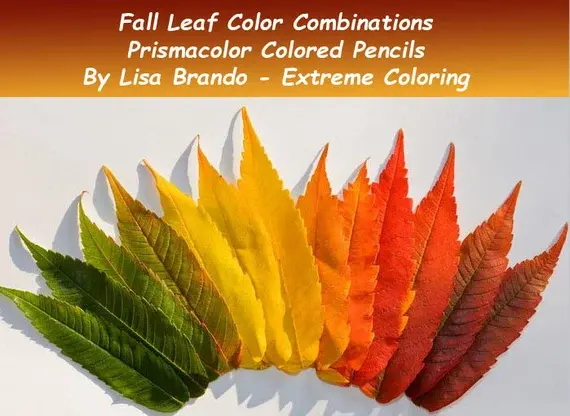
Coloring leaves with colored pencils requires layering multiple hues to achieve natural depth. Begin with a light base layer…
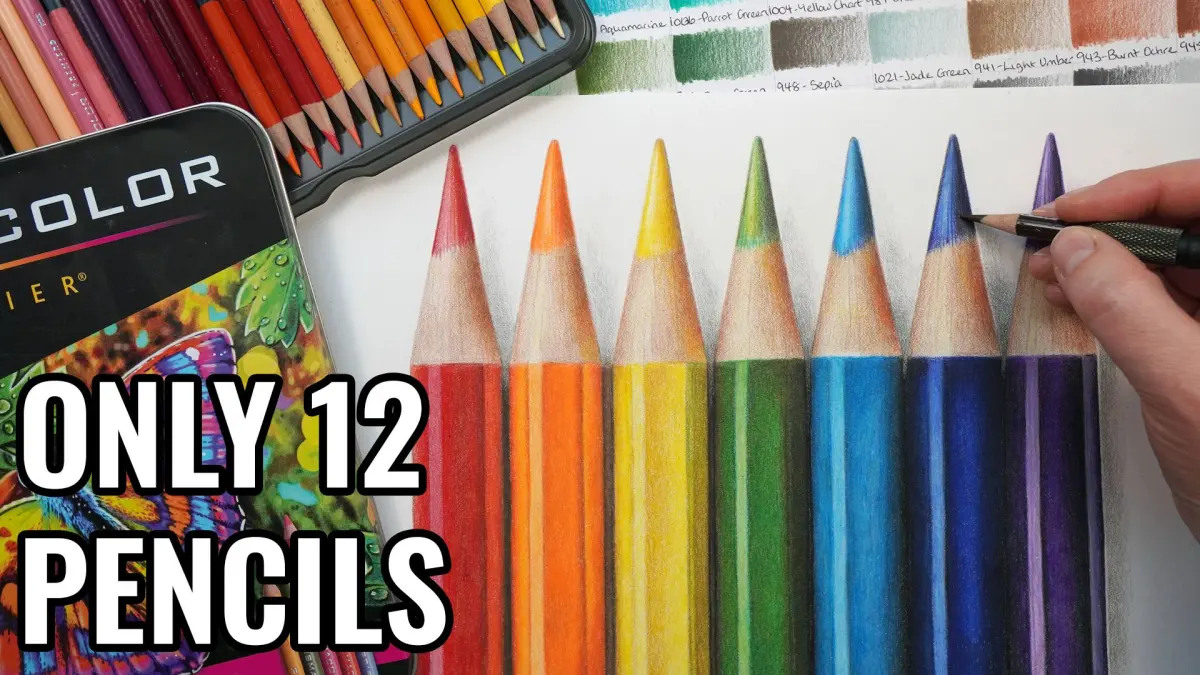
The best colored pencils for beginners are wax-based, student-grade options like Prismacolor Premier Scholar or Faber-Castell…
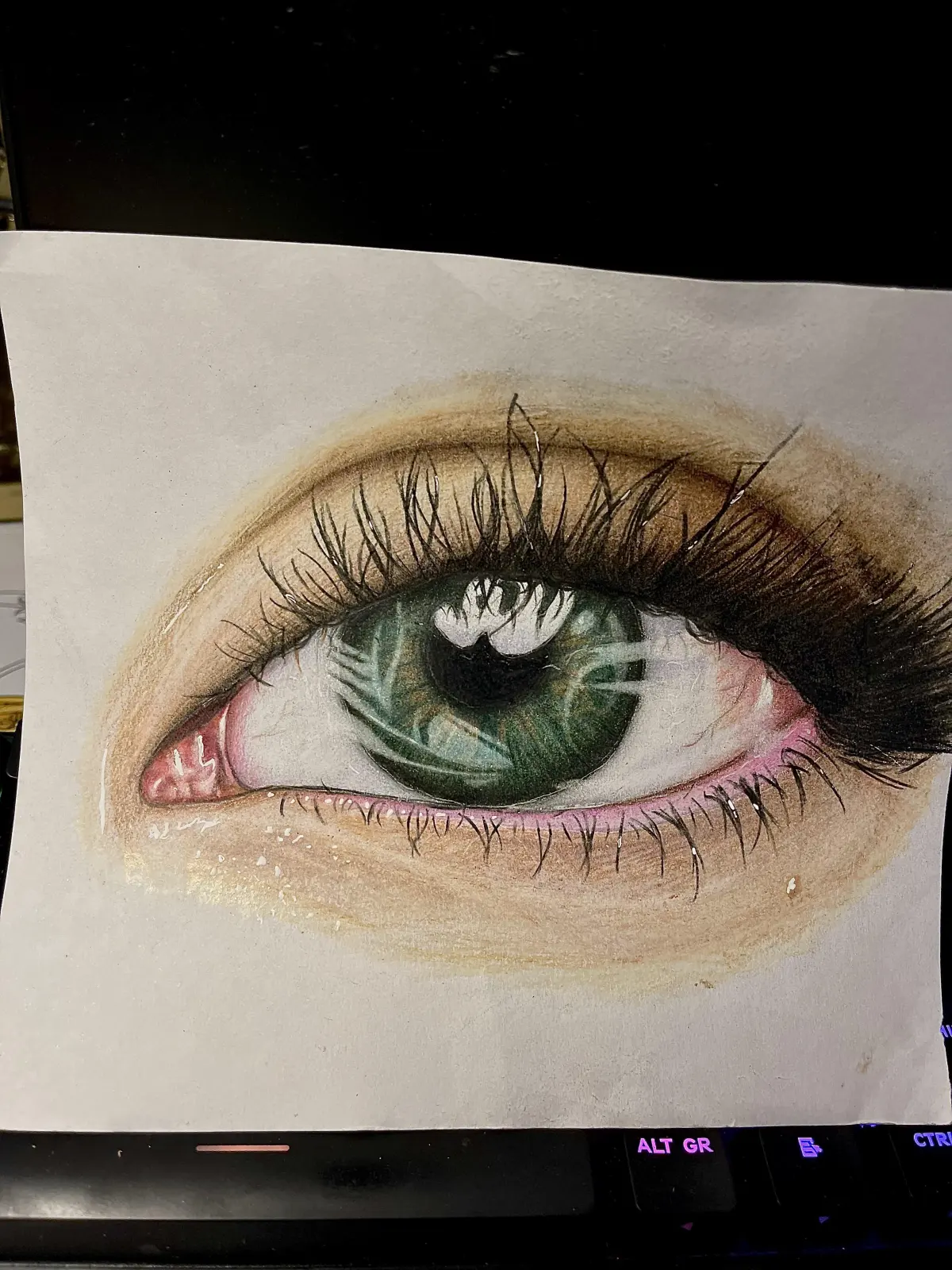
Coloring realistic eyes with colored pencils requires layering light to dark pigments, starting with a base coat and building…
Colored pencils originated from early drawing tools using graphite and pigment mixtures. While artists experimented with…
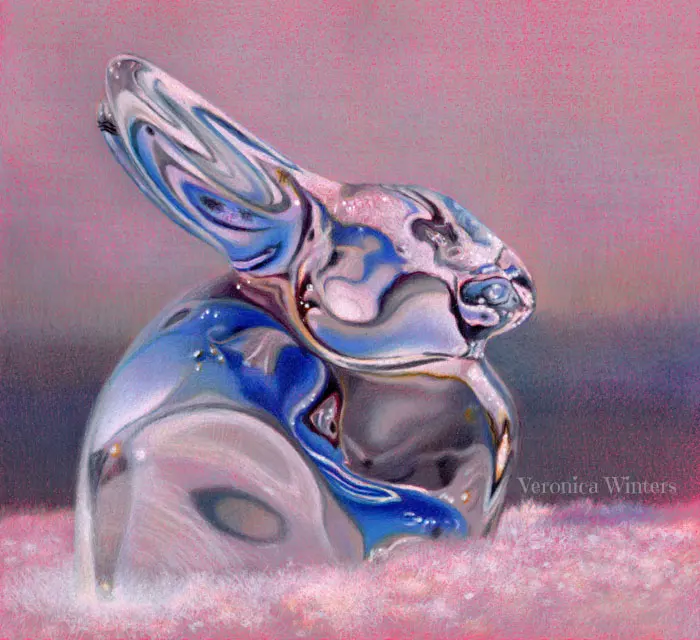
You cannot color glass directly with standard colored pencils because the wax or oil binders will not adhere to the smooth…
Coloring skin with colored pencils requires layering light base tones followed by gradual shadows and highlights. Use a light…
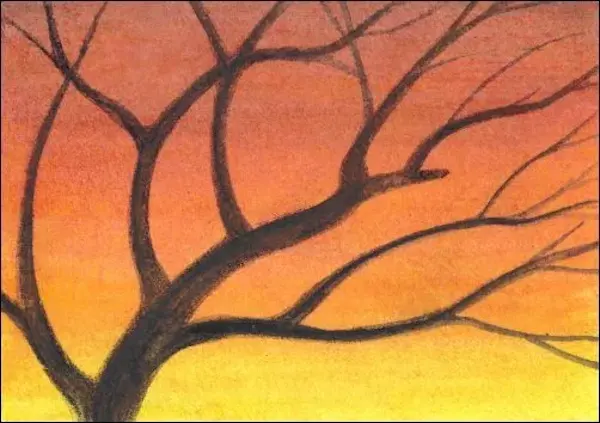
Coloring a sunset requires a layered approach, starting with light yellows and transitioning through oranges, reds, and deep…
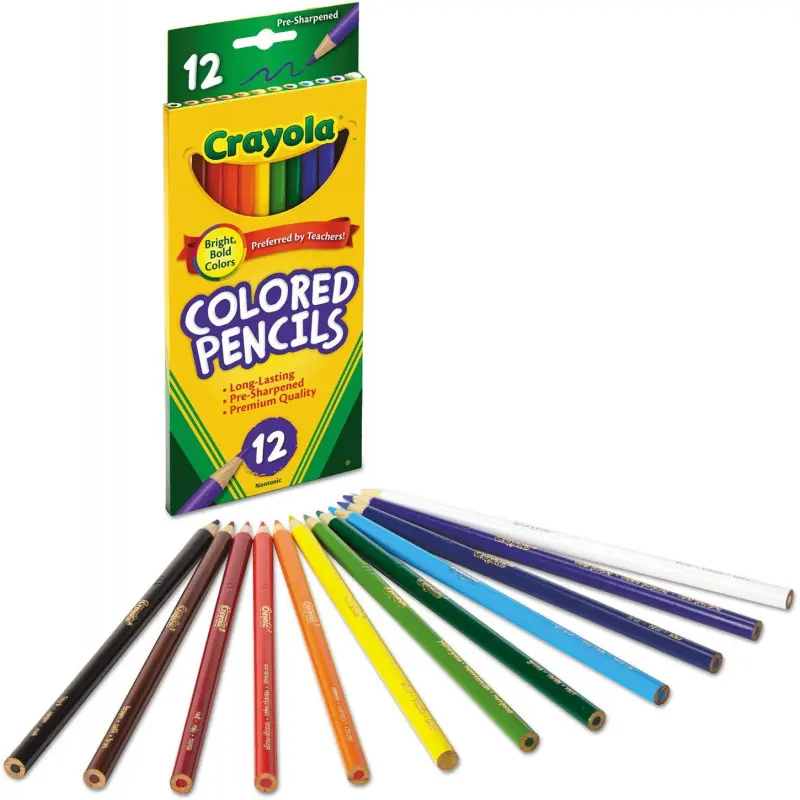
Using colored pencils involves layering pigments to build depth, texture, and vibrant color. By controlling pressure and…
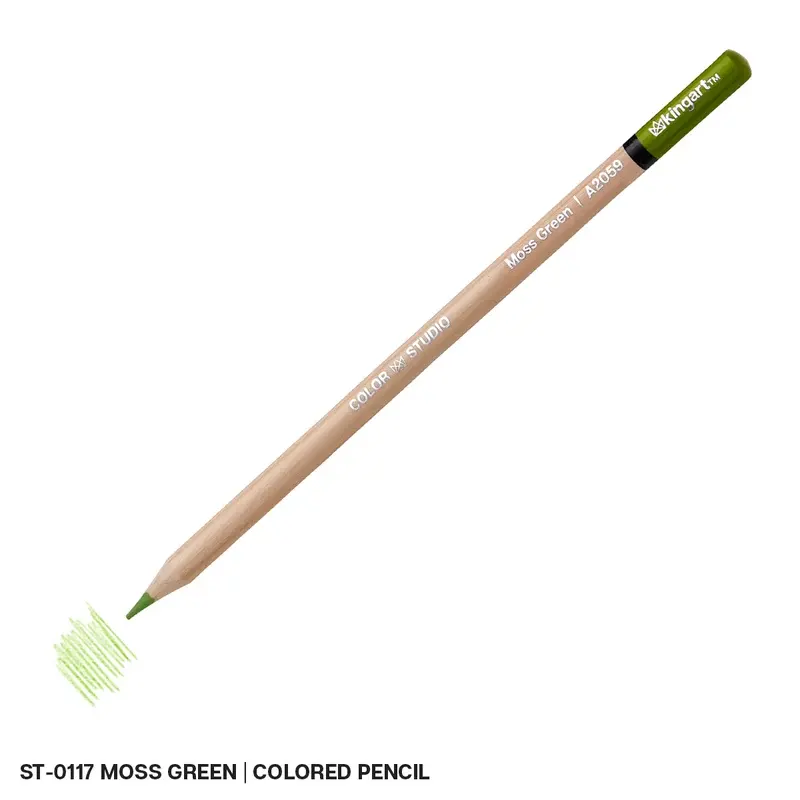
Coloring grass effectively requires layering multiple shades of green and applying directional strokes to mimic individual…
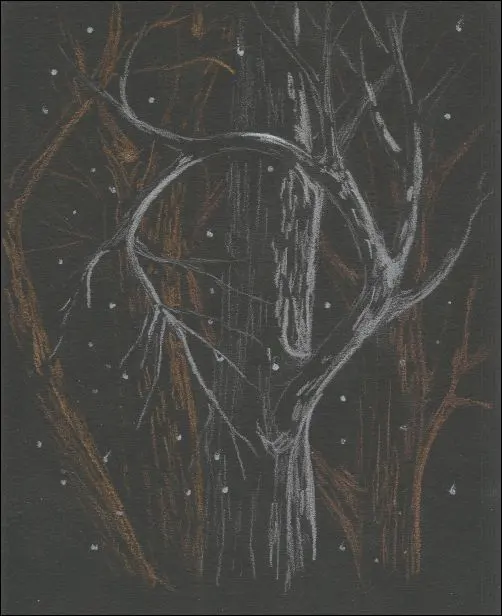
Drawing on dark paper requires opaque, high-pigment pencils, such as wax-based or oil-based brands, to ensure colors stand out…
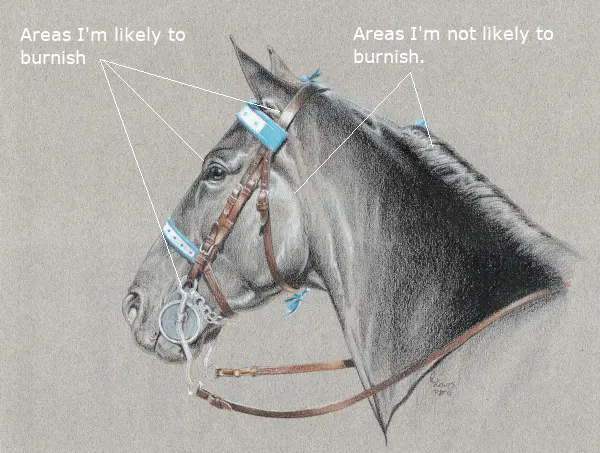
Burnishing is the technique of applying heavy pressure to colored pencil layers to compress the pigment into the paper’s tooth…
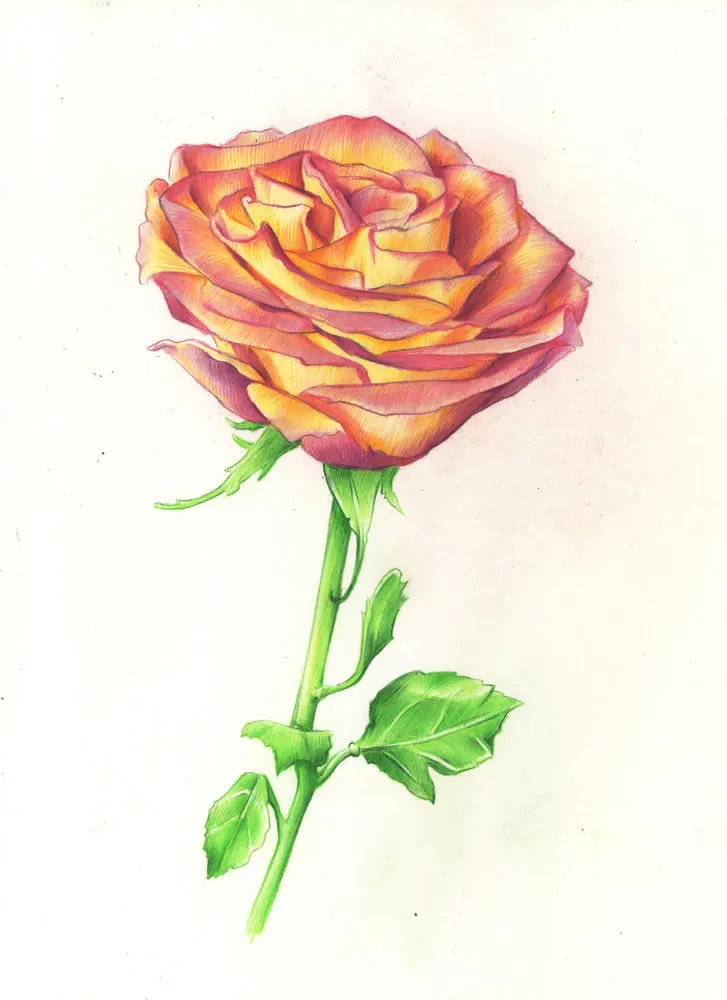
Coloring roses with colored pencils requires building depth through layering and pressure control. Start with light base tones…
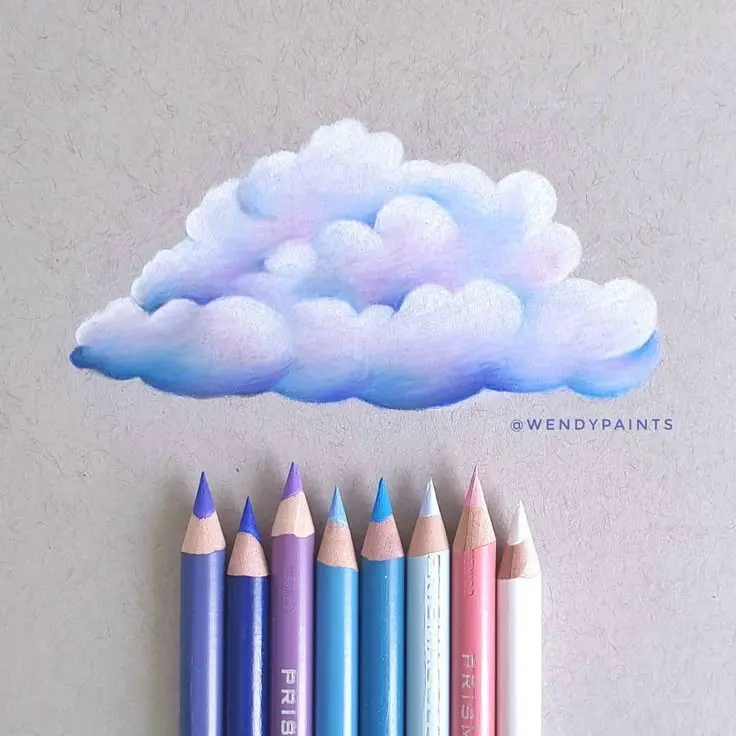
Coloring realistic clouds with colored pencils requires layering light colors, preserving white space for highlights, and using…
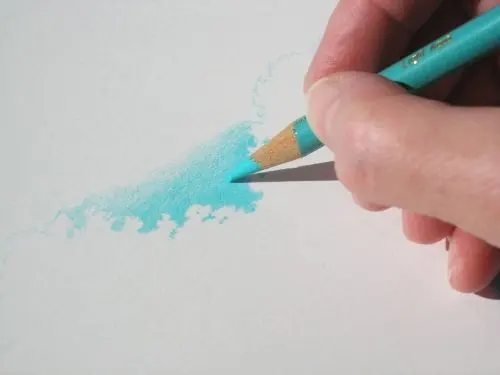
Coloring a realistic sky with colored pencils requires layering light colors, using light pressure, and blending with a…
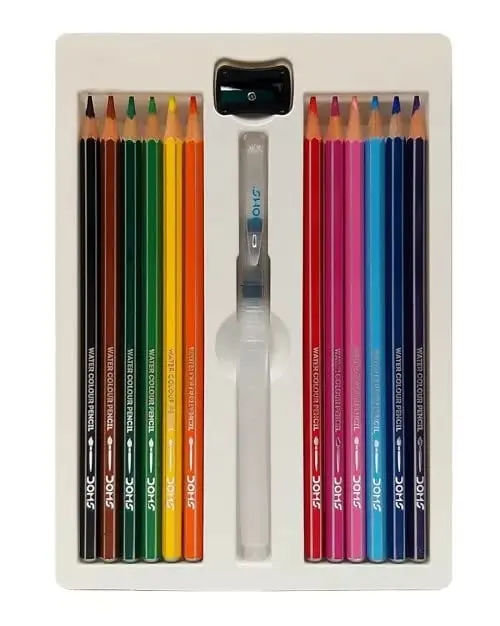
You cannot color water directly with dry colored pencils because the wax or oil binders do not dissolve in liquid. To achieve a…
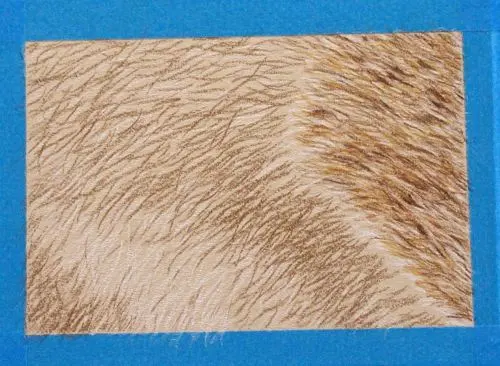
Coloring fur with colored pencils requires building layers from light to dark, using sharp pencils to mimic individual hair…
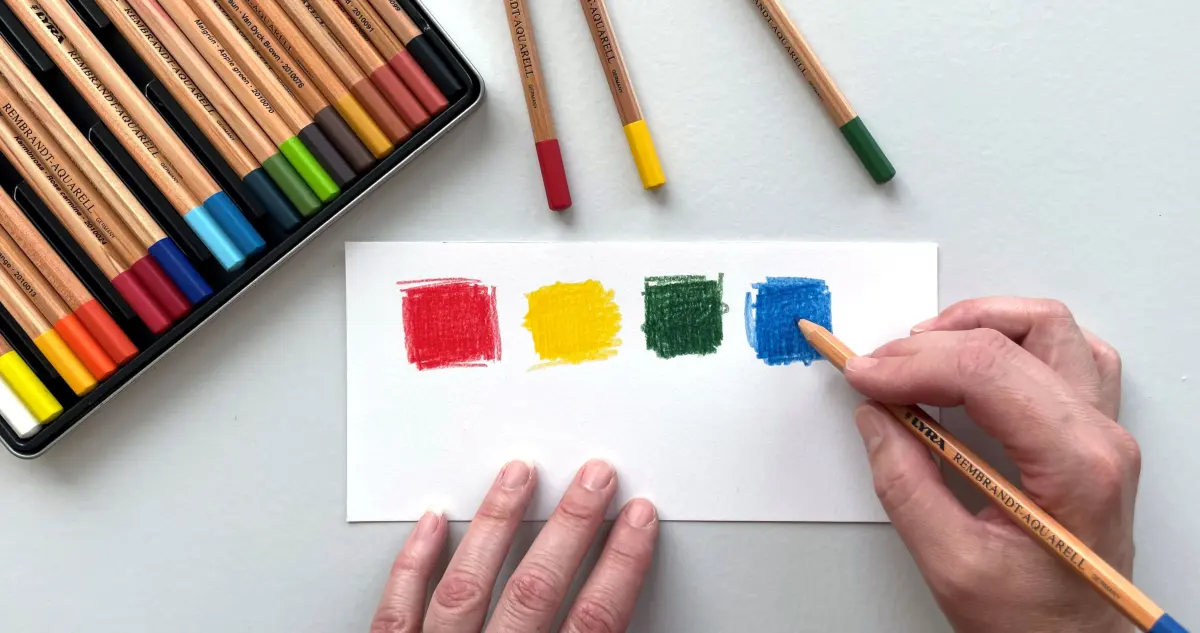
Colored pencils use wax or oil-based binders that remain permanent on the page, creating rich, opaque layers without water…
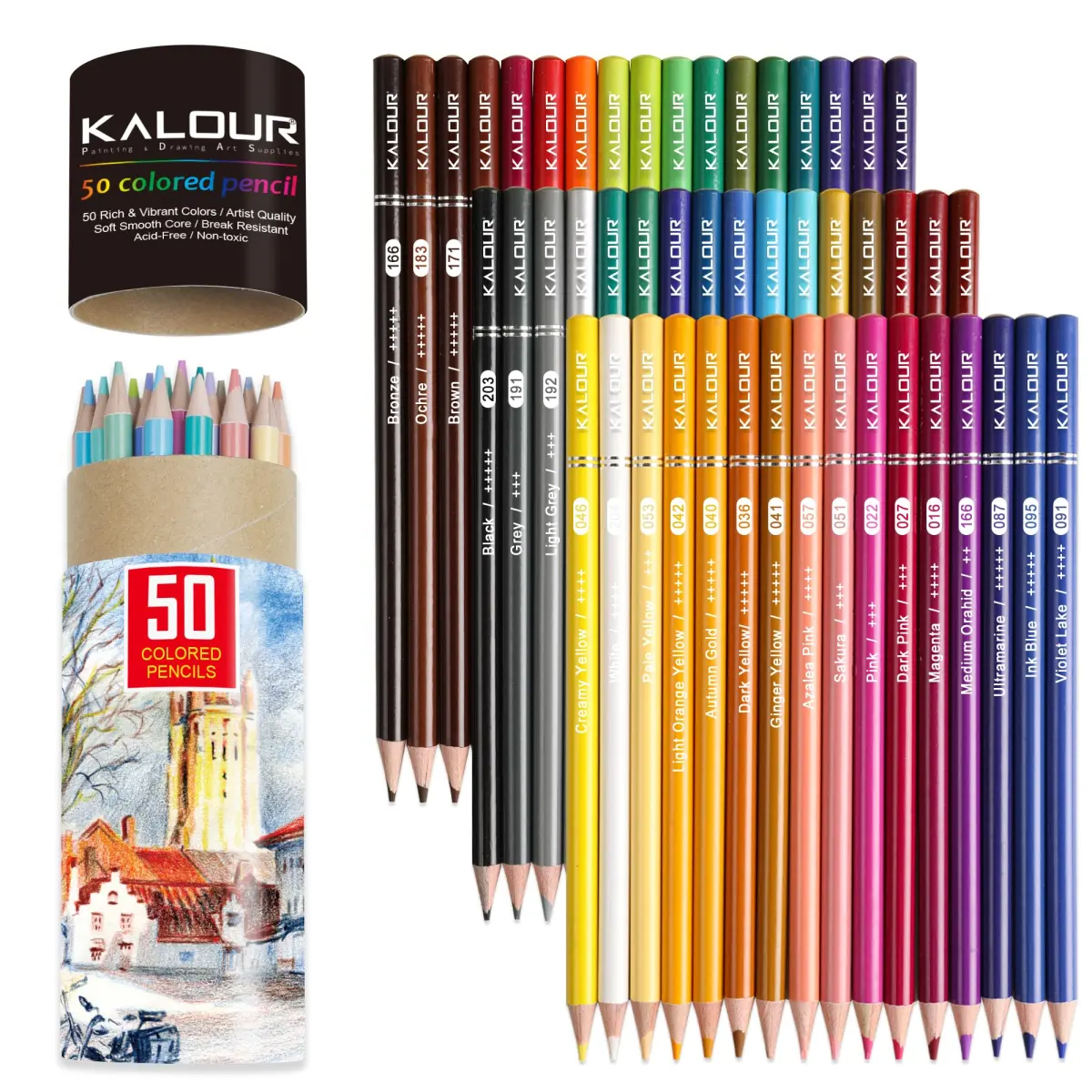
Coloring shadows with colored pencils requires moving beyond black or grey to create depth and realism. By selecting…
Layering is a colored pencil technique involving the application of multiple translucent colors over one another to create…
Coloring wood with colored pencils involves layering pigment onto a sanded, porous surface to achieve vibrant, artistic effects…