How do you color glass with colored pencils?
Short answer
You cannot color glass directly with standard colored pencils because the wax or oil binders will not adhere to the smooth, non-porous surface. To achieve this effect, you must first apply a specialized primer, such as a matte spray fixative or a clear gesso, to create a "tooth" for the pigment.
On this page
How to prepare glass for colored pencils
Glass is inherently non-porous, meaning it lacks the microscopic texture required to grab and hold the wax or oil-based pigments found in colored pencils. If you attempt to draw directly on a clean glass surface, the pencil will simply slide off, leaving behind no color or only faint, streaky marks. To overcome this, you must alter the surface chemistry of the glass.
The most effective method involves applying a thin, even layer of a matte spray fixative or a clear acrylic medium. These substances provide a rough, translucent surface that mimics the texture of heavy drawing paper. Once the coating is completely dry, the pigments will settle into the microscopic valleys of the primer, allowing you to layer and blend colors with much greater control.
- Clean the glass thoroughly with isopropyl alcohol to remove all fingerprints and oils.
- Apply a light, even coat of matte spray fixative or clear gesso in a well-ventilated area.
- Allow the surface to cure for at least 24 hours to ensure maximum adhesion.
- Test a small corner to ensure the pigment adheres before beginning your final design.
Best colored pencils for glass surfaces
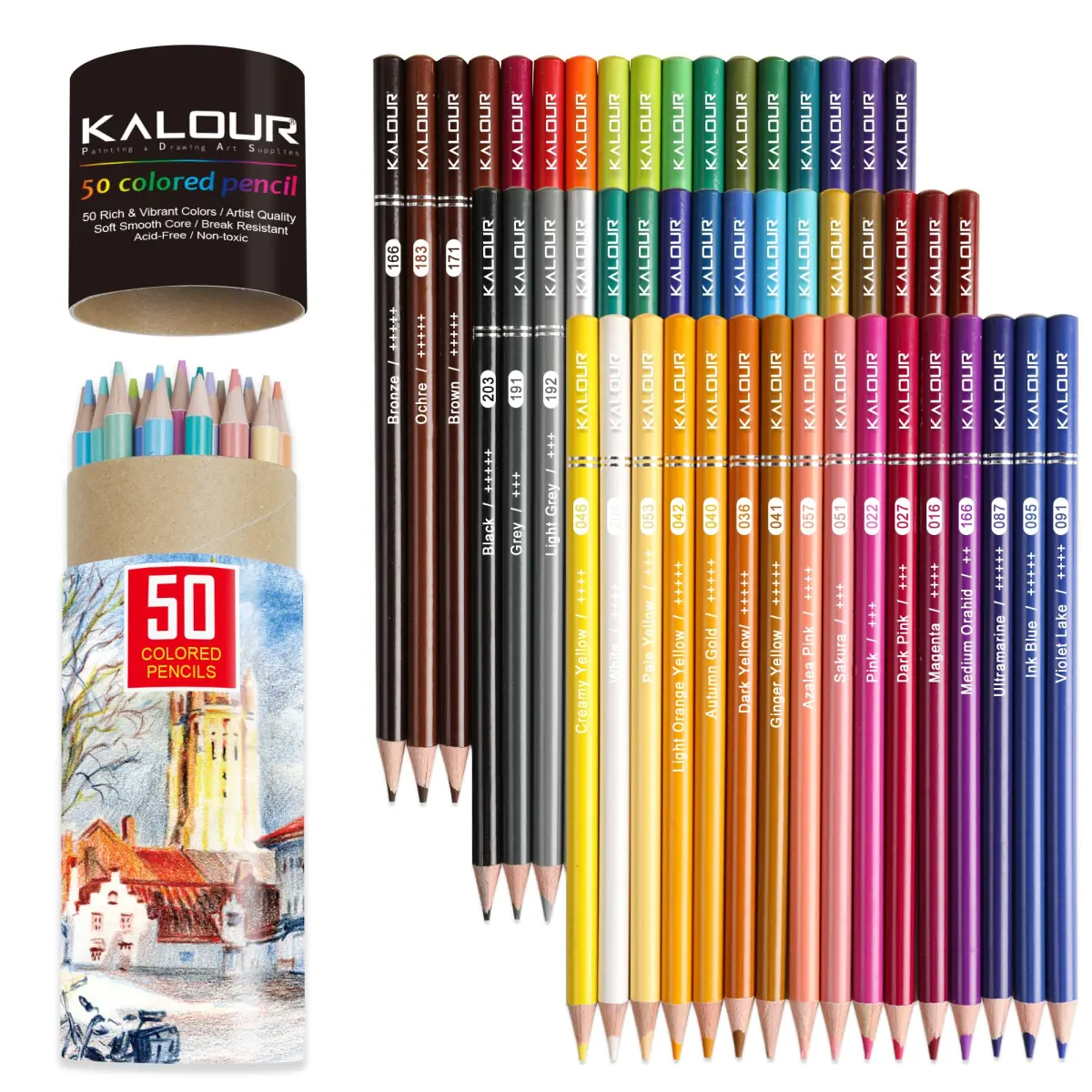
Not all colored pencils are created equal when working on non-traditional surfaces like glass. Professional-grade pencils with high wax content, such as Prismacolor Premier, are generally preferred because they are soft and opaque. This softness allows the pigment to transfer more easily onto the primed glass surface, providing the rich, saturated color needed to compensate for the transparency of the glass.
Oil-based pencils, such as Faber-Castell Polychromos, are also excellent choices because they are harder and less prone to breaking under pressure. Because you are working on a fragile, rigid surface, the ability to maintain a sharp point is essential for fine detail work. Regardless of the brand, always choose lightfast pigments if your finished piece will be displayed in a location that receives direct sunlight, as lower-quality dyes will fade rapidly.
- Wax-based pencils: Offer superior blending and vibrant, creamy application.
- Oil-based pencils: Provide durability, precision, and better resistance to smudging.
- Pastel pencils: Can be used for soft, ethereal effects but require a heavy fixative.
How to layer and blend on glass
Layering on glass requires a delicate touch because the primer layer is significantly thinner than standard art paper. If you press too hard, you risk scraping the primer off the glass entirely, which will ruin the texture and cause the color to flake away. Start with light, circular motions to build up a base layer, gradually increasing pressure as you add more pigment.
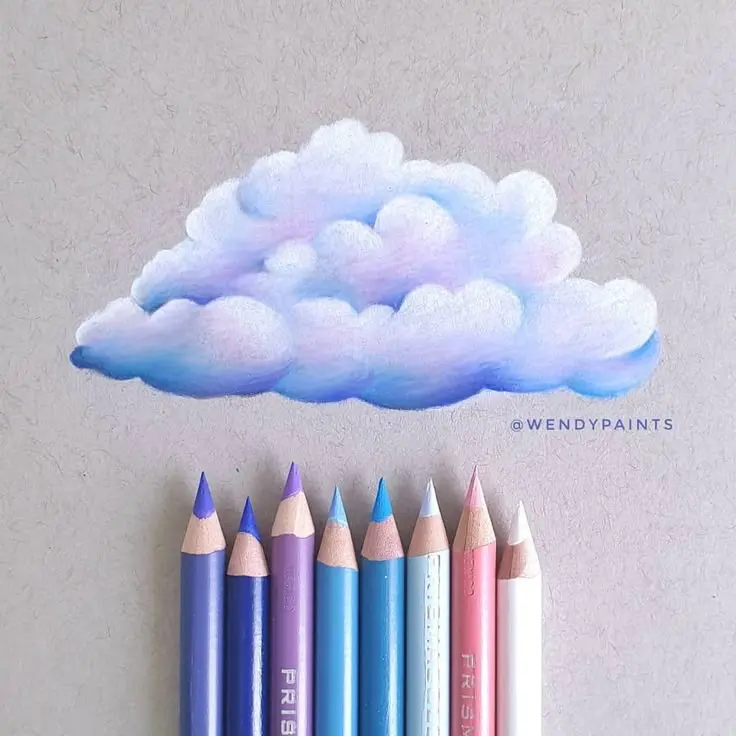
Blending on glass is best achieved using a colorless blender pencil or a paper stump. Because the surface is rigid, you do not have the "give" of a soft backing, so you must be careful not to overwork the area. If you find the colors are not blending smoothly, add a tiny amount of odorless mineral spirits to a cotton swab and gently buff the area. This will dissolve the wax binders and create a smooth, painterly finish.
Common mistakes when coloring glass
One of the most frequent errors is failing to degrease the glass before priming. Even invisible oils from your skin prevent the primer from bonding correctly, which leads to peeling or "bald spots" in your drawing later on. Always handle the glass by the edges or wear thin cotton gloves during the preparation process to maintain a pristine surface.
Another common mistake is applying the primer too thickly. A heavy layer of gesso or fixative will appear cloudy or textured, which obscures the natural beauty of the glass and makes it difficult to achieve fine details. Aim for a thin, translucent mist. Additionally, many beginners forget to seal their work once it is finished. Because the pigment sits on top of a thin primer, it is highly susceptible to scratching. A final coat of archival spray varnish is necessary to protect the artwork from dust and physical contact.
How to preserve your colored glass art
Preservation is critical for glass-based projects because the artwork is inherently fragile and prone to environmental degradation. If the glass piece is intended for functional use, such as a vase or a drinking glass, you must understand that colored pencil is not food-safe or dishwasher-safe. These projects should be treated as decorative art pieces rather than utilitarian objects.
To keep your work looking vibrant, display the piece in a location away from extreme temperature fluctuations and high humidity, which can cause the primer to lift or the glass to expand and contract. If you are framing a glass sheet, use spacers to ensure the drawing does not touch the frame’s backing or the front glazing. By using archival-grade primers and high-quality lightfast pencils, you can ensure that your glass artwork remains a beautiful, long-lasting display piece for many years to come.
Key facts
- Glass is non-porous, meaning standard wax-based colored pencils will not adhere to its surface without a primer.
- A thin layer of clear acrylic spray or a specialized glass primer must be applied to the surface to create "tooth."
- Oil-based colored pencils generally perform better on glass surfaces than soft wax-based pencils.
- Using a heat gun to gently warm the glass can help the binder in the pencil pigment adhere more effectively.
- Once the artwork is finished, it must be sealed with a fixative spray to prevent the pigment from rubbing off.
- Avoid using water-soluble pencils on glass, as they will bead up and fail to create a solid layer of color.
The bottom line
Coloring glass with pencils is a creative process that relies on preparation rather than the pencils themselves. By applying a matte primer to the glass, you create a surface that can hold pigment. Once the drawing is complete, applying a protective fixative is essential to prevent smudging. While this technique is perfect for decorative vases or window art, it is not suitable for items used for food.
People also ask
Can I use colored pencils directly on a mirror?
You can, but you must first apply a clear matte medium or a light dusting of spray primer. Without this preparation, the pencil lead will simply slide across the slick surface without leaving any visible pigment.
Is the color permanent once applied to glass?
The color is not permanent unless protected by a high-quality sealant or clear acrylic spray. Even with sealant, the pigment remains susceptible to scratching, so it is best for decorative items rather than functional glassware.
What is the best way to erase mistakes on glass?
Mistakes can be easily removed using a cotton swab dipped in isopropyl alcohol or a specialized glass cleaner. Because the pigment sits on top of the primer rather than soaking into the material, it lifts away cleanly.
Will colored pencil drawings on glass fade in sunlight?
Most colored pencil pigments are lightfast, but the binder and the primer layer can yellow or degrade when exposed to direct UV rays. Keep your finished glass projects away from windows to ensure the colors remain vibrant.
Can I drink from a glass colored with pencils?
You should never color the interior or the rim of a glass intended for drinking. The materials used for priming and sealing are generally not food-safe and could pose health risks if ingested.
Do I need to sharpen my pencils more often when drawing on glass?
Yes, the abrasive nature of the primer used on glass will dull your pencil tips much faster than paper. Keep a sharpener nearby and use a light touch to prevent the point from snapping under pressure.
This answer was created with the help of AI research tools and reference sources. Spotted an error? Let us know — we correct mistakes quickly. See our editorial policy.