What is character design?
Short answer
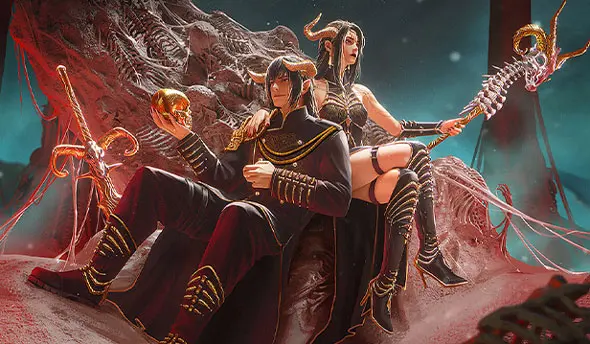
Character design is the creative process of developing a visual identity for a fictional character. It involves defining physical traits, clothing, personality, and silhouettes to communicate a character’s role and story to an audience. Designers use shape language, color theory, and anatomy to ensure that a character is both memorable and functional.
On this page
What is the purpose of character design?
Character design serves as a visual shorthand that allows an audience to understand a character’s personality and motivations before they even speak. By manipulating physical proportions and attire, designers can signal whether a character is a hero, a villain, or a neutral bystander. This practice is essential in animation, video games, and comic books, where visual clarity must be maintained across hundreds of frames or complex environments.
The core of effective design lies in storytelling through form. For instance, a character with sharp, angular features often suggests aggression or danger, while soft, rounded shapes typically imply friendliness or vulnerability. This psychological connection is a fundamental tool used by professionals like those at Disney or Pixar to ensure that a character’s design aligns perfectly with their role in the narrative. Ultimately, the goal is to create a design that remains recognizable even when rendered as a simple silhouette.
How to design a character step by step
Creating a compelling character requires a structured approach that balances artistic creativity with technical constraints. Designers must consider the character's environment and the medium in which they will appear to ensure the final product is practical and effective.
- Define the character’s personality and backstory to identify key traits that need to be expressed visually.
- Sketch rough silhouettes to establish a unique shape that differentiates the character from others in the cast.
- Apply shape language, using circles for soft characters and triangles or squares for more active or stable personalities.
- Select a color palette that reflects the character’s emotional tone and ensures they stand out against their background.
- Refine the details, such as clothing, accessories, and gear, ensuring they serve a functional purpose in the character's life.
Following these steps helps maintain consistency throughout the development process. It prevents the designer from becoming overwhelmed by unnecessary details while ensuring that the character remains grounded in the story’s logic.
What are the best tools for character design?
Modern character design relies on a mix of traditional techniques and digital technology. Many designers begin with physical sketchbooks and pencils to capture raw ideas, as the tactile nature of paper can lead to more fluid and organic shapes. Once the concept is established, artists transition to digital platforms to refine the work and add color.
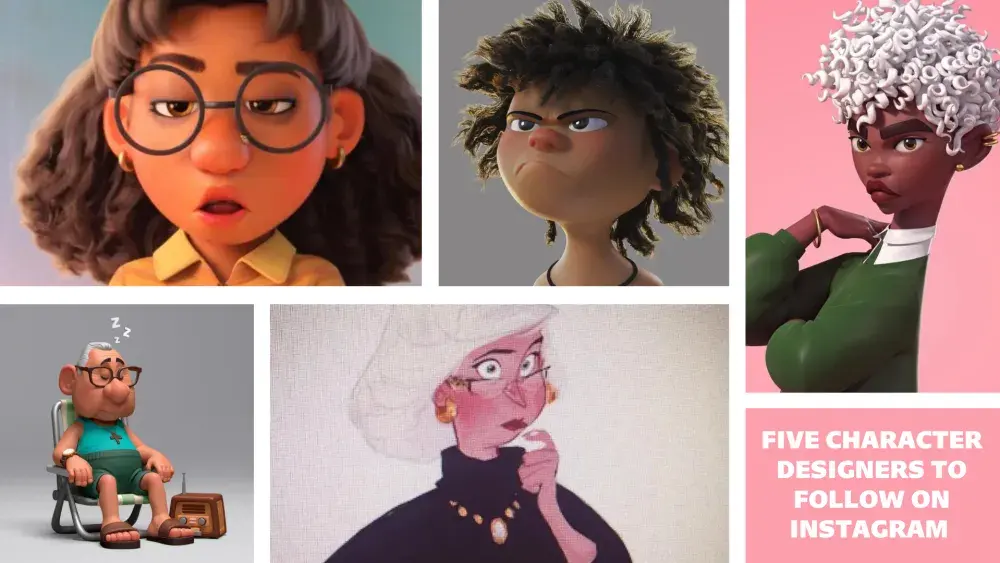
Industry-standard software is crucial for professional workflows. Programs like Adobe Photoshop and Clip Studio Paint are widely used for their powerful brush engines and layering capabilities. For 3D character design, tools such as ZBrush or Blender allow artists to sculpt characters in three dimensions, providing a better understanding of how the design looks from every angle. Choosing the right tool depends on the final output; a 2D animator will prioritize different features than a 3D modeler working for a game studio.
Why is shape language important?
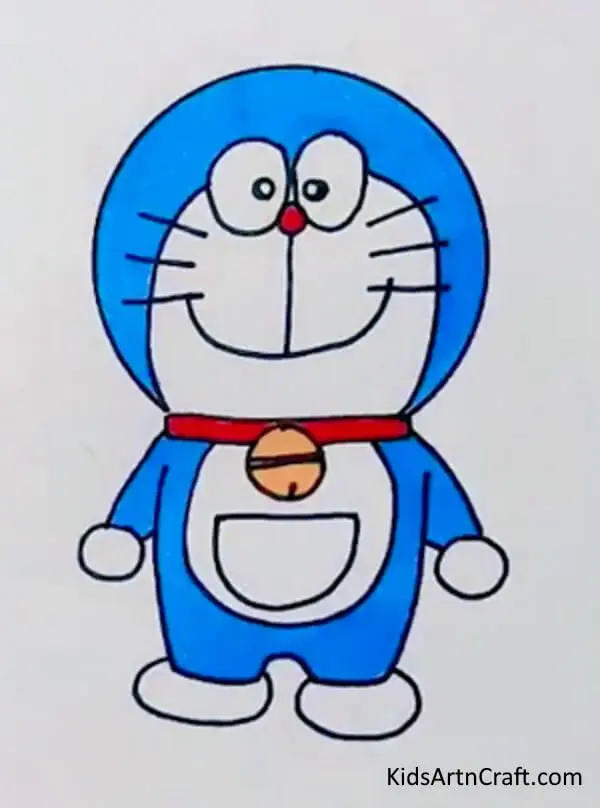
Shape language is the use of basic geometric forms to influence how an audience perceives a character. By using circles, squares, and triangles, designers can communicate complex personality traits instantly. This technique is a cornerstone of animation history, famously utilized in classic cartoons to make characters instantly readable to children and adults alike.
- Circles represent softness, innocence, and approachability.
- Squares signify stability, strength, and reliability.
- Triangles suggest danger, speed, and unpredictability.
When these shapes are combined, they create depth. A hero might have a square jaw for strength but rounded eyes to show kindness. A villain might be composed entirely of sharp triangles to create a sense of unease. By intentionally choosing these shapes, designers avoid generic designs and ensure that the character’s visual language supports their narrative arc. If a character feels "off" to an audience, it is often because their shape language contradicts their intended personality.
Common mistakes when designing characters
One of the most frequent errors in character design is over-complicating the visual elements. Beginners often add too many accessories, intricate patterns, or unnecessary armor, which creates "visual noise." This makes the character difficult to animate or draw repeatedly and confuses the viewer about what is important. A successful design should be simple enough to be drawn from memory after seeing it only once.
Another major mistake is ignoring the character’s silhouette. If a character’s outline is indistinguishable from a generic blob, the design has failed to establish a unique identity. Designers should periodically check their work by filling the character with solid black; if the pose and shape are not clear in this format, the design needs simplification. Finally, failing to consider the character's environment can lead to designs that feel disconnected from their world. Always ensure that the character's clothing and gear make practical sense for the setting they inhabit, whether it is a high-fantasy realm or a gritty, modern city.
Key facts
- Character design is the process of creating a fictional character's visual appearance, personality, and backstory for media like film, games, or literature.
- Silhouette is the most critical element; a well-designed character should be instantly recognizable by its outline alone, such as Mickey Mouse or Batman.
- Color theory dictates that warm colors like red and yellow often denote energy or heroism, while cool colors like blue and purple can suggest calm or villainy.
- Exaggerated proportions, such as large heads or oversized hands, help communicate a character's personality traits or specific role to the audience immediately.
- A character’s costume should reflect their environment, history, and social status, serving as a visual shorthand for their narrative arc.
- Consistency is vital; designers must create "character sheets" that show the subject from multiple angles to ensure they look the same in every frame.
The bottom line
Character design is a deliberate blend of psychology and visual art, intended to communicate a character's essence at a single glance. By utilizing shape language, color theory, and distinct silhouettes, designers create icons that resonate with audiences. Whether for animation or gaming, successful characters are those whose visual appearance perfectly mirrors their inner life, ensuring they remain memorable and functional within their respective narrative worlds.
People also ask
What is the difference between character design and character development?
Character design focuses on the visual and physical attributes, such as clothing, shape language, and color palette. Character development refers to the psychological growth, motivations, and personality changes a character undergoes throughout a story.
Why are simple shapes used in character design?
Designers use basic shapes like circles, squares, and triangles to influence how an audience perceives a character. Circles often imply friendliness and softness, squares suggest stability or stubbornness, and triangles are frequently used to denote danger or agility.
How do I start designing a character from scratch?
Begin by defining the character’s core role and personality traits in a few sentences. Sketch rough thumbnails to explore different silhouettes before refining the details, colors, and textures that best represent their narrative purpose.
What are common mistakes to avoid when designing a character?
A common error is over-detailing, which makes a character difficult to animate or remember. Another mistake is ignoring the character's environment, leading to designs that feel disconnected from the world they inhabit.
How many colors should a character design have?
Most professional designs follow the 60-30-10 rule, using a primary color for 60 percent of the design, a secondary color for 30 percent, and an accent color for the final 10 percent. This prevents visual clutter and keeps the design balanced.
Do character designers need to know how to draw well?
While strong drawing skills are essential for traditional character design, the ability to communicate ideas through visual storytelling is even more important. Understanding anatomy, perspective, and composition is necessary to make a character feel grounded and believable.
This answer was created with the help of AI research tools and reference sources. Spotted an error? Let us know — we correct mistakes quickly. See our editorial policy.