What is the history of anime?
Short answer
Anime is the Japanese style of animation, characterized by vibrant graphics, fantastical themes, and diverse genres. Its history spans over a century, evolving from early 20th-century experiments into a global cultural phenomenon. Today, it encompasses a vast range of artistic techniques and storytelling traditions that appeal to audiences of all ages.
On this page
How did anime begin?
The history of anime traces back to the early 1900s, when Japanese artists began experimenting with animation techniques inspired by Western cartoons. The oldest known Japanese animation is a short three-second clip from 1907 titled Katsudō Shashin, featuring a boy writing on a chalkboard. Throughout the 1910s and 1920s, pioneers like Junichi Kouchi and Seitaro Kitayama produced short films using paper cutouts and chalkboards. These early works were often educational or folk-inspired, marking the humble origins of a medium that would eventually dominate global pop culture.
During the 1930s, the Japanese government utilized animation for propaganda purposes, which helped refine production techniques and professionalize the industry. However, it was not until the post-World War II era that the medium truly began to modernize. The establishment of Toei Animation in 1948 provided the infrastructure needed for large-scale production. By the 1950s, the industry started shifting toward the narrative-driven, character-focused style that defines modern anime.
Who created modern anime?
Osamu Tezuka, often referred to as the "God of Manga," is the central figure in the development of modern anime. In 1963, his studio, Mushi Production, released Astro Boy, the first popular half-hour animated television series in Japan. Tezuka introduced the "cinematic" style of storytelling, utilizing large, expressive eyes and dynamic movement to convey complex emotions. His innovations allowed studios to produce content efficiently while maintaining high artistic standards, effectively setting the template for the entire industry.
Following the success of Astro Boy, the 1970s saw a surge in genre diversity, particularly with the rise of the mecha genre. Shows like Mazinger Z and Mobile Suit Gundam introduced giant piloted robots, which became a staple of Japanese animation. This era proved that anime could appeal to older demographics, not just children. The following milestones highlight the evolution of the medium:
- 1963: Astro Boy premieres, revolutionizing television animation.
- 1979: Mobile Suit Gundam introduces the "real robot" subgenre.
- 1988: Akira is released, showcasing high-budget, detailed animation to international audiences.
- 1995: Neon Genesis Evangelion pushes the boundaries of psychological storytelling.
Why did anime become popular globally?
The international rise of anime began in the 1980s and 1990s as distributors realized the potential for global syndication. High-quality feature films like Hayao Miyazaki’s Nausicaä of the Valley of the Wind and the cyberpunk classic Akira garnered critical acclaim at international film festivals. These works demonstrated that animation was a sophisticated medium capable of exploring political, environmental, and philosophical themes. By the late 1990s, television exports such as Pokémon, Dragon Ball Z, and Sailor Moon created a massive, dedicated fanbase in the West.
The accessibility of these shows on cable television introduced millions of children to Japanese cultural aesthetics. This exposure sparked a lifelong interest in Japanese language, food, and history for many viewers. As the internet grew, fans formed online communities to share information, creating a self-sustaining ecosystem of fandom that continues to drive the industry’s growth today. The globalization of anime is not just about entertainment; it is a testament to the universal appeal of its storytelling.
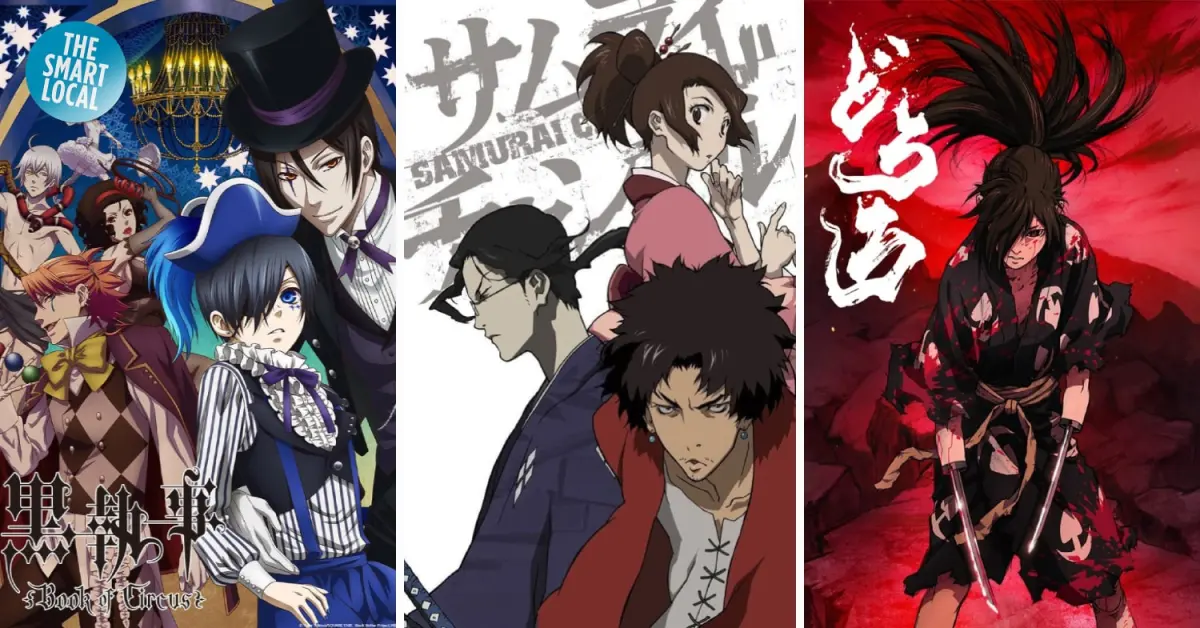
How to start watching anime?
For those new to the medium, the sheer volume of available content can be overwhelming. To begin your journey, it is best to focus on critically acclaimed series or films that represent different genres. Many newcomers start with feature-length films from Studio Ghibli, such as Spirited Away, due to their breathtaking visuals and emotional depth. If you prefer television series, consider selecting a show that has a clear beginning and end to avoid the commitment of long-running, multi-hundred-episode franchises.
Follow these steps to find your first favorite:
- Identify a genre you already enjoy in live-action film, such as mystery, romance, or sci-fi.
- Research highly rated series within that genre on reputable databases.
- Watch the first three episodes to determine if the pacing and art style suit your preferences.
- Use legal streaming platforms to ensure you are supporting the creators and the industry.
Common mistakes when watching anime
A frequent error for beginners is assuming that all anime is intended for children. In reality, the medium covers every conceivable genre, including horror, political drama, and complex psychological thrillers. Another common mistake is ignoring the distinction between subbed (original Japanese audio with subtitles) and dubbed (translated audio) versions. While dubs have improved significantly in quality over the last two decades, purists often prefer subtitles to capture the nuance of the original voice acting.
You should also avoid the "filler" trap. Long-running series often include episodes that do not advance the main plot to allow the original manga source material to catch up. If a show feels like it is dragging, search for a "filler list" online to see which episodes you can safely skip without missing important story developments. Finally, do not feel pressured to keep up with every new release. The history of anime is deep, and exploring older classics is just as rewarding as following the latest seasonal trends.
Key facts
- The first known Japanese animated film is Namakura Gatana, a short silent film released in 1917.
- Osamu Tezuka, often called the "God of Manga," revolutionized the medium in the 1960s with Astro Boy.
- Anime is characterized by distinct visual styles, including exaggerated facial expressions and vibrant, detailed background art.
- The 1988 film Akira is widely credited with introducing high-quality, mature animation to international audiences.
- Studio Ghibli, founded by Hayao Miyazaki and Isao Takahata, brought global prestige to anime through films like Spirited Away.
- When exploring anime, avoid assuming it is exclusively for children, as the medium covers diverse genres like horror, politics, and historical drama.
The bottom line
Anime has evolved from early 20th-century experiments into a dominant global cultural force. By blending unique artistic sensibilities with sophisticated storytelling, it transcends age barriers and regional boundaries. Whether through the cinematic masterpieces of Studio Ghibli or the fast-paced action of long-running television series, anime offers a vast, diverse landscape of expression that continues to influence international animation, fashion, and modern digital media production today.
People also ask
What is the difference between anime and manga?
Manga refers specifically to Japanese comic books or graphic novels, while anime refers to animated productions. Anime is often adapted from existing manga series, though many original screenplays are also produced.
Read the full answer →Why are anime characters often drawn with large eyes?
This stylistic choice was popularized by Osamu Tezuka, who was inspired by Western animation icons like Mickey Mouse. Large eyes allow animators to convey complex emotions and internal states more effectively through subtle facial movements.
What are the primary genres of anime?
Anime is categorized by target demographics, such as shonen for young boys, shojo for young girls, seinen for adult men, and josei for adult women. These categories help audiences find content that matches their age and thematic interests.
Is all anime dubbed in English?
Not all anime is dubbed; many fans prefer "subbed" versions, which feature original Japanese audio with translated subtitles. Streaming platforms typically offer both options to accommodate different viewer preferences.
How did television change the anime industry?
The transition to television in the 1960s forced studios to develop cost-saving techniques, such as limited animation. This involved using fewer frames per second and focusing on dramatic camera angles rather than fluid, realistic movement.
Are there specific cultural themes common in anime?
Many anime series explore Shinto and Buddhist philosophies, the complexities of Japanese history, and the tension between tradition and rapid modernization. These themes provide depth that distinguishes the medium from many Western animated counterparts.
This answer was created with the help of AI research tools and reference sources. Spotted an error? Let us know — we correct mistakes quickly. See our editorial policy.