What is the history of comics?
Short answer
Comics are a medium using sequential images, often combined with text, to convey narratives. Their history spans from ancient pictorial storytelling to 19th-century newspaper strips and the 20th-century explosion of superhero magazines. Today, they encompass diverse genres, including graphic novels, manga, and webcomics, functioning as a globally recognized form of visual literature.
On this page
What are the origins of comics?
While modern comics emerged in the 19th century, the practice of combining images and text to tell a story dates back to antiquity. Ancient Egyptian hieroglyphs, Trajan’s Column in Rome, and the 11th-century Bayeux Tapestry all utilized sequential panels to document historical events. These early examples established the fundamental concept of visual narrative flow that defines the medium today.
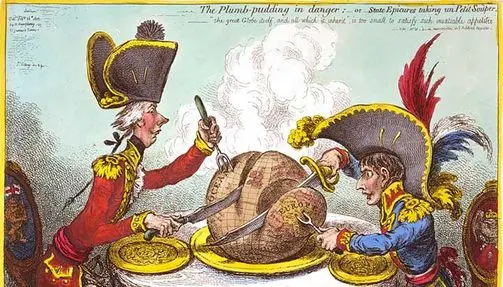
The transition to the modern format began with the invention of the printing press, which allowed for the mass reproduction of satirical cartoons and broadsides. By the 18th century, artists like William Hogarth utilized "modern moral subjects," creating series of paintings and engravings that functioned like storyboarded narratives. These works introduced the idea of character development across multiple frames, setting the stage for the formalization of the comic strip in the late 1800s.
How did newspaper comics evolve?
The birth of the modern comic strip is often attributed to the late 19th-century "yellow journalism" rivalry between Joseph Pulitzer and William Randolph Hearst. In 1895, Richard F. Outcault’s The Yellow Kid appeared in the New York World, featuring a recurring character who spoke through text written on his oversized yellow shirt. This innovation proved immensely popular, leading to a race among publishers to secure the best illustrators for their Sunday editions.
As the medium matured, creators introduced standardized elements that remain essential to comic production today. These include the use of speech balloons, panel borders, and consistent character designs. By the 1920s, newspaper strips had become a staple of American culture, with iconic titles like Little Orphan Annie, Dick Tracy, and Popeye reaching millions of readers daily. These strips established the narrative pacing and visual shorthand that would eventually define the comic book industry.
- Establish a clear panel-to-panel flow to guide the reader's eye.
- Use distinct character silhouettes so readers can identify them instantly.
- Keep dialogue concise to avoid cluttering the visual space.
- Utilize consistent color palettes to establish mood and setting.
Why did comic books become popular?
The comic book format as we know it—a standalone booklet—gained traction in the 1930s as publishers began reprinting popular newspaper strips. In 1938, Action Comics #1 introduced Superman, a character who fundamentally changed the industry. This event launched the "Golden Age of Comics," a period defined by the emergence of costumed crime-fighters and a massive surge in readership, particularly among children and soldiers during World War II.
Following the war, the industry faced a crisis of public perception. In 1954, psychologist Fredric Wertham published Seduction of the Innocent, arguing that comics caused juvenile delinquency. This led to the creation of the Comics Code Authority, a self-regulatory body that enforced strict moral guidelines on content. While this stifled creative freedom for decades, it also forced creators to innovate within narrow boundaries, leading to the rise of more complex, character-driven storytelling in the 1960s.
- The Silver Age (1956–1970) introduced science fiction themes and revamped classic heroes.
- The Bronze Age (1970–1985) brought social realism and darker, more mature themes.
- The Modern Age (1985–present) emphasizes creator-owned works and diverse narrative formats.
How do you start creating comics?
Creating a comic is an exercise in balancing visual storytelling with narrative economy. Beginners often make the mistake of trying to pack too much exposition into a single panel, which overwhelms the reader. A successful comic relies on "the gutter," the space between panels, where the reader’s imagination fills in the action. Focus on clear, sequential movement rather than overly complex illustrations.
To begin, start with a simple script that outlines the action for each page. Break the story down into manageable panels and sketch rough thumbnails to test the flow of the narrative. Avoid the common pitfall of over-detailing early sketches; focus on composition and clarity first. Once the layout is established, move to penciling, inking, and lettering, ensuring that the dialogue does not obscure the artwork.
- Write a script that defines what happens in each panel.
- Create thumbnails to map out the visual composition of the page.
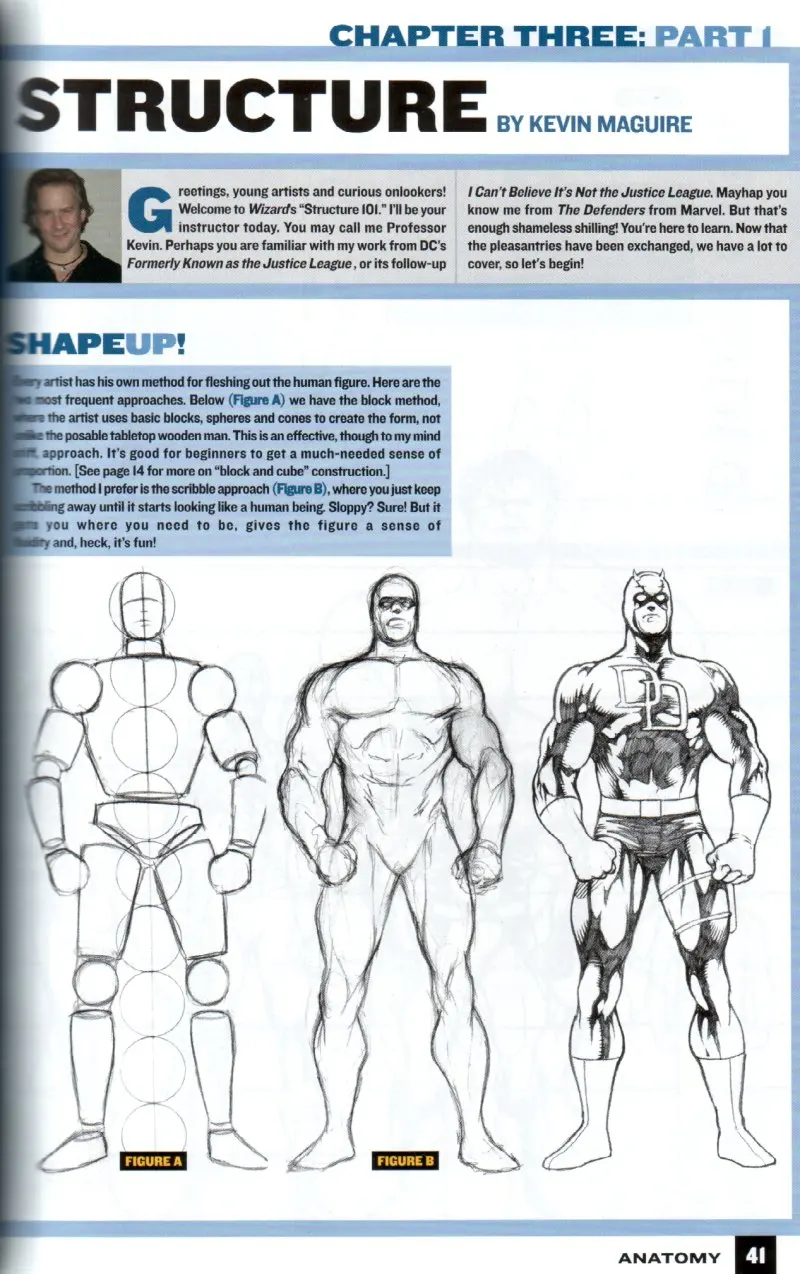
- Pencil the rough shapes and figures to ensure proper anatomy.
- Ink the final lines to provide clarity and contrast.
- Add lettering and colors to finalize the visual experience.
What is the future of the medium?
The landscape of comics has shifted dramatically in the 21st century due to digital technology and the rise of the graphic novel. Platforms like Webtoon and Tapas have democratized the medium, allowing independent creators to reach global audiences without the need for traditional print distribution. This shift has also fostered a wider variety of genres, moving beyond the traditional superhero tropes to include memoirs, historical fiction, and experimental art.
Graphic novels have also gained significant literary recognition, proving that the medium is capable of tackling profound, complex subjects. As digital tools continue to evolve, the distinction between traditional print comics and digital formats will likely blur further. Regardless of the delivery method, the core strength of the medium remains the unique synergy between text and image, which continues to provide a powerful, accessible way for creators to share their visions with the world.
Key facts
- The 1896 debut of The Yellow Kid in the New York World is widely considered the birth of the modern newspaper comic strip.
- Comic books as a distinct format emerged in 1933 with Famous Funnies, a collection of reprinted newspaper strips sold for ten cents.
- The 1938 publication of Action Comics #1 introduced Superman, launching the Golden Age of comics and the superhero archetype.
- The Comics Code Authority was established in 1954 as a self-regulatory body to censor content after public outcry over horror and crime comics.
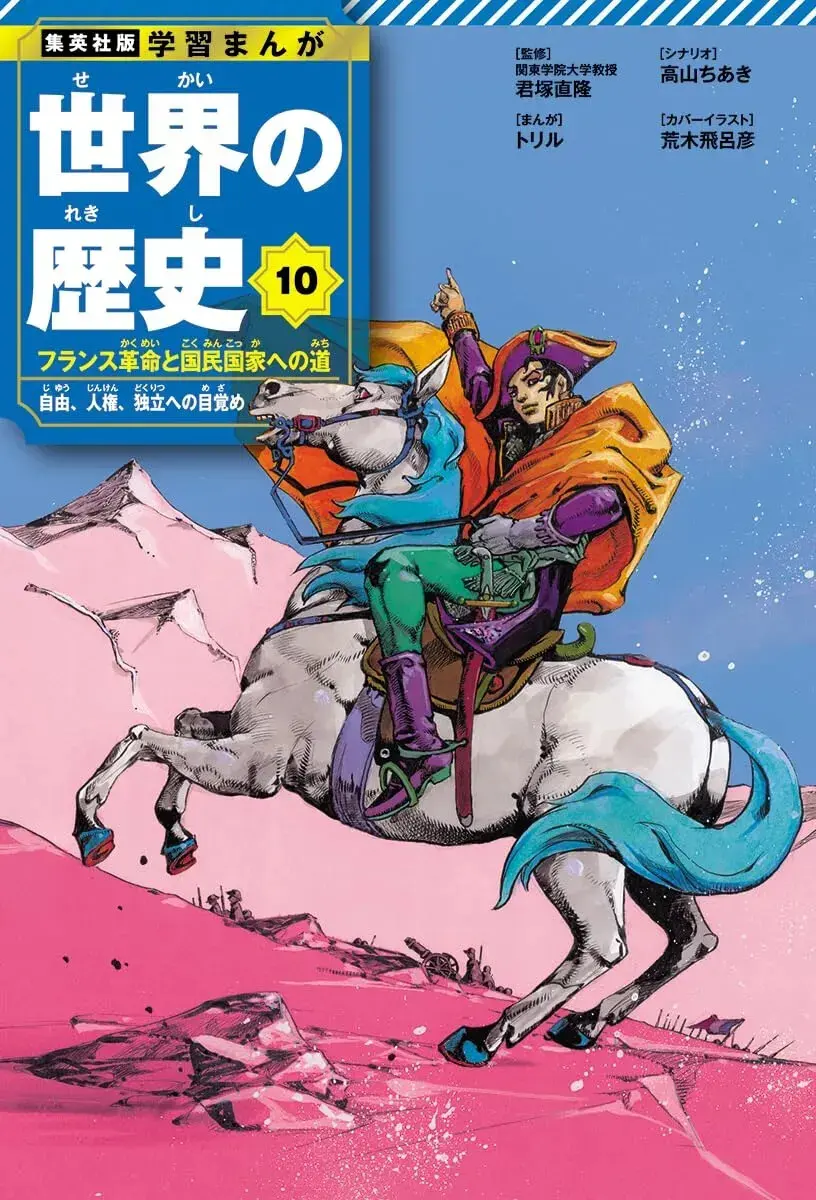
- Manga, the Japanese style of comics, dates back to the 19th century but gained global dominance in the late 20th century through complex, serialized storytelling.
- To start your own comic, use a "thumbnail" layout to plan your panel flow before drawing the final art to avoid pacing issues.
The bottom line
The history of comics is a journey from ephemeral newspaper fillers to a respected literary medium. By blending visual art with narrative text, comics have evolved through eras of censorship, creative experimentation, and global expansion. Whether through the superhero mythos of the West or the diverse genres of Japanese manga, comics remain a powerful tool for visual storytelling that continues to influence modern film and literature.
People also ask
What is the difference between a graphic novel and a comic book?
A comic book is typically a thin, serialized pamphlet released monthly, while a graphic novel is a longer, self-contained story published in a book format. Both mediums use the same visual language of panels and speech bubbles.
Who is credited with creating the first comic book?
Max Gaines is often credited with creating the modern comic book format in 1933 by reprinting newspaper strips in a smaller, affordable booklet. This innovation proved the commercial viability of the medium beyond daily papers.
Why were comics censored in the 1950s?
Dr. Fredric Wertham’s book Seduction of the Innocent claimed comics caused juvenile delinquency, leading to a moral panic. This forced publishers to adopt the strict Comics Code Authority to avoid government intervention.
How do I read manga differently than Western comics?
Manga is traditionally read from right to left, following the Japanese writing system. Readers start at what would be the back of a Western book and progress toward the front.
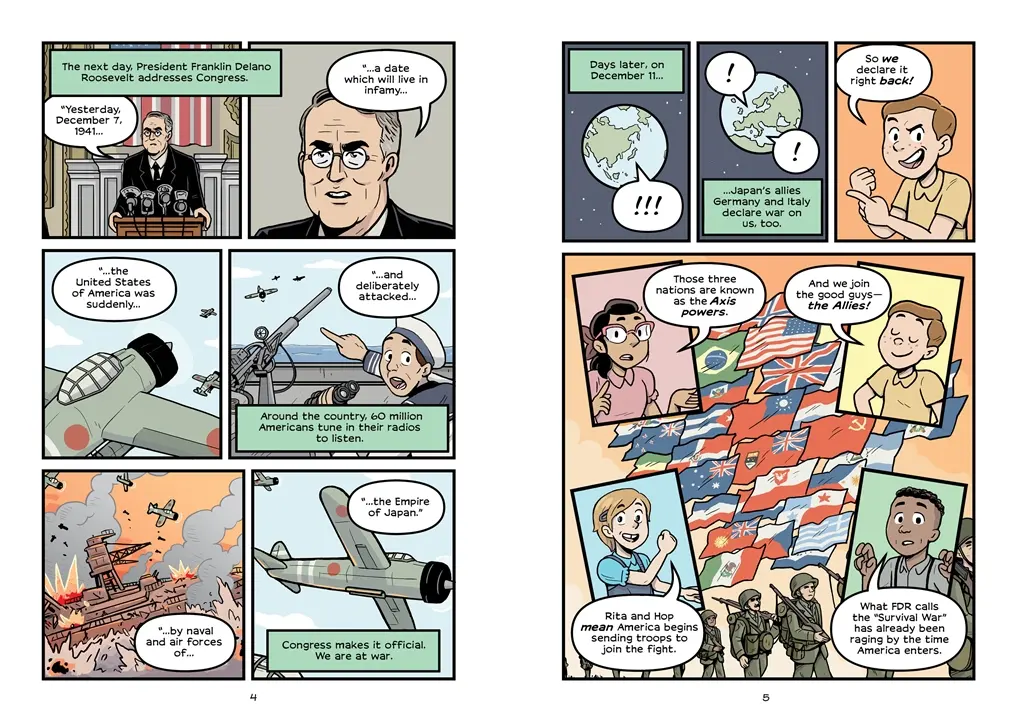
What are the main elements of a comic page?
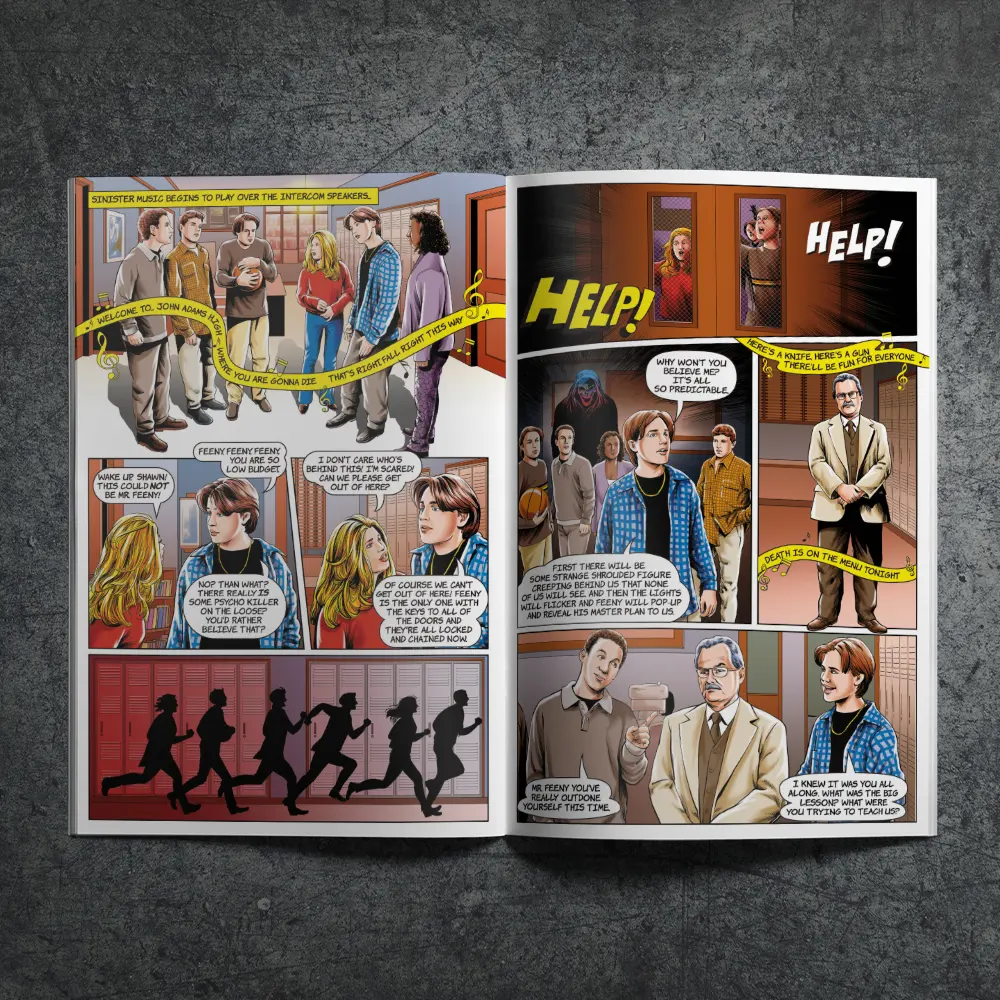
A comic page consists of panels, gutters, speech balloons, and captions. These elements work together to control the reader's perception of time and movement across the page.
What is the "Golden Age" of comics?
The Golden Age refers to the period from 1938 to 1950, characterized by the rise of iconic superheroes like Superman, Batman, and Wonder Woman. It was a time of rapid growth and high sales for the industry.
This answer was created with the help of AI research tools and reference sources. Spotted an error? Let us know — we correct mistakes quickly. See our editorial policy.