What is the history of manga?
Short answer
Manga is a Japanese style of comic book and graphic novel storytelling that evolved from centuries of traditional Japanese art. It gained its modern, recognizable form in the post-World War II era through the influence of Osamu Tezuka, eventually becoming a global cultural phenomenon characterized by diverse genres and cinematic visual pacing.
On this page
What are the origins of manga?
The roots of manga stretch back to the 12th century with the Chōjū-giga, a series of ink-wash scrolls depicting anthropomorphic animals. These early works established a Japanese tradition of combining sequential imagery with narrative text. During the Edo period (1603–1867), the development of ukiyo-e woodblock prints further popularized visual storytelling, often featuring satirical or dramatic scenes.
The term "manga," meaning "whimsical pictures," was popularized by the artist Katsushika Hokusai in the early 19th century. However, the medium as a modern commercial product emerged during the Meiji era, influenced by Western political cartoons and satirical magazines. These early publications introduced Japanese audiences to the concept of serialized, character-driven storytelling, setting the stage for the massive expansion of the industry in the 20th century.
How did modern manga begin?
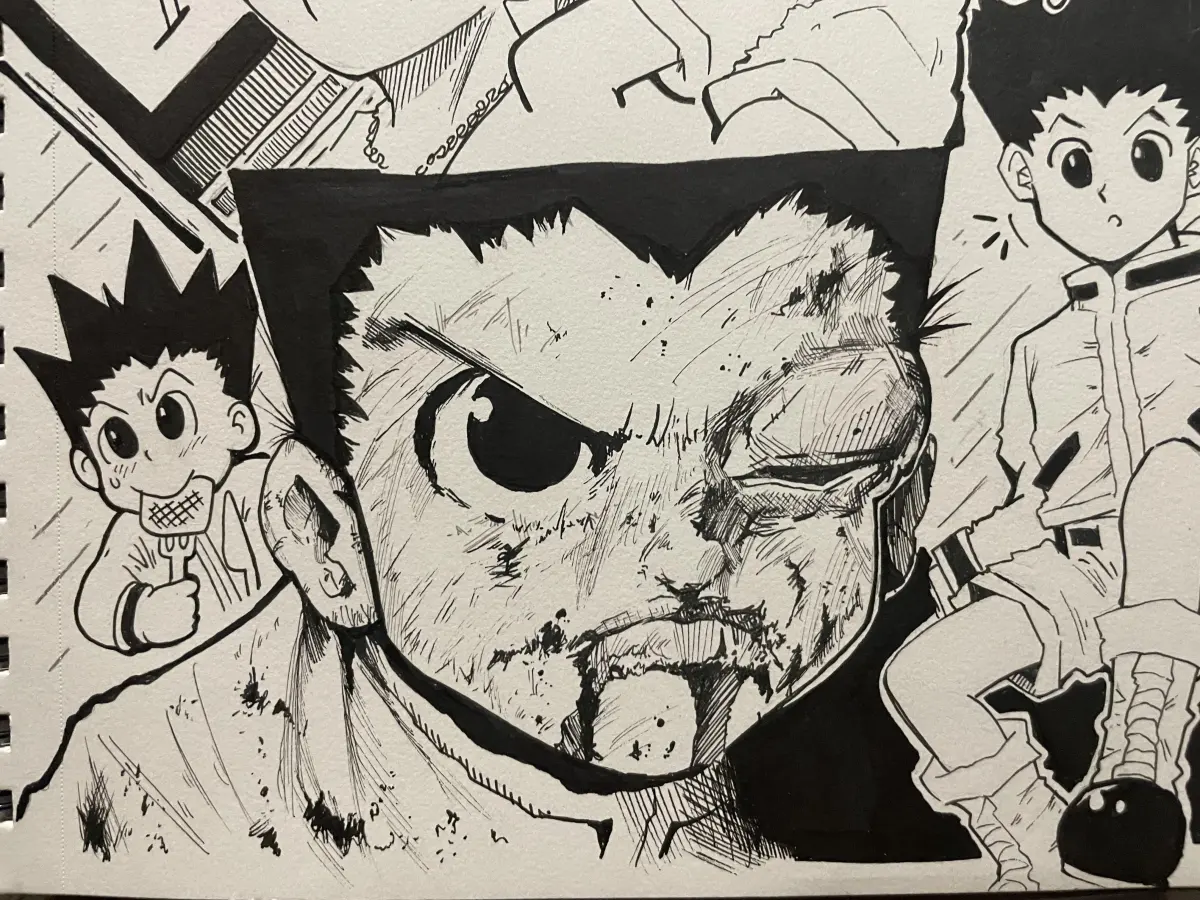
The definitive shift toward the modern manga aesthetic occurred after 1945, largely driven by Osamu Tezuka. Often called the "God of Manga," Tezuka revolutionized the medium by incorporating cinematic techniques, such as varied camera angles and dynamic motion lines, into his work. His 1947 hit New Treasure Island sold millions of copies, proving that comics could be a viable, long-form literary medium.
Tezuka’s influence helped establish the foundational archetypes still used today, such as large, expressive eyes and complex, multi-volume story arcs. This era also saw the rise of specialized manga magazines, which allowed artists to serialize long stories over months or years. This structure fostered deep connections between readers and characters, encouraging the development of distinct genres catering to specific demographics, such as children, teenagers, and working adults.
How is manga categorized today?
Manga is typically classified by target audience rather than just genre. This categorization helps readers find content that matches their age group and interests, ranging from lighthearted adventures to intense psychological dramas. Understanding these labels is essential for navigating the vast library of titles available in bookstores and digital platforms.
The primary demographic categories include:
- Shōnen: Aimed at young teenage boys, typically featuring action, competition, and themes of friendship.
- Shōjo: Targeted at young teenage girls, focusing on romance, interpersonal relationships, and emotional growth.
- Seinen: Designed for adult men, often exploring complex themes, political intrigue, or darker violence.
- Josei: Aimed at adult women, focusing on realistic portrayals of life, work, and mature relationships.
- Kodomomuke: Created for young children, characterized by simple moral lessons and accessible art styles.
How to start reading manga properly?
Reading manga can be confusing for beginners because it follows a different structural logic than Western comics. The most significant difference is the reading direction: manga is read from right to left, starting from what would be the back cover of a Western book. Failing to recognize this layout often leads to confusion regarding the sequence of events.
To begin your journey, follow these steps:
- Identify the spine of the book; the side with the title and volume number is the "back" of a Western book.
- Open the book from the right side and begin reading the panels from the top-right corner of the page.
- Read the speech bubbles in the same right-to-left, top-to-bottom order.
- If a page has a vertical layout, read the top panel first, then move down to the next one.
- Pay attention to the sound effects, which are often integrated into the artwork and provide vital context for the action.
Common mistakes when collecting manga?
One common mistake for new collectors is assuming that all manga is intended for children or that it is solely defined by the action-heavy "battle" subgenre. Because the medium covers every conceivable topic—from cooking and sports to history and philosophy—it is easy to feel overwhelmed. Avoid purchasing entire series at once; instead, read the first volume to ensure the art style and pacing align with your personal preferences.
Another frequent error is ignoring the distinction between physical editions. Many popular series receive "deluxe" or "omnibus" releases that combine multiple volumes into a single, higher-quality book. While these are often more durable and aesthetically pleasing, they can be heavier and more expensive than standard individual volumes. Always check the product description to confirm if you are buying a single volume or a collection, as this will prevent accidental duplicate purchases and help you manage your shelf space more effectively as your collection grows.
Key facts
- The term "manga" was popularized in 1814 by the artist Katsushika Hokusai in his collection of sketches titled Hokusai Manga.
- Modern manga evolved significantly during the Allied occupation of Japan (1945–1952) due to the influence of American comics.
- Osamu Tezuka, often called the "God of Manga," revolutionized the medium in the 1940s by introducing cinematic paneling and complex character designs.
- Manga is traditionally read from right to left, a format preserved in international translations to respect the original artistic intent.
- The industry is categorized by demographics, such as shonen (young boys), shojo (young girls), seinen (adult men), and josei (adult women).
- To start reading, choose a genre that matches your interests, as the medium covers everything from sports and cooking to historical drama and science fiction.
The bottom line
Manga is a sophisticated storytelling medium that blends visual art with narrative depth, evolving from 19th-century woodblock prints into a global cultural phenomenon. By utilizing unique paneling techniques and diverse demographic targeting, manga offers a vast array of genres for all readers. Whether exploring historical epics or contemporary thrillers, understanding its structural conventions allows readers to fully appreciate this influential pillar of Japanese artistic expression.
People also ask
What is the difference between manga and anime?
Manga refers specifically to Japanese printed comics or graphic novels. Anime refers to Japanese animated productions, which are often adapted from existing manga series.
Why are most manga printed in black and white?
Black-and-white printing allows for faster production cycles and lower costs, enabling weekly or monthly serialization. This aesthetic also emphasizes the artist's line work and ink shading techniques.
How do I choose the right manga to start with?
Identify a genre you enjoy in movies or books, such as mystery or fantasy. Look for popular "starter" series like Fullmetal Alchemist or Naruto, which are widely available in bookstores and libraries.
Is manga only for children?
No, manga is a diverse medium targeting all age groups. Many series feature mature themes, complex political narratives, and philosophical inquiries intended for adult audiences.
Can I learn to draw manga?
Yes, many artists start by practicing "copying" their favorite panels to understand anatomy and composition. Focus on mastering basic facial proportions and speed lines before attempting complex action sequences.
What is a "tankobon"?
A tankobon is a collected volume of manga chapters that were previously serialized in a magazine. These volumes are the standard format for purchasing and collecting manga series.
This answer was created with the help of AI research tools and reference sources. Spotted an error? Let us know — we correct mistakes quickly. See our editorial policy.