What is the history of the pencil?
Short answer
The pencil originated in 1564 when a massive deposit of pure graphite was discovered in Borrowdale, England. Initially wrapped in string or sheepskin, graphite sticks evolved into wood-encased writing instruments by the 17th century. Modern pencils, utilizing a mixture of graphite and clay, were standardized in 1795 by Nicolas-Jacques Conté.
On this page
How did the pencil originate?
The history of the pencil began in the mid-16th century following a violent storm in Borrowdale, England. The wind uprooted a large tree, revealing a dark, metallic substance that locals initially mistook for coal. This material was actually a pure, high-quality form of graphite, which proved to be soft, dark, and excellent for marking sheep.
Early users struggled with the material because pure graphite is brittle and stains the hands. To solve this, vendors wrapped the graphite sticks in string or sheepskin to provide a grip. By the 1660s, craftsmen in Nuremberg, Germany, began experimenting with wood casings. They glued two halves of carved wood together around a graphite core, creating the first recognizable ancestors of the modern pencil.
Why is graphite mixed with clay?
Pure graphite is soft and wears down quickly, making it impractical for fine writing or technical drawing. In 1795, French scientist Nicolas-Jacques Conté developed a method to combine powdered graphite with clay. By adjusting the ratio of these two ingredients, he could control the hardness of the lead. This innovation allowed for the creation of standardized grades of pencils.
The process involves firing the mixture in a kiln to harden the core. Higher clay content results in a harder, lighter mark, while higher graphite content produces a softer, darker stroke. This breakthrough remains the industry standard today, allowing artists and writers to choose the perfect tool for their specific needs.
- Mix finely ground graphite and clay powder with water.
- Extrude the mixture into thin, long rods.
- Fire the rods in a high-temperature kiln.
- Immerse the finished "leads" in hot wax to improve smoothness.
How are modern pencils manufactured?
Modern pencil production is a precise industrial process that balances speed with quality. Manufacturers use slats of cedar wood, which is preferred for its straight grain and ease of sharpening. These slats are grooved, and the graphite-clay cores are placed inside before a second grooved slat is glued on top to form a "sandwich."
Once the glue dries, the sandwich is cut into individual pencils using high-speed blades. The pencils are then sanded, painted, and stamped with their hardness grade. This efficient method ensures that millions of pencils can be produced daily while maintaining consistent quality across the global market.
- Cedar wood is chosen for its resistance to warping.
- Non-toxic paints are used for the exterior finish.
- Quality control checks ensure the core is centered.
- Erasers are attached using a metal ferrule.
What do the numbers on pencils mean?
The letters and numbers stamped on a pencil indicate the hardness and blackness of the core. The "H" stands for hard, while "B" stands for black. An "HB" pencil is the standard medium-grade tool used for general writing. As the number before the letter increases, the effect becomes more pronounced.
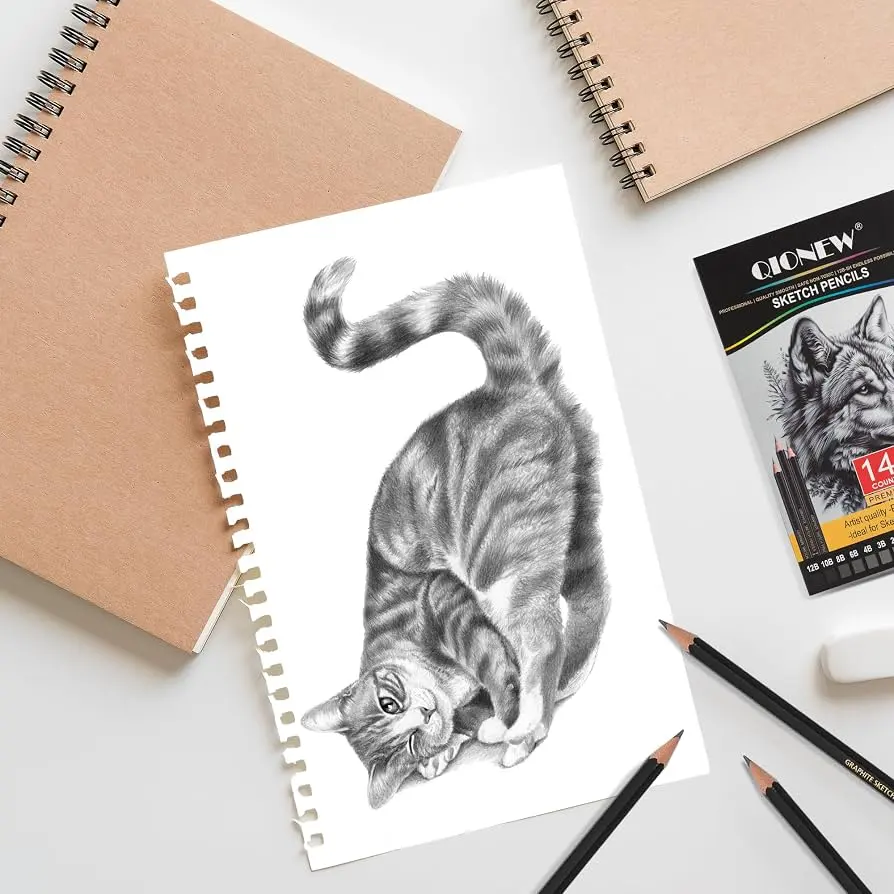
For example, a 4H pencil is very hard and leaves a faint, precise line, making it ideal for technical drafting. Conversely, a 4B pencil is very soft and leaves a deep, dark mark, which is preferred by artists for shading. Understanding these grades prevents the frustration of using a pencil that is too light for sketching or too soft for writing.
Common mistakes when using pencils
One common mistake is applying excessive pressure when using a soft-grade pencil. Because soft pencils contain more graphite, heavy pressure can cause the tip to snap or the lead to smear across the page. Always use a light touch and build up layers if you need a darker tone, rather than forcing the lead into the paper.
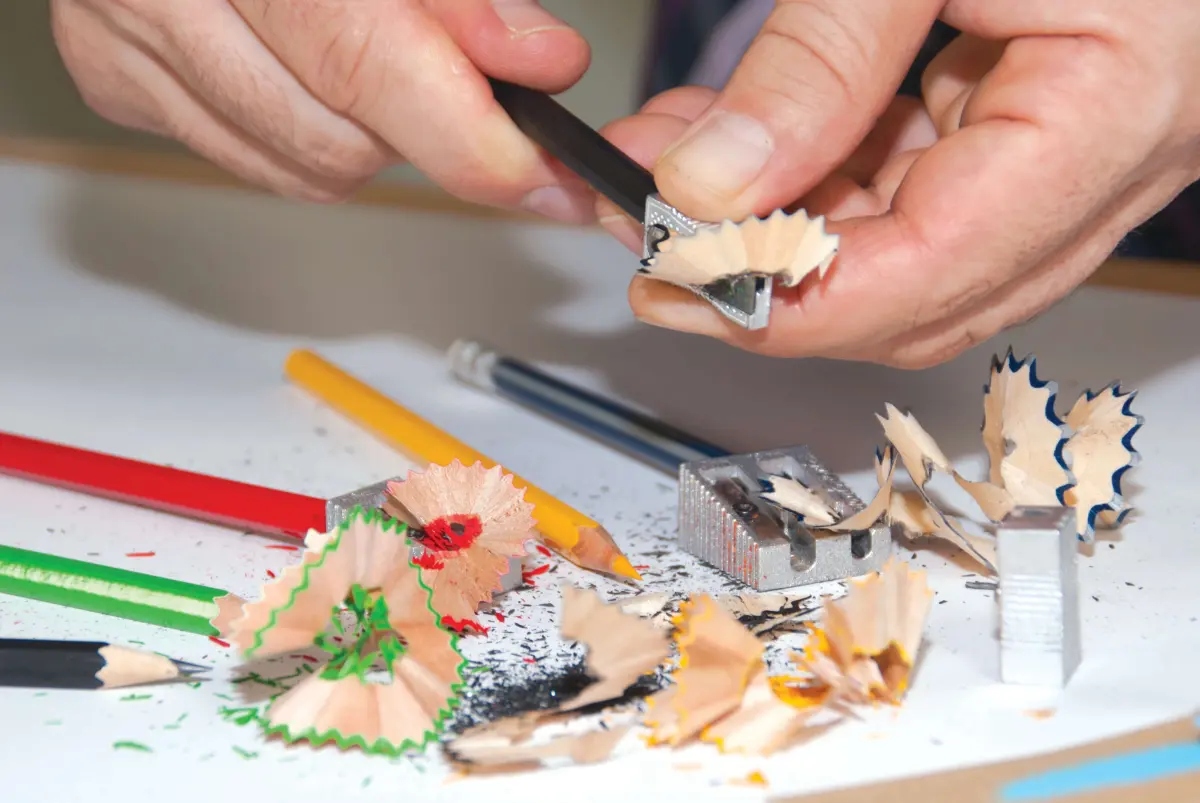
Another frequent error is sharpening a pencil with a dull blade. A blunt sharpener tears the wood and breaks the fragile graphite core, leading to constant breakage. To maintain the integrity of your pencil, replace your sharpener frequently or use a high-quality manual sharpener. Finally, avoid dropping your pencils, as internal fractures in the graphite core will cause the lead to break every time you try to sharpen it, rendering the tool effectively useless for any serious work.
Key facts
- Graphite was discovered in Borrowdale, England, in 1564, initially thought to be a form of lead.
- The first mass-produced wooden pencils were manufactured in Nuremberg, Germany, starting in 1662.
- Modern pencil cores are a mixture of graphite and clay, with higher clay content resulting in a harder, lighter mark.
- The "HB" grading scale indicates the hardness and blackness of the lead, where H stands for hard and B for black.
- To sharpen a pencil properly, rotate the pencil rather than the sharpener to prevent the lead from snapping.
- Avoid using a dull blade for manual sharpening, as it tears the wood and leads to uneven, brittle points.
The bottom line
The pencil has evolved from a raw lump of graphite into a precise, engineered tool essential for writing and art. By understanding the composition of the graphite-clay core and the grading scale, users can select the right instrument for any task. Proper maintenance, including careful sharpening and storage, ensures that this simple yet sophisticated invention remains a reliable and effective medium for human expression and design.
People also ask
Why are pencils called lead pencils if they contain graphite?
Early users mistook graphite for a form of lead, a common mineral used for writing at the time. The name persisted even after scientists identified the material as a distinct carbon allotrope in 1779.
What do the numbers on pencils signify?
Numbers like 2, 3, or 4 indicate the hardness of the core. A lower number, such as a #2 pencil, contains more graphite and produces a darker line, while higher numbers contain more clay for a harder, lighter stroke.
How can I remove pencil marks from paper without tearing it?
Use a high-quality white vinyl eraser and apply gentle, consistent pressure. Avoid using the hard, abrasive pink erasers found on some pencils, as they often damage delicate paper fibers.
Why do some pencils have a hexagonal shape?
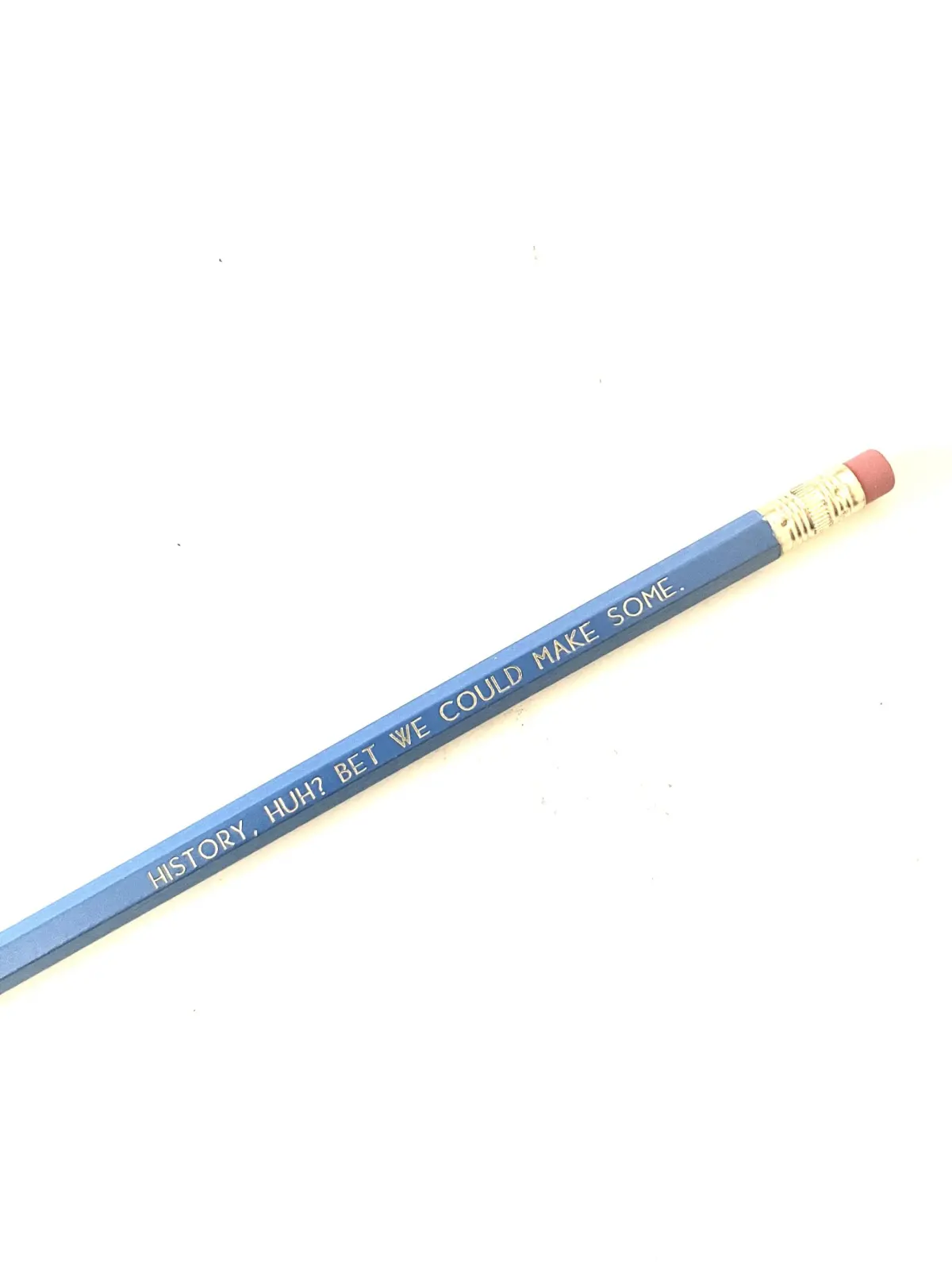
The hexagonal design prevents the pencil from rolling off flat surfaces like desks or drafting tables. It also provides a more ergonomic grip for the fingers during extended writing sessions.
How should I store my pencils to keep them in good condition?
Store pencils horizontally or with the point facing upward in a container. Storing them with the point facing down can cause the tip to break or damage the internal wood casing.
Is it possible to sharpen a pencil without a sharpener?
You can use a utility knife or a pocketknife to whittle the wood away from the graphite core. Always cut away from your body and maintain a shallow angle to avoid snapping the tip.
This answer was created with the help of AI research tools and reference sources. Spotted an error? Let us know — we correct mistakes quickly. See our editorial policy.