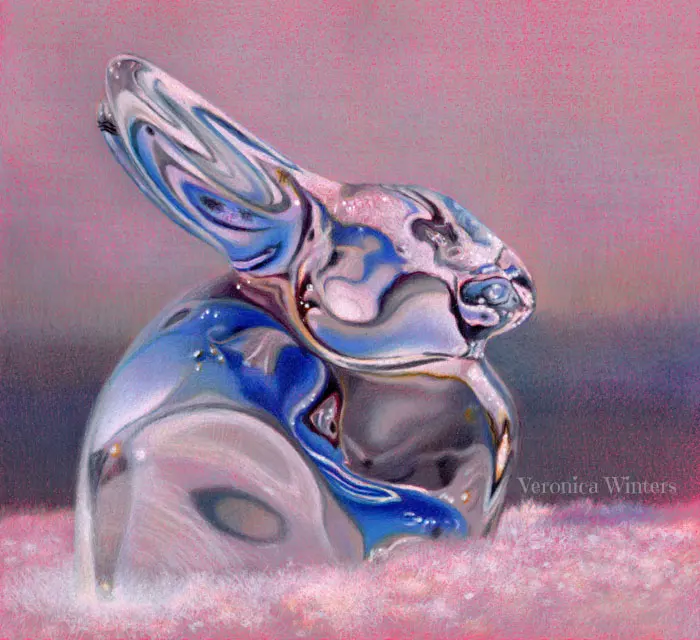
What is the history of colored pencils?
Short answer
Colored pencils originated from early drawing tools using graphite and pigment mixtures. While artists experimented with wax-based crayons for centuries, the modern colored pencil emerged in the early 20th century. Companies like Faber-Castell and Caran d’Ache refined the technology, creating durable, lightfast, and blendable leads that revolutionized illustration and fine art.
On this page
How did colored pencils evolve?
The history of the colored pencil is rooted in the discovery of graphite in Borrowdale, England, during the 16th century. Early pencils were simple graphite sticks, but artists soon sought ways to add color to their sketches. By the 18th century, manufacturers began mixing pigments with clay and wax to create colored sticks, though these were primarily used for marking and technical drafting rather than fine art.
The transition to the modern colored pencil occurred in the early 1900s. Companies like Faber-Castell, founded in 1761, and Caran d’Ache, established in 1915, began mass-producing pencils with high-quality pigments encased in cedar wood. These pencils were designed to be more durable and consistent than previous versions. By the 1930s, colored pencils became a standard tool for illustrators, designers, and botanists who required precision and a wide range of hues for their detailed work.
What are the different types of colored pencils?
Modern colored pencils are generally categorized by the composition of their core. Understanding these differences is essential for achieving specific artistic effects and ensuring the longevity of your work. The two primary categories are wax-based and oil-based, each offering unique handling characteristics for the artist.
- Wax-based: These pencils contain a higher proportion of wax binder, making them soft and creamy. They are excellent for blending and layering but are prone to "wax bloom," a hazy white residue that can appear on the surface over time.
- Oil-based: These pencils use oil as a binder, resulting in a slightly harder core that holds a sharp point longer. They are generally less prone to breakage and provide a smoother, more translucent application.
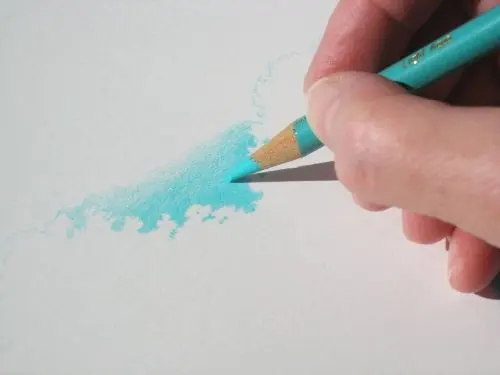
- Watercolor pencils: These contain water-soluble binders. When applied to paper, they can be blended with a wet brush to create wash effects similar to traditional watercolor paint.

How to use colored pencils effectively?
Achieving professional results with colored pencils requires an understanding of layering and pressure. Beginners often make the mistake of pressing too hard immediately, which fills the tooth of the paper and prevents further color application. Instead, build your image slowly using light, circular motions to create depth and texture.
- Start with a light sketch using a hard-lead pencil to outline your composition.
- Apply base layers using light pressure to establish the overall color scheme.
- Gradually increase pressure to deepen colors and define shadows.
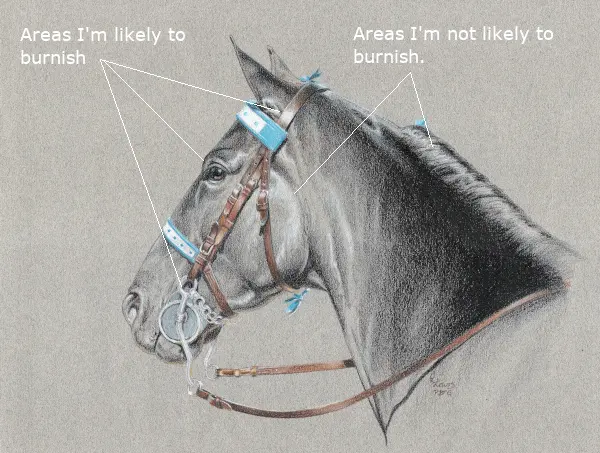
- Use a colorless blender or a light-colored pencil to burnish the surface, which fills in the remaining white gaps of the paper.
- Apply a fixative spray if you are working on a surface that requires protection from smudging or environmental damage.
What are common mistakes when using colored pencils?
One of the most frequent errors is using low-quality paper. Colored pencils require paper with enough "tooth," or surface texture, to grab the pigment particles. Smooth printer paper often results in uneven color application and a lack of depth. Additionally, failing to sharpen your pencils correctly can lead to broken tips and wasted material.
- Do not use a dull sharpener, as it will chew the wood and snap the fragile lead core.
- Avoid heavy-handedness in the early stages, as it prevents you from layering colors effectively.
- Do not ignore the importance of lightfastness ratings; some pigments fade significantly when exposed to sunlight, which can ruin a piece over time.
- Avoid using oil-based and wax-based pencils together without testing, as their different binders may cause lifting or "pilling" on the paper surface.
How to care for and store colored pencils?
Proper storage is critical to maintaining the integrity of your colored pencils. Because the pigments and binders are sensitive to temperature and physical impact, they should be kept in a cool, dry place. Dropping a pencil can shatter the internal lead, making it impossible to sharpen properly because the core will continue to break inside the sharpener.
When traveling with your pencils, use a sturdy roll-up case or a metal tin to prevent the tips from snapping. Keep your collection away from direct heat sources, such as radiators or sunny windows, as excessive heat can soften the wax binders and cause the leads to become brittle or misshapen. By investing in a high-quality case and organizing your pencils by color family, you not only protect your tools but also improve your workflow efficiency. Taking these simple steps ensures that your pencils remain reliable instruments for your creative projects for many years to come.
Key facts
- Colored pencils were first used for checking and marking in the early 20th century, rather than for fine art.
- Modern colored pencils consist of a core made of pigment, wax or oil binders, and additives encased in wood.
- Artists should avoid pressing too hard, as heavy pressure can create a waxy buildup known as "wax bloom" that prevents further layering.
- Use a high-quality sharpener to prevent the lead from breaking inside the wood casing, which is a common cause of frustration.
- Layering colors lightly allows you to blend shades gradually, creating depth that cannot be achieved with a single heavy stroke.
- Store pencils horizontally or with the tips pointing upward to prevent the fragile internal leads from snapping due to gravity or impact.
The bottom line
The colored pencil has evolved from a simple industrial marking tool into a sophisticated medium for professional artists. By understanding the balance between wax and oil binders and mastering techniques like light layering, you can create complex, vibrant works of art. Proper storage and the selection of quality paper are essential steps to ensuring your drawings remain professional, durable, and visually striking for years to come.
People also ask
What is the difference between wax-based and oil-based colored pencils?
Wax-based pencils are softer, allowing for easier blending and vibrant coverage, but they are prone to wax bloom. Oil-based pencils are harder and hold a sharper point longer, making them ideal for fine details and precise work.
Can you erase colored pencil marks?
Most colored pencil marks are permanent because the pigment binds to the paper fibers. You can lift some color with a kneaded eraser or a battery-operated eraser, but complete removal is rarely possible once the pigment is applied.
What type of paper works best for colored pencils?
A medium-tooth paper, such as Bristol board or specialized drawing paper, is ideal for most projects. The texture, or "tooth," helps grab the pigment from the pencil, allowing for better layering and smoother transitions between colors.
How do you blend colored pencils effectively?
You can blend by layering colors lightly or by using a colorless blender pencil to soften the transitions. Some artists also use a small amount of odorless mineral spirits on a brush to dissolve the binder and create a paint-like effect.
Why do my pencil tips keep breaking?
Frequent breakage is usually caused by dropping the pencils, which shatters the internal lead, or using a dull sharpener. Always ensure your sharpener blade is sharp and avoid applying excessive pressure during the drawing process.
Are colored pencils lightfast?
Lightfastness refers to how resistant a pigment is to fading when exposed to light. Professional-grade pencils are labeled with lightfast ratings, while student-grade pencils often use fugitive pigments that may fade significantly over several years.
This answer was created with the help of AI research tools and reference sources. Spotted an error? Let us know — we correct mistakes quickly. See our editorial policy.