How do you draw a chibi character?
Short answer
Drawing a chibi character involves simplifying human anatomy into a compact, cute form. Focus on a large head-to-body ratio, typically two to three heads tall, and use rounded, oversized features. By minimizing complex details and emphasizing expressive eyes, you create the signature aesthetic defined by large proportions and minimalist limbs.
On this page
How to determine chibi proportions
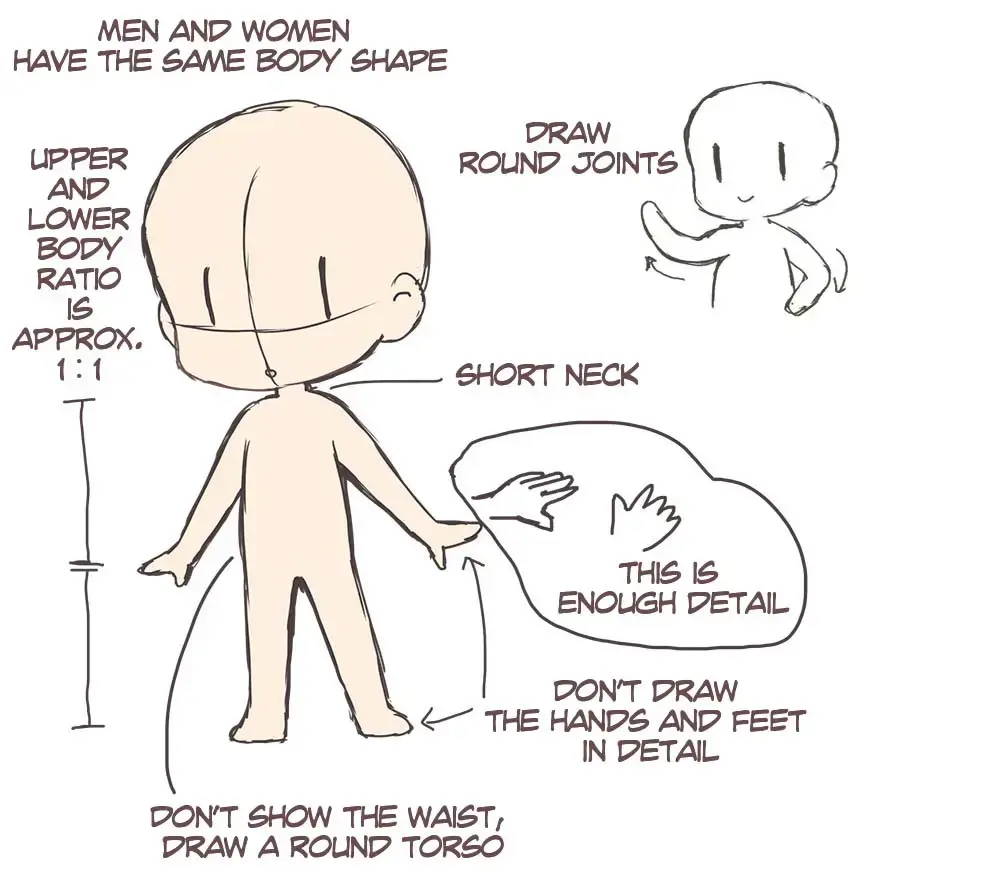
The defining characteristic of a chibi character is the exaggerated head-to-body ratio. While a realistic human figure is typically seven to eight heads tall, a chibi character is usually compressed into a two or three-head height. The head should be nearly as wide as it is tall, providing a canvas for large, expressive eyes that occupy the lower half of the face.
To maintain the chibi aesthetic, follow these structural guidelines:
- Sketch a large circle for the head and a smaller, slightly oval shape for the torso.
- Keep the limbs short and stubby, often omitting detailed fingers or toes in favor of rounded, mitten-like shapes.
- Position the neck very close to the torso or eliminate it entirely to emphasize the "squashed" look.
- Ensure the center of gravity remains low to keep the character appearing stable and adorable.
Best drawing tools for beginners
You do not need expensive equipment to start drawing chibi characters. Traditional media like graphite pencils, fine-liner pens, and markers are excellent for learning basic shapes. Using a simple mechanical pencil allows for precise lines, while a kneaded eraser helps lift graphite without damaging the paper surface during the refinement process.
If you prefer digital tools, a basic tablet and stylus setup works perfectly. Software like Clip Studio Paint, Procreate, or free alternatives like Krita provide layers, which are essential for separating your sketch from your final line art. Regardless of the medium, focus on these fundamentals:
- Use light pressure for initial construction lines to make erasing easier.
- Practice drawing smooth, continuous curves rather than short, scratchy strokes.
- Keep a reference sheet of different chibi expressions nearby to maintain consistency in your style.
How to draw chibi facial features
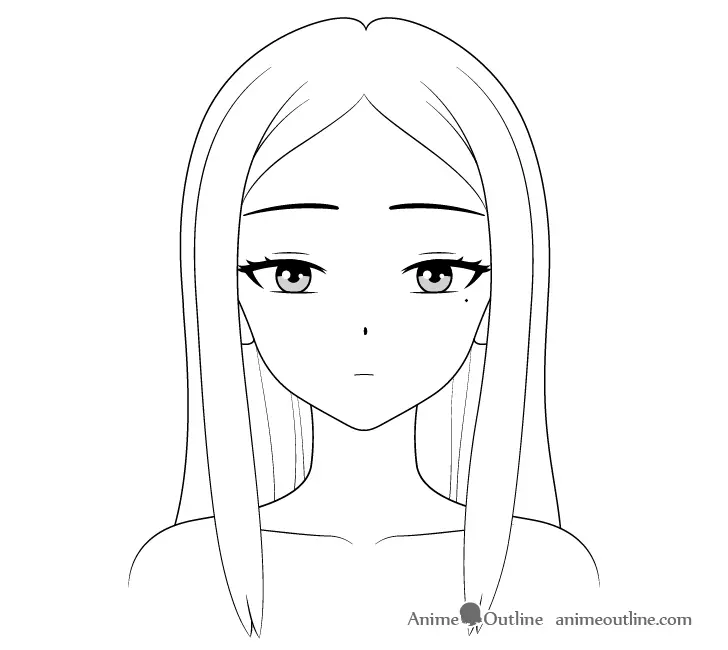
The face is where the "cute" factor is most concentrated. Chibi eyes are significantly larger than those on a standard character and are usually placed low on the face. Large pupils and multiple highlights within the iris create a sense of depth and liveliness, which is central to the chibi art style.
When designing the face, keep these elements in mind:
- Simplify the nose to a tiny dot or a small line, or omit it entirely.
- Keep the mouth small and simple, often drawn as a curved line or a small "v" shape.
- Place the ears lower on the head than you would for a realistic character to enhance the youthful, rounded silhouette.
- Use thick, bold lines for the eyelashes and eyebrows to frame the eyes and draw attention to the character's primary emotion.
Common mistakes when drawing chibi characters
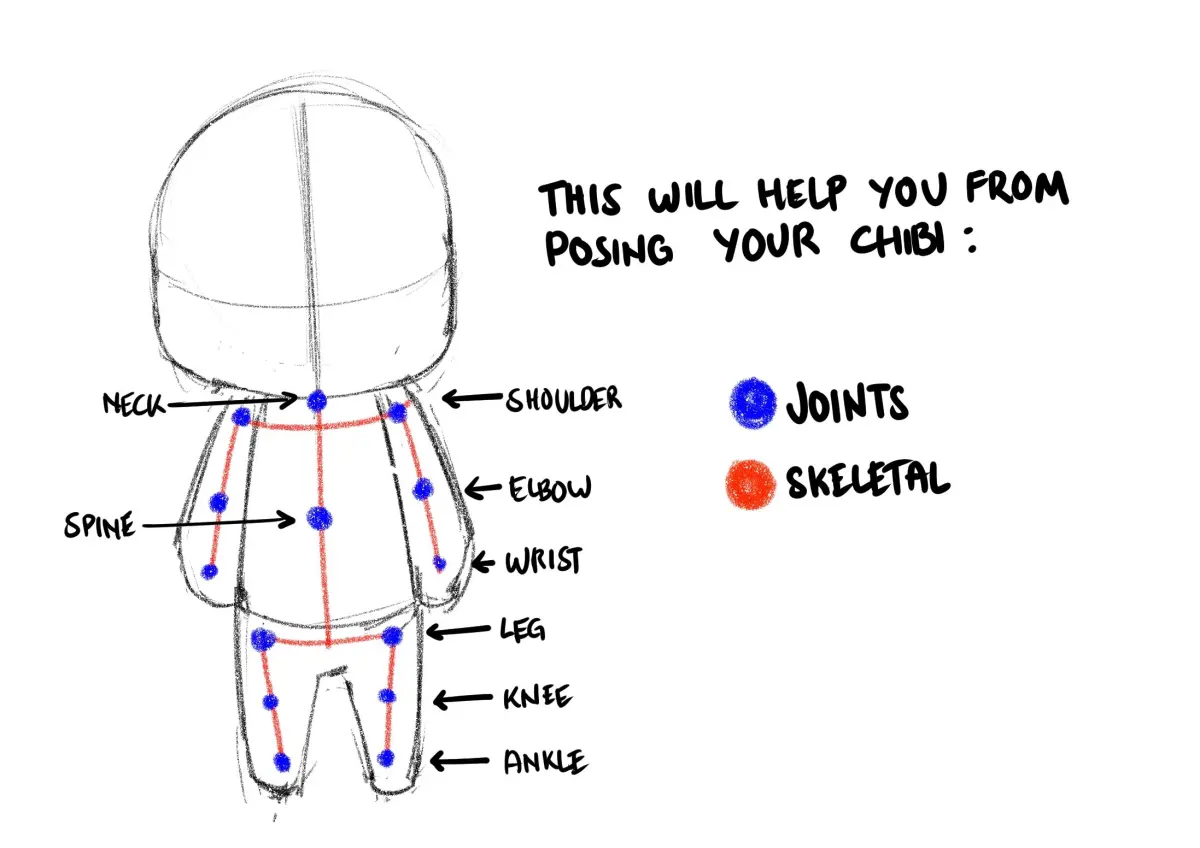
One frequent error is failing to maintain the "roundness" of the character. Beginners often add too many joints or realistic muscle definition, which breaks the chibi illusion. If you find your character looks like a miniature adult rather than a chibi, try simplifying the joints and rounding out the limbs until they resemble soft, organic shapes.
Another common pitfall involves inconsistent proportions between the head and the body. If the body becomes too long, the character loses its signature compact appeal. Avoid these specific issues to keep your drawings on track:
- Over-detailing clothing, which can clutter the design and distract from the character's silhouette.
- Placing the eyes too high on the head, which makes the character look older or more realistic.
- Drawing hands and feet that are too large, which disrupts the balance of the small, stubby limbs.
- Using sharp, angular lines instead of soft, fluid curves for the body outline.
Why chibi characters look expressive
The effectiveness of chibi art relies on visual shorthand. Because the features are simplified, every change in eye shape or eyebrow tilt communicates a clear emotion. A wide, open mouth combined with large, sparkling eyes instantly conveys joy, while a simple downward curve of the mouth and narrowed eyes effectively signals sadness or frustration.
Mastering this requires practice with exaggerated expressions:
- Start with a neutral face to establish your base proportions.
- Experiment with "squishing" the eyes to show excitement or "widening" them to show shock.
- Use simple shapes like triangles for angry brows or crescents for happy closed eyes.
- Observe how changing the shape of the head—making it slightly wider or taller—can subtly change the character's personality.
By focusing on these clear, readable signals, you can tell a story through your character's face even with minimal lines, ensuring your chibi art remains both charming and highly communicative.
Key facts
- Chibi characters typically follow a body proportion ratio of 1:1 to 1:3, meaning the head is as large as or larger than the entire body.
- Simplify facial features by placing the eyes low on the face, usually below the horizontal midline, to emphasize cuteness.
- Minimize detail in hands and feet by using rounded nubs or simple mitten shapes instead of articulated fingers.
- Use thick, bold outlines to define the silhouette, as this style relies on clear shapes rather than complex shading.
- Exaggerate expressions by using large, reflective pupils and simplified mouth shapes like small ovals or "v" shapes.
- Keep limbs short and slightly tapered to maintain the "squashed" aesthetic characteristic of the chibi genre.
The bottom line
Drawing a chibi character is a process of extreme simplification and exaggeration. By prioritizing a large head-to-body ratio, rounded limbs, and expressive, oversized eyes, you create a distinct, adorable aesthetic. Focus on maintaining a clean silhouette and avoiding unnecessary details that clutter the design. With practice, you can master these proportions to convey personality and emotion through minimal lines, making your characters instantly recognizable and charming.
People also ask
What is the origin of the term chibi?
The term originates from Japanese slang meaning "small person" or "shorty." It gained popularity in manga and anime during the 1980s as a way to express extreme emotions or comedic relief.
Do chibi characters need a neck?
Most chibi designs omit the neck entirely to emphasize a compact, rounded appearance. Connecting the head directly to the torso reinforces the character's miniature, toy-like proportions.
How should I handle hair in a chibi style?
Simplify hair into large, chunky segments rather than drawing individual strands. Focus on the overall silhouette of the hairstyle while keeping the volume slightly oversized to match the large head.
What is the best way to draw chibi eyes?
Draw eyes as large, vertical ovals with prominent highlights to create a wide-eyed, innocent look. Avoid adding too many lashes or complex folds, as these can clutter the small face.
Can I draw chibi characters in action poses?
Yes, but keep the limbs flexible and rubbery to maintain the style. Even in dynamic poses, avoid sharp angles and keep the joints rounded to preserve the character's soft, approachable aesthetic.
What common mistake should beginners avoid?
A common error is adding too much realistic detail, such as complex clothing folds or muscle anatomy. Over-detailing breaks the chibi illusion, so prioritize clean lines and simple shapes instead.
This answer was created with the help of AI research tools and reference sources. Spotted an error? Let us know — we correct mistakes quickly. See our editorial policy.