How do you draw cute animals?
Short answer
Drawing cute animals relies on the "baby schema" principle: enlarging eyes, rounding heads, and softening features. By emphasizing oversized heads relative to small bodies and using simplified, circular shapes, you trigger an instinctive positive response. Focus on expressive facial features and gentle, rounded contours to create an endearing and approachable character design.

On this page
How to use basic shapes for cute animals
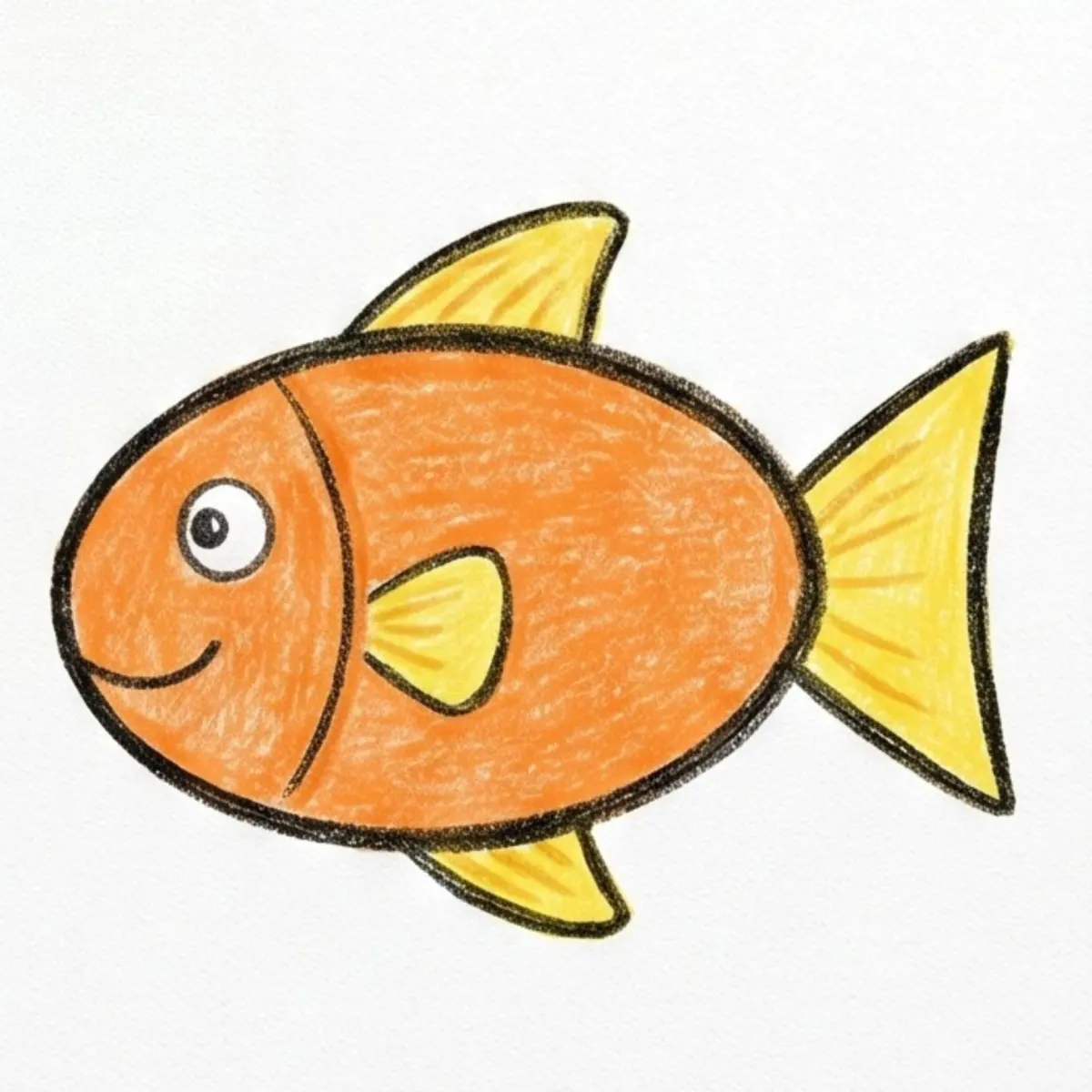
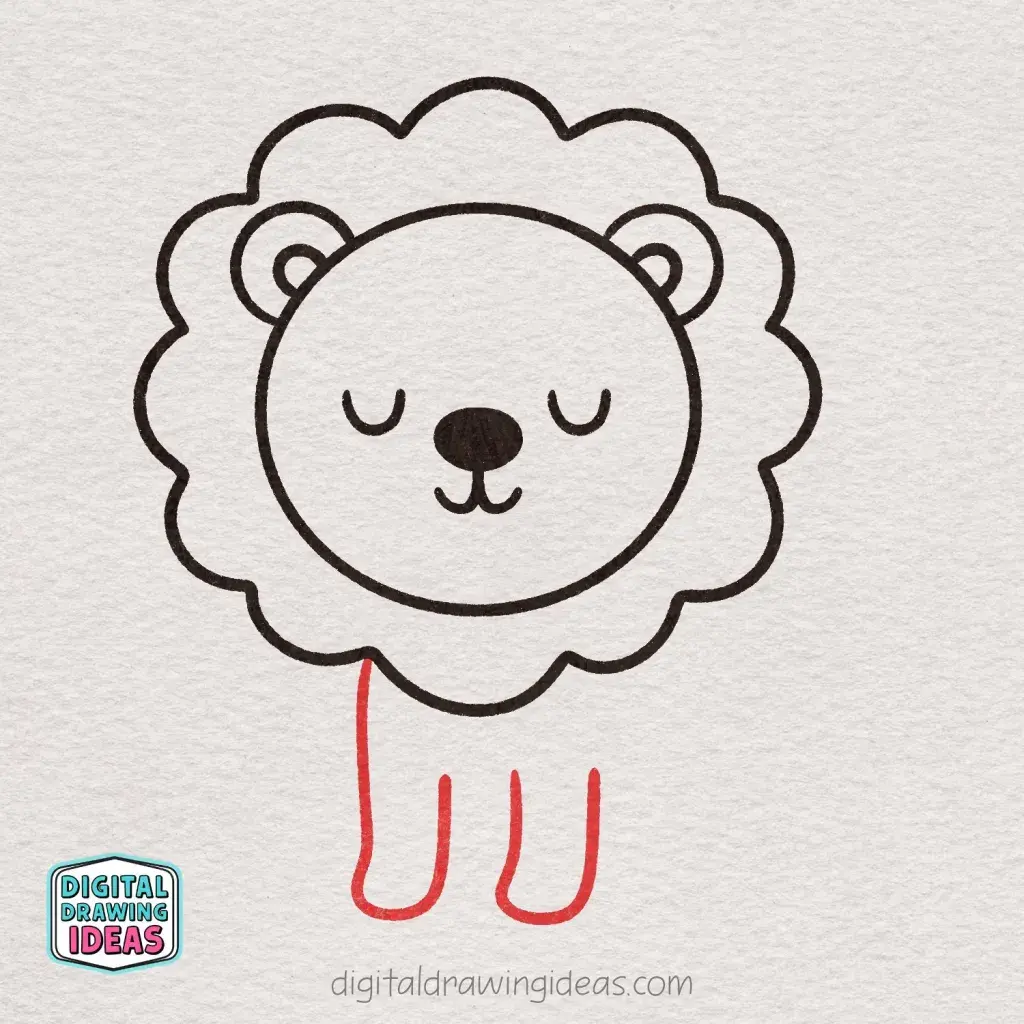
The foundation of any cute animal character is the use of simple geometric forms, primarily circles and ovals. By avoiding sharp angles and jagged lines, you create a soft, non-threatening appearance that appeals to the viewer's sense of comfort. Start your sketch by drawing a large circle for the head and a smaller, slightly squashed oval for the body. This proportion mimics the physical characteristics of human infants, which is the biological key to perceived cuteness.
When constructing your character, consider these structural guidelines to maintain the "chibi" or stylized aesthetic:
- Keep the head size at least one and a half times the size of the torso.
- Use rounded corners for ears, paws, and tails to maintain visual softness.
- Position the eyes below the horizontal center line of the face to enhance the "big forehead" look.
- Avoid straight, rigid lines; instead, use gentle curves for every limb and feature.
How to design expressive facial features
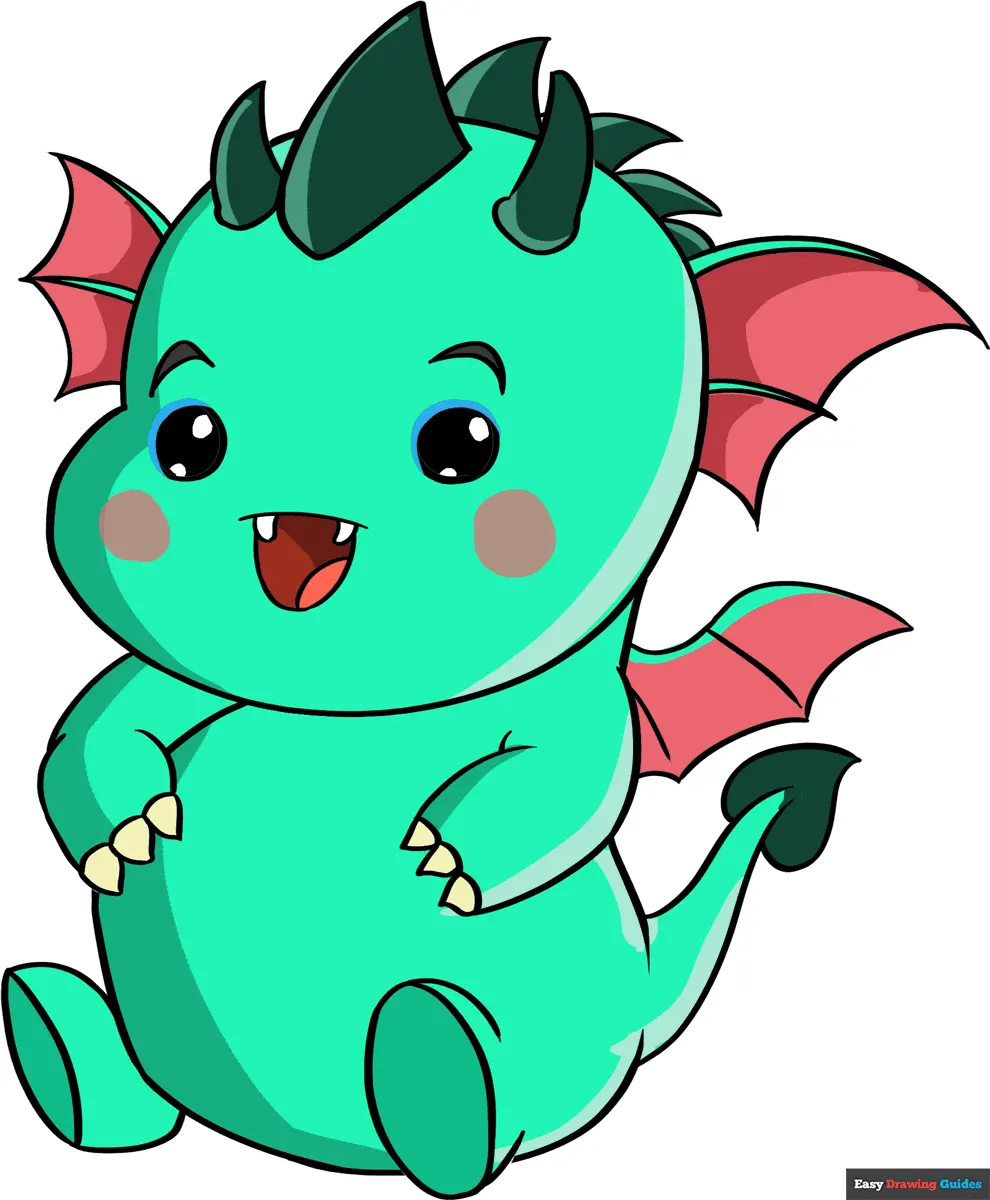
The face is the most important element for conveying personality and charm in animal illustrations. To maximize cuteness, place the eyes wide apart and make them disproportionately large compared to the rest of the face. Adding a small, simple nose and a tiny mouth positioned low on the face creates a youthful, innocent expression. You can experiment with pupil size to change the mood, but large pupils generally evoke a sense of wonder and warmth.
To create a truly engaging face, follow these steps to ensure balance and appeal:
- Draw two large circles for the eyes, leaving a significant gap between them.
- Place a tiny, inverted triangle or a simple dot for the nose exactly between the eyes but slightly lower.
- Add a small, curved line for the mouth, keeping it simple to avoid cluttering the face.
- Use thick, soft lines for the eyelids to give the character a gentle, sleepy, or happy gaze.
Best drawing tools for beginners
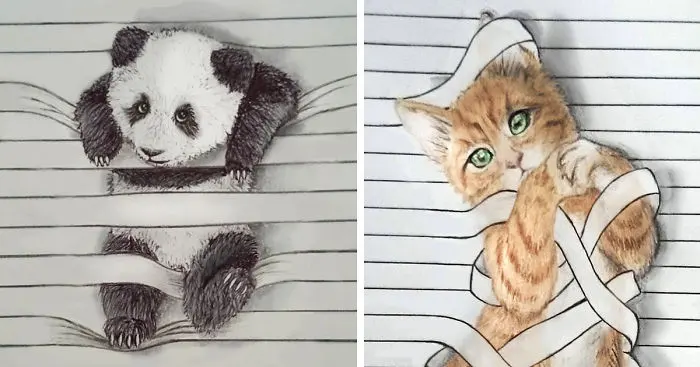
For those just starting, traditional graphite pencils are the best tools because they allow for easy erasing and layering. A 2B or HB pencil provides the perfect balance of darkness and smudgability, allowing you to sketch light guidelines before committing to darker outlines. Using a kneaded eraser is highly recommended, as it can be molded into precise shapes to lift graphite without damaging the paper. This flexibility helps maintain the clean, soft look required for cute character design.
If you prefer digital media, a basic tablet and a pressure-sensitive stylus will suffice. Digital tools offer the advantage of "layers," which allow you to sketch your rough shapes on one layer and refine your final, clean lines on another. Regardless of the medium, focus on the quality of your stroke rather than the complexity of your tools. A simple ballpoint pen or a standard pencil can produce professional-looking results if the underlying proportions and shapes are handled with care and intention.
Common mistakes when drawing cute animals
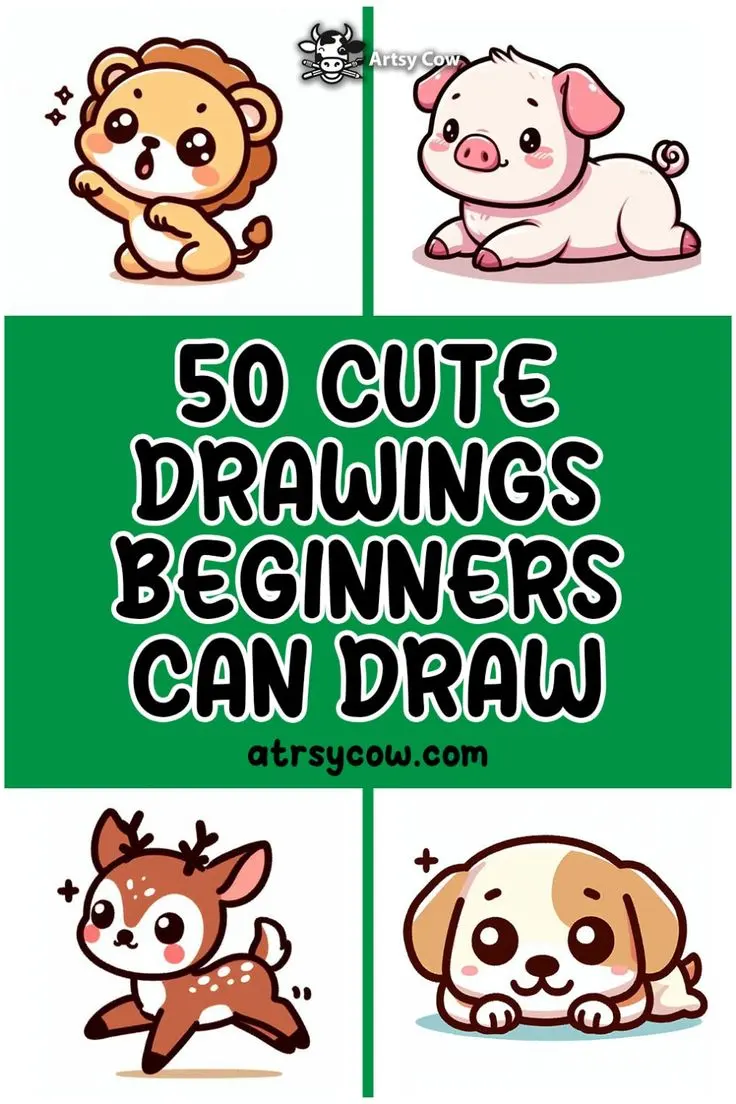
One of the most frequent errors is adding too much detail, which can make a character look busy, realistic, or even slightly uncanny. Cute animals thrive on simplicity; excessive fur texture, complex muscle definition, or intricate patterns often detract from the overall charm. Stick to clean silhouettes and minimal markings to ensure the character remains readable and endearing from a distance. If the design feels too cluttered, try removing non-essential elements until the character feels balanced and clear.
Another common mistake is drawing the neck too long or the limbs too thin. In cute character design, the neck is often barely visible or entirely absent, allowing the head to sit directly on the shoulders. Similarly, limbs should be thick and stubby rather than spindly. If you find your character looks "off," check the proportions of the extremities against the head size. Usually, shortening the limbs and rounding the joints will immediately improve the character's appeal and overall sense of balance.
Why proportions matter for character appeal
The science of cuteness, often referred to as "kindchenschema," suggests that humans are hardwired to respond positively to features that resemble infants. When you draw an animal with a large forehead, big eyes, and chubby cheeks, you are tapping into this deep-seated psychological response. By manipulating these proportions, you can control how the viewer perceives your character's personality. A character with very large eyes might seem curious and fragile, while one with slightly smaller eyes and a wider smile might appear more energetic and playful.
Consistency is the final piece of the puzzle when developing your unique style. Once you find a set of proportions that works for your character, try to apply those same rules to different animals, such as bears, cats, or rabbits. By standardizing your approach to head-to-body ratios and facial spacing, you create a cohesive world of characters that feel connected. Practice these techniques regularly, and you will soon develop an intuitive sense for how to balance simplicity and personality to create truly memorable and cute animal illustrations.
Key facts
- Use the "rule of thirds" to place large, expressive eyes in the lower half of the head to mimic infant proportions.
- Simplify complex anatomy into basic geometric shapes like circles, ovals, and triangles to establish a clear silhouette.
- Increase the size of the head relative to the body, as a larger head-to-body ratio is universally perceived as cuter.
- Soften sharp edges by rounding off corners and using gentle, flowing curves instead of rigid, straight lines.
- Keep limbs short and slightly chubby to emphasize a youthful, clumsy, and non-threatening appearance.
- Use a limited color palette with soft, desaturated tones or pastels to evoke a gentle and approachable aesthetic.
The bottom line
Drawing cute animals relies on the principle of neoteny, which involves emphasizing youthful features like large eyes, rounded forms, and oversized heads. By simplifying anatomy into soft, geometric shapes and utilizing expressive, oversized facial traits, you can create characters that feel approachable and endearing. Focus on fluid curves and playful poses to bring life to your sketches while keeping unnecessary details to a minimum for maximum impact.
People also ask
How do I make animal eyes look more expressive?
Draw large circular pupils with prominent white highlights to create a sense of depth and life. Adding thick, slightly curved eyelashes can further soften the gaze and enhance the character's personality.
Why do my drawings look stiff instead of cute?
Stiffness often results from using perfectly straight lines and rigid poses. Try incorporating "S-curves" and "C-curves" to give the animal a more fluid, organic, and bouncy posture.
What is the best way to draw fur without making it look messy?
Focus on outlining the general shape of the animal first and only add texture at the edges. Use short, sparse strokes rather than covering the entire body in lines to maintain a clean look.
Should I use realistic proportions for cute animals?
No, realism often conflicts with cuteness. Exaggerating features like oversized heads, small noses, and wide-set eyes—a concept known as "neoteny"—is the most effective way to trigger a positive emotional response.
How do I choose the right pose for a cute character?
Opt for poses that suggest playfulness, such as tilting the head, sitting with paws tucked in, or rolling on the back. These positions emphasize vulnerability and comfort, which are key elements of cuteness.
What common mistakes should I avoid when sketching?
Avoid drawing features that are too small or too detailed, as this creates visual clutter. Also, ensure the neck is short or non-existent, as a long, thin neck often looks more elegant or intimidating than cute.
This answer was created with the help of AI research tools and reference sources. Spotted an error? Let us know — we correct mistakes quickly. See our editorial policy.