How do you draw a cute octopus?
Short answer
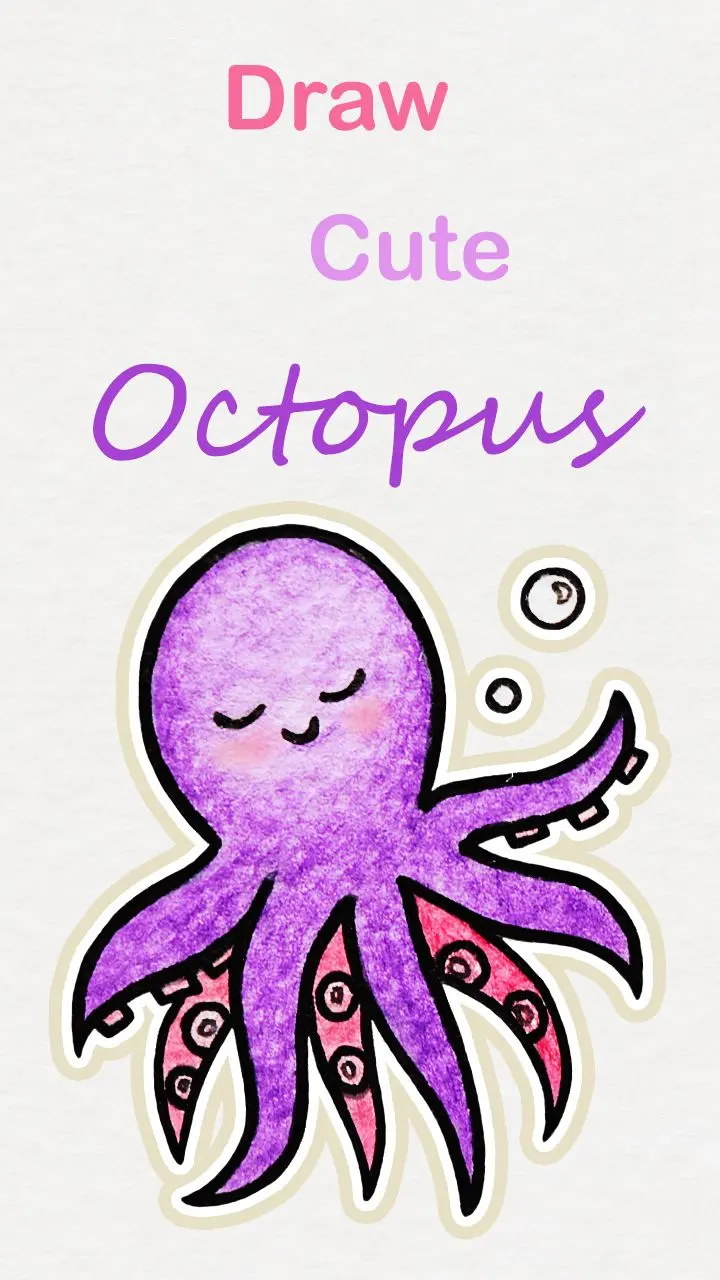
Drawing a cute octopus involves creating a rounded, bulbous head paired with short, tapered tentacles. By using large, widely spaced eyes and a small, simple mouth, you emphasize the "kawaii" aesthetic. Keep the lines soft and curved to ensure the creature appears friendly, approachable, and visually appealing to all audiences.
On this page
How to sketch the basic octopus shape
To begin your drawing, focus on the proportions of the head versus the body. A cute octopus typically features a large, semi-circular mantle that takes up about two-thirds of the total height. Start by drawing a wide, upside-down U shape for the head. Ensure the bottom of this shape is slightly curved rather than flat to give it a soft, organic look.
Once the head is established, add the tentacles at the base. Instead of long, spindly limbs, draw six to eight short, thick, and rounded shapes that curve outward. These should look like soft teardrops or sausages attached to the bottom of the mantle. Keep the lines fluid and avoid sharp angles, as rounded edges are essential for achieving a cute, cartoonish appearance.
Best drawing tools for beginners
For those just starting, a standard graphite pencil is the most forgiving tool. Use an HB or 2B pencil to sketch your initial guidelines, as these can be easily erased if you make a mistake. Once you are satisfied with the proportions, use a fine-liner pen or a felt-tip marker to trace over your lines. This creates a bold, clean outline that makes the character pop.
If you are working with color, alcohol-based markers or colored pencils are excellent choices. Markers provide smooth, vibrant coverage that works well for the flat, simple aesthetic of cute illustrations. Colored pencils allow for subtle shading, which can add depth to the mantle. Consider these essential supplies:
- HB pencils for initial sketching
- Erasers with a soft edge to avoid tearing paper
- Fine-liner pens (0.5mm size) for crisp outlines
- Alcohol-based markers for uniform color application
How to draw expressive octopus eyes
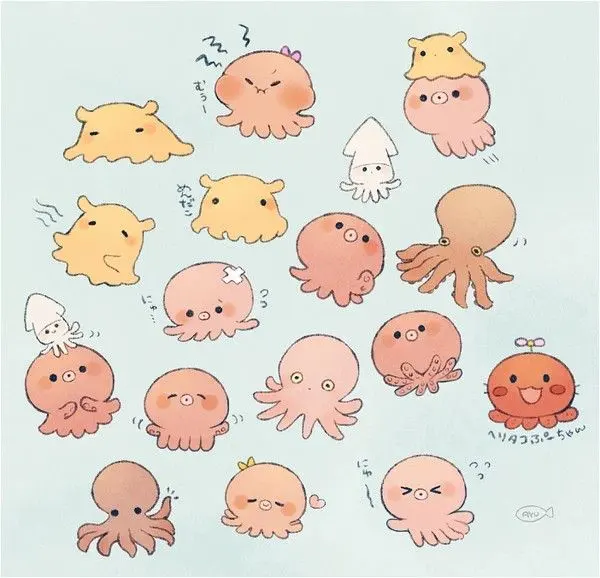
The secret to "cuteness" in character design lies in the eyes. Large, round eyes placed low on the mantle make the octopus look youthful and innocent. Draw two large circles and leave a small white spot inside each to represent a reflection of light. This simple technique, known as a "highlight," instantly makes the character look lively and alert.
Position the eyes slightly apart to give the face a balanced, pleasant expression. Avoid placing them too high, as this can make the head look disproportionate. You can experiment with different eye styles to change the mood:
- Draw two large, solid black ovals for a simple, classic look.
- Add small, curved lines underneath the eyes to suggest a happy, squinting expression.
- Place the eyes closer together for a surprised look, or further apart for a calm, gentle demeanor.
Common mistakes when drawing octopuses
One frequent error is making the tentacles too long or thin, which can make the octopus look more like a spider or a scary sea monster. Remember that a cute octopus should look plush and huggable. Keep the tentacles stubby and ensure they taper off into rounded tips rather than pointed ends. If the limbs look too rigid, try adding a slight wave to each one.
Another mistake is overcrowding the drawing with too much detail. You do not need to draw suction cups on every tentacle, as this can clutter the design and make it look busy. If you choose to include suction cups, limit them to just two or three small circles on the underside of one or two tentacles. This suggests detail without overwhelming the viewer's eye.
How to add personality with accessories
Once you have mastered the basic form, you can add personality through simple accessories. A small bow on top of the mantle or a tiny sailor hat can instantly change the character's story. Keep accessories minimal so they do not distract from the octopus itself. A simple prop, like a small seashell or a bubble floating nearby, can also create a sense of environment.
Color choice also plays a significant role in personality. While octopuses are naturally camouflaged, cute versions often use pastel colors like light pink, baby blue, or soft lavender. You can also experiment with patterns:
- Add small, light-colored polka dots to the mantle for texture.
- Use a lighter shade of your base color to create a soft belly patch on the front.
- Apply a faint blush using a pink pencil under the eyes to enhance the friendly, bashful expression.
By focusing on these simple, intentional choices, you can create a charming and professional-looking character that captures the essence of a cute cephalopod. Practice drawing several variations to see which proportions feel most natural to your personal style, and remember that consistency in your line weight will help tie the entire illustration together for a polished finish.
Key facts
- Octopuses have a rounded mantle, which serves as the base shape for a cute drawing.
- A cute aesthetic relies on large, wide-set eyes placed low on the head to create a "baby-like" appearance.
- Simplify the anatomy by drawing exactly eight tentacles, though they do not need to be perfectly symmetrical.
- Use soft, curved lines for the tentacles to suggest movement and playfulness rather than rigid geometry.
- Add small suction cups as simple circles or ovals along the inner side of each tentacle.
- Avoid sharp angles; rounded corners and soft curves are essential for making a character appear friendly.
The bottom line
Drawing a cute octopus is an exercise in simplifying complex anatomy into friendly, rounded shapes. By focusing on a large, bulbous head and wide-set eyes, you create an immediate sense of charm. Remember to keep your lines soft and prioritize a balanced arrangement of the eight tentacles. With these basic principles, you can easily customize your character with expressions and colors to suit your personal artistic style.
People also ask
How many tentacles does a real octopus have?
A real octopus has eight arms, which are technically referred to as tentacles in casual conversation. Each arm is lined with rows of sensitive suckers used for gripping and tasting.
Should I draw the octopus with a mouth?
You can add a small, curved line or a "w" shape below the eyes to represent a mouth. Keeping the mouth small and simple maintains the cute, minimalist character design.
What is the best way to draw suction cups?
Draw small circles or ovals along the underside of the tentacles. For a cleaner look, draw them only on the tentacles that are curving toward the viewer.
Can I add accessories to my octopus drawing?
Adding a small bow, a top hat, or a pair of glasses can enhance the personality of your drawing. Accessories are a common technique in character design to make simple shapes more distinct.
Why do my octopus drawings look like spiders?
This usually happens because the tentacles are drawn too thin or attached too high on the body. Ensure the tentacles emerge from the bottom of the rounded mantle to maintain the correct proportions.
What colors should I use for a cute octopus?
While octopuses in nature change color, bright pastels like light pink, lavender, or soft blue work best for cute illustrations. Using a lighter shade for the underside of the tentacles creates a nice visual contrast.
This answer was created with the help of AI research tools and reference sources. Spotted an error? Let us know — we correct mistakes quickly. See our editorial policy.