What is an orchestra?
Short answer
An orchestra is a large ensemble of musicians who play various instruments together under the direction of a conductor. These groups typically feature string, woodwind, brass, and percussion sections. Orchestras perform complex musical compositions, ranging from classical symphonies and concertos to modern film scores, in concert halls or specialized recording studios.
On this page
How is an orchestra structured
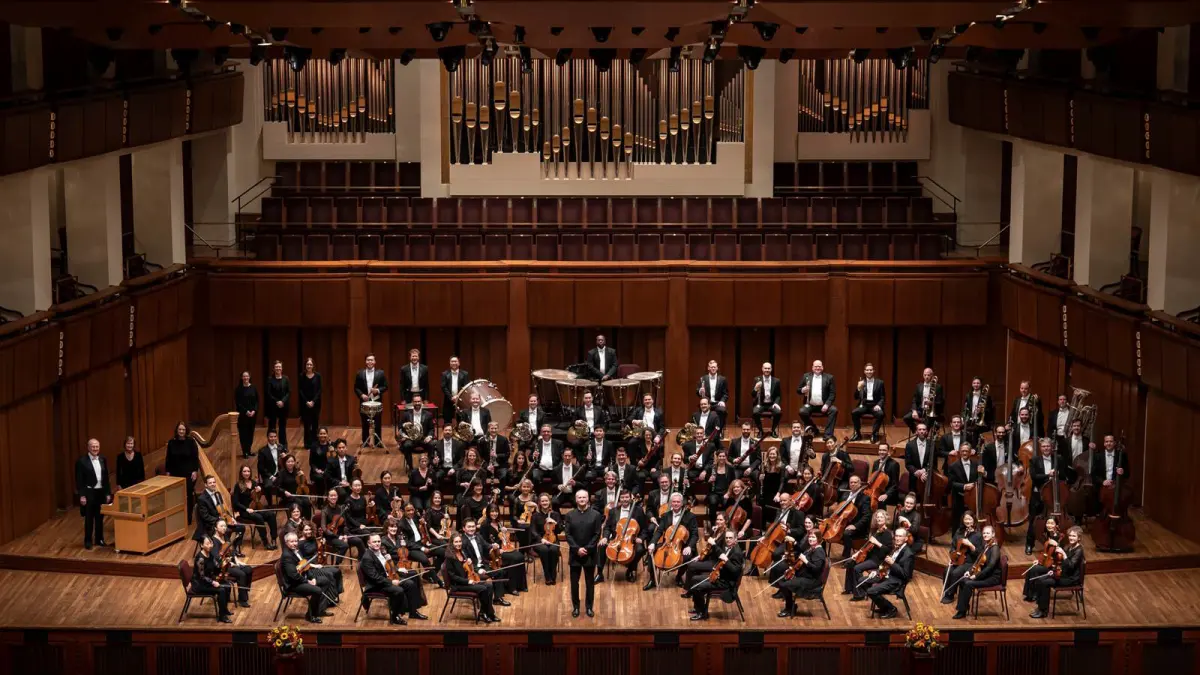
A standard symphony orchestra consists of four primary families of instruments, each contributing unique timbres to the overall sound. The string section is the largest, containing violins, violas, cellos, and double basses. Woodwinds typically include flutes, oboes, clarinets, and bassoons, while the brass section features trumpets, horns, trombones, and tubas. Percussionists round out the group, managing everything from timpani and snare drums to cymbals and mallet instruments.
The arrangement of these players is standardized to ensure acoustic balance and visual clarity for the conductor. String players sit in the front, closest to the conductor, while woodwinds and brass occupy the middle and rear risers. Percussion instruments are usually placed at the very back of the stage. This layout allows the conductor to maintain control over the volume and timing of each section effectively.
What does a conductor do
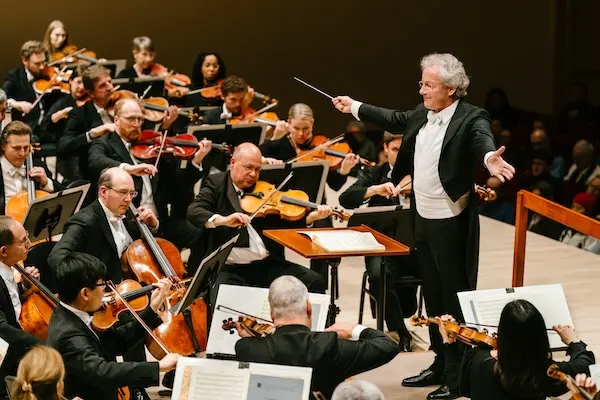
The conductor serves as the artistic leader and primary coordinator of the ensemble. They interpret the musical score, deciding on the tempo, dynamics, and phrasing that the musicians must follow. During a performance, the conductor uses a baton or their hands to signal cues, ensuring that all sections enter and exit at the precise moment required by the composer.
Beyond technical coordination, the conductor shapes the emotional arc of a piece. They communicate subtle nuances through facial expressions and body language, guiding the musicians to play with specific intensity or delicacy. Without a conductor, maintaining synchronization among eighty or more musicians would be nearly impossible, especially during complex passages where tempo fluctuations occur.
How to attend an orchestra concert
Attending a live orchestral performance is a unique experience that requires minimal preparation. Most professional orchestras offer a variety of programs, from traditional masterworks to contemporary pops concerts. If you are a first-time attendee, keep these tips in mind:
- Check the program online beforehand to understand the pieces being played.
- Arrive at least 20 minutes early to find your seat and read the program notes.
- Dress in comfortable, business-casual attire, though most modern venues are quite flexible.
- Wait for the conductor to lower their arms completely before applauding between movements.
Common mistakes often involve arriving late or failing to silence electronic devices. The acoustic environment of a concert hall is highly sensitive, meaning even a small notification sound can disrupt the musicians and the audience's concentration. Always ensure your phone is powered off completely before the performance begins.
What are the different types of orchestras
Not all orchestras are the same size or scope. The most common types are categorized by the number of musicians and the repertoire they perform. Understanding these differences helps you choose the right concert for your interests.
- Symphony Orchestra: A large ensemble, often with 80 to 100 players, capable of performing massive symphonies by composers like Mahler or Bruckner.
- Chamber Orchestra: A smaller group, typically 40 players or fewer, designed for more intimate settings and music from the Baroque or Classical periods.
- String Orchestra: Comprised exclusively of string instruments, often used for specific works by composers like Tchaikovsky or Grieg.
- Pops Orchestra: A group that performs lighter, popular music, often including film scores, jazz standards, or Broadway show tunes.
Each type offers a distinct acoustic texture. Chamber orchestras provide clarity and precision, while symphony orchestras provide the massive, immersive wall of sound that is characteristic of the Romantic era.
Common mistakes when learning about orchestras
Many newcomers assume that all classical music is slow or boring, which is a significant misconception. Orchestral music covers a vast emotional spectrum, from the high-energy, aggressive rhythms of Stravinsky’s "The Rite of Spring" to the haunting, minimalist melodies of Arvo Pärt. Another frequent error is focusing only on the melody while ignoring the complex interplay of the inner voices.
To appreciate an orchestra fully, try to listen for the specific sounds of individual instruments during a piece. Pay attention to how the woodwinds weave through the string texture or how the brass provides a foundation for the climax. Avoid the mistake of thinking you need a deep music theory background to enjoy the performance. The primary goal is to engage with the sound and the artistry of the performers. By simply listening with an open mind, you will naturally begin to recognize the unique characteristics of the different sections and the conductor's specific influence on the music.
Key facts
- A modern symphony orchestra typically consists of 70 to 100 musicians playing instruments from four main families: strings, woodwinds, brass, and percussion.
- The conductor stands on a podium to coordinate the ensemble, using a baton or hands to signal tempo, dynamics, and phrasing.
- The "concertmaster" is the first-chair violinist who leads the string section and ensures the orchestra is tuned before the conductor arrives.
- Orchestras are organized in a specific seating arrangement, with the loudest instruments, like brass and percussion, placed at the back.
- Standard orchestral scores are written for dozens of different instruments, requiring a conductor to interpret the composer's intentions.
- To appreciate an orchestra, sit in the middle of the concert hall, as this provides the most balanced acoustic blend of all instrument sections.
The bottom line
An orchestra is a complex musical organism that relies on the precise collaboration of diverse instrumentalists. By balancing the delicate strings with the powerful brass and rhythmic percussion, these ensembles create a vast sonic landscape. Whether you are listening to a classical masterwork or a modern film score, the orchestra remains the most sophisticated and expressive tool for live musical performance in the world today.
People also ask
What is the difference between a symphony orchestra and a philharmonic orchestra?
There is no functional difference between the two terms; both refer to a full-sized orchestra. The names are often used to distinguish between two different orchestras in the same city or to honor historical naming traditions.
Why do orchestras tune to an oboe?
The oboe produces a stable, penetrating pitch that is easily heard by all musicians across the stage. Its sound contains a rich spectrum of overtones, making it the ideal reference point for tuning every instrument in the ensemble.
What does a conductor actually do during a performance?
Beyond keeping time, a conductor shapes the musical interpretation by signaling volume changes and emotional intensity. They act as a central nervous system, ensuring that 100 independent musicians perform as a single, cohesive unit.
How long does it take to become a professional orchestral musician?
Most professional players begin training in early childhood and spend decades refining their technique. They typically earn a bachelor’s or master’s degree in music performance before passing highly competitive auditions to secure a permanent seat.
What is the role of the percussion section?
Percussionists provide rhythmic foundation, color, and dramatic punctuation to the music. They play a vast array of instruments, including timpani, cymbals, snare drums, and sometimes even non-traditional items like anvils or sirens.
Can you see an orchestra perform without a conductor?
While rare, some chamber orchestras perform without a conductor, relying on the concertmaster or group intuition to maintain tempo. This is common in smaller ensembles but nearly impossible for the massive scale of a full symphony.
This answer was created with the help of AI research tools and reference sources. Spotted an error? Let us know — we correct mistakes quickly. See our editorial policy.