What is the best age to learn an instrument?
Short answer
There is no single "best" age to learn an instrument, as success depends on individual goals and cognitive development. Children aged 5 to 9 often excel at developing foundational ear training and motor skills. However, teenagers and adults frequently progress faster due to increased focus, self-discipline, and a deeper understanding of music theory.
On this page
When should a child start music lessons?
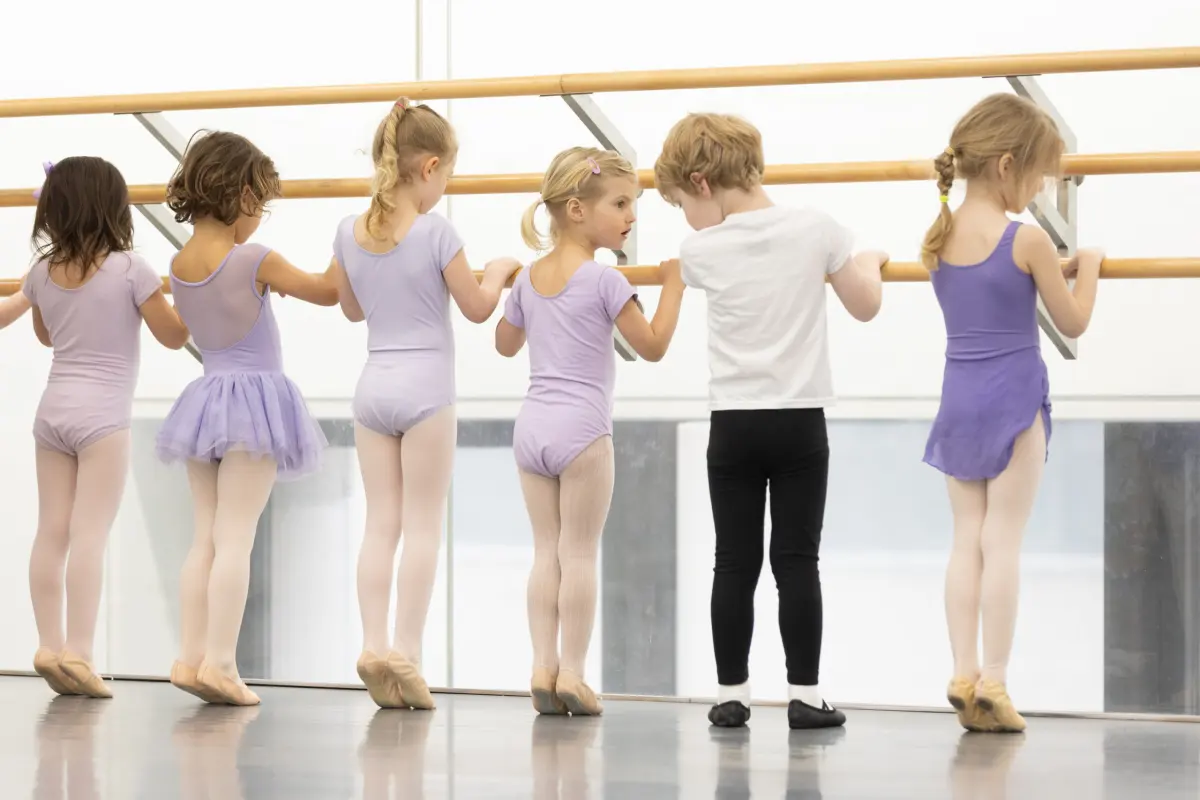
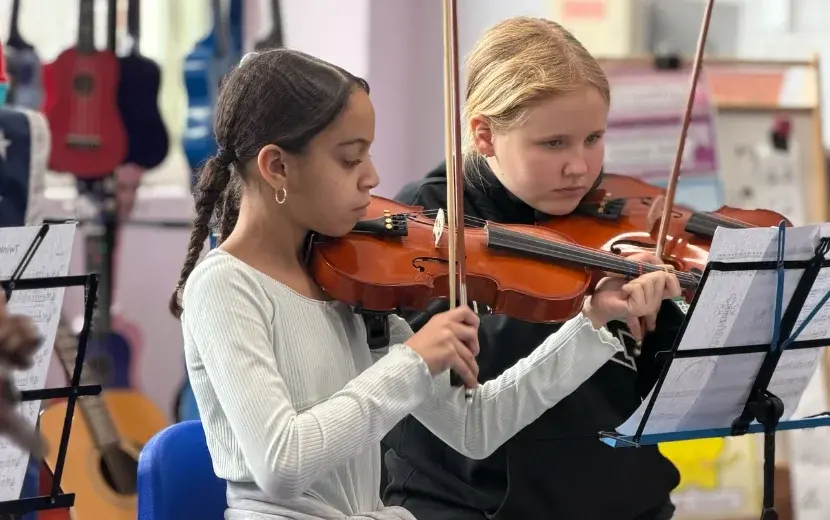
Most experts agree that children can begin formal music instruction between the ages of 5 and 9. At this stage, the brain is highly plastic, allowing for the rapid development of neural pathways associated with auditory processing and fine motor coordination. Early exposure helps children internalize rhythm and pitch before they are fully aware of the technical challenges ahead.
However, readiness is not strictly about age; it is about physical and emotional maturity. A child must have the attention span to sit through a 30-minute lesson and the finger strength to press keys or strings. If a child is forced into lessons before they are interested, they risk developing a permanent aversion to music.
- Assess their ability to follow multi-step instructions.
- Observe if they show genuine curiosity toward musical sounds.
- Ensure they have the physical dexterity to handle the specific instrument.
- Start with short, play-based sessions rather than rigid technical drills.
Why adults are better at learning instruments
While children have a biological advantage in language and pitch acquisition, adults possess cognitive strengths that often lead to faster technical progress. An adult learner can analyze complex rhythms, read musical notation with greater speed, and maintain the sustained concentration required for deliberate practice. Because adults are typically self-motivated, they are less likely to require the external pressure that parents often apply to children.
Adults also benefit from a broader understanding of musical styles and a clearer sense of what they want to achieve. Whether the goal is playing jazz piano or mastering classical guitar, this internal drive acts as a powerful catalyst for improvement. The primary hurdle for adults is often time management rather than a lack of innate ability or "brain plasticity."
- Set aside 20 minutes of uninterrupted practice time daily.
- Focus on understanding the theory behind the mechanics.
- Seek out repertoire that aligns with personal musical tastes.
- Prioritize consistency over the intensity of individual practice sessions.
Best instruments for beginners of any age
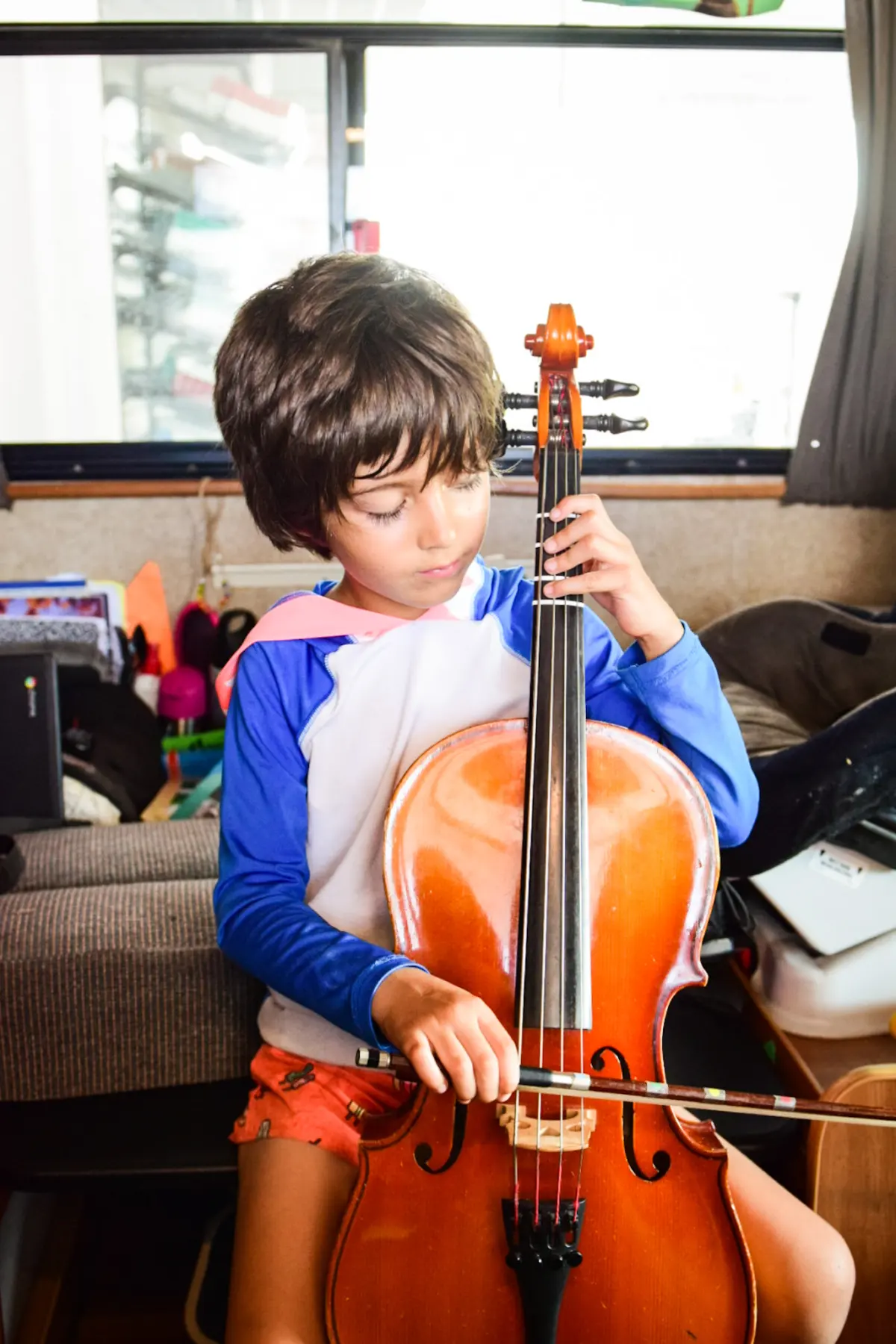
Choosing the right instrument often dictates how long a student stays engaged. Piano and percussion are frequently recommended for younger children because they provide immediate, high-quality sound with a simple physical action. String instruments like the violin require significant physical adjustment and ear training, making them better suited for students who have developed a degree of patience and refined motor control.
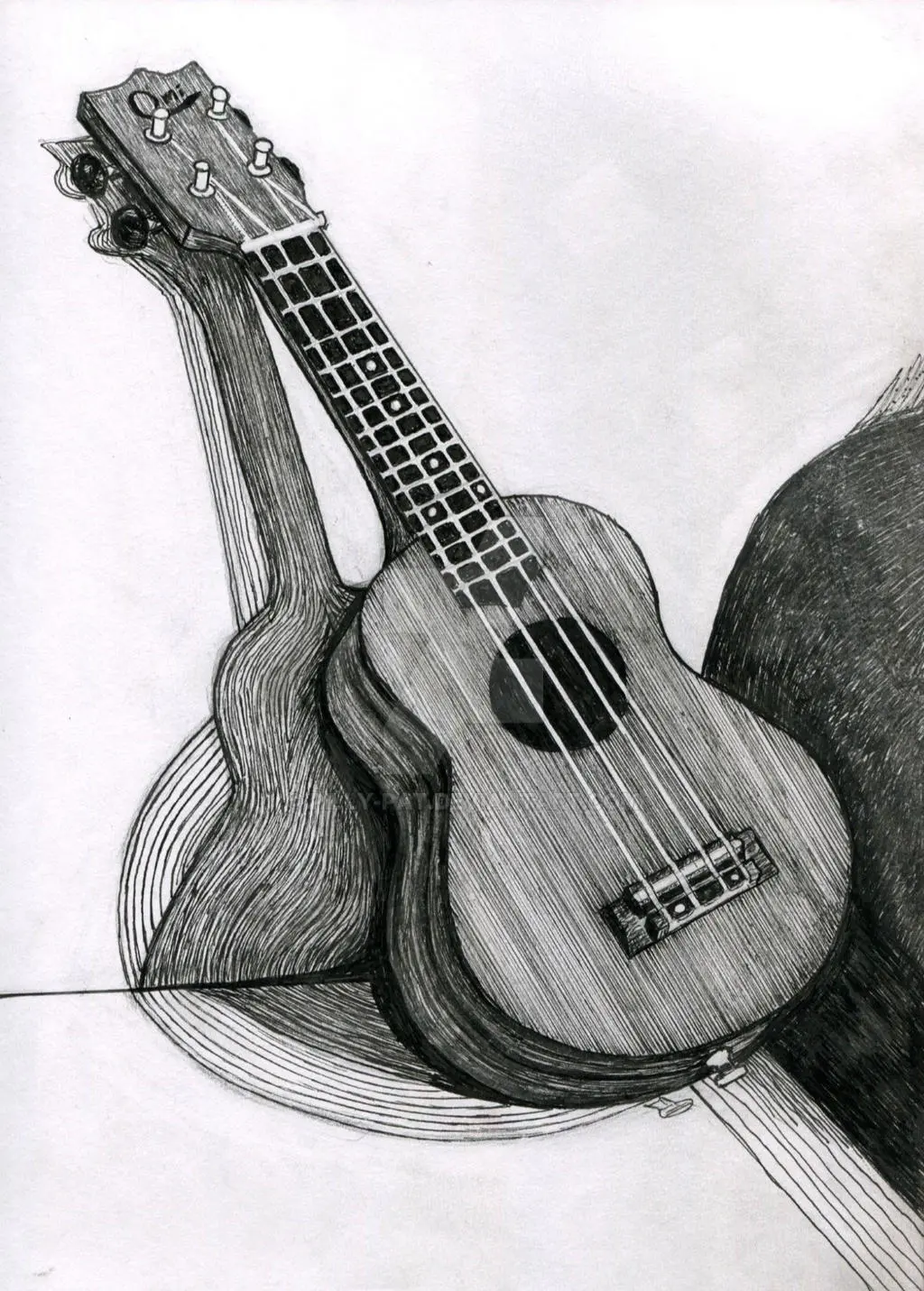
For adults, the guitar or ukulele are popular choices due to their portability and the ability to play popular songs relatively quickly. These instruments allow for a "chord-first" approach, which provides instant gratification. Regardless of the instrument, the most effective choice is the one that the student finds most aesthetically pleasing, as emotional connection is the strongest predictor of long-term retention.
- Piano: Excellent for visual learners and understanding music theory.
- Guitar: Ideal for social playing and portability.
- Drums: Great for developing rhythmic precision and physical coordination.
- Flute or Clarinet: Good for those interested in ensemble or band settings.
Common mistakes when starting music lessons
One of the most frequent errors is choosing an instrument based on convenience rather than genuine interest. When a student dislikes the sound or the physical feel of their instrument, they are unlikely to practice, leading to frustration and eventual burnout. Another common mistake is neglecting the fundamentals of posture and technique in favor of trying to play complex songs too early.
Improper technique can lead to physical discomfort or repetitive strain injuries, which are difficult to unlearn later. It is essential to work with a qualified instructor who can provide real-time feedback on hand positioning and breathing. Skipping the basics in favor of "quick wins" usually results in a plateau where the student finds themselves unable to play more advanced music because their foundation is weak.
- Ignoring the importance of proper ergonomics and posture.
- Overestimating the amount of practice time available in a busy schedule.
- Attempting to learn without a structured curriculum or teacher.
- Focusing solely on speed instead of accuracy and musical expression.
How long does it take to learn an instrument?
The timeline for proficiency varies wildly based on the complexity of the instrument and the intensity of the practice regimen. A beginner can usually learn to play simple melodies within a few weeks, but reaching a level of intermediate competence typically requires one to three years of consistent study. Mastery, in the professional sense, is a lifelong pursuit that involves thousands of hours of deliberate practice.
Progress is rarely linear; students often experience periods of rapid growth followed by plateaus. These plateaus are a natural part of the learning process and do not indicate a lack of talent. By maintaining a steady routine and setting small, achievable goals, students can navigate these gaps effectively. Ultimately, the "best" age is the present moment, as the benefits of music—ranging from improved cognitive function to emotional expression—are accessible to anyone willing to invest the time.
Key facts
- Children between ages 6 and 9 are often considered ideal for beginning piano or violin due to developing fine motor skills.
- The "critical period" for absolute pitch development typically closes around age 7, though musical aptitude remains plastic throughout life.
- Adults possess superior cognitive discipline and analytical understanding, allowing them to grasp complex music theory faster than young children.
- Consistency is more important than age; practicing for 20 minutes daily is more effective than a single three-hour session per week.
- Physical size matters for instruments like the cello or tuba, which require a reach or lung capacity often not developed until the teenage years.
- Learning an instrument at any age improves neuroplasticity, memory retention, and executive function in the brain.
The bottom line
There is no single "best" age to start learning an instrument, as every stage of life offers unique advantages. While young children excel at developing auditory processing and muscle memory, adults utilize superior cognitive discipline to master theory and technique. Ultimately, the most successful students are those who prioritize consistent daily practice and maintain a patient, curious mindset regardless of the year they begin their musical journey.
People also ask
Is it too late to start learning an instrument as an adult?
It is never too late to begin. Adult learners often progress faster than children in the early stages because they have higher levels of focus and a deeper understanding of musical structure.
Which instrument is the easiest for a beginner to learn?
The piano is frequently recommended because it offers a visual layout of notes and produces a clear tone without needing to develop embouchure or complex finger pressure. Ukuleles are also popular due to their small size and simple chord shapes.
How much time should a beginner practice each day?
Beginners should aim for 15 to 30 minutes of focused practice daily. Consistent, short sessions help build muscle memory more effectively than long, infrequent practice blocks.
Do I need to learn how to read sheet music to play an instrument?
While reading sheet music is a valuable skill, it is not strictly required to start playing. Many musicians learn through ear training, tablature, or chord charts, though literacy helps in mastering more complex repertoire later.
How do I choose the right instrument for my child?
Observe your child’s musical interests and physical coordination. It is helpful to rent an instrument first to see if they maintain interest before committing to a significant financial investment in a high-quality purchase.
What are the most common mistakes beginners make?
The most common errors include skipping warm-ups, practicing with poor posture, and setting unrealistic goals. Beginners often quit when they hit a plateau, failing to realize that slow, deliberate progress is a normal part of the learning process.
This answer was created with the help of AI research tools and reference sources. Spotted an error? Let us know — we correct mistakes quickly. See our editorial policy.