Why is art important for kids?
Short answer
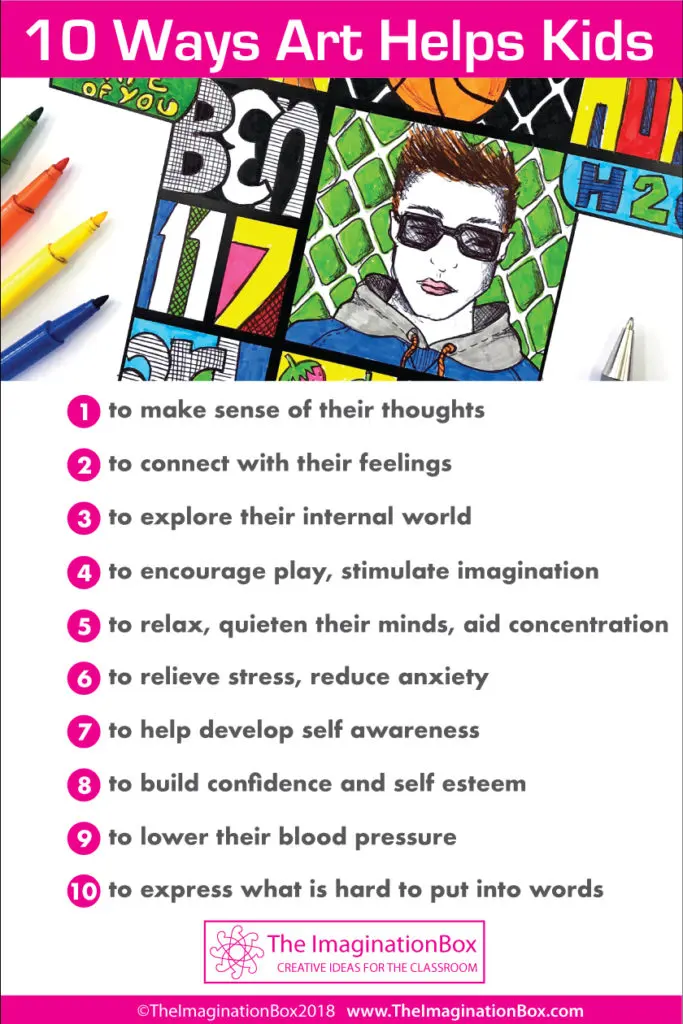
Art is essential for children because it fosters critical cognitive, emotional, and social development. Engaging in creative activities strengthens fine motor skills, improves problem-solving abilities, and provides a necessary outlet for self-expression. By experimenting with various media, children build confidence, learn to process complex emotions, and develop a deeper understanding of the world.
On this page
Why is art important for child development
Art serves as a vital tool for brain development, particularly in the early years. When children draw, paint, or sculpt, they are not merely playing; they are engaging in complex neural processes that link visual perception to physical movement. Research has shown that consistent exposure to the arts improves spatial reasoning and mathematical ability. By manipulating tools like brushes and clay, children refine their hand-eye coordination and fine motor skills, which are essential for later tasks such as writing.
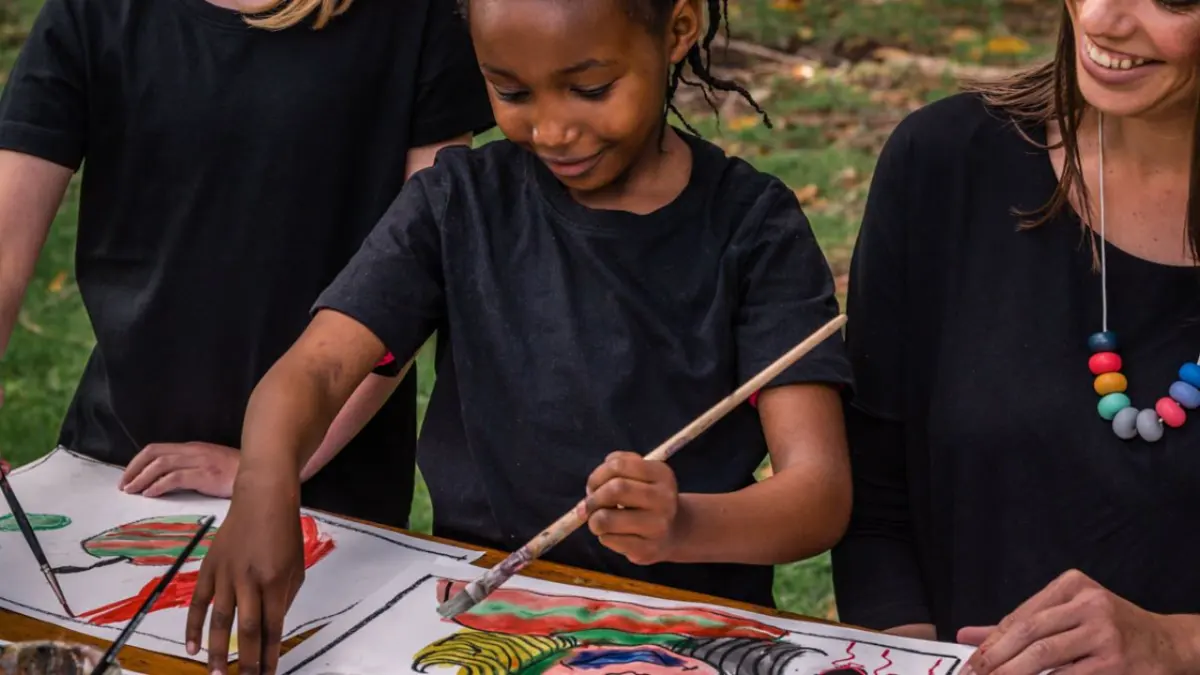
Beyond physical growth, art acts as a unique language for children who may not yet have the vocabulary to express their internal experiences. It allows them to externalize feelings of frustration, joy, or curiosity in a safe environment. This process of creative expression builds emotional resilience and self-awareness. When a child completes a project, they experience a sense of agency and accomplishment that bolsters their self-esteem and encourages them to take risks in other areas of their academic and personal lives.
How to encourage creativity at home
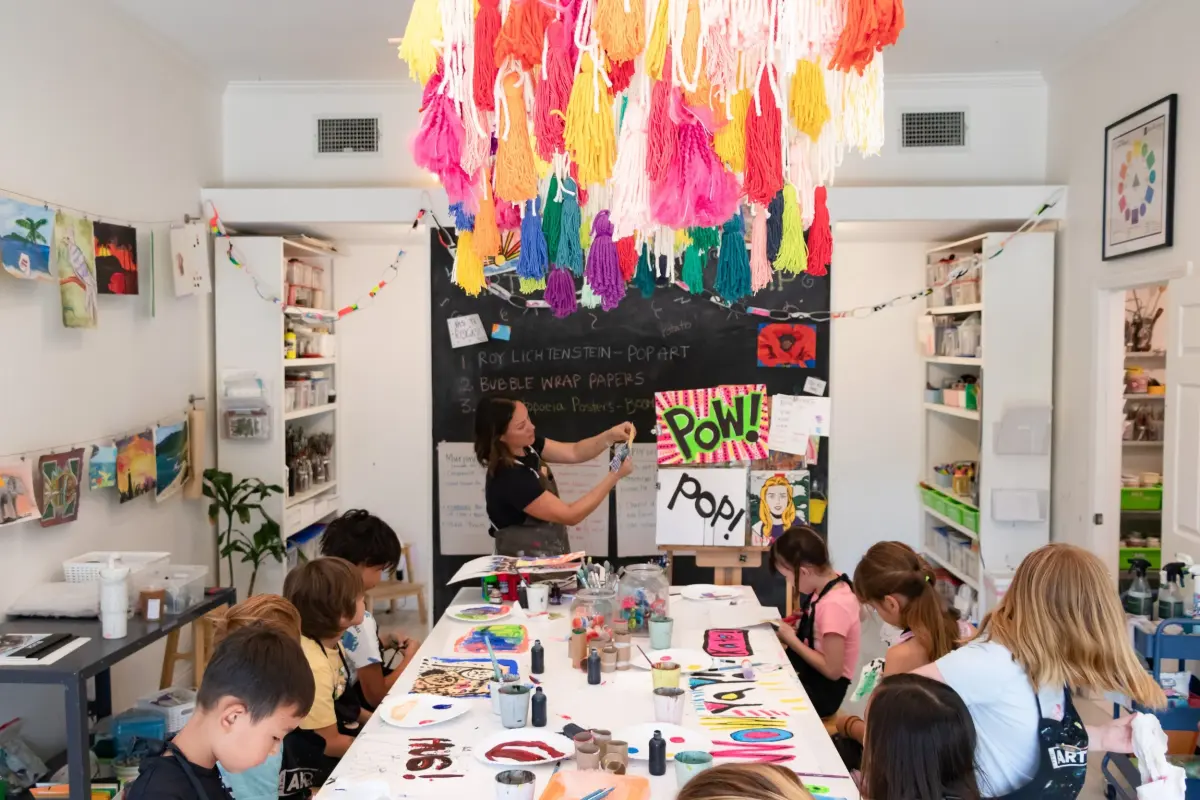
Creating an environment that supports artistic exploration does not require expensive equipment or a dedicated studio space. The goal is to provide consistent access to materials that allow for open-ended play. By keeping supplies visible and reachable, you signal to the child that their creative impulses are valued and encouraged. It is helpful to rotate materials periodically to keep the experience fresh and to spark new interests.
- Designate a specific "messy" area where cleanup is easy, such as a kitchen table covered with a plastic cloth.
- Provide a variety of textures, including construction paper, watercolors, air-dry clay, and recycled cardboard.
- Offer prompts that focus on the process rather than the final result, such as "What happens if we mix these two colors?"
- Display their work in a common area of the house to show that their contributions are respected.
Common mistakes when teaching art to kids
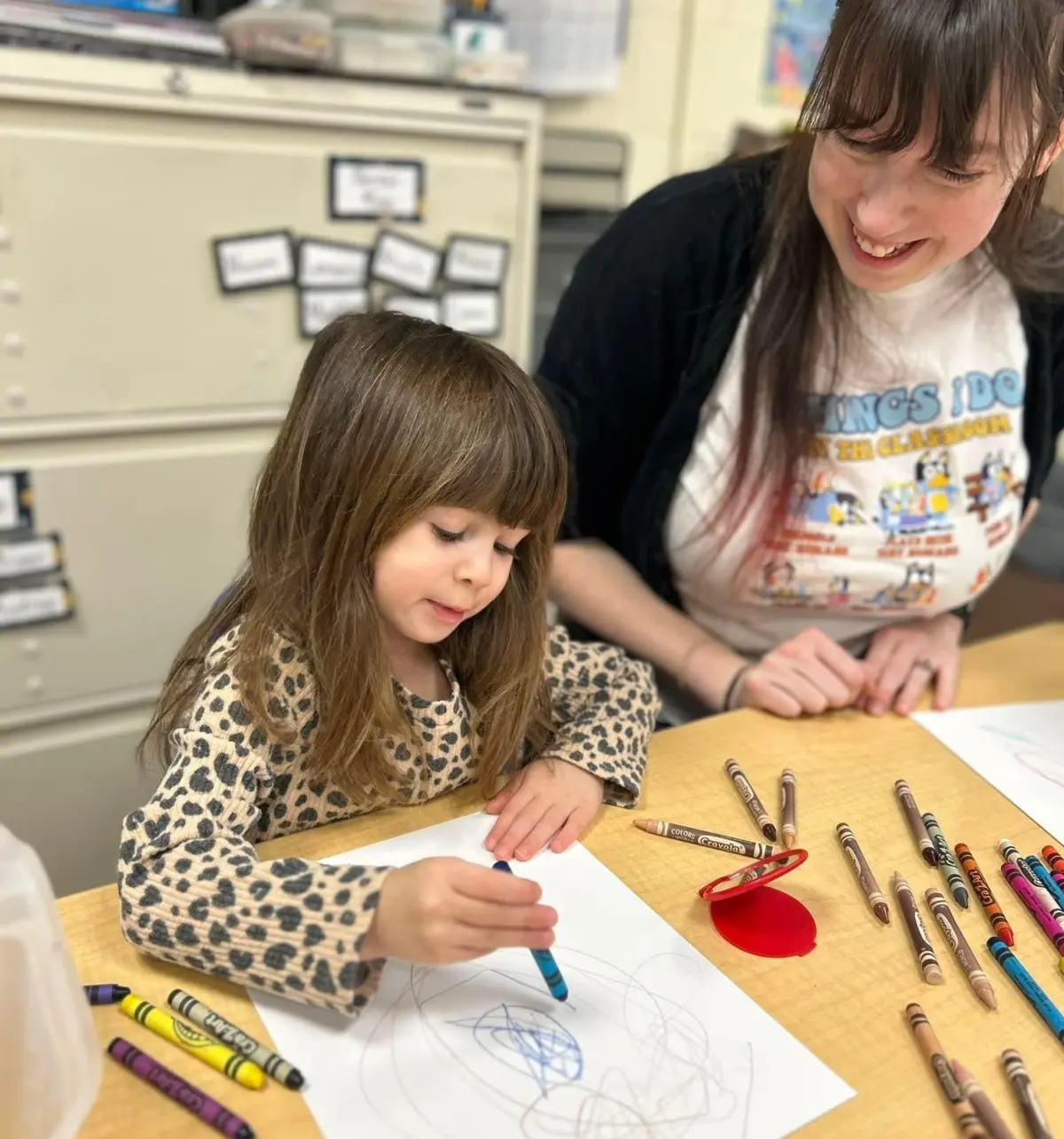
A frequent error parents and educators make is focusing too heavily on the final product rather than the creative process. When adults emphasize "making it look right" or "staying inside the lines," they inadvertently stifle a child’s willingness to experiment. This pressure can lead to performance anxiety, causing the child to view art as a test rather than a form of exploration. It is more beneficial to praise the effort, the choice of colors, or the unique way a child solved a design problem.
Another common mistake is providing too much direction or correcting a child’s work. If a child draws a purple sky or a lopsided house, resist the urge to "fix" it. These choices often reflect the child's perspective or their current developmental stage. By intervening, you may inadvertently teach the child that their personal vision is inferior to adult standards. Instead, ask open-ended questions like, "Tell me about your drawing," which invites the child to explain their choices and reinforces their confidence.
Best art activities for different age groups
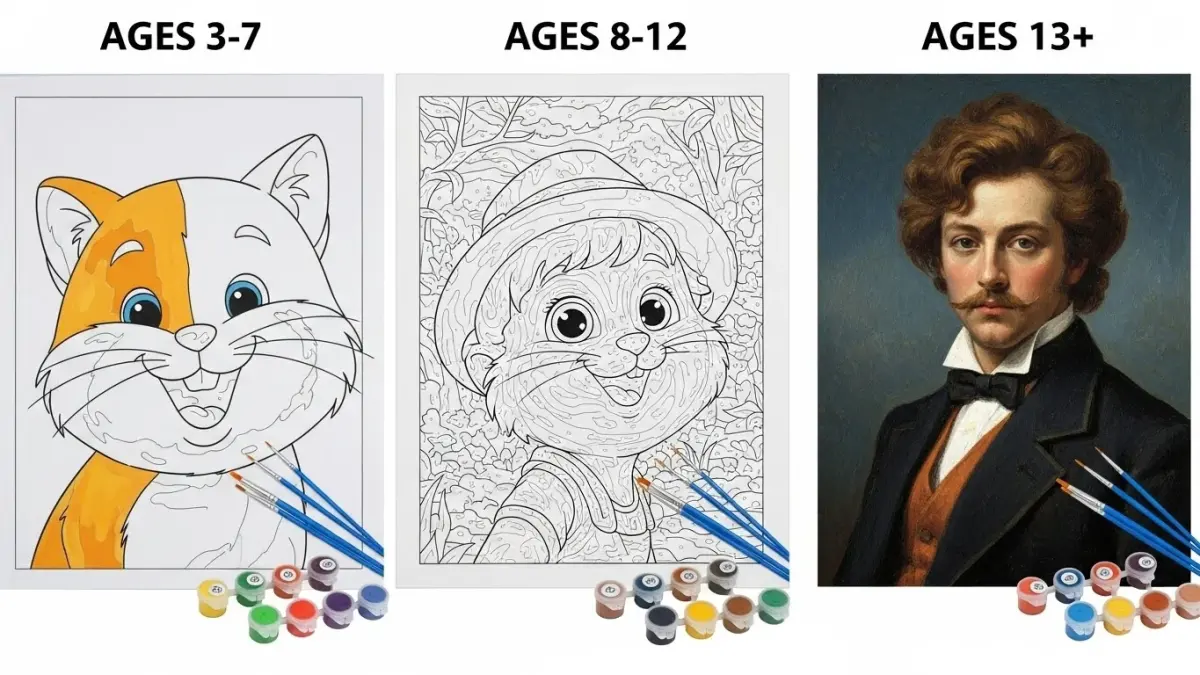
Matching activities to a child's developmental stage ensures they remain engaged without becoming overwhelmed. Toddlers benefit from sensory-rich experiences, while older children can handle more complex projects that require planning and patience. Tailoring the activity to the child's current motor skills and attention span prevents frustration and promotes a positive relationship with creative work.
- Ages 2–4: Finger painting, large-scale chalk drawings, and simple collage work using glue sticks and paper scraps.
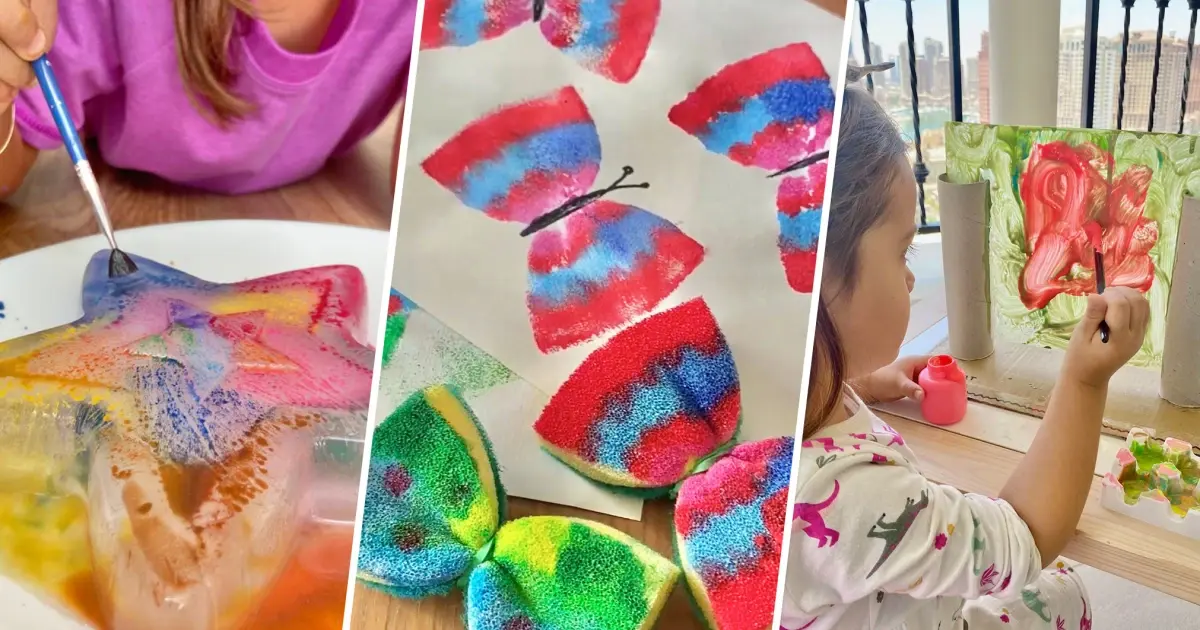
- Ages 5–8: Watercolor painting, basic printmaking with sponges, and constructing three-dimensional figures from recycled boxes and tape.
- Ages 9–12: Perspective drawing, clay modeling, complex weaving, or learning about art history through imitation of famous techniques.
How to talk to kids about their art
The way you discuss a child's artwork significantly influences their creative growth and self-perception. Instead of using generic praise like "good job" or "that's pretty," try to use descriptive language that acknowledges specific elements of the work. This approach teaches the child to observe their own progress and encourages them to think critically about their artistic choices. It also validates the time and energy they invested in the activity.
When you observe a piece of art, point out specific details such as color choices, line quality, or the way they used space on the page. You might say, "I notice you used a lot of bright yellow in this corner," or "You worked really hard on those intricate patterns." This type of feedback is objective and encourages the child to elaborate on their intentions. By engaging in these conversations, you demonstrate that you are truly paying attention to their work, which fosters a deeper connection and encourages them to continue exploring their creative potential.
Key facts
- Engaging in regular art activities improves fine motor skills, such as pencil grip and hand-eye coordination, which are essential for early writing development.
- Studies show that children who participate in the arts perform better in mathematics and reading, often scoring higher on standardized tests than their peers.
- Art provides a safe outlet for emotional expression, helping children process complex feelings like frustration or anxiety through non-verbal communication.
- Encourage process over product; focus on the effort and creativity of the activity rather than the final appearance of the artwork.
- Avoid correcting a child’s creative choices, such as insisting the sky must be blue or the grass must be green, as this can stifle their confidence.
- Provide a dedicated "creation station" with accessible supplies like washable paints, markers, and recycled materials to encourage spontaneous artistic exploration.
The bottom line
Art is a fundamental pillar of childhood development that extends far beyond simple craft projects. By enhancing cognitive function, refining motor skills, and providing a vital emotional outlet, creative expression builds the confidence necessary for academic and personal success. Parents should prioritize the creative process over the final result, ensuring that children feel free to explore, make mistakes, and develop their unique perspective on the world.
People also ask
At what age should a child start doing art
Children can begin exploring art as soon as they can grasp a crayon, typically around 12 to 18 months old. At this stage, focus on sensory experiences like finger painting rather than structured projects.
How can I help a child who says they are "bad at art"?
Shift the conversation away from talent and toward experimentation. Ask open-ended questions like "Tell me about the colors you chose" to validate their effort instead of judging the result.
Is it necessary to buy expensive art supplies?
Absolutely not; simple household items like cardboard boxes, pasta, glue, and scrap paper are excellent for creativity. High-quality paper is beneficial, but basic supplies are sufficient for learning.
How much time should a child spend on art daily?
Even 15 to 20 minutes of daily creative time can significantly benefit a child’s development. Consistency is more important than the duration of each individual session.
Should I display my child’s artwork in the house?
Yes, hanging their work shows that you value their contributions and fosters a sense of pride and accomplishment. Rotate the display regularly to keep their environment fresh and encouraging.
Does digital art have the same benefits as traditional art?
While digital tools teach technical skills, traditional media like clay and paint offer unique tactile feedback that is crucial for brain development in younger children. A mix of both is ideal.
This answer was created with the help of AI research tools and reference sources. Spotted an error? Let us know — we correct mistakes quickly. See our editorial policy.