How do you make a pillow cover?
Short answer
Making a pillow cover involves measuring your pillow insert, cutting fabric slightly larger to account for seams, and sewing the edges together. An envelope-style closure is the simplest method for beginners, as it requires no zippers or buttons. With basic sewing supplies, you can complete a custom cover in under an hour.

On this page
How to measure for a pillow cover
To ensure a professional fit, you must measure your pillow insert accurately before cutting any fabric. Use a flexible measuring tape to determine the length and width of the pillow from seam to seam. If the pillow is very plush, pull the tape taut across the center to get the true dimensions. Avoid measuring the pillow while it is compressed, as this will result in a cover that is too small and difficult to insert.
For a standard envelope-style cover, you will need one large piece of fabric for the front and two smaller pieces for the back. Add one inch to your length and width measurements for the front panel to account for a half-inch seam allowance on all sides. For the back panels, keep the same width but increase the total length by several inches to allow for the overlapping fabric flaps. This overlap is essential for keeping the insert securely inside the cover without needing additional fasteners.
Best fabrics for beginners
Choosing the right material makes the sewing process significantly easier and ensures your pillow cover lasts. Cotton, linen, and medium-weight canvas are excellent choices for novices because they do not shift or stretch while being fed through a sewing machine. Avoid slippery fabrics like silk or satin, as these require advanced handling techniques and precise tension adjustments that can frustrate those new to the craft.
When selecting fabric, consider the intended use of the pillow. If the cover is for a high-traffic area like a living room sofa, choose a durable, tightly woven fabric that resists pilling. If you are decorating a bedroom, softer textures like brushed cotton or linen blends provide comfort. Always pre-wash your fabric before cutting, as natural fibers often shrink during the first laundry cycle. Failing to pre-wash can cause your finished cover to shrink and warp, making it impossible to fit over your pillow insert once it has been washed.
How to sew an envelope pillow cover
Creating an envelope cover is a straightforward process that relies on simple straight stitches. Follow these steps to assemble your pieces into a finished product:
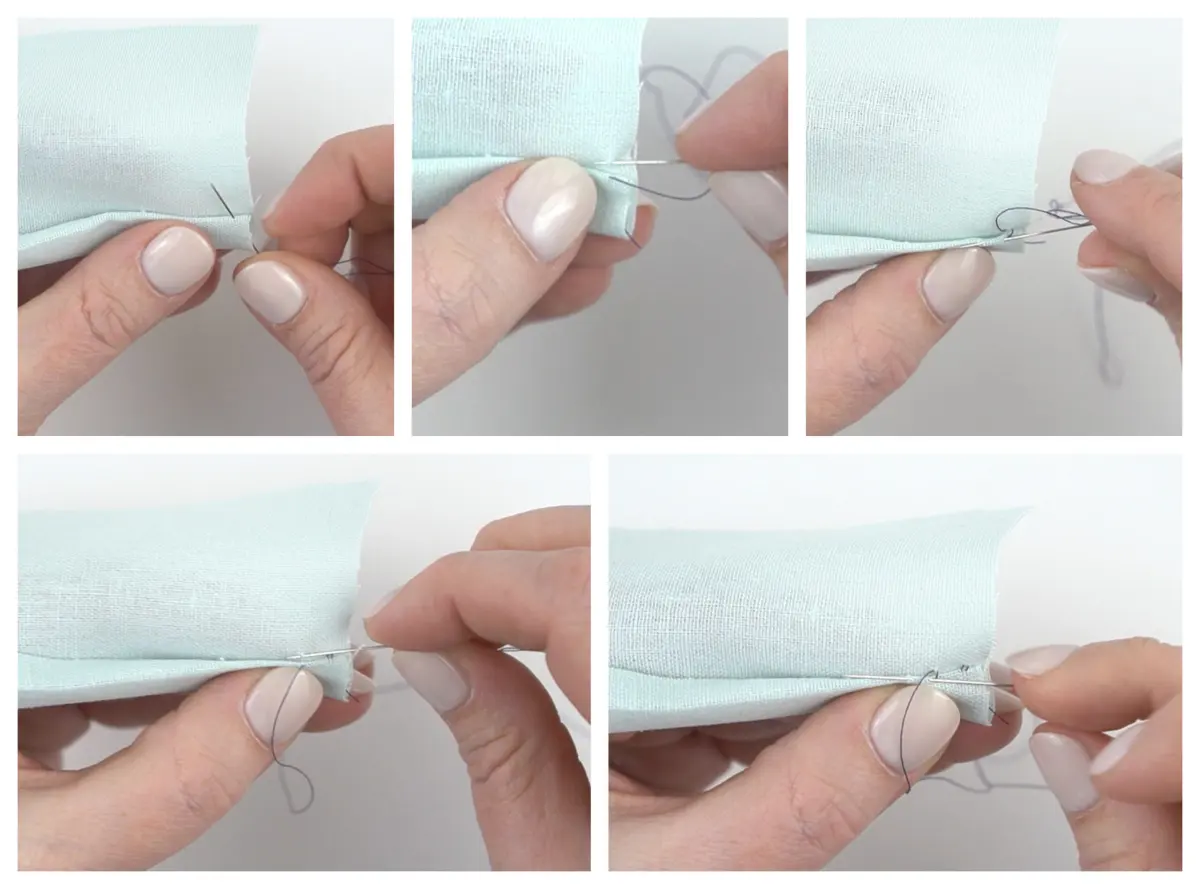
- Hem one long edge of each back panel by folding the fabric over twice and stitching it down to create a clean, finished border.
- Lay the front panel face-up on a flat surface, then place the two back panels face-down on top, aligning the raw edges with the front panel.
- Pin the layers together carefully, ensuring the hemmed edges overlap in the center.
- Sew a half-inch seam allowance around the entire perimeter of the square, backstitching at the start and end for reinforcement.
- Clip the corners of the fabric to reduce bulk, turn the cover right-side out, and push the corners out firmly with a blunt tool.
How long does it take to sew a pillow cover
For a beginner, a simple envelope-style pillow cover typically takes between 45 and 90 minutes to complete from start to finish. This timeframe includes the initial measuring, cutting, pressing the hems, and the final assembly. If you are preparing multiple covers at once, you can speed up the process by batching your tasks, such as cutting all your fabric pieces before moving to the sewing machine.
Experienced sewers can often finish a basic cover in under 30 minutes. The time investment varies depending on your familiarity with your sewing machine and the complexity of the fabric. If you choose to add decorative elements like piping, tassels, or embroidery, expect to add significantly more time to the project. Piping, in particular, requires careful alignment and can be challenging for beginners, so it is best to master the basic envelope construction before attempting more advanced decorative techniques.
Common mistakes when making pillow covers
Many beginners struggle because they do not account for the "loft" or thickness of the pillow insert. A common error is cutting the fabric to the exact dimensions of the pillow, which results in a cover that is too tight and causes the seams to pull or burst. Always add at least one inch to your measurements to ensure the cover fits comfortably. If your pillow is exceptionally thick or firm, you may even want to add an extra quarter-inch to your seam allowance to ensure the cover slides on easily.
Another frequent mistake involves poor finishing of the interior seams. If you do not secure the raw edges of your fabric, they will fray over time, especially after repeated washing. Use a zigzag stitch or a serger to finish the edges of your fabric panels before assembly. Additionally, ensure you backstitch at the beginning and end of every seam. This simple action prevents the thread from unraveling, ensuring your hard work remains intact and functional for many years of regular use.
Key facts
- Pre-wash your fabric to account for shrinkage before you begin cutting.
- Use a 1/2-inch seam allowance for most standard pillow covers.
- Choose a medium-weight cotton or linen fabric for durability and ease of sewing.
- Always press your seams flat with an iron after sewing each side to ensure a professional finish.
- Use a zipper foot attachment if you plan to install a zipper closure.
- Measure your pillow insert accurately and subtract 1/2 inch from your fabric dimensions for a snug, plump fit.
The bottom line
Making a custom pillow cover is a rewarding project that allows you to personalize your home decor with minimal expense. By focusing on accurate measurements, consistent seam allowances, and proper pressing techniques, you can achieve a professional, tailored look. Whether you choose a simple envelope closure or a functional zipper, the key is selecting durable fabric that complements your space while ensuring a snug, comfortable fit.
People also ask
How do I calculate the amount of fabric needed for a pillow cover?
Measure the length and width of your pillow insert. Add 1 inch to both dimensions to account for seam allowances, then purchase fabric based on these final measurements plus extra for cutting margins.
What is the easiest type of pillow cover to make for beginners?
The envelope-style cover is the simplest design because it requires no zippers or buttons. It features an overlapping back panel that holds the insert securely in place.
Why does my pillow cover look baggy or loose?
You likely cut the fabric too large for the insert. To fix this, cut your fabric pieces 1/2 inch smaller than the insert dimensions to ensure the cover pulls taut over the form.
Can I use old clothing to make a pillow cover?
Yes, upcycling shirts or sweaters is a sustainable way to create unique covers. Ensure the fabric is not too stretchy, as knits can lose their shape over time.
What thread should I use for sewing pillow covers?
Use a high-quality, all-purpose polyester thread. It provides the necessary strength to withstand the tension of a stuffed pillow without snapping.
How do I prevent the fabric from fraying inside the cover?
Use a zigzag stitch or a serger on the raw edges of your fabric after sewing the main seams. This prevents threads from unraveling during washing or regular use.
This answer was created with the help of AI research tools and reference sources. Spotted an error? Let us know — we correct mistakes quickly. See our editorial policy.