What is quilting?
Short answer
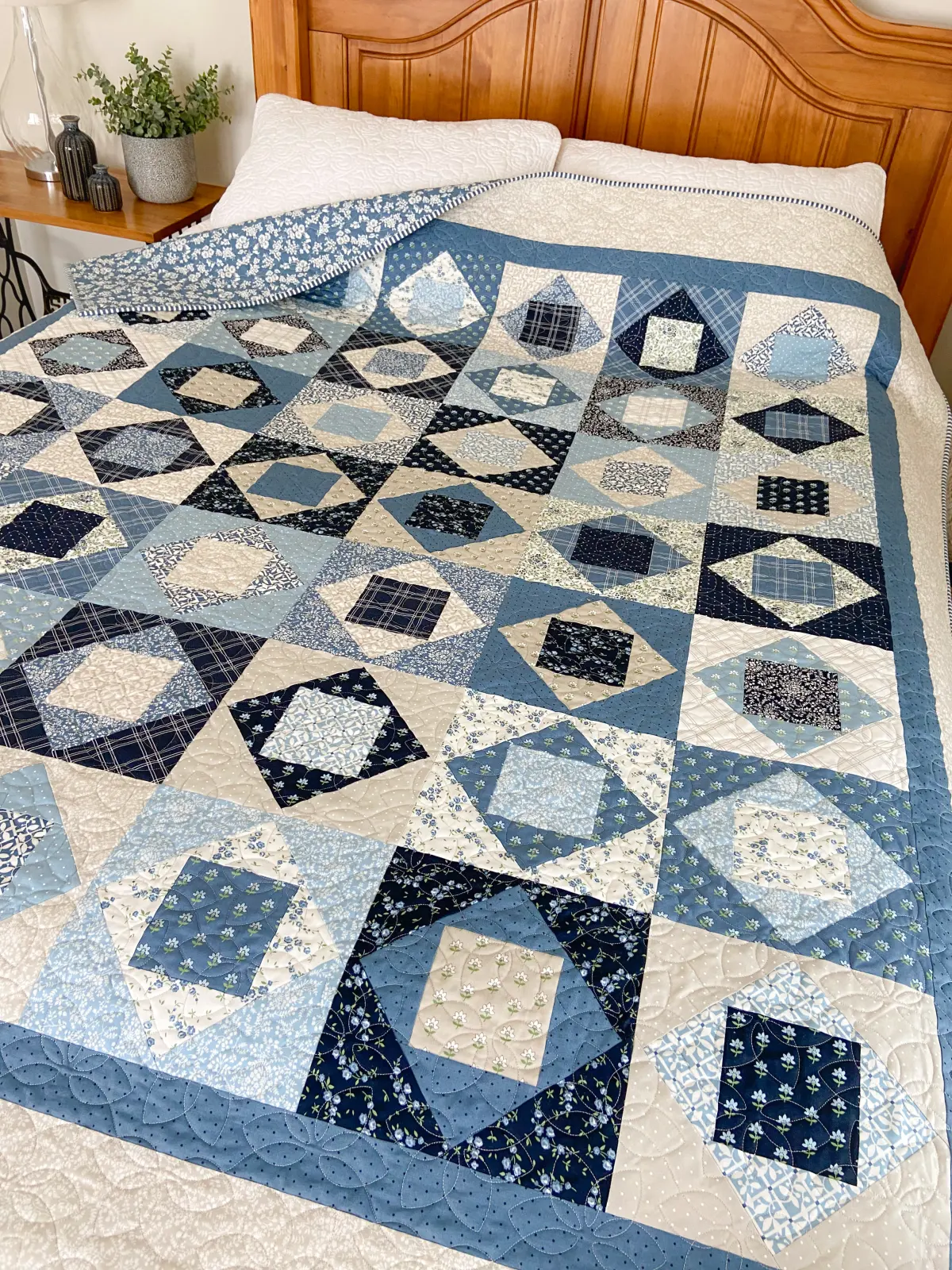
Quilting is the process of sewing two or more layers of fabric together to create a thicker, padded textile. It typically involves a decorative top layer, a middle layer of batting for insulation, and a backing. This technique is used to construct blankets, garments, and wall hangings for warmth and artistic expression.
On this page
What is the history of quilting?
Quilting is an ancient practice that originated independently across various global cultures. While the earliest evidence of quilted garments dates back to ancient Egypt and China, the craft became highly refined in medieval Europe. During the Crusades, soldiers wore quilted garments under their armor to prevent chafing and provide protection. By the 17th and 18th centuries, quilting evolved into a domestic art form in Britain and the American colonies, where it was prized for both its utility and the intricate needlework involved in creating heirlooms.
In the 19th century, the rise of the Industrial Revolution made fabric more accessible, leading to the popularity of "patchwork" quilting. This style utilized scraps of fabric to create elaborate geometric patterns, turning necessity into a creative outlet. Today, quilting remains a vibrant hobby and professional craft, blending traditional techniques with modern technology like computerized long-arm sewing machines. It continues to serve as a vital medium for storytelling, community building, and historical documentation through the creation of commemorative quilts.
How do you start a quilt for beginners?
Starting a quilt requires basic sewing equipment and a clear plan. Beginners should focus on simple patterns, such as a "patchwork square" quilt, which allows for practice with straight-line stitching and precise cutting. Before beginning, ensure you have a rotary cutter, a self-healing cutting mat, an acrylic ruler, and a reliable sewing machine. Selecting high-quality 100% cotton fabric is essential, as it is easier to work with and holds a press better than synthetic blends.
To begin your first project, follow these fundamental steps:
- Wash and iron your fabric to remove sizing and prevent future shrinkage.
- Cut your fabric into uniform squares or strips using your ruler and rotary cutter.
- Sew the pieces together into blocks, ensuring a consistent quarter-inch seam allowance.
- Press your seams flat to one side to ensure the blocks lay perfectly smooth.
- Assemble the blocks into rows, then sew the rows together to form the quilt top.
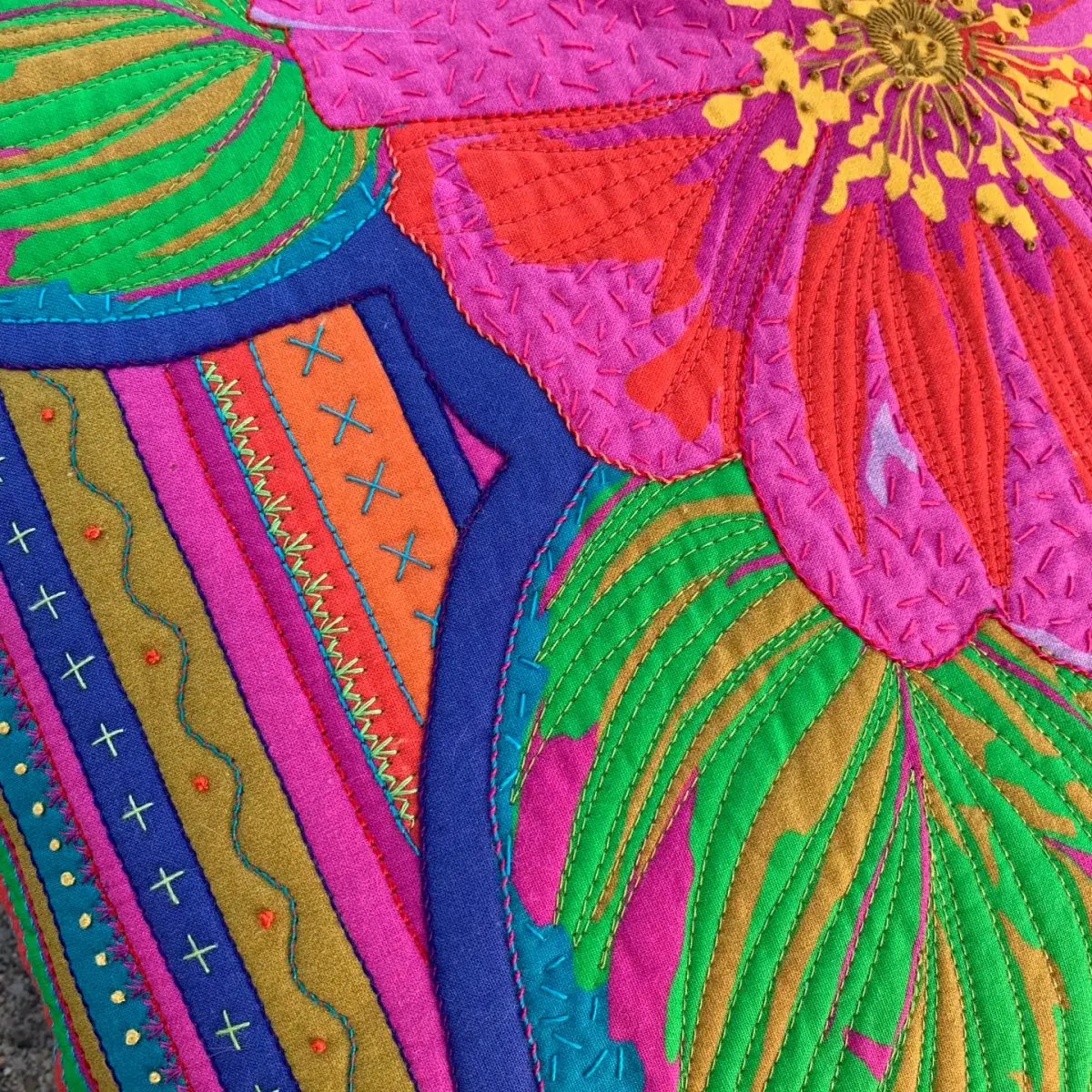
What materials are needed for quilting?
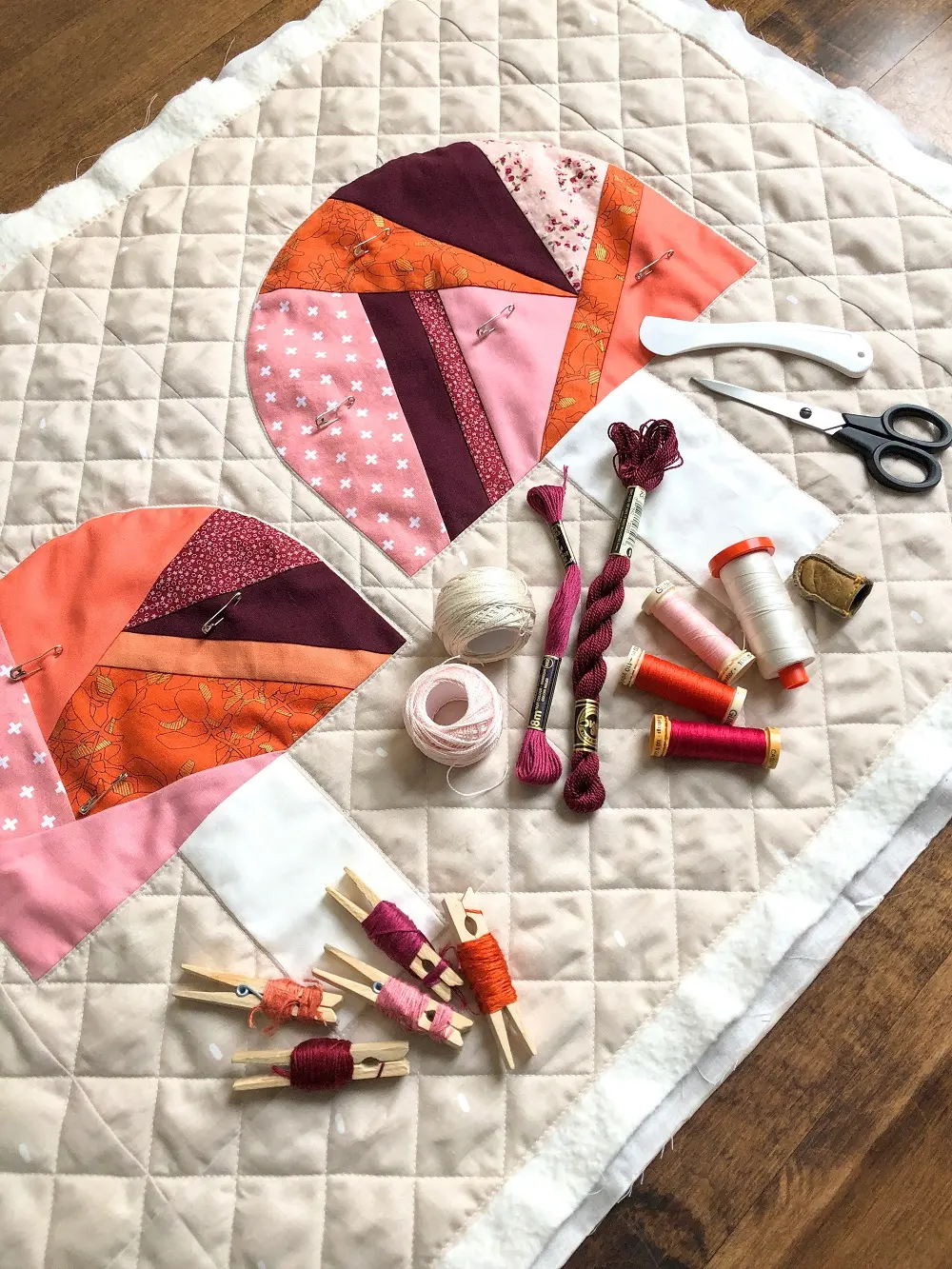
The quality of your finished project depends heavily on the materials you select. The "quilt sandwich" is the core of the craft, consisting of the quilt top, the batting, and the backing fabric. Batting, the middle layer, comes in various materials like cotton, wool, polyester, or bamboo, each offering different levels of warmth and "loft." Cotton batting is a popular choice for beginners because it is stable and easy to handle during the quilting process.
When selecting materials, consider the following essentials:
- Quilting-weight cotton: A medium-weight fabric that is durable and easy to sew.
- Rotary cutter and mat: These tools provide the precision required for accurate piecing.
- Walking foot: A specialized sewing machine attachment that helps feed multiple layers of fabric evenly.
- Thread: Use a high-quality cotton or polyester thread that matches or complements your fabric colors.
- Binding strips: Fabric strips used to finish the raw edges of the quilt once the layers are joined.
How long does it take to make a quilt?
The time required to complete a quilt varies significantly based on the complexity of the pattern, the size of the project, and the quilter’s experience level. A simple baby quilt might take a beginner 20 to 40 hours of focused work, while an intricate, king-sized heirloom quilt can take hundreds of hours over several months. Factors such as hand-quilting versus machine-quilting also influence the timeline, as hand-quilting is a meditative but time-intensive process that can add weeks to a project.
Efficiency often improves with practice and the use of modern tools. Using a sewing machine for the quilting phase—the process of stitching through all three layers—is significantly faster than hand-quilting. Additionally, breaking the project into manageable phases, such as cutting, piecing, and binding, helps maintain momentum. Many quilters find that the process is as rewarding as the final product, so focusing on steady progress rather than speed is often the best approach to ensure a high-quality result.
Common mistakes when quilting
Even experienced quilters encounter challenges, but many errors can be avoided with careful preparation. One of the most frequent mistakes is failing to maintain a consistent quarter-inch seam allowance. If your seams vary even by a fraction of an inch, your quilt blocks will not fit together correctly, leading to "puckering" or a finished quilt that does not lay flat. Always test your seam allowance on scrap fabric before starting your main project to ensure your machine is calibrated correctly.
Another common issue is improper pressing, which can distort the fabric and make the quilt top look uneven. Always press your seams toward the darker fabric to prevent shadows from showing through lighter sections. Finally, avoid the temptation to skip the "basting" phase, where the three layers are temporarily secured together. If the layers shift during the final quilting process, you may end up with unsightly tucks or folds on the back of your quilt. Taking the time to pin or spray-baste the layers thoroughly ensures a professional and smooth finish.
Key facts
- A quilt consists of three layers: a decorative top, an insulating middle batting, and a protective backing.
- The term "quilting" refers specifically to the stitching that holds these three layers together, often in intricate patterns.
- Historically, quilts were essential household items used for warmth, often created from repurposed fabric scraps.
- Modern quilting often utilizes "rotary cutters" and "acrylic rulers" to ensure precise, uniform fabric pieces.
- A "quarter-inch seam allowance" is the industry standard for piecing quilt blocks to ensure they fit together perfectly.
- "Longarm quilting" is a professional technique where a sewing machine is mounted on a large frame to quilt expansive fabric layers.
The bottom line
Quilting is a functional art form that combines textile engineering with creative design. By layering fabric and batting, quilters create durable, warm, and visually striking pieces that serve both practical and aesthetic purposes. Whether you are piecing together heritage patterns or experimenting with modern abstract designs, the process requires patience, precision, and an appreciation for the tactile history of needlework that has evolved over many centuries.
People also ask
What is the difference between a quilt and a comforter?
A quilt is typically thinner and features decorative stitching through all three layers, while a comforter is a single piece of bedding filled with batting and held together by minimal quilting. Comforters are generally fluffier and designed primarily for warmth rather than artistic display.
How do I choose the right batting for my quilt?
Batting comes in various materials like cotton, polyester, wool, or bamboo, each offering different levels of warmth and drape. Cotton is popular for its traditional feel and breathability, while polyester is more durable and resistant to bunching after frequent washing.
What is "piecing" in the context of quilting?
Piecing is the process of sewing smaller fabric shapes together to create a larger, decorative quilt top. This is the stage where geometric patterns, such as the classic "Log Cabin" or "Nine Patch" designs, are formed.
Is it necessary to pre-wash my fabric before quilting?
Pre-washing prevents fabric from shrinking later and removes excess dye that might bleed onto lighter colors. However, many modern quilters prefer using unwashed fabric to maintain the crispness of the material during the cutting and piecing process.
What is a "fat quarter" and why is it useful?
A fat quarter is a one-yard cut of fabric that is quartered into an 18-by-22-inch piece rather than a long, thin strip. This shape provides more versatility for cutting various quilt block components than a standard quarter-yard cut.
What are the most common mistakes for beginners?
The most frequent error is inconsistent seam allowance, which causes blocks to misalign during assembly. Another common mistake is failing to press seams flat, which adds unnecessary bulk and makes the final quilt top look uneven or lumpy.
This answer was created with the help of AI research tools and reference sources. Spotted an error? Let us know — we correct mistakes quickly. See our editorial policy.