What is polymer clay?
Short answer
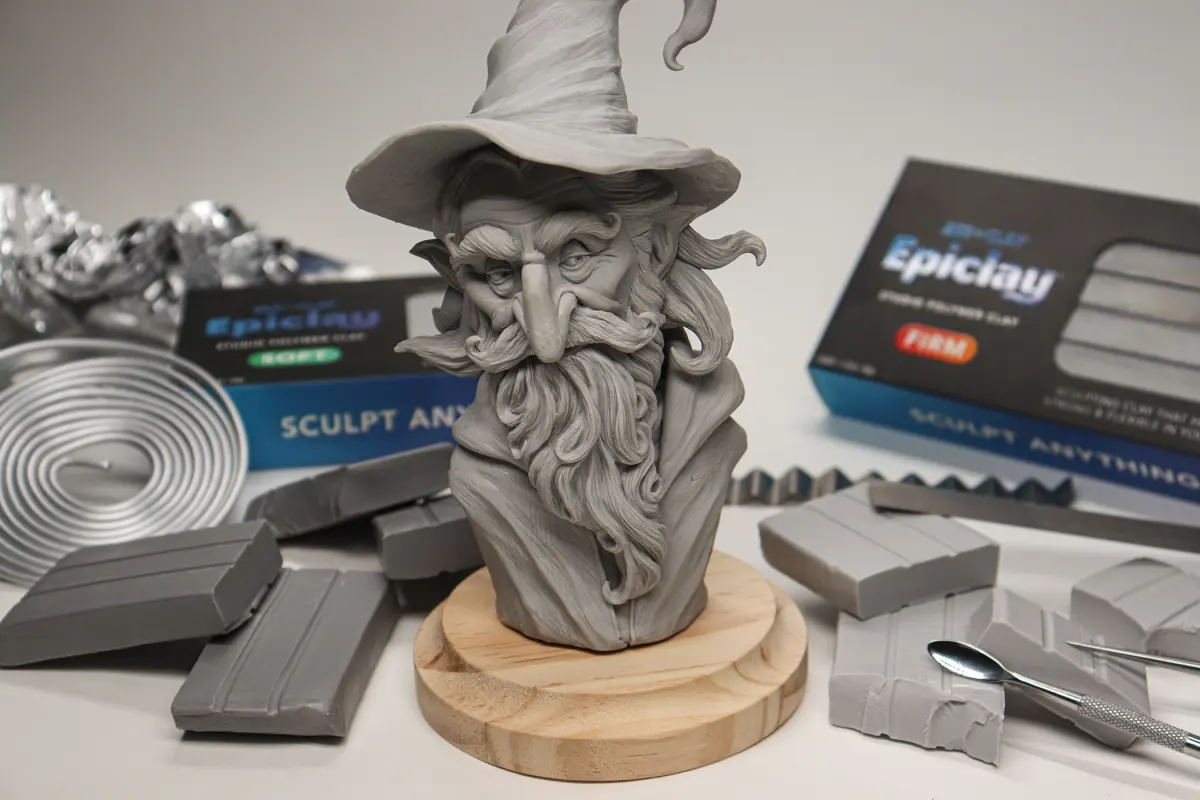
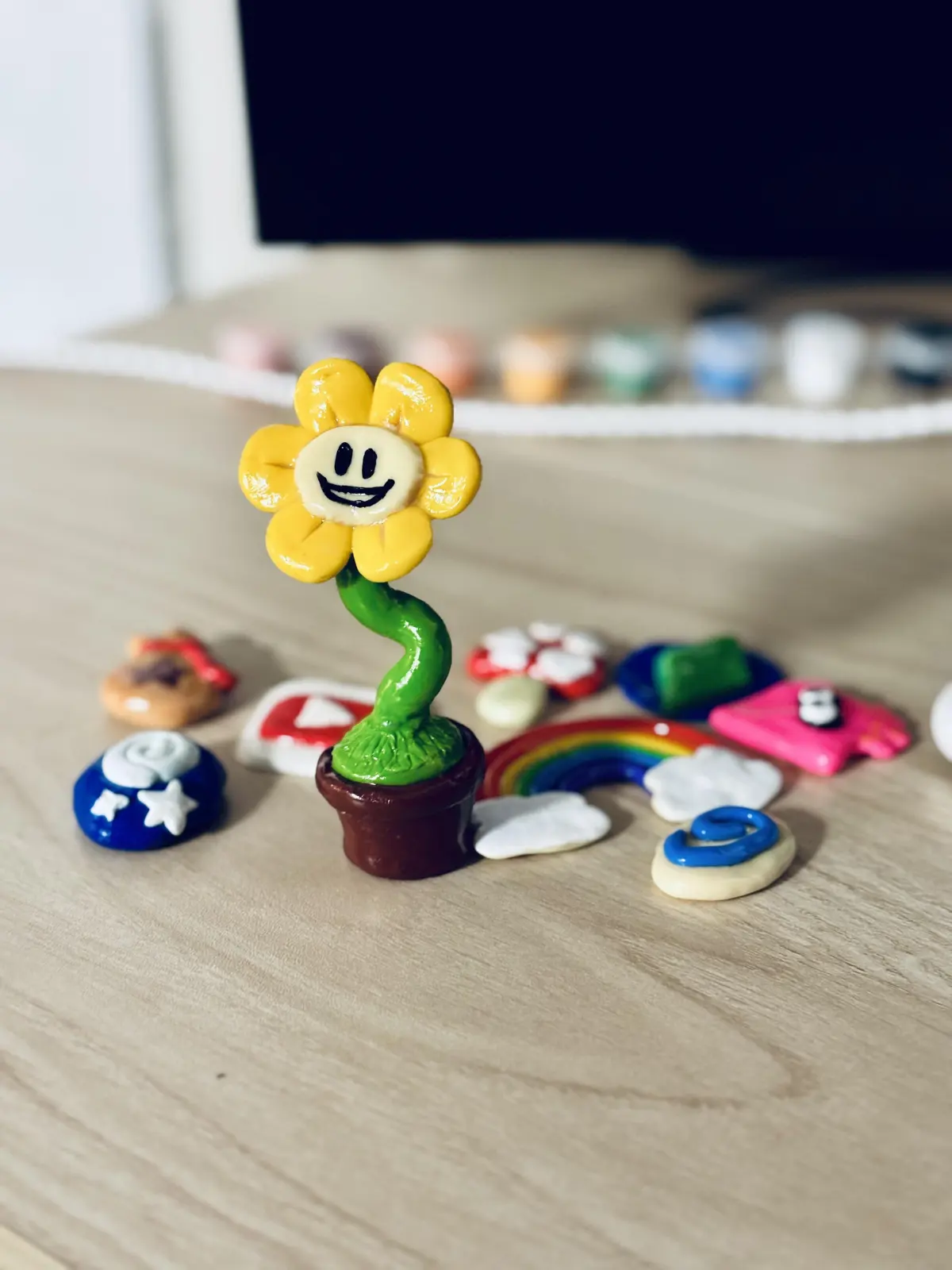
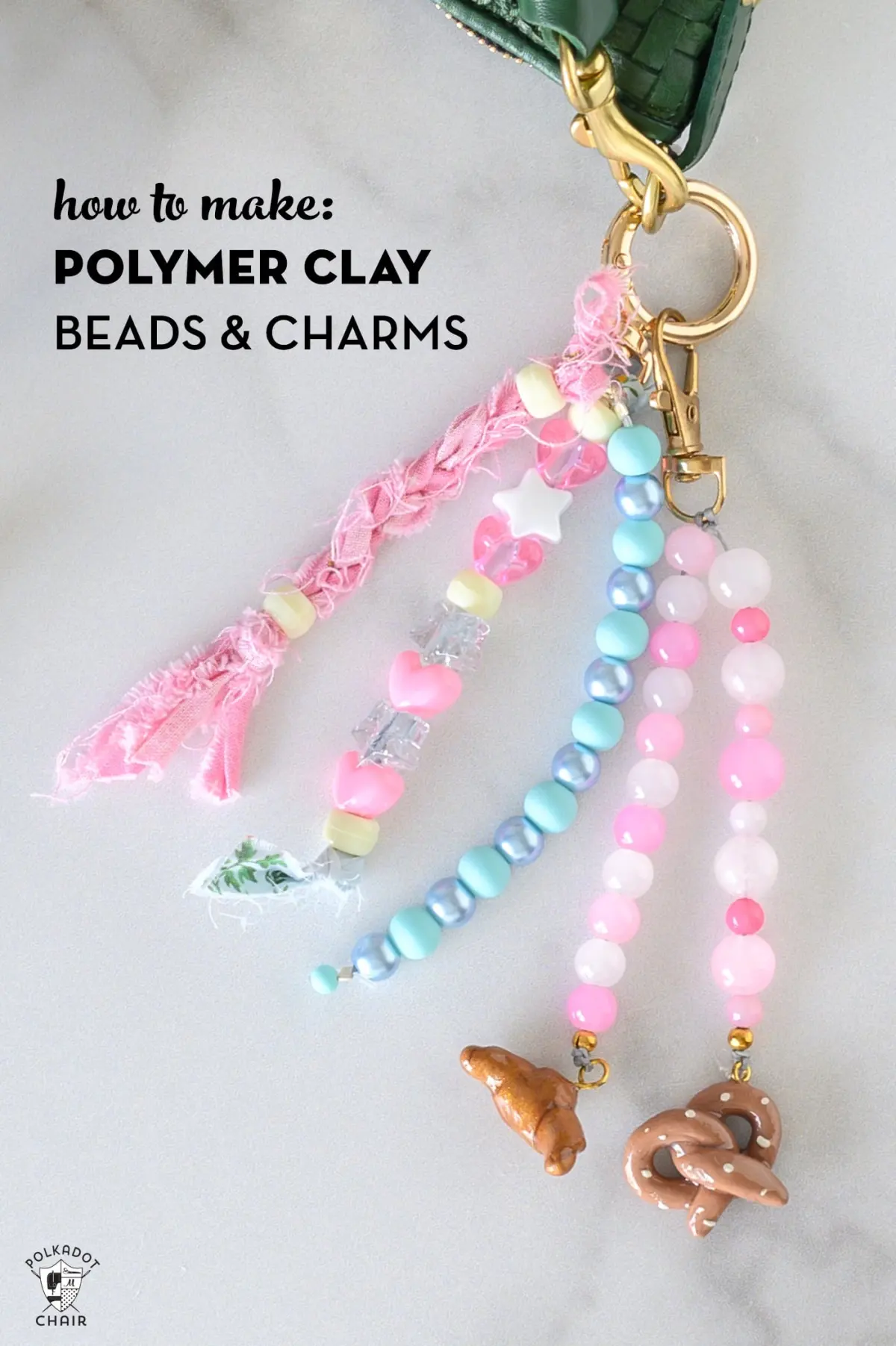
Polymer clay is a synthetic modeling material composed of polyvinyl chloride (PVC) resin, plasticizers, and pigments. Unlike natural clay, it remains soft at room temperature and only hardens when baked in a home oven. It is a versatile, non-toxic medium widely used by artists and hobbyists for jewelry, figurines, and home decor.
On this page
What is polymer clay made of?
Polymer clay is a man-made modeling compound that does not contain natural minerals or earthen clays. Its primary ingredient is polyvinyl chloride (PVC), a durable plastic resin. To make this resin pliable and moldable, manufacturers add liquid plasticizers, such as phthalates, which allow the material to be shaped without drying out. Pigments are then incorporated to provide a wide spectrum of colors, ranging from opaque solids to translucent, metallic, or neon finishes.
Because it is oil-based rather than water-based, polymer clay will not air-dry or harden on its own. It remains in a workable state indefinitely unless it is exposed to high heat. This unique chemical composition makes it ideal for intricate sculpting projects that require significant time to complete. Once the material is subjected to the sustained heat of a standard kitchen oven, the plasticizers are absorbed by the PVC particles, causing the clay to fuse into a solid, durable plastic state.
How do you bake polymer clay?
Baking is the most critical step in the process, as it transforms your raw sculpture into a finished, permanent object. Most brands require a temperature range between 265°F (130°C) and 275°F (135°C). It is essential to use an oven thermometer to verify your oven's accuracy, as built-in dials are often unreliable. Even a slight temperature spike can cause the clay to scorch, releasing unpleasant fumes and ruining the piece.
To achieve the best results, follow these professional guidelines:
- Preheat your oven completely before placing your project inside to ensure even heat distribution.
- Place your items on a clean ceramic tile or a piece of parchment paper to prevent sticking.
- Bake for the duration specified on the package, typically 15 to 30 minutes per quarter-inch of thickness.
- Allow the clay to cool completely inside the oven or on a flat surface before handling, as it remains slightly flexible while hot.
Best polymer clay brands for beginners
Choosing the right brand can significantly impact your success, as different formulations offer varying levels of firmness. If you are just starting, look for brands that are easy to condition and hold fine details without being overly brittle after baking. Some brands are designed specifically for professional sculptors and may be too stiff for beginners to knead comfortably, while others are soft and better suited for children or simple jewelry projects.
- Sculpey Premo: Known for its excellent strength and wide color range, this is widely considered the gold standard for jewelry makers.
- Fimo Soft: A very popular choice that is easy to manipulate and comes in a variety of vibrant, professional-grade colors.
- Kato Polyclay: A firmer, more durable option that is highly resistant to breaking, though it requires more effort to condition.
- Sculpey III: A softer, budget-friendly option that is great for simple figurines, though it can be more fragile once cured.
Common mistakes when working with polymer clay
Even experienced artists encounter issues if they do not follow proper handling techniques. The most frequent error is under-baking, which results in a piece that is brittle and prone to snapping. Conversely, over-baking can lead to darkening or burning. Always adhere to the manufacturer's recommended time and temperature, and never use a microwave, which will cause the clay to overheat rapidly and potentially ignite.
Another common pitfall involves dust and debris. Because the material is slightly tacky, it attracts lint, pet hair, and dust from the air. To maintain a professional look, ensure your workspace is clean, wash your hands thoroughly before starting, and wipe down your work surface with rubbing alcohol. If you find dust on your finished piece, it can often be removed with a fine-grit sandpaper or a soft cloth dipped in a small amount of acetone before the final curing process.
How to store and condition polymer clay
Proper storage is essential to keep your materials in good condition for years. Polymer clay should be stored in a cool, dark place away from direct sunlight. It is best to keep individual colors in airtight containers, such as glass jars or polypropylene plastic bags, as some plastics can react with the clay's plasticizers and cause them to melt over time. Labeling your containers helps prevent cross-contamination of colors.
Conditioning is the process of kneading the clay to make it soft and pliable before use. This action warms the material and distributes the plasticizers evenly throughout the PVC base. If your clay feels crumbly or stiff, you can add a small amount of clay softener or mineral oil to improve the texture. By spending a few extra minutes conditioning your clay thoroughly, you will ensure that your finished project is strong, free of air bubbles, and ready for a smooth, professional bake.
Key facts
- Polymer clay is a synthetic modeling material composed of polyvinyl chloride (PVC) resin and liquid plasticizers.
- Unlike natural clay, it does not air-dry and remains soft until it is cured in a home oven.
- The material was first developed in Germany in the 1930s by doll maker Käthe Kruse and later refined by Eberhard Faber as "Fimo."
- It is non-toxic, though it should not be ingested, and hands should be washed thoroughly after handling.
- Baking temperatures typically range from 265°F to 275°F (130°C to 135°C) depending on the specific brand instructions.
- Storing clay in cool, dark places prevents it from becoming brittle or curing prematurely due to heat exposure.
The bottom line
Polymer clay is a versatile, synthetic medium that offers endless creative possibilities for hobbyists and professional artists alike. By understanding its chemical nature, adhering to precise baking temperatures, and practicing proper conditioning techniques, you can create durable, colorful, and detailed objects. Always prioritize safety by ventilating your workspace and following manufacturer guidelines to ensure your finished pieces are both beautiful and structurally sound for years.
People also ask
Can I bake polymer clay in a microwave?
No, you should never bake polymer clay in a microwave. Microwaves heat unevenly and can cause the clay to burn, release toxic fumes, or catch fire.
How do I soften clay that has become hard?
You can soften stiff clay by kneading it with a few drops of mineral oil or a dedicated clay softener. Adding a small amount of liquid clay or using a pasta machine to work the material also helps restore pliability.
Is polymer clay waterproof once baked?
Yes, baked polymer clay is essentially a plastic and is water-resistant. While it can withstand moisture, it is not considered food-safe and should not be used for eating or drinking vessels.
Can I mix different brands of polymer clay together?
You can mix most brands, but they may have different curing requirements. It is best to bake your project at the temperature recommended for the brand that requires the highest heat.
How do I prevent fingerprints on my project?
To minimize fingerprints, smooth your clay with a small amount of cornstarch or baby oil before baking. You can also use flat tools or a piece of parchment paper to press down on the surface.
What should I do if my clay burns in the oven?
If the clay burns, remove it from the oven immediately and open windows to ventilate the room. Do not inhale the smoke, as burning PVC releases hydrochloric acid gas, which is harmful to the respiratory system.
This answer was created with the help of AI research tools and reference sources. Spotted an error? Let us know — we correct mistakes quickly. See our editorial policy.