Can you do pottery without a kiln?
Short answer
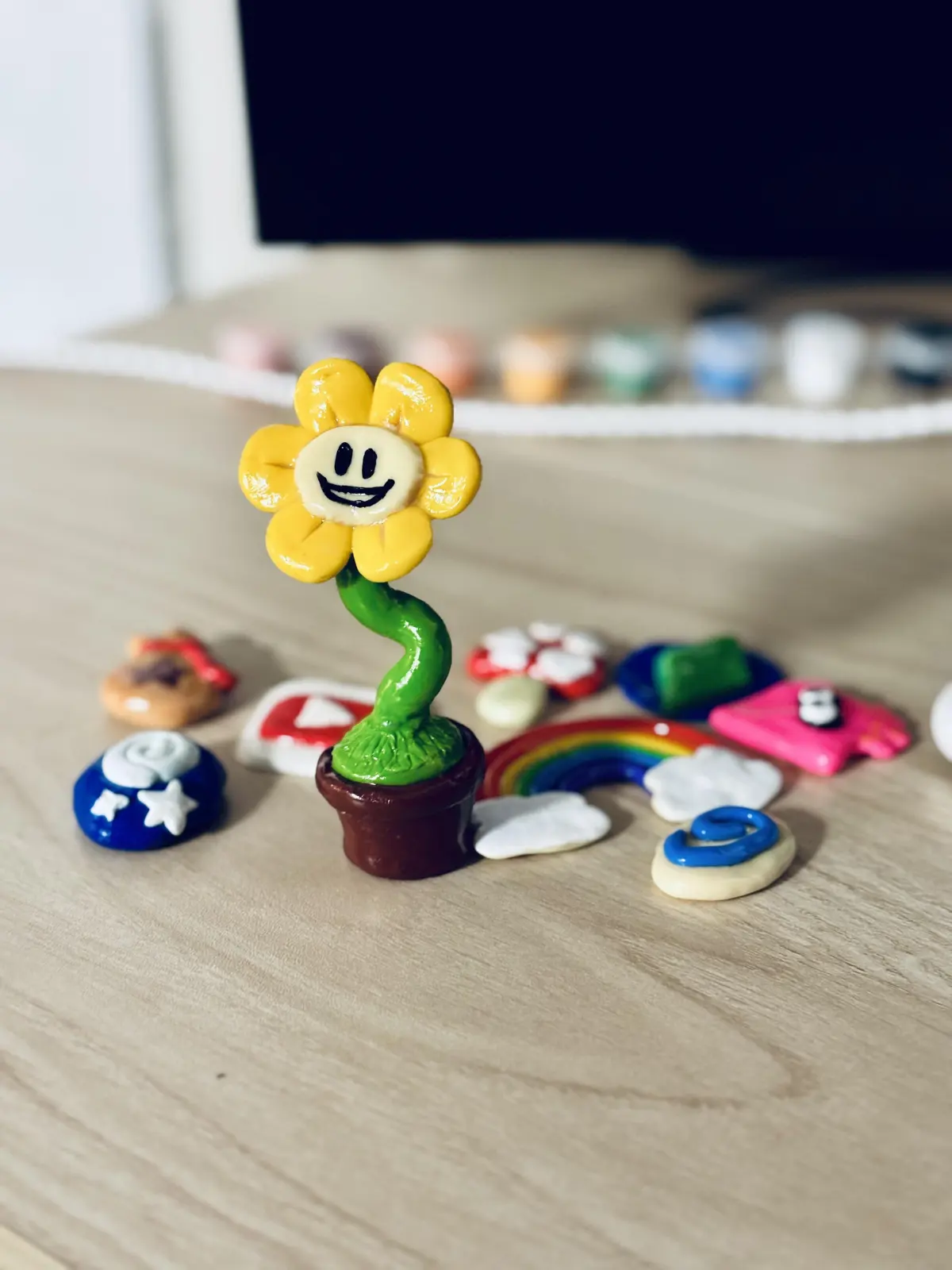
Yes, you can create pottery without a kiln by using air-dry clay or polymer clay. While these materials do not require high-temperature firing to harden, they are not food-safe or waterproof. They are ideal for decorative sculptures, jewelry, or trinkets, offering an accessible entry point into ceramic-style crafting without expensive industrial equipment.
On this page
What materials can I use instead of a kiln?
The most popular alternative for kiln-free pottery is air-dry clay. This material is typically composed of natural earth minerals and binders that harden through evaporation when exposed to ambient air. Once fully cured, the object becomes rigid and can be painted or sealed. Because it lacks the chemical transformation that occurs during high-temperature firing, it remains porous and fragile compared to traditional stoneware.
Polymer clay is another excellent option for hobbyists. Unlike natural clay, it is a synthetic, PVC-based material that remains pliable until it is baked in a standard home oven at low temperatures, usually between 230°F and 275°F. This method provides a more durable, water-resistant finish than air-dry clay. Both materials are widely available at craft stores and do not require the specialized ventilation or electrical infrastructure that professional kilns demand.
How to work with air-dry clay at home
Working with air-dry clay requires a clean, flat surface and a few basic household tools. You can use rolling pins, plastic knives, or cookie cutters to shape your pieces. Because this clay dries relatively quickly, you must keep unused portions in an airtight bag to prevent premature hardening. If the clay begins to crack while you are sculpting, simply dip your fingers in a small amount of water to smooth the surface.
- Prepare your workspace by laying down parchment paper or a silicone mat.
- Knead the clay briefly to remove air bubbles and create a uniform consistency.
- Shape your object, keeping the walls of your piece relatively thin to ensure even drying.
- Allow the piece to rest in a cool, dry place away from direct sunlight for 24 to 48 hours.
- Once fully dry, sand the edges with fine-grit sandpaper to achieve a smooth finish.
Best ways to seal and finish non-fired pottery
Since non-fired pottery is porous, it will absorb moisture and potentially dissolve if it comes into contact with water. To protect your work, you must apply a sealant. Acrylic-based varnishes, polyurethane sprays, or glossy decoupage mediums are effective choices for creating a protective barrier. These products not only prevent moisture damage but also enhance the vibrancy of any paint or decorative finishes you apply to the surface.
When applying a finish, consider the intended use of the object. For decorative sculptures, a matte or satin varnish provides a professional look without altering the texture. If you are creating jewelry, multiple thin coats of a high-gloss resin can provide a durable, glass-like appearance. Always ensure the clay is completely dry before sealing; trapping moisture inside can lead to mold growth or structural failure over time.
Common mistakes when making kiln-free pottery
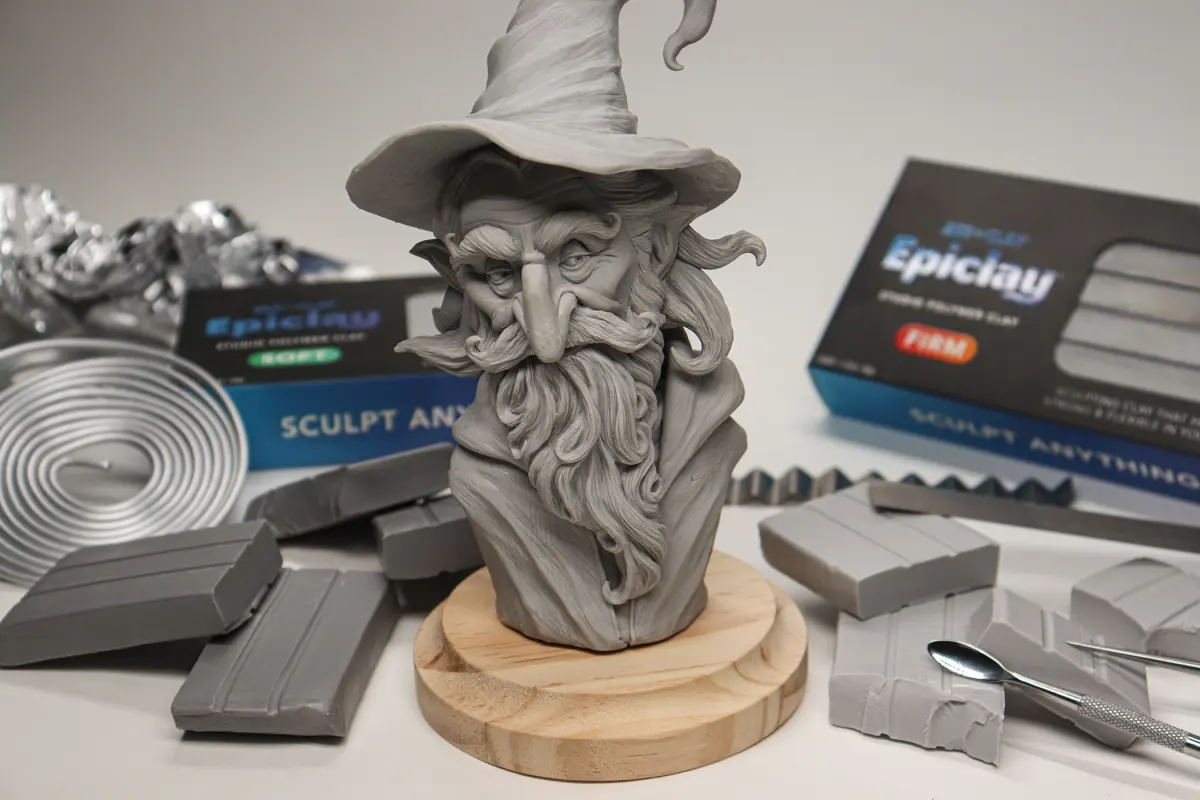
The most frequent error beginners make is creating pieces that are too thick or uneven. Large, dense objects are prone to cracking as they dry because the exterior loses moisture faster than the interior. To avoid this, aim for consistent wall thickness throughout your design. If you must create a large shape, consider using a hollow core or a lightweight armature made of foil or wire to minimize the amount of clay required.
- Using too much water, which weakens the structural integrity of the clay.
- Attempting to speed up the drying process using a hairdryer or oven, which causes rapid shrinkage and cracking.
- Failing to properly seal the bottom of the piece, allowing moisture from surfaces to seep in.
- Over-handling the clay, which causes it to dry out before the piece is finished.
- Neglecting to sand the piece after it has cured, resulting in a rough, unfinished texture.
Why kiln-free pottery is not food-safe
It is critical to understand that air-dry and polymer clays are not suitable for food or drink consumption. Even when sealed with commercial varnishes, these materials are not chemically stable enough to withstand the acidity or heat of food. Furthermore, the porous nature of air-dry clay can harbor bacteria in the microscopic crevices of the surface, posing a health risk. Commercial glazes used in traditional pottery are formulated to fuse with clay at high temperatures to create a vitrified, glass-like surface that is non-toxic.
Kiln-free alternatives lack this vitrification process, meaning the sealants can degrade or chip over time. If you intend to make functional items like mugs or bowls, you should look for local community studios that offer kiln access. Using kiln-free pottery strictly for decorative arts, such as wall hangings, figurines, or jewelry, ensures your projects remain safe and long-lasting. By respecting these material limitations, you can enjoy the creative process of pottery while maintaining a safe and productive home studio environment.
Key facts
- Air-dry clay is the most accessible alternative to kiln-fired ceramic clay because it hardens through evaporation at room temperature.
- Polymer clay is a synthetic, plastic-based medium that cures in a standard home oven at temperatures between 215°F and 300°F.
- Ceramic clay requires temperatures above 1,100°F to undergo chemical vitrification, which is impossible to achieve in a kitchen oven.
- Pieces made from air-dry clay are porous and will dissolve if they come into contact with water unless sealed with a waterproof varnish.
- You can use a kitchen oven to "bake" certain types of clay, but this does not create true ceramic stoneware or porcelain.
- Avoid using food-grade glazes on non-kiln-fired projects, as these require high-heat fusion to become food-safe and non-toxic.
The bottom line
While you cannot create traditional, food-safe ceramic pottery without a kiln, you can still explore the art of sculpting using air-dry or polymer clays. These materials are excellent for beginners interested in decorative arts and jewelry making. By understanding the limitations of low-heat mediums, you can successfully create beautiful, long-lasting projects at home without the need for expensive industrial equipment or high-temperature firing processes.
People also ask
Can I use a microwave to fire pottery?
No, standard microwave ovens cannot reach the temperatures required to fire clay. Attempting to do so can cause the clay to explode due to trapped moisture or damage the microwave's internal components.
Is air-dry clay durable enough for functional mugs?
Air-dry clay is not suitable for food or drink containers because it remains water-soluble even after drying. It is best reserved for decorative items like sculptures, ornaments, or jewelry.
How do I make air-dry clay waterproof?
You can apply multiple coats of acrylic sealer, polyurethane, or waterproof resin to the surface of a dried piece. This creates a barrier against moisture but does not make the object food-safe.
What is the difference between polymer clay and ceramic clay?
Ceramic clay is a natural mineral substance that requires high-heat firing to become rock-hard. Polymer clay is a PVC-based material that stays soft until baked at low temperatures in a home oven.
Can I paint non-fired clay projects?
Yes, acrylic paints are the best choice for air-dry and polymer clays. They adhere well to the surface and do not require any additional heat treatment to set.
Why did my air-dry clay project crack while drying?
Cracking usually occurs when the piece dries too quickly or has uneven thickness. To prevent this, wrap your work in plastic to slow the evaporation process and ensure walls are uniform in thickness.
This answer was created with the help of AI research tools and reference sources. Spotted an error? Let us know — we correct mistakes quickly. See our editorial policy.