What is a kiln?
Short answer
A kiln is a thermally insulated chamber, essentially a specialized oven, designed to produce temperatures sufficient to complete processes such as hardening, drying, or chemical changes in materials. Primarily used in ceramics, glassmaking, and metallurgy, kilns reach extreme heat levels that standard household ovens cannot achieve, often exceeding 2,000 degrees Fahrenheit.
On this page
How does a kiln work?
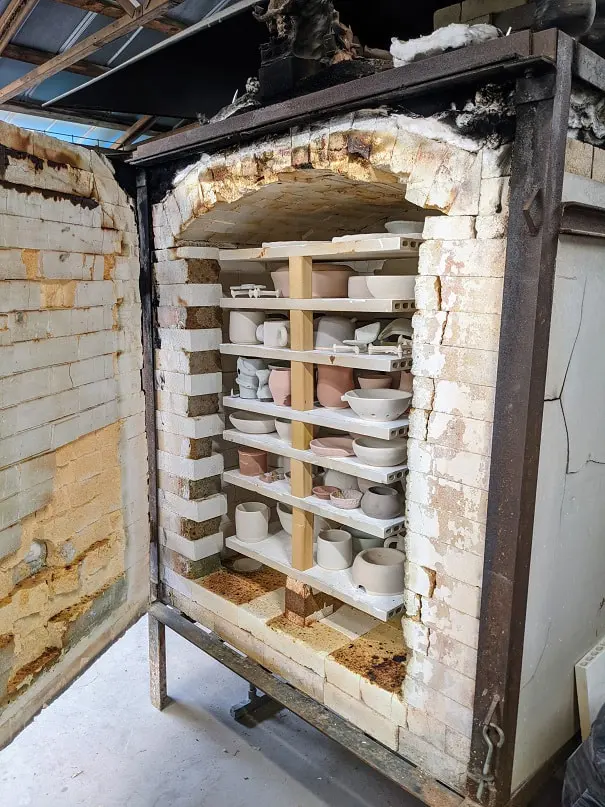
A kiln functions by trapping heat within a highly insulated enclosure, typically constructed from refractory bricks or ceramic fiber. Unlike a standard oven that uses convection or conduction to cook food, a kiln is engineered to withstand and maintain intense thermal energy for extended periods. The heat source may be electric coils, gas burners, or wood-fired chambers, depending on the desired atmosphere and temperature range required for the specific craft.
The process involves a controlled heating cycle, often referred to as a "firing schedule," which dictates how quickly the temperature rises and falls. This gradual transition is critical because materials like clay contain chemically bound water and organic matter that must be released slowly to prevent structural failure. If the temperature increases too rapidly, trapped moisture turns to steam, causing the object to explode or crack. By carefully managing the thermal input, the kiln transforms raw, fragile materials into durable, finished goods.
What are the different types of kilns?
Kilns are categorized by their heat source and the method used to manage the internal atmosphere. Electric kilns are the most common choice for hobbyists and schools because they are easy to operate, clean, and provide consistent results. Gas kilns, by contrast, allow for more artistic control, as the potter can adjust the ratio of fuel to oxygen to create "reduction" or "oxidation" atmospheres, which significantly alter the color of glazes.
- Electric kilns: Utilize metal heating elements; ideal for beginners and precise temperature control.
- Gas kilns: Use propane or natural gas; preferred by professionals for unique glaze effects.
- Wood-fired kilns: Rely on wood combustion; create ash deposits that provide organic, rustic textures.
- Raku kilns: Specialized, portable units used for rapid firing and post-firing reduction techniques.
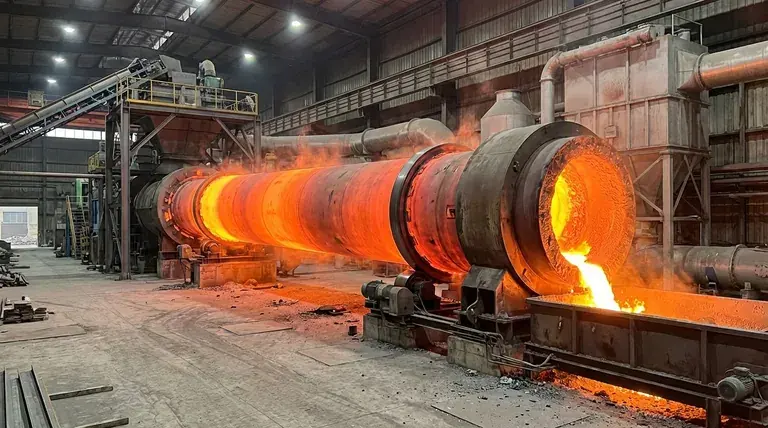
- Industrial tunnel kilns: Massive, continuous-process kilns used in large-scale manufacturing of bricks and tiles.
How long does it take to fire a kiln?
The duration of a kiln firing depends on the size of the kiln, the density of the load, and the target temperature. A typical ceramic firing cycle usually lasts between 8 and 24 hours, followed by a cooling period that can take an additional 12 to 24 hours. Rushing the cooling process is a common error, as it can lead to thermal shock, causing finished pieces to crack or shatter even after they have successfully survived the heating phase.
To ensure a successful firing, follow these general steps:
- Load the kiln carefully, ensuring pieces do not touch and that air can circulate around them.
- Program the controller or monitor the pyrometer to follow a specific ramp-up schedule.
- Observe the "peep holes" to check the color of the interior, which indicates the temperature.
- Allow the kiln to cool naturally until it reaches room temperature before opening the lid.
- Unload the kiln only when the pieces are cool enough to handle safely with bare hands.
Common mistakes when using a kiln
Operating a kiln requires strict adherence to safety protocols and technical guidelines. One of the most frequent mistakes is "over-firing," where the kiln reaches a temperature higher than the clay or glaze can withstand, causing the material to melt, warp, or stick to the kiln shelves. Another common issue is uneven loading, which creates "hot spots" within the chamber, leading to inconsistent results where some pieces are under-fired and others are over-fired.
Avoid these common pitfalls to maintain equipment and project quality:
- Placing pieces too close to heating elements, which can cause localized melting.
- Neglecting to use kiln wash on shelves, which results in permanent glaze drips.
- Opening the kiln too early, which causes thermal shock to the ceramic body.
- Failing to vent the kiln during the early stages of firing, trapping steam and gases.
- Ignoring the maintenance of electrical elements or thermocouples, leading to inaccurate temperature readings.
Why is kiln safety important?
Kilns reach temperatures that can cause severe burns, ignite nearby flammable materials, and emit toxic fumes depending on the materials being fired. Proper ventilation is non-negotiable; as clay and glazes heat up, they release chemical vapors, sulfur, and other particulates that are hazardous to inhale. A dedicated ventilation system or an outdoor location is necessary to ensure that these fumes are safely exhausted away from the workspace, protecting the operator from long-term respiratory damage.
Furthermore, the electrical requirements for large kilns are significant and often require professional installation by a licensed electrician. Because kilns draw high amperage, using an incorrect circuit or extension cord can lead to melted wiring or electrical fires. Always wear protective gear, including heat-resistant gloves and specialized safety glasses that block infrared light, when interacting with a hot kiln. By respecting the immense power of these machines and following manufacturer guidelines, you can ensure a safe and productive environment for your creative projects.
Key facts
- A kiln is a thermally insulated chamber, essentially a high-temperature oven, used for hardening, burning, or drying materials.
- Modern kilns can reach temperatures exceeding 2,400°F (1,315°C) to vitrify clay into ceramic.
- The earliest known kilns date back to approximately 6000 BCE, used by Neolithic cultures to fire pottery.
- Kilns are powered by various energy sources, including electricity, natural gas, propane, wood, or coal.
- When loading a kiln, ensure pieces do not touch each other, as they may fuse together during the firing process.
- Always use a kiln sitter or a digital controller to monitor temperature and prevent over-firing, which can melt glazes into a runny mess.
The bottom line
A kiln is an essential tool for transforming raw materials into durable finished goods through controlled, high-temperature heat. Whether you are a hobbyist potter or an industrial manufacturer, understanding the specific heat requirements and cooling cycles of your kiln is vital for success. By mastering temperature management and proper loading techniques, you can prevent structural failures and achieve professional-grade results in your ceramic or glass projects.
People also ask
What is the difference between a kiln and an oven?
An oven is designed for cooking food at relatively low temperatures, typically under 500°F. A kiln is engineered to withstand extreme heat required for chemical changes in materials like clay, glass, or metal.
Can I use a household kitchen oven to fire pottery?
No, a standard kitchen oven cannot reach the necessary temperatures to harden clay or mature glazes. Attempting to do so will result in no change to the clay and could potentially damage your oven.
What is "bisque firing"?
Bisque firing is the initial heating of unglazed clay to a temperature that makes it hard and porous. This process makes the ceramic durable enough to handle while applying liquid glazes before the final glaze firing.
How long does a typical kiln firing take?
A full firing cycle, including heating and the essential cooling period, usually takes between 12 and 24 hours. Rushing the cooling process can cause the ceramic to crack due to thermal shock.
What is a "kiln shelf"?
A kiln shelf is a flat, heat-resistant slab made of refractory material like silicon carbide. These shelves are stacked inside the kiln using supports to maximize space and hold multiple layers of pottery.
Is it safe to open a kiln while it is still hot?
You should never open a kiln until the internal temperature has dropped below 200°F. Opening it too early exposes the pottery to cold air, which often causes the pieces to shatter or crack instantly.
This answer was created with the help of AI research tools and reference sources. Spotted an error? Let us know — we correct mistakes quickly. See our editorial policy.