What is a tortillon used for?
Short answer
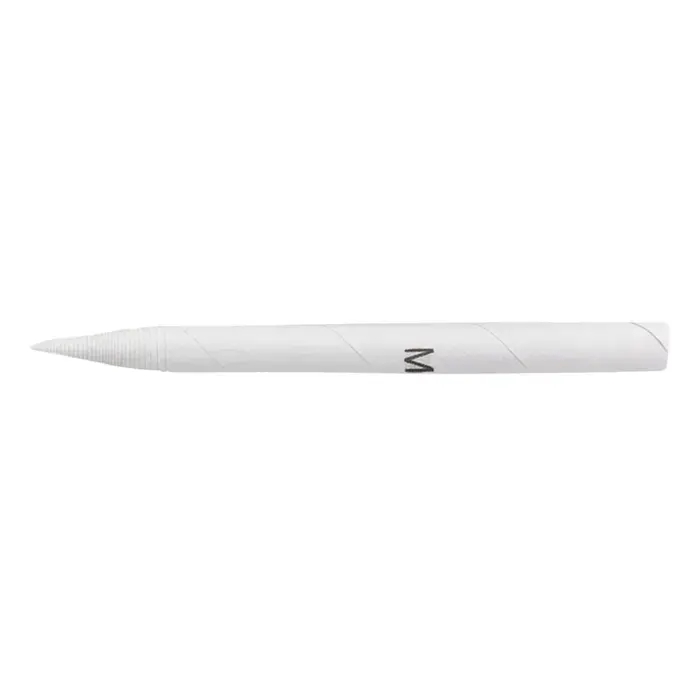
A tortillon is a tightly rolled stick of paper used by artists to blend, smudge, and soften lines in charcoal, graphite, or pastel drawings. By manipulating the pigment on the page, it allows for smooth transitions between light and shadow, creating realistic textures and depth that are difficult to achieve with fingers alone.
On this page
What is a tortillon used for in drawing?
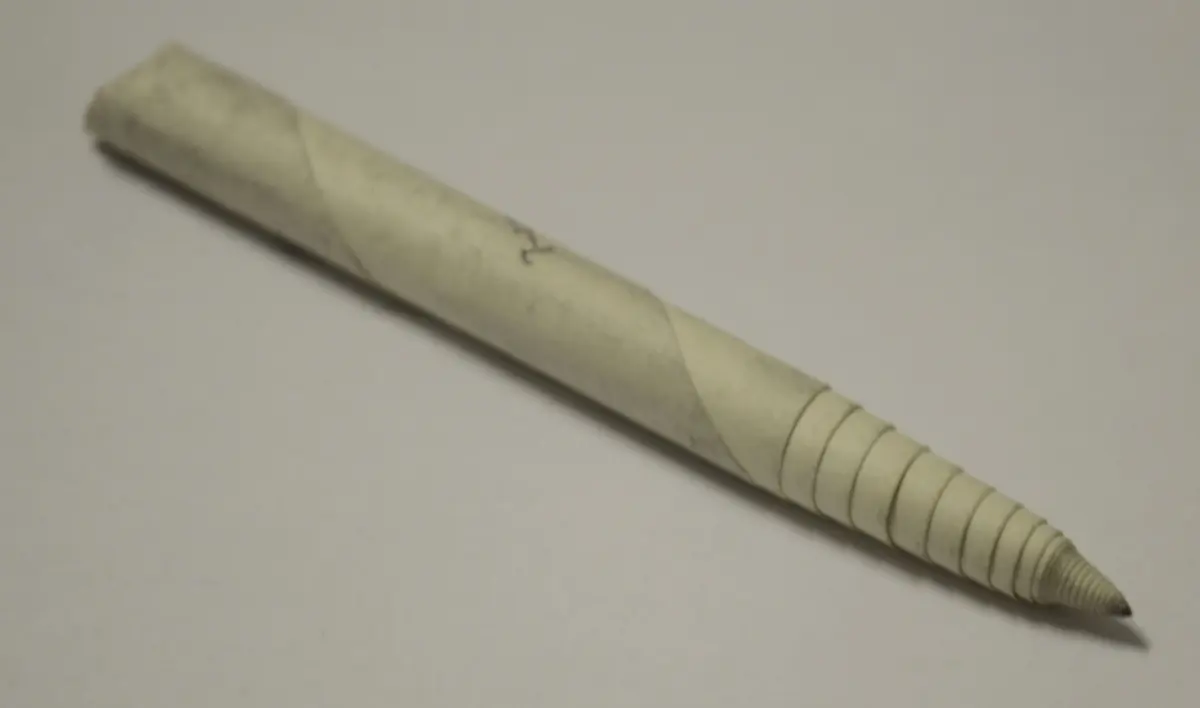
A tortillon serves as a precision tool for blending dry media. Unlike a stump, which is typically double-ended and made of softer, felted paper, a tortillon is usually single-ended and constructed from tightly wound, stiffer paper. Artists use the pointed tip to push graphite or charcoal particles into the tooth of the paper, creating seamless gradients or removing harsh edges. This process is essential for rendering smooth skin tones, soft clouds, or subtle transitions in portraiture and still-life work.
Because the tool is made of paper, it absorbs a small amount of the medium as you work. This allows the artist to use the "charged" tip to apply light shading to areas that require a subtle touch, rather than adding more pigment directly from a pencil. It acts as both a blending instrument and a secondary applicator, making it a versatile addition to any sketching kit.
How to use a tortillon effectively
To achieve the best results, hold the tortillon at a low angle to the paper, similar to how you would hold a pencil for shading. Use light, circular, or back-and-forth motions to move the pigment across the surface. Applying too much pressure often results in uneven, muddy patches or can damage the delicate fibers of the drawing paper.
- Lay down your base layer of graphite or charcoal using a pencil or stick.
- Gently rub the tortillon over the area you wish to blend, starting from the darkest section and moving toward the highlights.
- Lift the tool frequently to check the progress of the blend.
- Use the side of the tortillon for larger areas and the pointed tip for fine details like eye corners or nostrils.
By working in small, controlled increments, you maintain complete authority over the final value of your drawing.
How to clean a tortillon
Over time, the tip of your tortillon will become saturated with graphite or charcoal, which can cause it to leave dark, unintended streaks on your paper. To restore the tool, you can peel back the outer layer of paper or use a sanding block. A sanding block, which is a small paddle covered in sandpaper, is the most efficient way to remove the dirty layers and sharpen the point simultaneously.
- Hold the sanding block firmly in one hand.
- Rub the tip of the tortillon against the sandpaper in a circular motion.
- Rotate the tool as you sand to ensure an even, conical shape.
- Blow away the loose dust before returning to your drawing to prevent smearing.
If the paper becomes too soft or frayed to hold a point, it is time to discard the tool and start with a fresh one.
Common mistakes when using a tortillon
One of the most frequent errors beginners make is over-blending. While a tortillon is excellent for smoothing, using it excessively can create a flat, plastic-like appearance that lacks the texture and life of a hand-drawn piece. Always leave some of the paper’s original tooth visible to provide contrast and visual interest. Another common mistake is using the same side of the tortillon for both light and dark areas without cleaning it first, which inevitably results in muddy, gray tones.
Additionally, many artists press far too hard during the blending process. This forces the graphite deep into the paper fibers, making it nearly impossible to lift or erase later. If you find that your drawing is becoming too dark or shiny, you have likely compressed the medium too aggressively. Always start with the lightest touch possible, gradually increasing pressure only if the desired level of smoothness has not yet been achieved.
Why use a tortillon instead of a finger
Many beginners rely on their fingers to blend drawings, but this practice is generally discouraged by professionals for several technical reasons. The primary issue is the natural oil present on human skin. When you touch your drawing, these oils transfer to the paper, creating invisible patches that resist graphite and charcoal. These oily spots can cause permanent dark smudges or prevent subsequent layers of media from adhering properly, effectively ruining the texture of the work.
Using a tortillon ensures that your drawing remains free from contaminants, preserving the integrity of the paper surface. Furthermore, fingers are bulky and imprecise, making it impossible to blend tiny details without blurring the entire surrounding area. The tortillon provides the necessary control to isolate specific shadows and highlights, allowing for a level of professional refinement that fingers simply cannot replicate. By adopting this tool, you gain the ability to create sophisticated, clean, and highly detailed artwork that stands up to close inspection.
Key facts
- A tortillon is a cylindrical drawing tool made of tightly rolled paper used to smudge, blend, or smear graphite, charcoal, or pastel marks.
- Unlike a standard blending stump, a tortillon is typically smaller, pointed at one end, and constructed from a single strip of paper coiled into a spiral.
- Artists use the tool to create smooth gradients and soft transitions in shading, effectively eliminating harsh pencil lines.
- You can clean a dirty tortillon by rubbing the tip against a piece of fine-grit sandpaper or a sanding block to remove accumulated pigment.
- It is essential to avoid using oil-based substances or water with a tortillon, as the paper will lose its structural integrity and effectiveness.
- Beginners often make the mistake of pressing too hard, which can damage the paper surface; light, circular motions yield the most professional results.
The bottom line
The tortillon is an indispensable tool for artists seeking to achieve smooth, professional shading in dry media drawings. By utilizing its tightly wound paper tip, you can manipulate graphite and charcoal with precision, creating subtle gradients that fingers simply cannot replicate. Regular maintenance, such as light sanding, ensures the tool remains effective, allowing you to elevate your artwork through controlled, clean, and delicate blending techniques.
People also ask
What is the difference between a tortillon and a blending stump?
A tortillon is made from a single piece of paper rolled tightly, while a blending stump is usually made from compressed felt or soft paper and is solid throughout. Stumps are generally larger and more durable, making them better for covering broad areas of a drawing.
Can I make my own tortillon at home?
Yes, you can create one by tightly rolling a small strip of paper into a cone shape and securing the end with tape. Ensure the roll is as dense as possible to prevent it from collapsing during use.
Does a tortillon work with colored pencils?
Tortillons are effective for blending colored pencils, though they work best with wax-based pencils rather than oil-based ones. Be aware that the paper tip may pick up and transfer previous colors, so keep a dedicated tool for different color ranges.
How do I know when a tortillon is too worn out to use?
If the tip becomes frayed, soft, or loses its pointed shape despite sanding, it is time to discard it. A dull or mushy tip will create muddy marks rather than precise, clean blends.
Is it better to use a tortillon or a finger for blending?
Using a tortillon is superior because it prevents natural skin oils from transferring to the paper, which can cause smudging or discoloration over time. Furthermore, the tool allows for much greater precision in tight spaces than a fingertip.
Can I use a tortillon for graphite powder applications?
Yes, it is an excellent tool for picking up graphite powder and applying it to specific areas of a drawing. This technique is often used to create soft, atmospheric backgrounds or realistic skin textures.
This answer was created with the help of AI research tools and reference sources. Spotted an error? Let us know — we correct mistakes quickly. See our editorial policy.