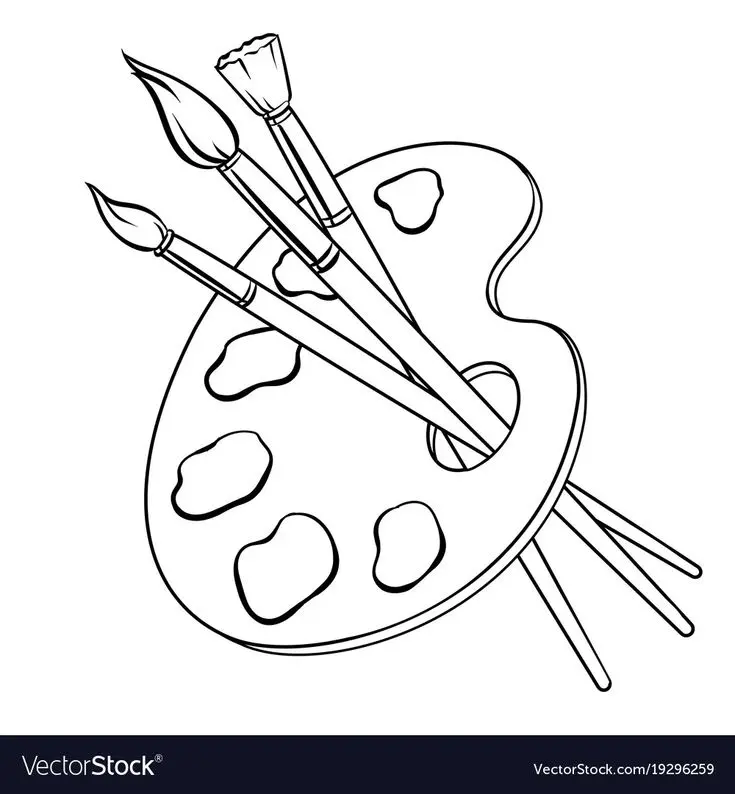
How do you use a paint palette?
Short answer
A paint palette is a rigid surface used to hold, mix, and organize pigments during the painting process. To use one effectively, arrange your colors around the perimeter to keep the center clear for mixing. Clean the palette regularly to prevent color contamination and maintain the integrity of your fresh paint mixtures.
On this page
How to set up a paint palette for beginners
Setting up a palette effectively serves as the foundation for a successful painting session. Most artists arrange their colors in a logical sequence, such as a rainbow order or by value from light to dark. By placing your paints around the outer edge, you preserve the center space, often called the "mixing well," for blending colors and adjusting tones. This prevents your primary piles of paint from becoming muddied by accidental mixing.
For beginners, simplicity is key to avoiding frustration. Start with a limited palette, such as the Zorn palette, which uses only yellow ochre, cadmium red, ivory black, and titanium white. This restriction forces you to learn how to mix secondary and tertiary colors manually. Follow these steps to organize your workspace:
- Squeeze small dollops of paint onto the outer rim of the palette.
- Leave at least two inches of space between each color to prevent bleeding.
- Keep your most frequently used color, usually white, in a large, accessible spot.
- Position your palette on the side of your dominant hand to keep your reach consistent.
Which paint palette material is best
The material of your palette should correspond to the type of paint you are using. Wooden palettes are traditional for oil painters because the wood absorbs a small amount of oil, creating a smooth, non-slip surface over time. These palettes require "seasoning" with linseed oil before their first use to prevent them from soaking up too much pigment. However, wood is porous and difficult to clean if you switch between different types of media.
Plastic and glass palettes offer more versatility for acrylic and watercolor painters. Plastic is lightweight and inexpensive, making it ideal for travel, though it can stain over time. Glass palettes are favored by many professionals because they are completely non-porous, easy to scrape clean with a razor blade, and provide a neutral background that does not alter the appearance of your mixed colors. Consider these factors when choosing:
- Durability: Glass is fragile; plastic and wood are impact-resistant.
- Weight: Plastic is the lightest option for long painting sessions.
- Transparency: Glass can be placed over a white surface to mimic canvas brightness.
- Ease of maintenance: Non-porous surfaces allow for quick transitions between colors.
How to mix colors on a palette
Mixing color is an iterative process that requires patience and control. Start by pulling a small amount of paint from your perimeter piles into the center mixing area using a palette knife. Using a knife rather than a brush for the initial mix saves your bristles from damage and ensures a more thorough blend of pigments. Once you achieve the desired hue, you can test it on a scrap piece of canvas or paper before applying it to your main work.
When mixing, always work from light to dark to avoid overpowering your mixtures. Adding a tiny amount of dark pigment into a large pile of light paint is much easier than trying to lighten a dark mixture. If you find your colors becoming "muddy" or dull, it is usually a sign that you have mixed too many complementary colors together or that your palette surface has become overly contaminated. Keep a clean rag or paper towel nearby to wipe your knife between every single color adjustment.
How to clean and maintain a paint palette
Proper maintenance extends the life of your equipment and ensures your future colors remain vibrant. For oil paints, wipe the palette clean with a paper towel and a small amount of solvent, such as odorless mineral spirits, immediately after you finish your session. If you leave oil paint to dry on a wooden palette, it can become nearly impossible to remove without sanding, which damages the surface. Never leave a wooden palette submerged in water, as this will cause the wood to warp or crack.
Acrylic paints require a different approach because they dry into a hard, plastic-like film. If you are using a plastic palette, you can often peel the dried acrylic off in one sheet once it has fully cured. For glass palettes, a sharp metal scraper is the most effective tool for removing stubborn, dried residue. Follow these maintenance tips to keep your tools in top condition:
- Scrape off excess paint while it is still wet to minimize waste.
- Use a dedicated palette cleaner or mild soap for plastic surfaces.
- Store your palette flat to prevent any residual paint from pooling or dripping.
- Periodically re-oil wooden palettes to maintain their protective finish.
Common mistakes when using a paint palette
One of the most frequent errors artists make is placing too much paint on the palette at once. Paint, especially oil, can oxidize and form a skin if left out for too long, leading to unnecessary waste. Start with small, pea-sized amounts and replenish them as needed. Another common mistake is failing to organize the palette, which leads to "color chaos" where you lose track of where your mixtures are located, ultimately slowing down your creative process.
Avoid the temptation to use the same brush for every color without cleaning it. This creates "dirty" mixtures that lack clarity and brilliance. Additionally, many beginners neglect the importance of the palette’s background color. If you are painting a high-key, bright scene, mixing on a dark or murky palette can deceive your eyes, making your colors appear darker than they actually are. By keeping your palette clean, organized, and appropriately sized for your project, you ensure that your focus remains entirely on the canvas rather than struggling with your tools.
Key facts
- A paint palette serves as a mixing surface to combine colors and achieve the desired consistency before application.
- Wood palettes are traditional for oil paints, while plastic or ceramic palettes are ideal for watercolors and acrylics.
- Arrange your colors around the outer edge of the palette to leave the central area clear for blending.
- Use a palette knife to mix paints instead of a brush to preserve the integrity of your bristles.
- Keep a small spray bottle of water nearby to prevent acrylic paints from drying out while you work.
- Clean your palette immediately after each session to prevent hardened residue from contaminating future color mixtures.
The bottom line
A paint palette is an essential tool for color management, allowing you to control consistency and experiment with shades away from the canvas. By organizing your colors systematically and maintaining a clean mixing surface, you ensure that your pigments remain vibrant and uncontaminated. Whether you choose wood or plastic, the goal is to create a functional workspace that supports your creative process and minimizes unnecessary paint waste.
People also ask
Should I choose a wooden or plastic palette?
Wooden palettes are porous and work best with oil paints, as they absorb some oil over time to create a seasoned surface. Plastic palettes are non-porous and easy to clean, making them the standard choice for water-based media like acrylics and watercolors.
How much paint should I put on my palette at once?
Start with small, pea-sized amounts of each color to avoid waste. You can always add more paint, but removing excess dried paint from a palette is difficult and time-consuming.
What is the purpose of a thumb hole in a palette?
The hole allows the artist to grip the palette securely with one hand while holding a brush in the other. This design is essential for painters who work standing at an easel for extended periods.
Can I use a paper plate as a palette?
Disposable paper palettes or wax-coated plates are excellent for beginners or quick projects. They eliminate the need for cleanup, though they may buckle if you use too much water or solvent.
How do I remove dried acrylic paint from a palette?
Soak the palette in warm, soapy water for several minutes to soften the acrylic film. Once softened, the paint can often be peeled off in large sheets or scrubbed away with a stiff brush.
Why are some palettes white while others are wood-toned?
White palettes are preferred for watercolor and acrylic painting because they allow you to see the true transparency and hue of the paint. Wood-toned surfaces help oil painters judge color values more accurately against a neutral mid-tone background.
This answer was created with the help of AI research tools and reference sources. Spotted an error? Let us know — we correct mistakes quickly. See our editorial policy.