What is sfumato?
Short answer
Sfumato is an Italian painting technique involving the delicate blending of colors and tones to eliminate harsh outlines. Derived from the word fumo, meaning smoke, it creates a hazy, atmospheric transition between light and shadow. This method allows artists to achieve realistic, soft-focus depth, most famously exemplified by Leonardo da Vinci’s Mona Lisa.
On this page
What is the history of sfumato?
The term sfumato was popularized during the Italian Renaissance, specifically by Leonardo da Vinci in the late 15th and early 16th centuries. Before this period, many artists relied on lineare techniques, which utilized sharp contours to define figures against a background. Leonardo rejected these rigid boundaries, arguing that nature itself contains no lines, only transitions of light and shadow. He refined the technique by applying multiple, nearly transparent layers of oil paint to create a smoky, imperceptible gradient.
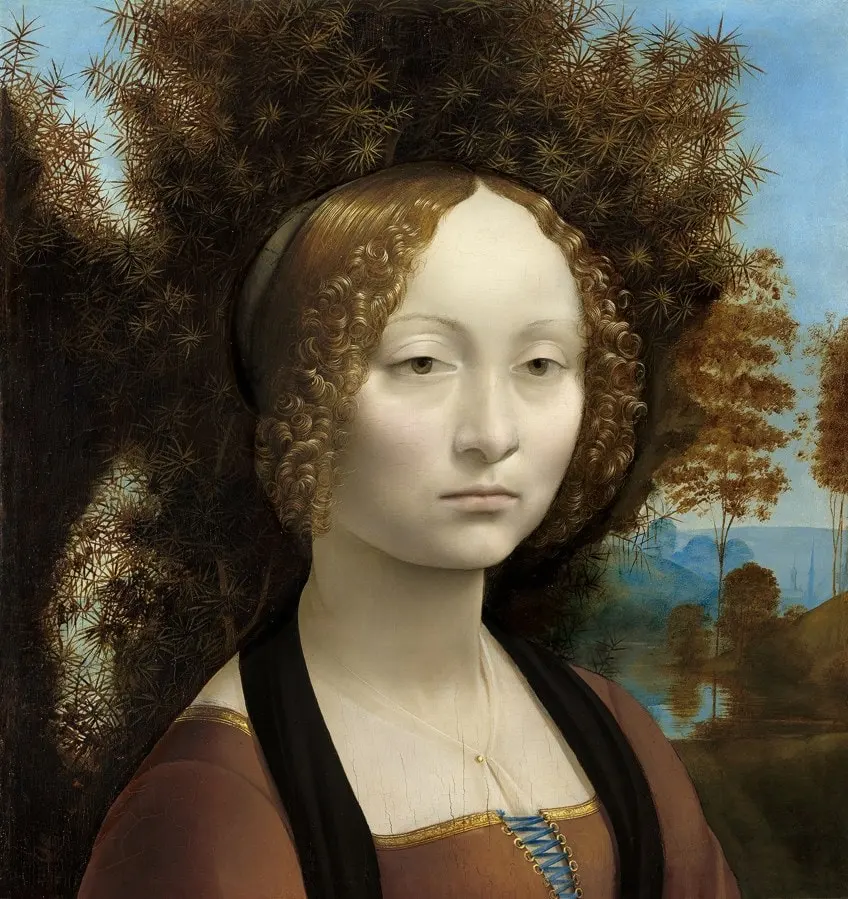
Leonardo’s mastery is best observed in works like the Mona Lisa and The Virgin of the Rocks. By meticulously blurring the edges around the eyes and mouth, he captured a sense of psychological depth and movement that had never been seen before. This innovation shifted the trajectory of Western art, influencing generations of painters who sought to replicate the soft, lifelike quality of human skin and the atmospheric density of landscapes.
How to use sfumato in painting
Achieving the sfumato effect requires patience, as it relies on the slow accumulation of thin, translucent glazes. Because the goal is to remove visible brushstrokes, the artist must work with a dry or semi-dry brush to manipulate the paint on the canvas. The process is additive, meaning you build the depth of the shadow gradually rather than applying a single dark stroke.
- Prepare a base layer of color that establishes the general form and light source of your subject.
- Apply thin, transparent glazes of oil paint, focusing on the areas where light meets shadow.
- Use a clean, soft-bristled brush or a dry blending tool to gently buff the edges of the paint.
- Allow each layer to dry completely before applying the next to prevent the colors from becoming muddy.
- Continue layering until the transition between light and dark is so gradual that the eye cannot detect a specific starting or ending point.
Why sfumato creates realism
Sfumato functions by mimicking the way the human eye perceives objects in space. In reality, light reflects off surfaces in complex ways, and atmospheric perspective—the way air particles obscure distant objects—naturally softens edges. By blurring the borders of a subject, an artist tricks the brain into perceiving a three-dimensional form that exists within a tangible, breathable space. This eliminates the "cut-out" look that occurs when figures are outlined with dark, hard lines.
The technique is particularly effective for rendering soft textures like skin, hair, and fabric. Because human features are rounded rather than angular, sfumato allows for the subtle modeling of muscle and bone structure beneath the skin. When the transition from highlight to shadow is seamless, the subject appears to possess volume and weight, making the painting feel less like a flat surface and more like a window into a physical environment.
Common mistakes when using sfumato
Even experienced painters often struggle with the technical demands of sfumato, frequently falling into traps that ruin the intended softness. The most common error is over-blending, which results in a muddy, greyish appearance. If you manipulate the paint for too long, the pigments mix together on the canvas, losing their vibrancy and clarity. It is essential to maintain the integrity of the underlying colors while softening the edges.
- Applying the paint too thickly, which prevents the transparency needed for the smoky effect.
- Using a brush that is too stiff, which creates visible marks instead of smooth transitions.
- Failing to allow sufficient drying time between layers, which causes the paint to lift and smear.
- Neglecting the light source, leading to inconsistent shadows that make the subject look distorted.
- Using too much medium, which makes the paint runny and difficult to control during the blending process.
Best tools for sfumato beginners
For those starting out, the choice of materials is critical to achieving the desired effect. Oil paint is the standard medium for sfumato because its slow drying time provides the necessary window to blend colors seamlessly. Acrylics are generally discouraged for this technique, as they dry too quickly to allow for the delicate, gradual manipulation required to create the signature smoky transition of light and shadow.
You should invest in a set of high-quality, soft-hair brushes, such as sable or high-grade synthetic alternatives. These brushes are gentle enough to move the paint without leaving behind bristle marks. Additionally, a "mop" brush is an excellent tool for final blending, as its soft, rounded head can lightly sweep over the surface to unify the tones. Always keep a clean, dry cloth nearby to wipe your brush frequently, ensuring that you are not dragging excess paint across the canvas and muddying the delicate transitions you have worked so hard to create.
Key facts
- Sfumato is an Italian term derived from "fumo," meaning smoke, describing a painting technique that creates soft, hazy transitions between colors and tones.
- Leonardo da Vinci is the most famous practitioner of the style, most notably using it in the Mona Lisa to blur the edges of her eyes and mouth.
- The technique requires applying many thin, translucent layers of oil paint, known as glazes, to eliminate harsh outlines.
- Artists achieve the effect by using a dry brush to gently soften and smudge the boundaries between light and shadow.
- A common mistake is over-blending, which can result in a muddy appearance rather than the intended ethereal, atmospheric depth.
- Patience is essential, as each layer must dry completely before the next is applied to maintain the clarity of the underlying colors.
The bottom line
Sfumato is a masterful technique that relies on patience and precision to remove harsh lines, resulting in a lifelike, atmospheric quality. By layering thin, translucent glazes and softly blending transitions, artists can capture the subtle nuances of light and shadow. Whether you are a beginner or an experienced painter, mastering this method requires a light touch, high-quality materials, and the discipline to let each layer dry thoroughly.
People also ask
How does sfumato differ from chiaroscuro?
Chiaroscuro focuses on the bold contrast between light and dark to create volume, while sfumato focuses on the subtle, smoky blending of those transitions. They are often used together to create realistic, three-dimensional figures.
Can sfumato be used with acrylic paints?
It is difficult to achieve authentic sfumato with acrylics because they dry very quickly. To mimic the effect, artists must use slow-drying mediums or retarders to extend the working time of the paint.
Why did Renaissance artists prefer oil paint for this technique?
Oil paint has a long drying time, which allows artists to blend colors on the canvas for hours or even days. This slow process is necessary to create the seamless, invisible transitions characteristic of the style.
Is sfumato only used for portraiture?
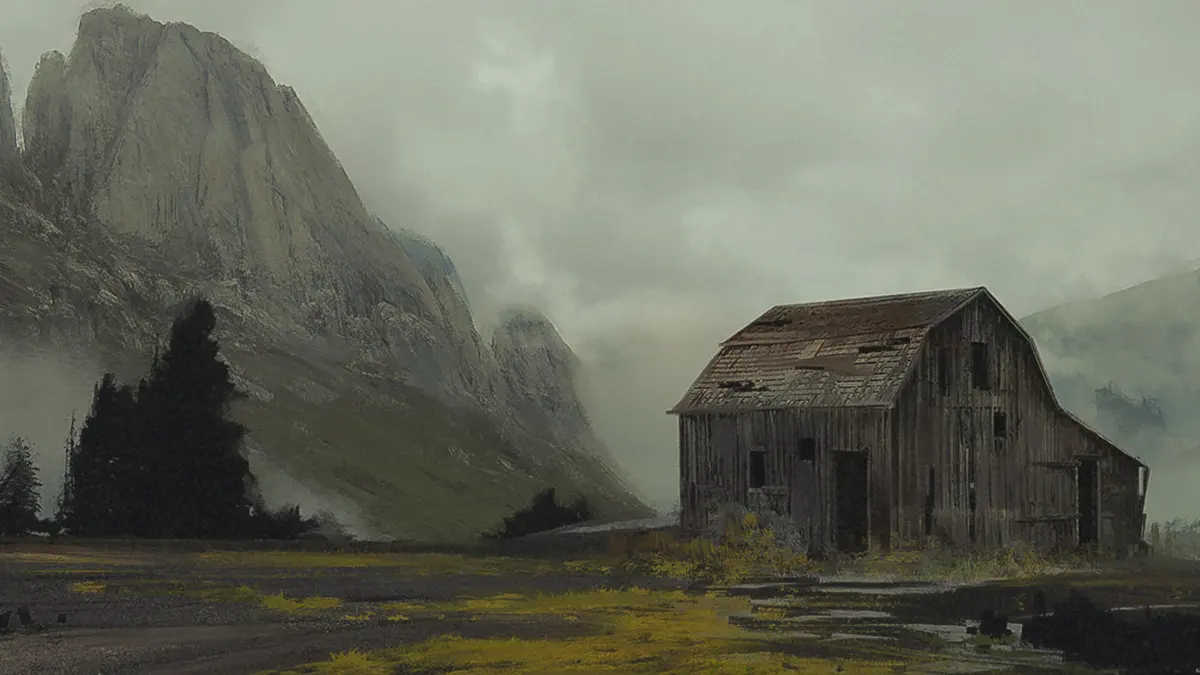
While famous for portraits, the technique is also used to paint landscapes. It creates the illusion of atmospheric perspective, making distant mountains or horizons appear soft and hazy.
What tools are best for applying sfumato?
Soft, high-quality sable brushes are preferred for applying glazes and blending edges. Some artists also use clean, dry blending brushes or even their fingers to gently soften the paint.
How many layers are typically needed for a sfumato effect?
There is no fixed number, but masters like Da Vinci often applied dozens of microscopic, translucent layers. The goal is to build up depth gradually until the brushstrokes are completely invisible to the naked eye.
This answer was created with the help of AI research tools and reference sources. Spotted an error? Let us know — we correct mistakes quickly. See our editorial policy.