What techniques did Claude Monet use?
Short answer
Claude Monet revolutionized painting by emphasizing light and color over precise detail. He utilized rapid, broken brushstrokes to capture fleeting atmospheric effects, often painting the same subject at different times of day. By applying unmixed colors directly to the canvas, he allowed the viewer’s eye to optically blend them into vibrant, luminous scenes.
On this page
How did Monet apply paint to the canvas?
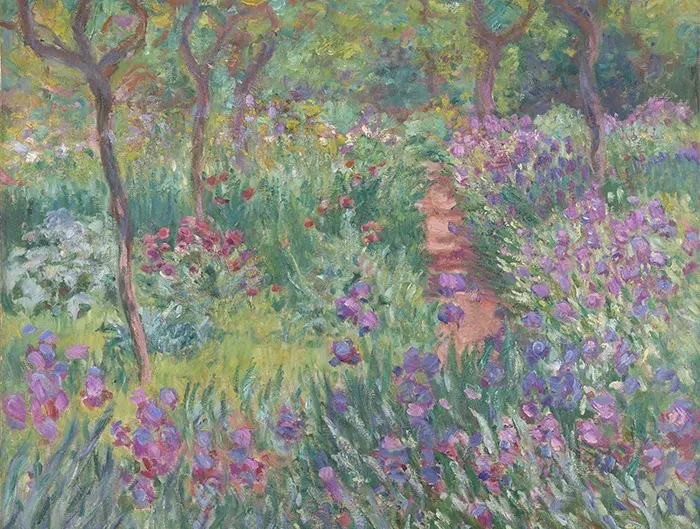
Monet famously rejected the traditional method of blending colors smoothly on a palette. Instead, he employed a technique known as "broken color," where he applied small, distinct dabs or dashes of pure, unmixed pigment directly onto the canvas. This approach relied on the principle of optical mixing, where the human eye naturally fuses adjacent colors from a distance, creating a more intense, vibrating effect than pre-mixed paint could ever achieve.
To master this technique, artists should focus on the following steps:
- Load your brush with a single, unadulterated color.
- Apply short, quick strokes to the canvas without overworking the area.
- Place complementary colors side-by-side to increase the perceived luminosity.
- Avoid blending the paint once it is on the surface, as this creates muddy, dull tones.
By keeping the paint fresh and distinct, Monet maintained the energy of his initial observation. He often worked with thick, impasto applications, which allowed the texture of the paint to catch the light, further enhancing the three-dimensional quality of his landscapes.
Why did Monet use a limited color palette?
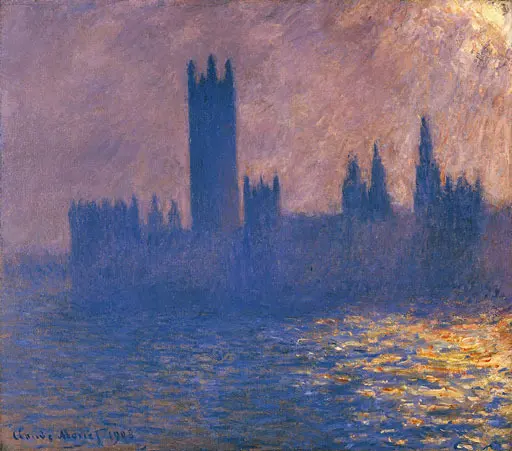
Monet’s palette evolved significantly throughout his career, but he consistently favored a restricted selection of high-quality pigments. By limiting his palette, he achieved greater color harmony and unity across his compositions. He typically avoided black paint, preferring to mix deep purples, blues, and browns to create shadows, which he believed were never truly black but rather colored reflections of the surrounding environment.
Commonly used pigments in his later works included:
- Cobalt Blue and Ultramarine
- Chrome Yellow and Cadmium Yellow
- Viridian and Emerald Green
- Vermilion and Rose Madder
- Lead White or Zinc White
Using a limited range of colors prevents the common mistake of creating "mud" on the canvas. When too many colors are mixed together, the result is a neutral, lifeless gray. By sticking to a primary-based palette and mixing his own secondary and tertiary shades, Monet ensured that his paintings remained bright and saturated, effectively capturing the brilliance of natural sunlight.
How to paint light like Claude Monet?
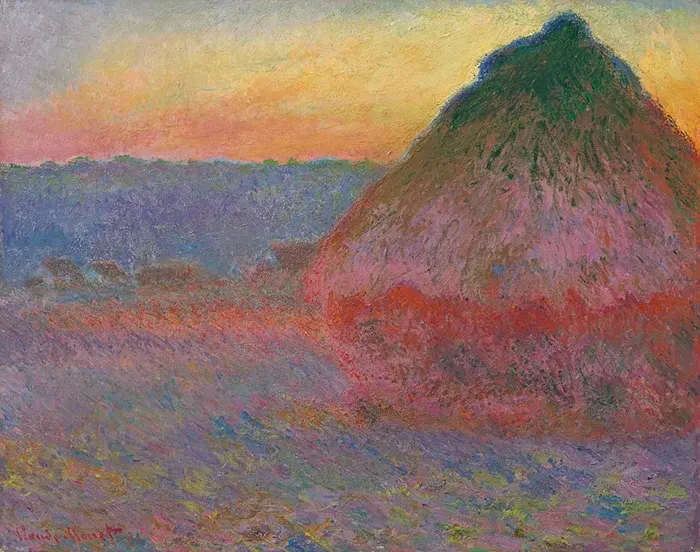
Capturing the ephemeral nature of light was the central goal of Monet’s artistic practice. He understood that light is constantly in flux, changing the color and mood of a subject within minutes. To document these shifts, he frequently worked on multiple canvases simultaneously, switching between them as the sun moved across the sky to ensure he captured the specific light conditions of each hour.
To emulate this approach, follow these practical guidelines:
- Choose a subject with distinct architectural or natural features, such as a haystack or a cathedral.
- Set up your easel at the same spot every day at a specific time.
- Limit your painting session to two hours to capture the light before it changes significantly.
- Observe the shadows closely; note that they often contain cool blues or violets rather than dark grays.
A common mistake beginners make is focusing on the object itself rather than the light hitting it. Monet taught that the object is merely a vehicle for the light; therefore, the artist must prioritize the atmospheric envelope surrounding the form.
What brushes and tools did Monet prefer?
Monet utilized a variety of brushes to achieve his signature texture and speed. He generally preferred hog-hair brushes, which are stiff enough to hold heavy paint and create visible, energetic marks. These brushes allowed him to "scumble"—a technique where a dry, opaque layer of paint is dragged over a previously dried layer, allowing glimpses of the underpainting to show through and adding depth to his surfaces.
When selecting tools, consider the following:
- Flat brushes: Ideal for broad, sweeping strokes and blocking in large areas of color.
- Filbert brushes: Excellent for softer edges and blending shapes without losing the individual mark.
- Palette knives: Used occasionally for thick, sculptural applications of paint in highlights.
Avoid using soft, synthetic brushes that lack the "snap" required for impasto techniques. Monet’s work relied on the physical resistance of the brush against the canvas to create the rhythmic, staccato marks that define his later style, particularly in his famous Water Lilies series.
How to avoid common mistakes when painting like Monet?
The most frequent error when attempting the Impressionist style is over-detailing the subject. Monet’s genius lay in his ability to simplify complex scenes into essential shapes and colors. If you find yourself obsessing over the fine lines of a leaf or the intricate carvings on a building, you are likely working against the Impressionist philosophy. Instead, zoom out and focus on the overall impression of the scene.
Another major mistake is ignoring the importance of the underpainting. Monet often started with a thin, toned ground—a neutral wash of color—to establish the mid-tones before applying his brighter, thicker strokes. Working on a stark white canvas can make it difficult to judge the true value of your colors. By establishing a mid-tone base, you gain better control over your highlights and shadows, ensuring that the final image possesses the cohesive, atmospheric quality that defined Monet’s enduring legacy in the history of art.
Key facts
- Use broken color by placing unmixed strokes of paint side-by-side on the canvas instead of blending them on the palette.
- Work in series to capture how light changes the appearance of a single subject at different times of day or seasons.
- Apply paint using short, thick, and rapid brushstrokes to convey the essence of a subject rather than fine details.
- Avoid using black paint, opting instead to mix complementary colors to create deep, vibrant shadows.
- Paint outdoors, or "en plein air," to observe the immediate effects of natural light and atmospheric conditions.
- Prepare your canvas with a light-colored ground, such as white or pale gray, to increase the luminosity of your colors.
The bottom line
Claude Monet revolutionized painting by prioritizing the subjective experience of light over realistic detail. By utilizing broken color, rapid brushwork, and the practice of painting outdoors, he captured the fleeting essence of his subjects. To emulate his style, focus on observing color shifts in natural light, avoid over-blending your pigments, and embrace the expressive power of visible, textured marks to create a sense of movement on canvas.
People also ask
Why did Monet paint the same subject multiple times?
Monet wanted to document the ephemeral nature of light and atmosphere. By painting subjects like haystacks or the Rouen Cathedral repeatedly, he demonstrated how color and form shift based on the time of day and weather.
Did Monet use black paint in his work?
While he famously avoided pure black, he did not strictly forbid it. He preferred to create dark tones by layering deep blues, purples, and greens to keep the shadows feeling alive and reflective.
What type of brushes did Monet prefer?
He primarily used hog-hair brushes because their stiff bristles allowed him to apply thick, textured paint. These brushes helped him create the energetic, visible marks that define his signature Impressionist style.
How did Monet achieve his vibrant color effects?
He utilized the theory of simultaneous contrast by placing complementary colors next to each other. This optical technique makes the colors appear more intense and luminous to the human eye from a distance.
What was Monet’s approach to composition?
Monet often cropped his scenes unexpectedly, influenced by the burgeoning art of photography and Japanese woodblock prints. He frequently focused on fragments of a landscape rather than traditional, balanced panoramic views.
Is it difficult to replicate Monet’s technique today?
The main challenge is learning to trust the eye over the mind. Beginners often struggle by over-blending their paint, which results in muddy colors rather than the vibrant, flickering light Monet achieved.
This answer was created with the help of AI research tools and reference sources. Spotted an error? Let us know — we correct mistakes quickly. See our editorial policy.