What techniques did Vincent van Gogh use?
Short answer
Vincent van Gogh utilized thick, expressive paint application known as impasto, combined with vibrant, non-naturalistic color palettes. He employed rhythmic, directional brushstrokes to create movement and emotional intensity. By layering complementary colors and using heavy paint directly from the tube, he transformed simple landscapes and portraits into deeply personal, textured masterpieces.
On this page
How did Vincent van Gogh apply paint?
Van Gogh is most famous for his mastery of impasto, a technique where paint is applied so thickly that it stands out from the surface of the canvas. He often squeezed oil paint directly from the tube onto the canvas, using a palette knife or a stiff brush to manipulate the medium. This approach gave his works a sculptural quality, where the physical presence of the paint caught light and cast tiny shadows, adding a sense of depth and tactile energy.
To achieve his signature look, he favored high-quality, heavy-bodied oil paints that could hold their shape. He rarely thinned his pigments with excessive oil or turpentine, preferring the dense, buttery consistency of the paint. When applying these layers, he often worked "wet-on-wet," meaning he added fresh paint before the previous layers had dried. This allowed him to blend colors directly on the canvas, creating subtle transitions and vibrant, unmixed streaks that define his later works like The Starry Night.
Why did he use directional brushstrokes?
The rhythmic, swirling brushstrokes found in Van Gogh’s paintings were not merely decorative; they were a method of conveying psychological state and motion. By following the contours of his subjects, he guided the viewer’s eye across the canvas. In landscapes, these strokes often mimicked the flow of wind or the growth patterns of trees, while in portraits, they emphasized the structure of the face and the intensity of the sitter's gaze.
He developed this style during his time in Arles, where he sought to capture the "vibration" of light and heat. He utilized a variety of mark-making tools to achieve these effects:
- Short, staccato dashes to suggest flickering light or texture.
- Long, sweeping curves to represent clouds or rolling hills.
- Cross-hatching patterns to build depth in shadows or foliage.
- Thick, circular dabs to create focal points of intense energy.
What color theory did he follow?
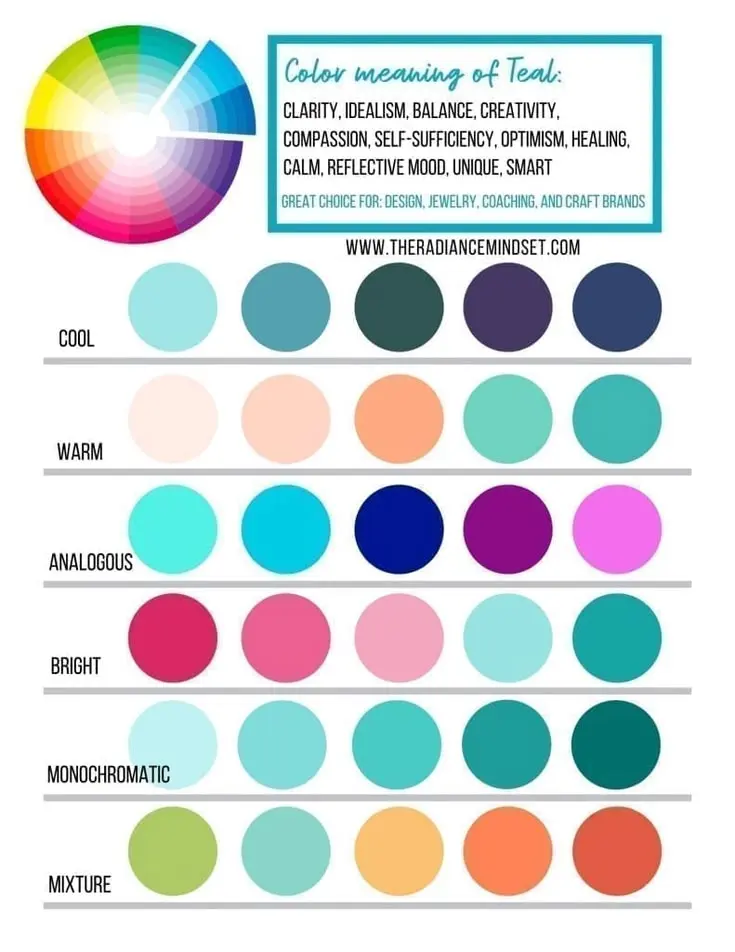
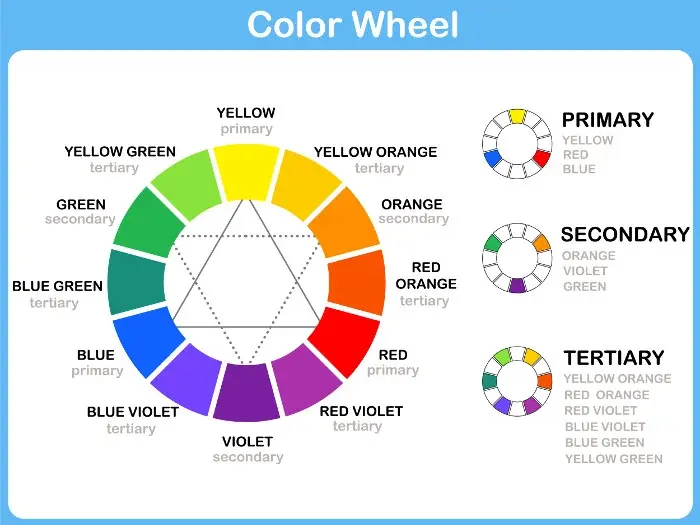
Van Gogh was deeply influenced by the theories of contrast, particularly the use of complementary colors to create visual tension. By placing colors opposite each other on the color wheel—such as blue against orange or yellow against violet—he made his paintings appear more vibrant and luminous. He often avoided mixing colors on his palette, choosing instead to place pure, unblended colors side-by-side on the canvas, allowing the viewer's eye to perform the optical mixing.
His palette evolved significantly throughout his career. In his early Dutch period, he used dark, earthy tones like umber and ochre to depict the lives of peasants. Later, influenced by the Impressionists and the bright light of Provence, he adopted a much bolder palette. He embraced cadmium yellows, Prussian blues, and emerald greens, often using them in non-naturalistic ways to express his internal emotions rather than the objective reality of the scene he was painting.
How to practice Van Gogh's impasto technique
If you wish to experiment with Van Gogh’s style, you must focus on the physical application of paint. Start by selecting a subject with strong lines, such as a tree or a mountain range, which allows for expressive movement. Avoid over-blending your colors, as this will result in a muddy appearance that loses the vibrancy of the individual pigments.
Follow these steps to begin:
- Prepare a sturdy canvas or board, as heavy paint will cause thin paper to buckle.
- Use a stiff-bristled hog hair brush to ensure you can move the heavy paint across the surface.
- Load your brush with a generous amount of paint, picking up multiple colors at once without fully mixing them.
- Apply the paint with firm, deliberate strokes, lifting the brush at the end of each mark to leave a raised edge.
- Resist the urge to smooth out the surface; let the texture remain as a record of your hand movement.
Common mistakes when painting like Van Gogh
A frequent mistake beginners make is thinning the paint too much with solvents, which prevents the impasto effect from holding its form. If the paint is too fluid, it will drip or flatten out, losing the characteristic "sculpted" look of Van Gogh’s work. Additionally, many artists fail to consider the drying time; thick layers of oil paint can take months or even years to cure fully. Applying a new layer over a thick, wet base too quickly can cause the surface to crack or wrinkle as it dries unevenly.
Another error is failing to plan the composition before beginning the heavy application. Because impasto is difficult to scrape away or correct once it has been applied, you should sketch your outlines lightly with charcoal or a thin wash first. Finally, do not be afraid of using bold, unnatural colors. If you limit yourself to realistic tones, you lose the emotional intensity that defined Van Gogh’s legacy. Focus on the feeling of the subject rather than the literal representation of its color.
Key facts
- Van Gogh frequently applied paint directly from the tube onto the canvas to create thick, textured layers known as impasto.
- He favored complementary color pairings, such as blue and orange or yellow and violet, to increase the visual intensity of his works.
- His signature brushwork involved rhythmic, swirling patterns that guided the viewer’s eye across the composition.
- He often used a palette knife to scrape or layer paint, adding physical depth and sculptural quality to his landscapes and portraits.
- To achieve vibrant hues, he utilized pigments like chrome yellow and emerald green, which were revolutionary in the late 19th century.
- When practicing, avoid over-blending colors on the canvas, as this creates a muddy appearance; instead, place distinct strokes side-by-side to allow the eye to mix them optically.
The bottom line
Vincent van Gogh’s artistic legacy is defined by his bold, experimental approach to oil painting. By combining thick, sculptural impasto with a sophisticated understanding of complementary color theory, he transformed simple subjects into vibrant, emotive masterpieces. His technique remains a masterclass in using texture and rhythmic brushwork to convey movement, proving that the physical application of paint is just as vital as the imagery itself.
People also ask
Did Van Gogh paint his works entirely outdoors?
While he famously painted landscapes like The Starry Night or his wheat fields en plein air, he often worked on portraits and interior scenes in his studio. He would frequently sketch outdoors and then refine the composition in his workspace.
What kind of brushes did Van Gogh prefer?
He primarily used hog-hair brushes, which were stiff enough to manipulate heavy, thick oil paint. These brushes allowed him to create the distinct, visible ridges that define his mature style.
Why are some of Van Gogh’s paintings fading?
He used early synthetic pigments like chrome yellow, which are chemically unstable and light-sensitive. Over time, exposure to ultraviolet light has caused these bright yellows to darken or turn brown.
How did he prepare his canvases?
He often applied a base layer of gesso or lead white to prime his canvases, sometimes adding a neutral tone to help him judge color values. He frequently painted on inexpensive, coarse-weave jute or canvas.
Did he use a specific color theory?
Yes, he was heavily influenced by the color theories of Michel Eugène Chevreul regarding simultaneous contrast. He intentionally placed opposing colors next to each other to make them appear more luminous.
Was his impasto technique just for decoration?
No, the thick paint served to capture light differently, creating shadows and highlights on the surface of the painting. This three-dimensional effect gave his work a sense of movement and raw emotional energy.
This answer was created with the help of AI research tools and reference sources. Spotted an error? Let us know — we correct mistakes quickly. See our editorial policy.