How do you fix watercolor mistakes?
Short answer
Watercolor mistakes are corrected by lifting pigment while wet, scrubbing gently when dry, or masking errors with opaque media. Because watercolor is transparent, you cannot paint white over dark colors. Success depends on the paper's quality, as durable, heavy-weight cotton paper allows for more aggressive lifting and scrubbing than wood-pulp alternatives.
On this page
How to lift wet watercolor paint
When you realize a mistake immediately after applying paint, act quickly before the paper fibers absorb the pigment. Use a clean, damp brush or a paper towel to blot the area gently. Avoid rubbing the paper, as this can damage the surface sizing and create "pilling," where paper fibers lift and ruin the texture.
If you need to remove a significant amount of color, use a thirsty brush technique. Rinse your brush in clean water, tap it against a towel so it is merely damp, and touch it to the mistake. The dry bristles will act like a sponge, drawing the pigment out of the paper. Repeat this process, rinsing your brush frequently, until the area reaches your desired lightness.
- Blot the excess paint with a folded paper towel.
- Rinse your brush and dab it on a cloth to control moisture.
- Gently lift the remaining pigment by touching the brush tip to the paper.
- Repeat until the area is sufficiently lightened or removed.
How to fix dry watercolor mistakes
Removing dried paint is more difficult because the pigment has bonded with the paper fibers. You must re-wet the area using a clean, soft brush and clear water. Apply the water carefully to the mistake, allowing it to sit for a few seconds to soften the dried binder. Once the paint is slightly loose, use a paper towel to lift the color.
If the paint remains stubborn, you can use a stiff-bristled brush to gently scrub the area. This technique is only successful on high-quality, 100% cotton cold-press or rough paper. Wood-pulp paper will likely disintegrate under this pressure. Always work from the outside of the shape toward the center to prevent the color from bleeding into surrounding areas of your painting.
- Use a round or flat brush with firm synthetic bristles for scrubbing.
- Keep a clean container of water nearby to ensure you are not adding more pigment.
- Work slowly to avoid damaging the integrity of the paper surface.
How to use opaque paint for corrections
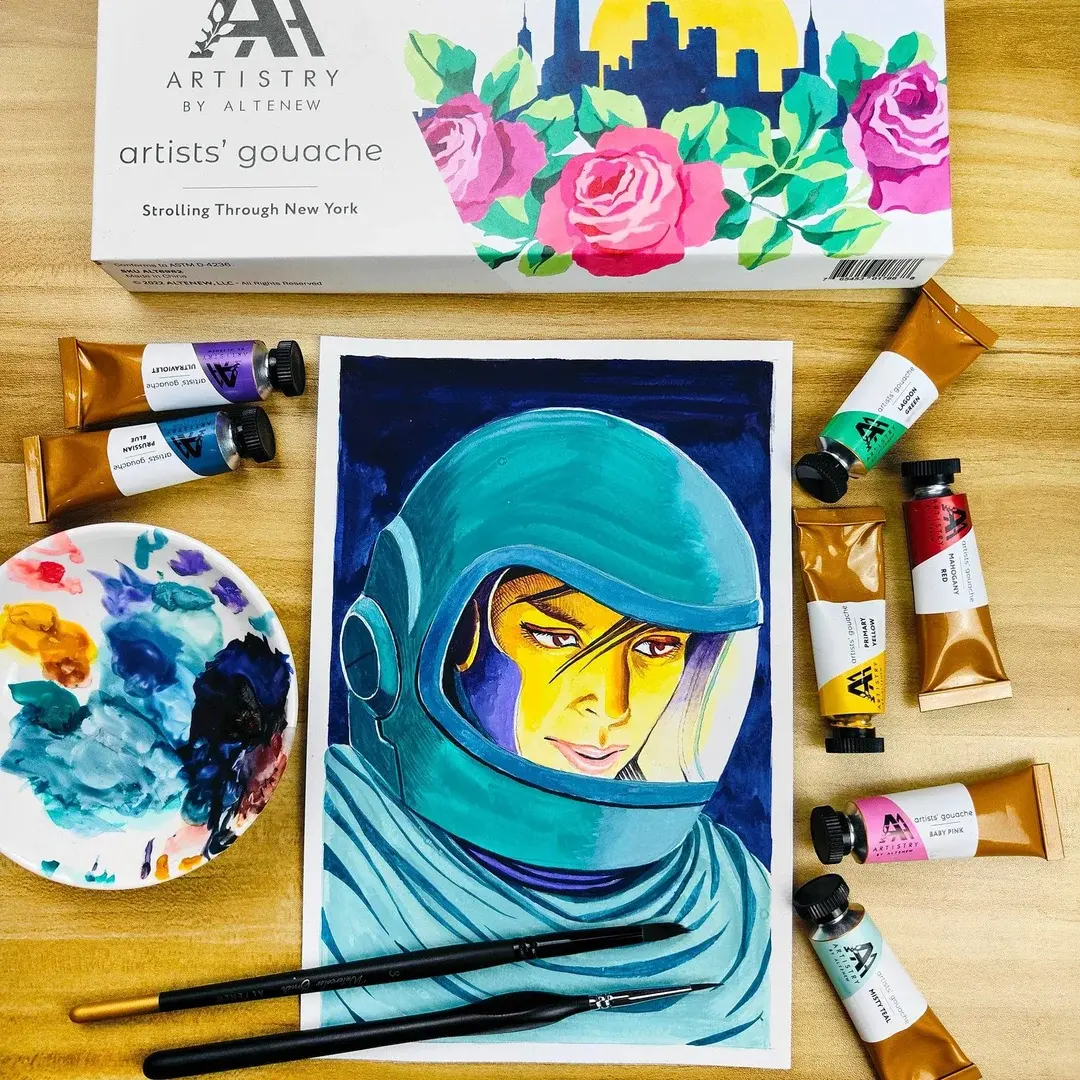
Because watercolor is inherently transparent, you cannot simply paint over a dark error with a lighter watercolor wash. To hide a mistake, many artists turn to opaque media such as gouache or white ink. Titanium white gouache is the industry standard for this purpose, as it provides a dense, matte finish that mimics the appearance of watercolor while covering underlying errors.
You can also use a white gel pen or a fine-tip opaque paint marker for small, precise corrections. These tools are excellent for restoring highlights, such as the sparkle in an eye or the glint on a metallic object. However, be aware that these materials may not react to water the same way as your original pigments, so apply them only as a final finishing touch.
- Use high-quality artist-grade gouache for the best coverage.
- Apply opaque layers sparingly to maintain the overall transparency of the painting.
- Test the opacity on a scrap piece of paper before applying it to your final work.
Common mistakes when fixing watercolor
The most frequent error artists make is overworking the paper. Watercolor paper has a protective coating called sizing that keeps pigment on the surface. When you scrub too hard or re-wet an area too many times, you strip this sizing away. This leads to muddy colors, fuzzy edges, and a rough texture that makes future paint applications look dull and lifeless.
Another common mistake is using dirty water to fix an error. If your rinse water is already tinted with pigment, you are essentially painting the mistake with a new, unintended color. Always keep two jars of water on your desk: one for rinsing brushes and one for clean water. If you are unsure about a correction, test it on a separate piece of the same paper first.
- Avoid using abrasive erasers, which can permanently scar the paper surface.
- Do not attempt to scrub dark staining pigments like Phthalo Blue or Alizarin Crimson.
- Ensure the paper is completely dry before attempting to paint over a correction.
When to embrace the mistake
Sometimes, the best way to handle a watercolor mistake is to incorporate it into the composition. Watercolor is prized for its spontaneity and unpredictable nature. A misplaced splash or an uneven wash can add a sense of energy and movement that a perfectly planned painting might lack. Many professional watercolorists view these "happy accidents" as opportunities to pivot their creative direction.
If a mistake feels truly irreparable, consider cropping the painting or using a collage technique to cover the area. You can paint a new element on a separate piece of paper, cut it out, and carefully glue it over the error. This technique, often called "patching," is a traditional method used by illustrators to save time and materials. Ultimately, learning to work with your mistakes is a hallmark of a skilled and confident artist.
Key facts
- Watercolor paint is water-soluble, meaning it can be re-wet and lifted from the paper even after it has dried.
- Use a clean, damp synthetic brush to gently scrub the surface to remove unwanted pigment.
- Blot the area immediately with a dry paper towel to pull the lifted paint off the paper.
- Avoid aggressive scrubbing, which can damage the paper fibers and cause "pilling" or tearing.
- Staining pigments, such as Phthalo Blue or Alizarin Crimson, are harder to lift than granulating pigments like Ultramarine.
- A "magic eraser" sponge can lift stubborn stains, but use it sparingly to avoid thinning the paper's sizing.
The bottom line
Fixing watercolor mistakes requires patience and a gentle touch. Because the medium is transparent and reactive to water, most errors can be lifted by re-wetting the pigment and blotting it away. Always test your lifting method on a scrap piece of paper first to ensure the surface remains intact. Ultimately, many watercolorists choose to embrace "happy accidents" as part of the medium’s unique, spontaneous character.
People also ask
Can I paint over a mistake with white watercolor paint?
It is generally discouraged because white watercolor is transparent and will not hide the underlying color. Instead, use an opaque medium like white gouache or a gel pen to cover small, dark errors.
How do I fix a mistake while the paint is still wet?
Quickly soak up excess liquid using the corner of a paper towel or a thirsty, clean brush. Do not rub the area, as this will push the pigment deeper into the paper fibers.
What should I do if I accidentally drip paint on my artwork?
Immediately dab the drop with a clean, dry cloth or paper towel without smearing it. If a faint mark remains, wait for it to dry completely before attempting to lift it with a damp brush.
Does the type of paper affect how easily I can fix mistakes?
Yes, 100% cotton cold-press paper is more durable and allows for repeated lifting compared to wood-pulp paper. Cheaper paper often loses its surface sizing quickly, making it impossible to correct errors without damaging the sheet.
Can I use bleach to remove watercolor mistakes?
While some artists use diluted bleach to remove pigment, it is risky because it can permanently damage the paper and alter its pH balance. It is better to rely on lifting techniques or incorporate the mistake into the design.
Is it possible to scrape off dry watercolor paint?
You can use a craft knife or the edge of a plastic card to gently scrape away dried paint. This technique is best for creating highlights or removing small specks, but it will physically remove a thin layer of the paper.
This answer was created with the help of AI research tools and reference sources. Spotted an error? Let us know — we correct mistakes quickly. See our editorial policy.