Painting & Color
How is watercolor paint made?
Watercolor paint is made by grinding finely milled pigments into a suspension of gum arabic, a natural binder derived from…
Questions and answers about watercolor.
Watercolor paint is made by grinding finely milled pigments into a suspension of gum arabic, a natural binder derived from…
Painting a field with watercolor requires layering colors from light to dark, starting with a pale wash for the sky and distant…
Painting a cactus in watercolor requires building layers of green tones, starting with light washes and deepening shadows with…
Painting rain in watercolor requires capturing the atmosphere through controlled moisture and strategic lifting. By using…
Painting watercolor leaves requires mastering brush pressure to create organic shapes. By varying the amount of pigment and…
Painting a winter scene with watercolors requires preserving the white of the paper to represent snow. By using a limited…
For beginners, the best watercolor paints are high-quality student-grade sets from reputable brands like Winsor & Newton Cotman…
Painting sunflowers in watercolor requires layering transparent washes, starting with light yellows and building depth with…
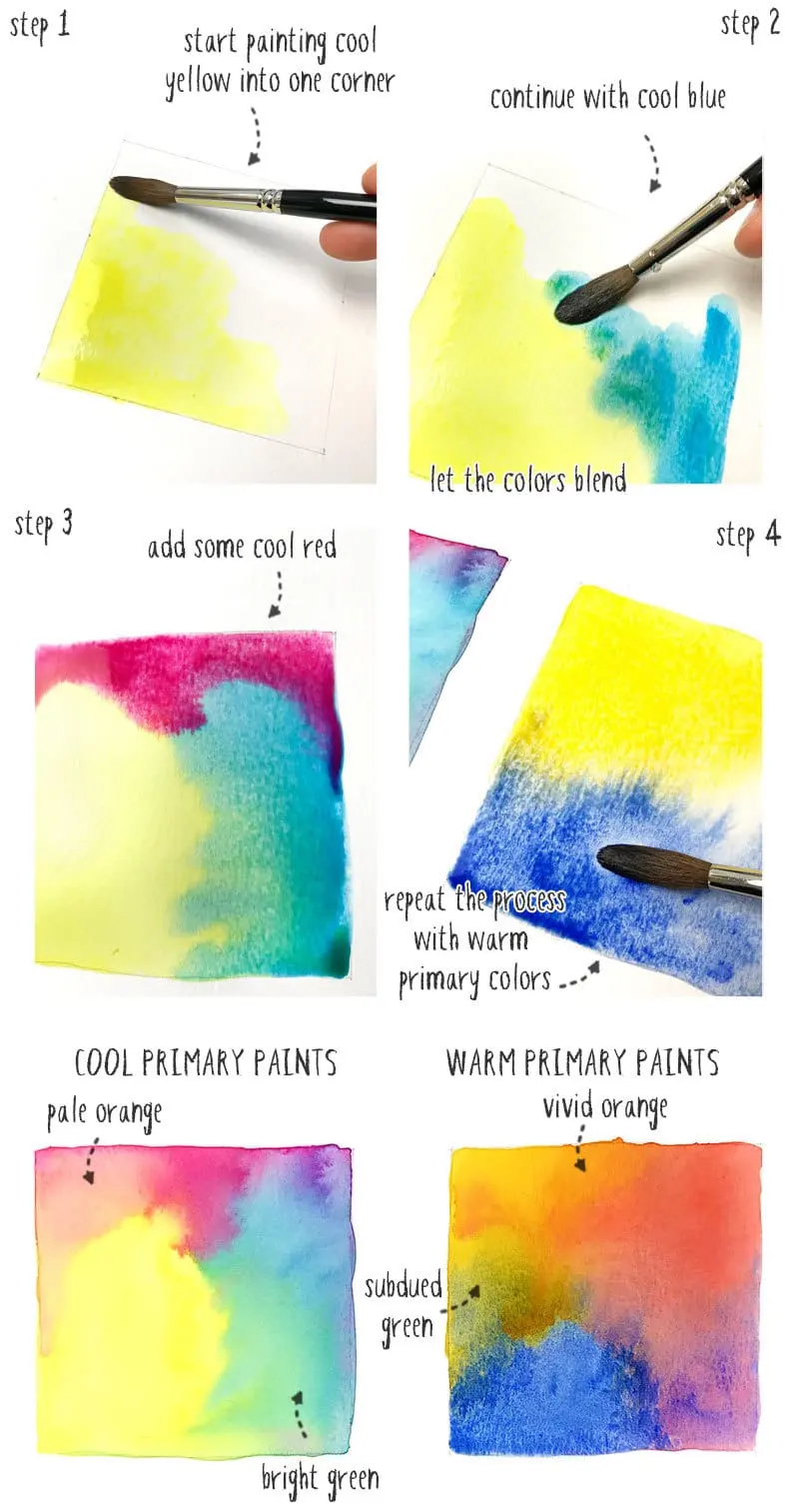
Beginners should focus on simple subjects that emphasize color mixing and water control rather than complex detail. Ideal…
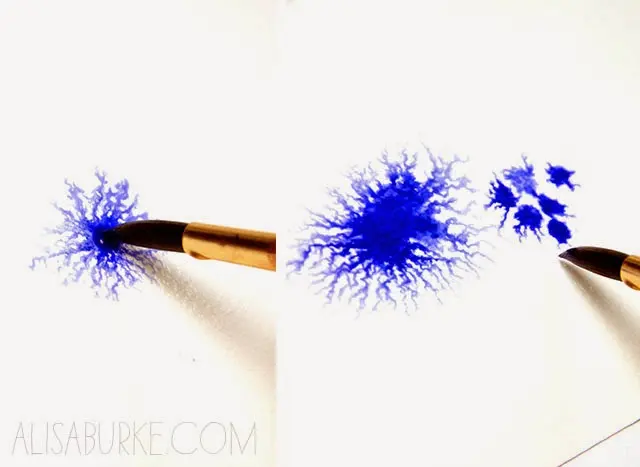
A watercolor bloom, often called a cauliflower, is a textured pattern that occurs when excess water or wet paint flows into a…
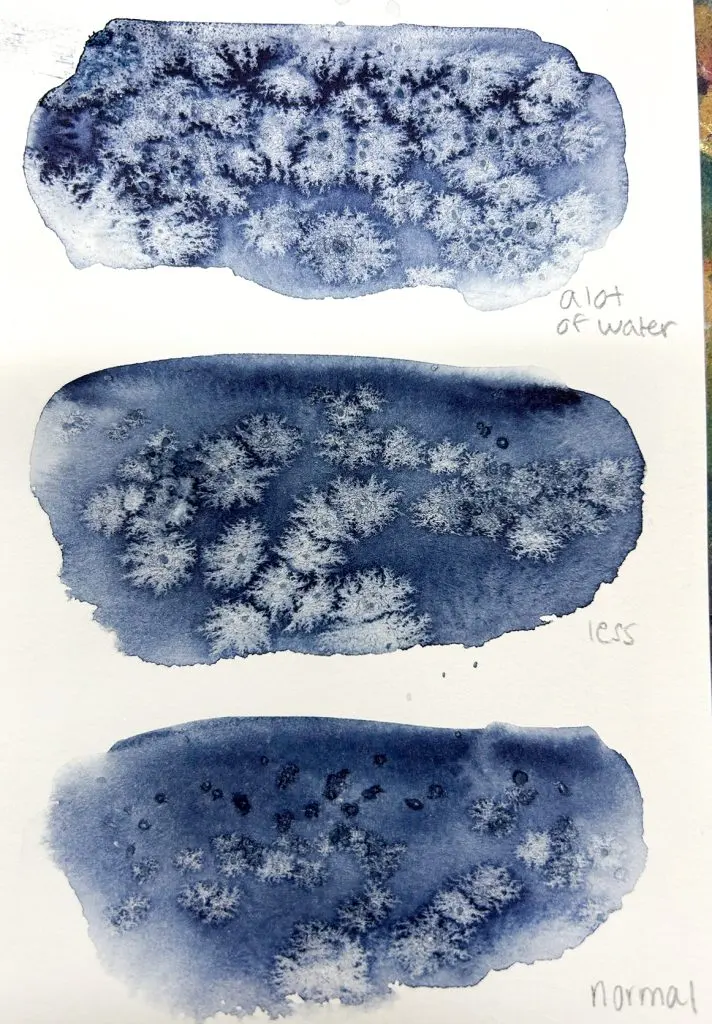
The salt technique is a watercolor method where salt crystals are sprinkled onto wet paint. As the paint dries, the salt absorbs…
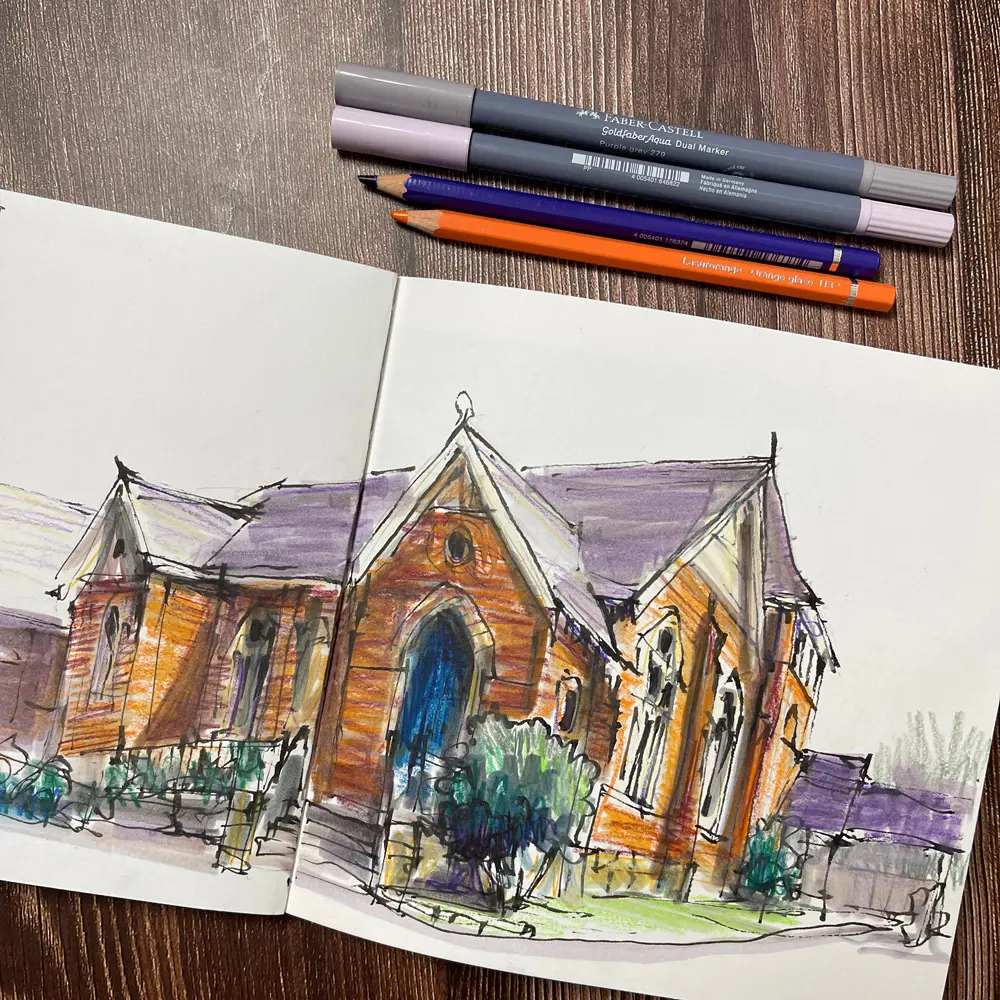
Watercolor pencils are versatile tools that function as both dry drawing implements and water-soluble paints. To use them, apply…
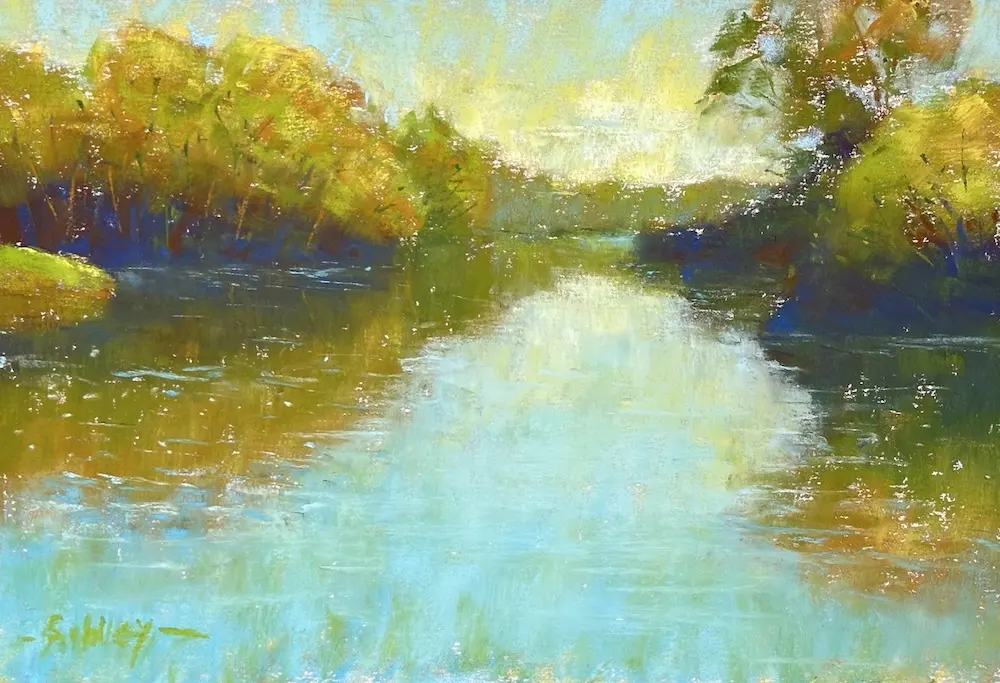
Painting reflections in watercolor requires observing the water's surface as a mirror that distorts and simplifies the subject…
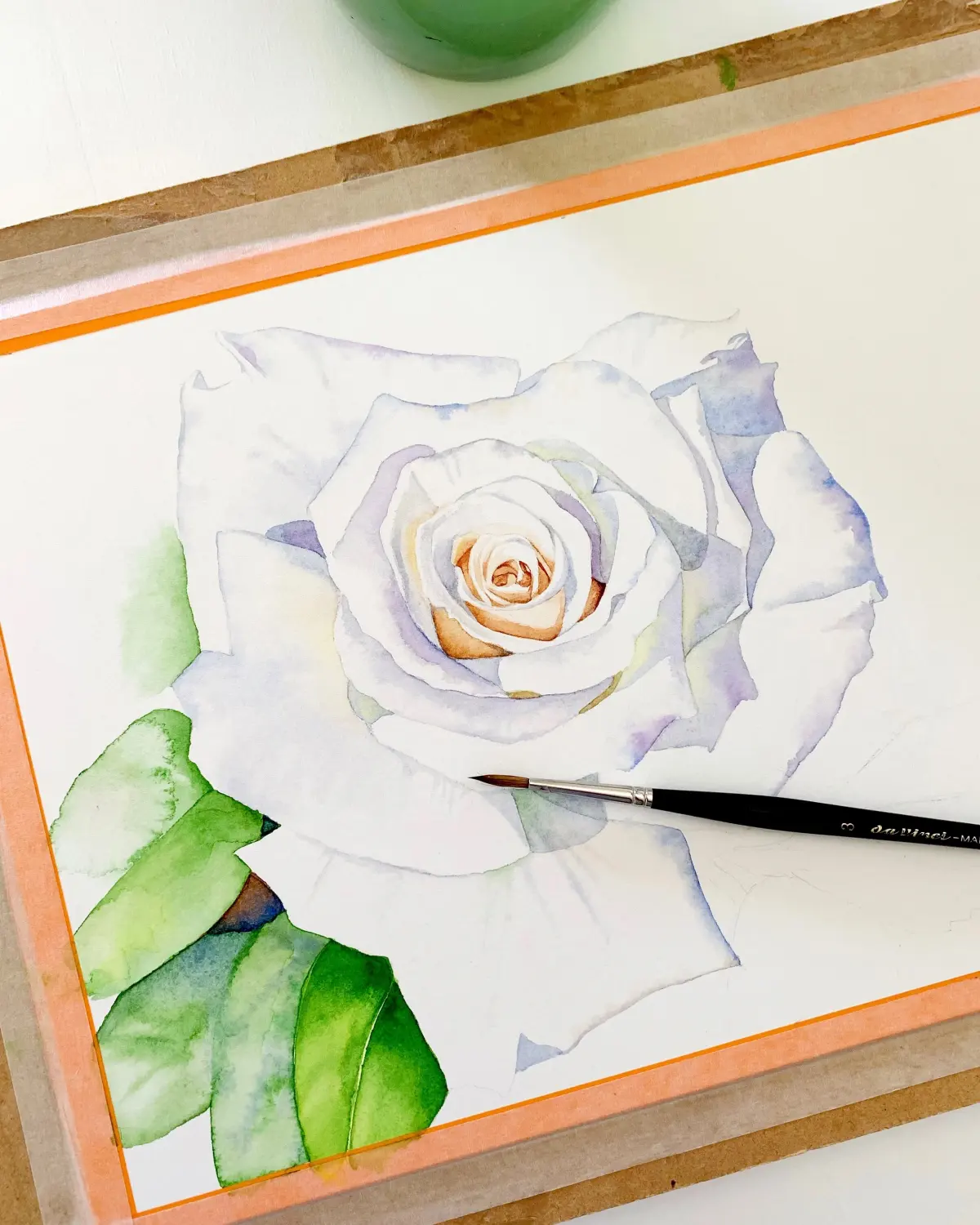
In traditional watercolor painting, white is achieved by preserving the unpainted surface of the paper rather than applying…
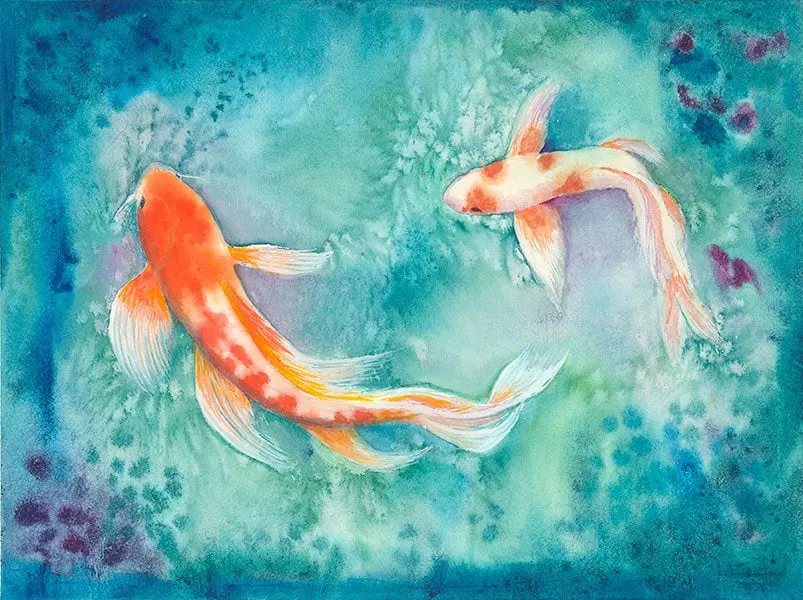
Painting a koi fish with watercolor involves layering transparent pigments to build depth and texture. Begin by sketching the…
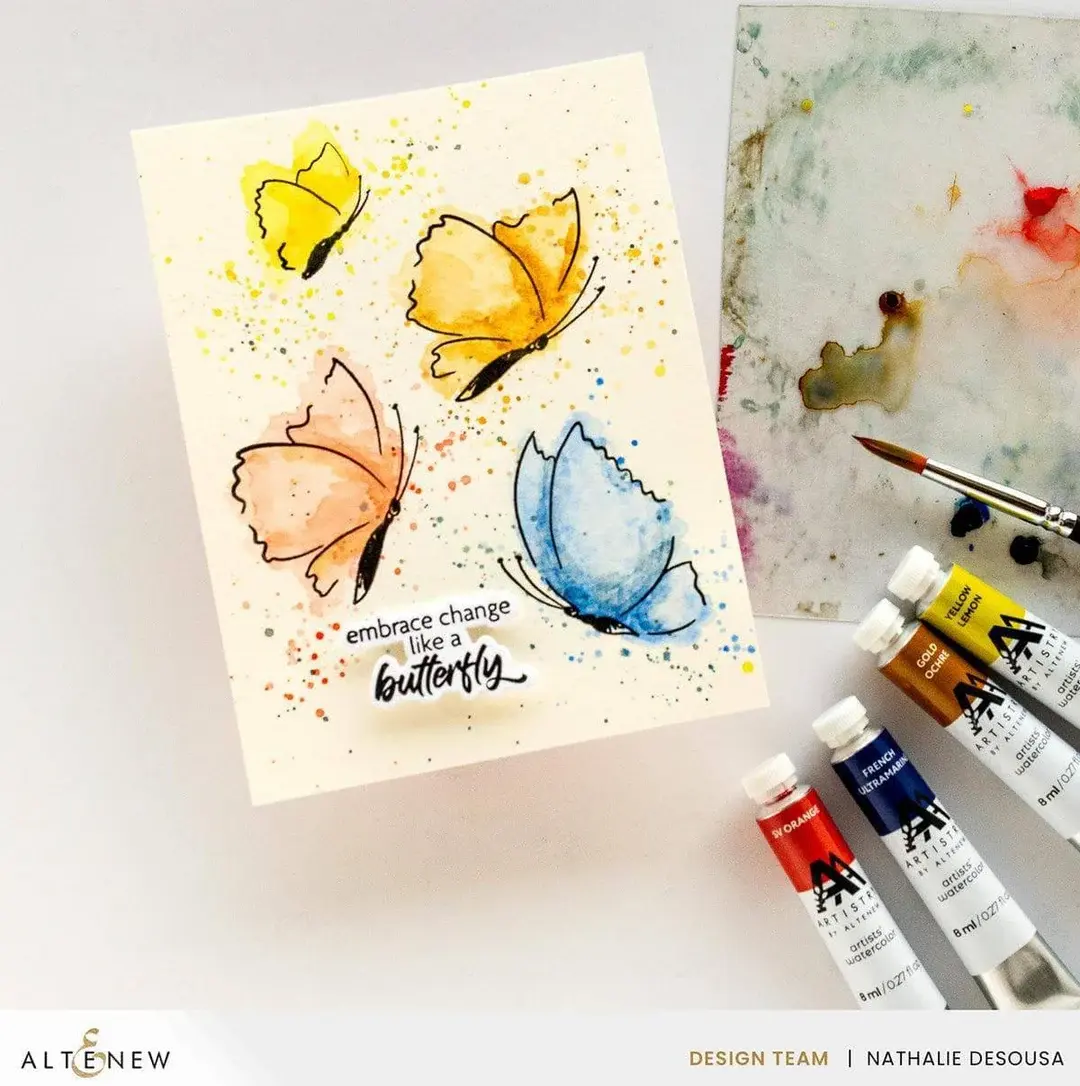
The best watercolor paper is 100% cotton, cold-pressed, and at least 300 gsm (140 lb) in weight. Cotton fibers provide superior…
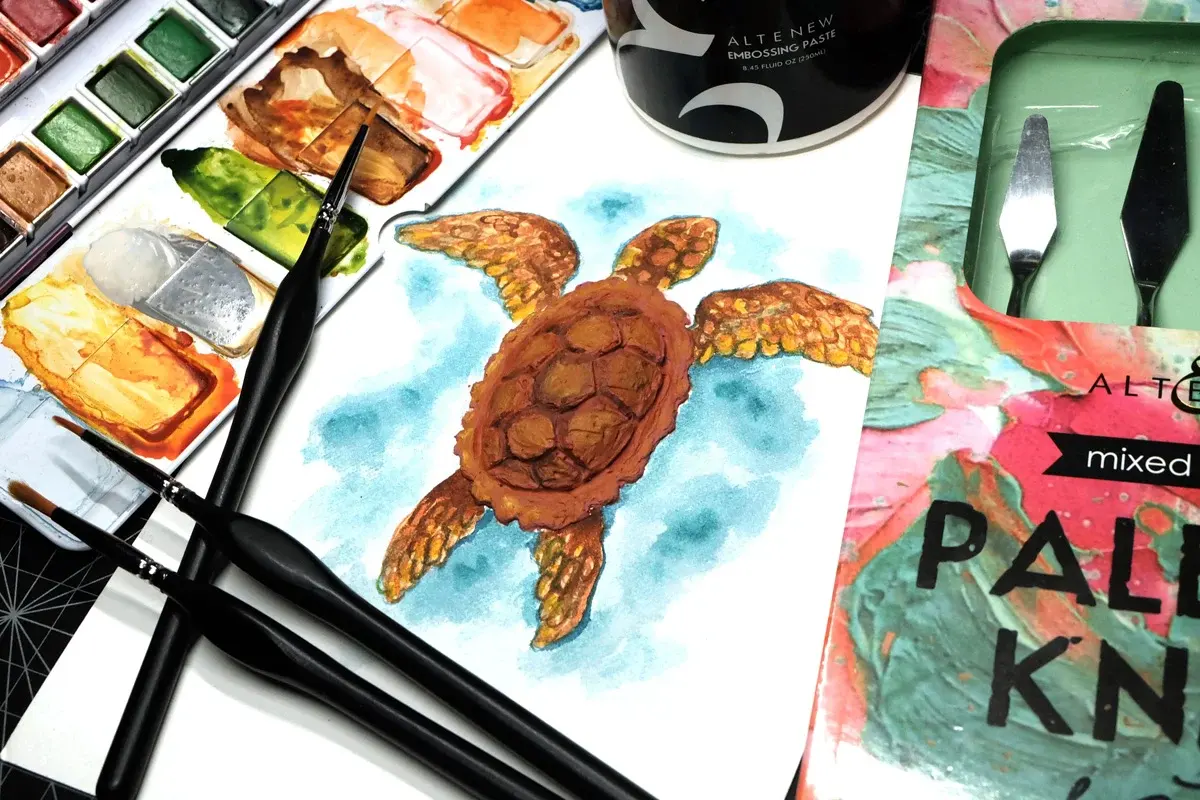
Yes, you can use watercolor on regular paper, but the results will be significantly different from using professional-grade…
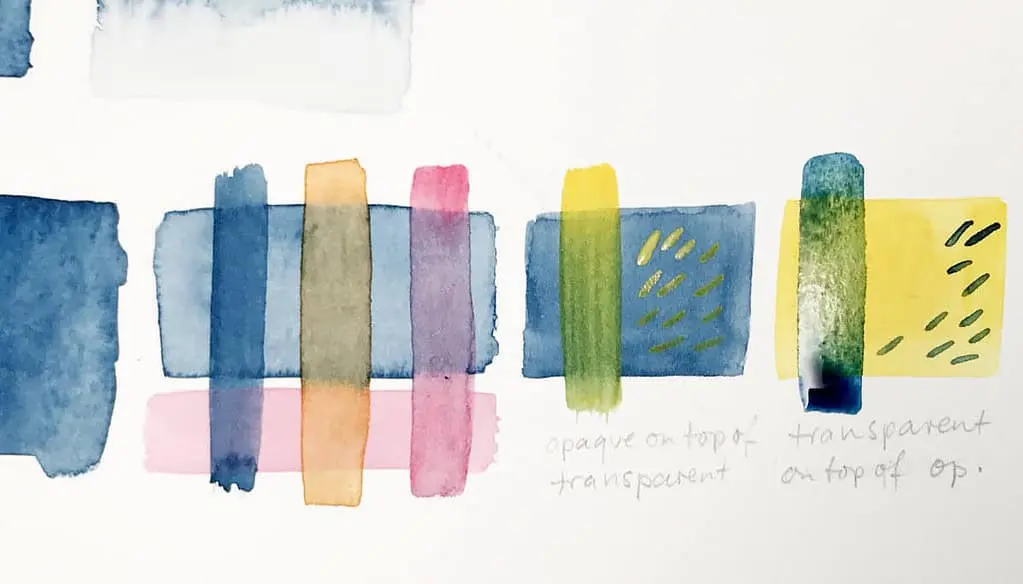
Layering watercolor involves applying successive washes of pigment once the previous layer has dried completely. This technique…
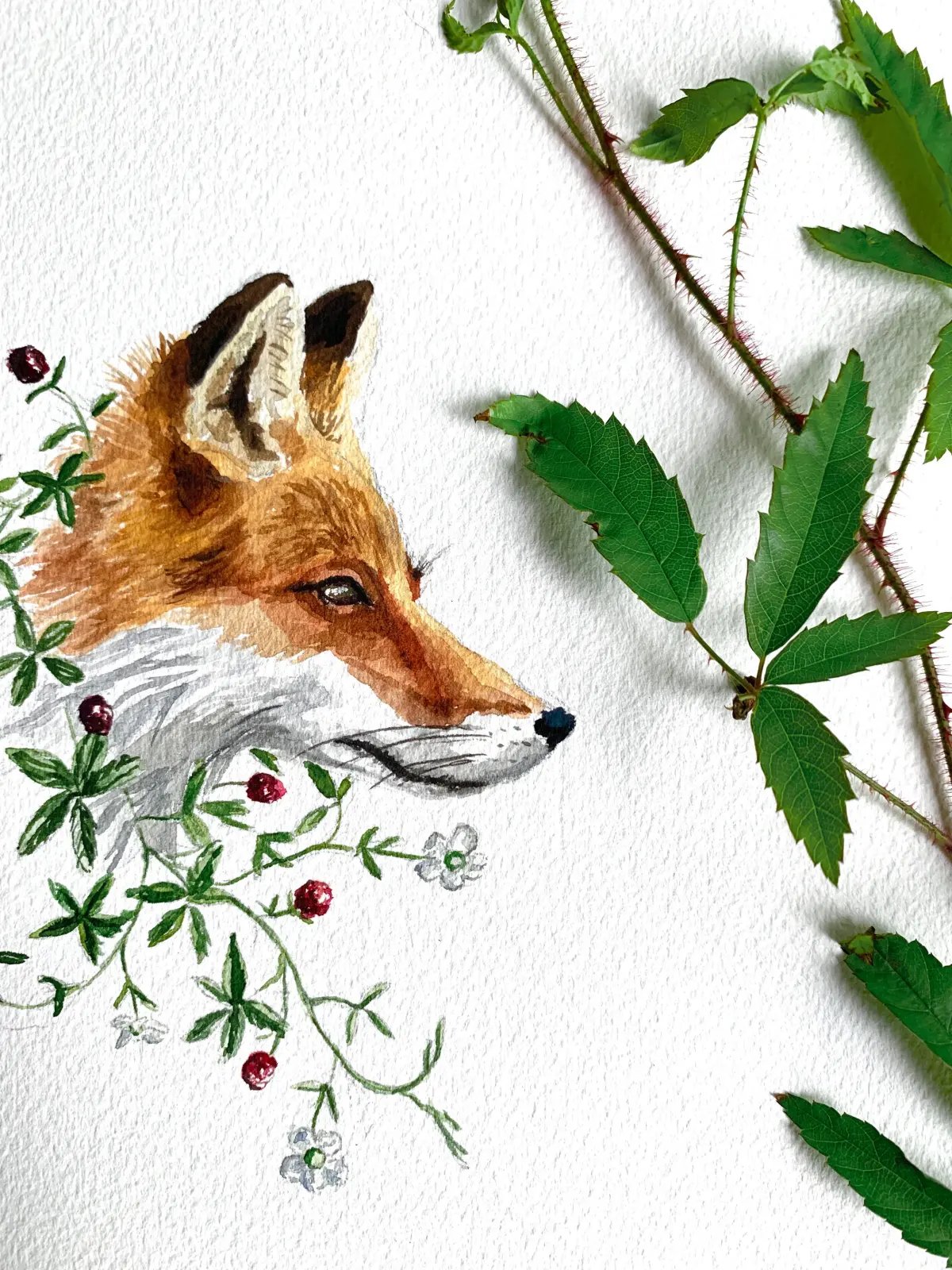
Painting a fox in watercolor requires layering transparent washes to build depth and texture. Begin with light, warm…
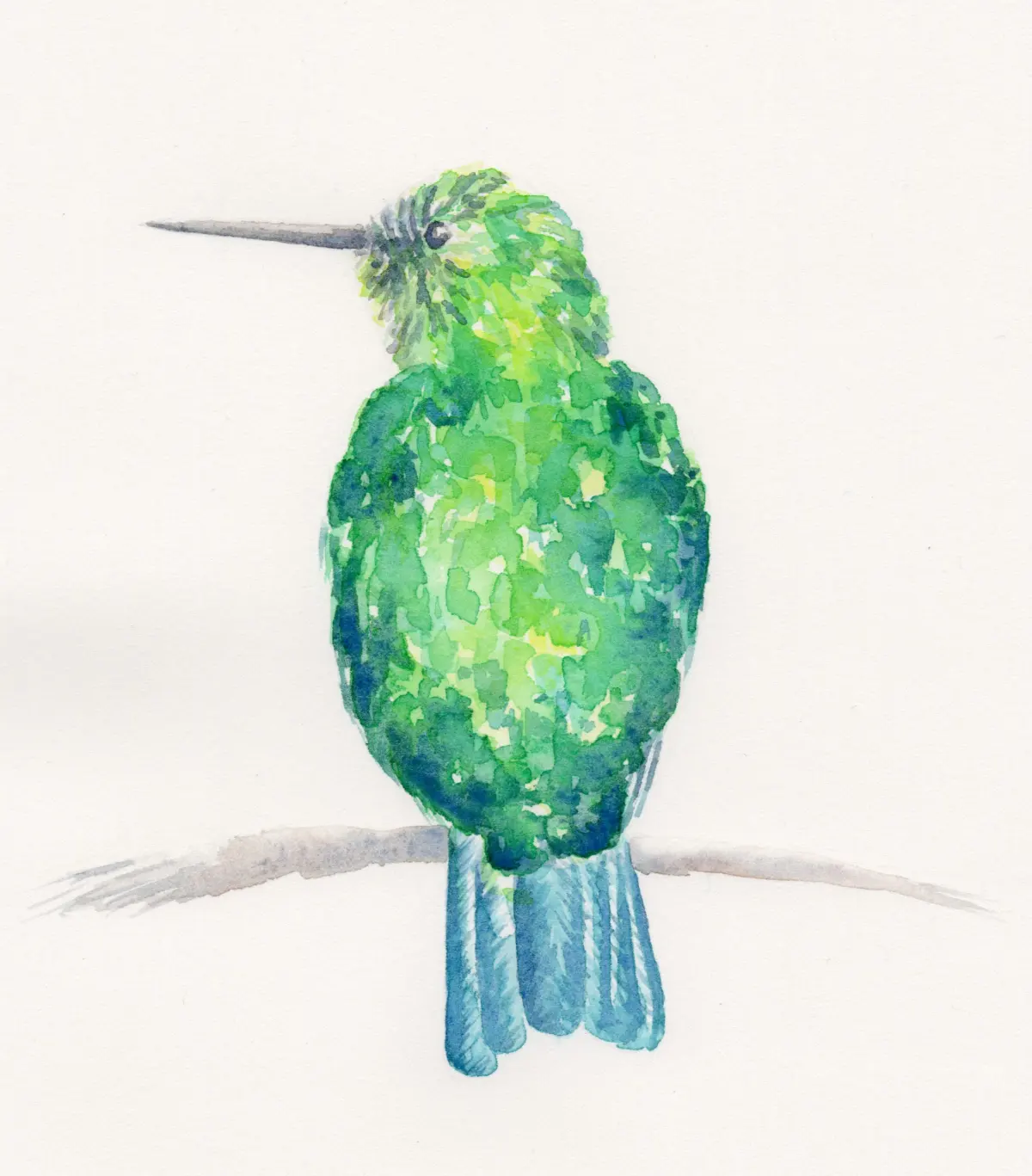
Painting a hummingbird in watercolor requires layering transparent washes to build vibrant, iridescent plumage. Begin by…
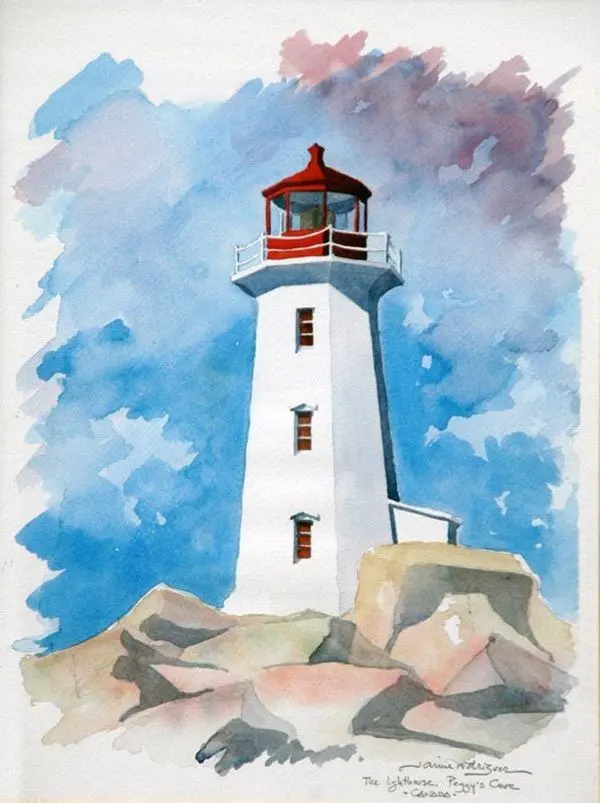
Painting a lighthouse in watercolor requires careful planning of light and shadow to establish structural form. Begin by…
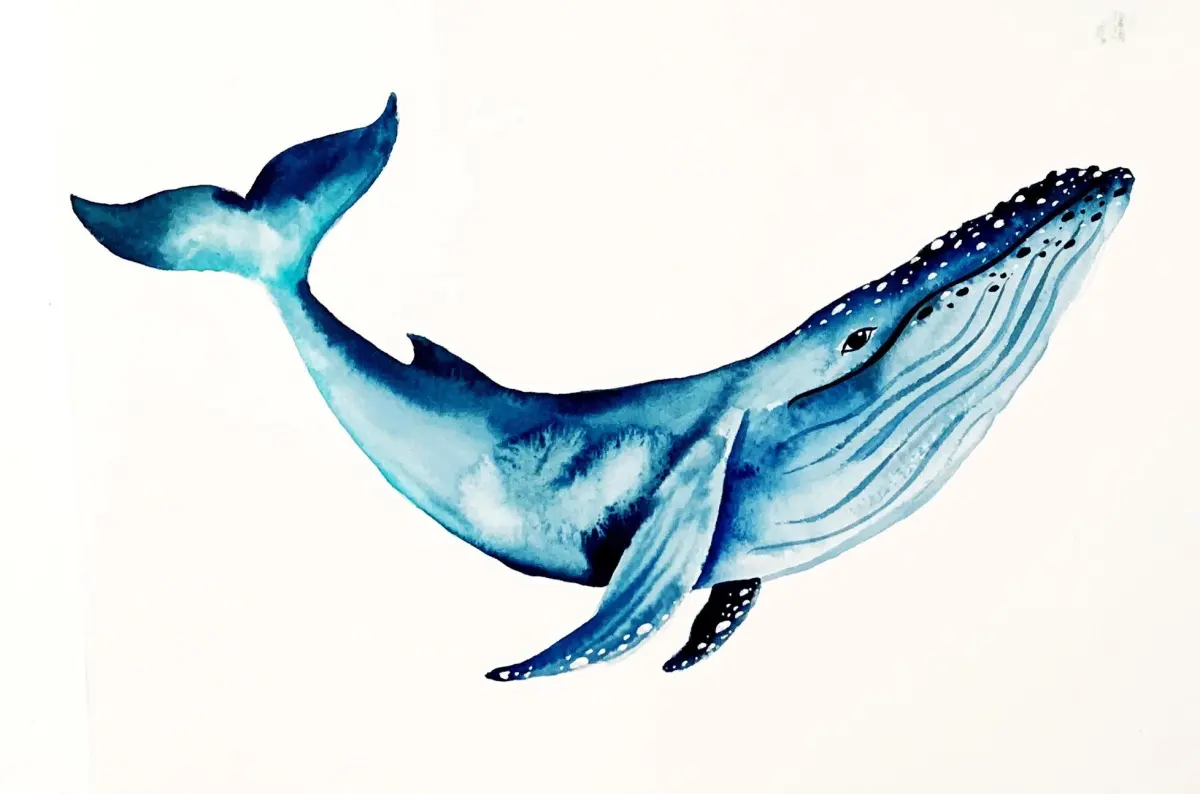
Painting a whale in watercolor requires layering washes to capture the animal's massive, fluid form. Begin by sketching the…
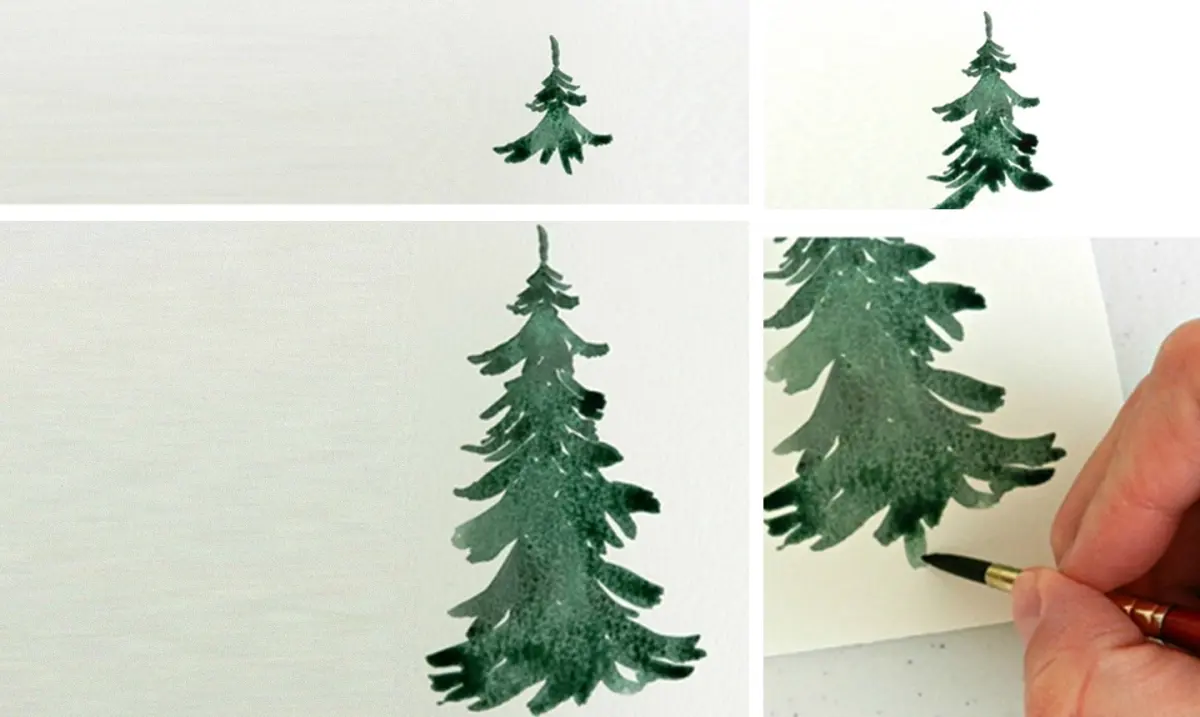
Painting a pine tree in watercolor requires building layers from light to dark using a dry-brush technique. Focus on creating a…
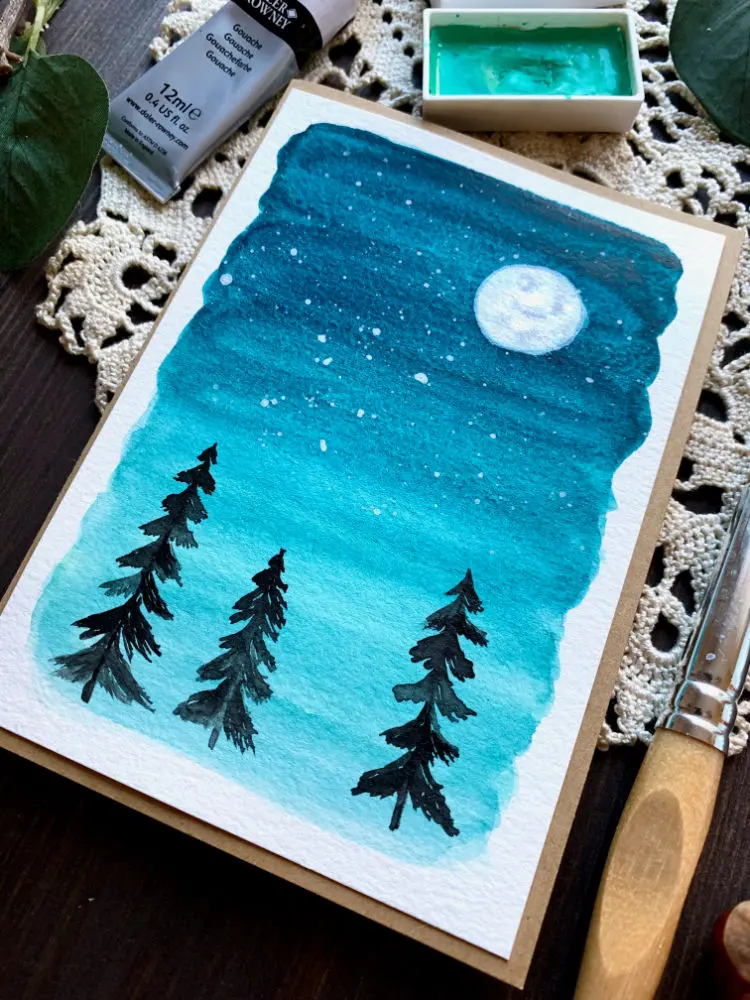
Painting a night sky with watercolor requires layering transparent pigments using the wet-on-wet technique. By applying dark…