How do you paint white in watercolor?
Short answer
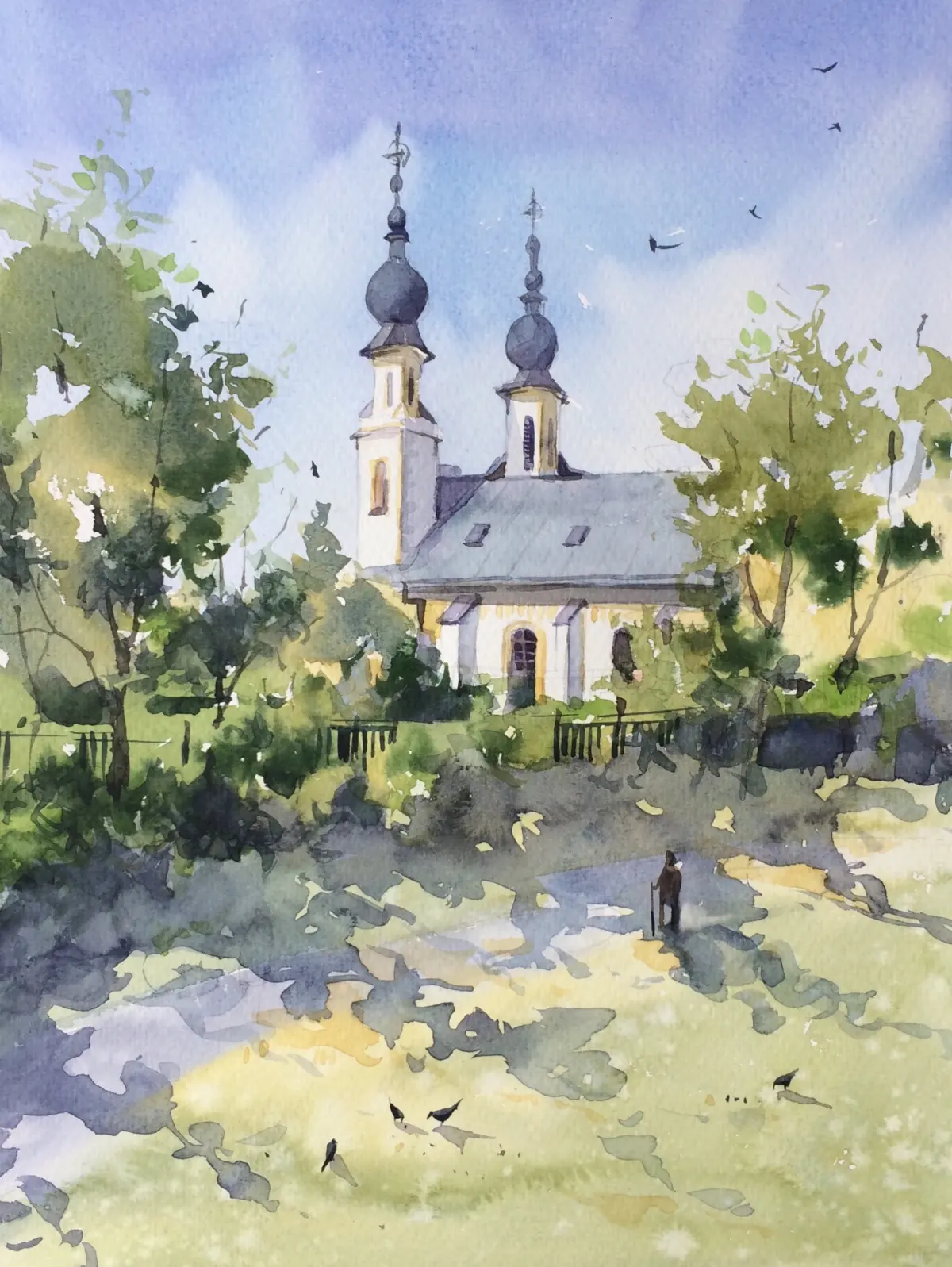
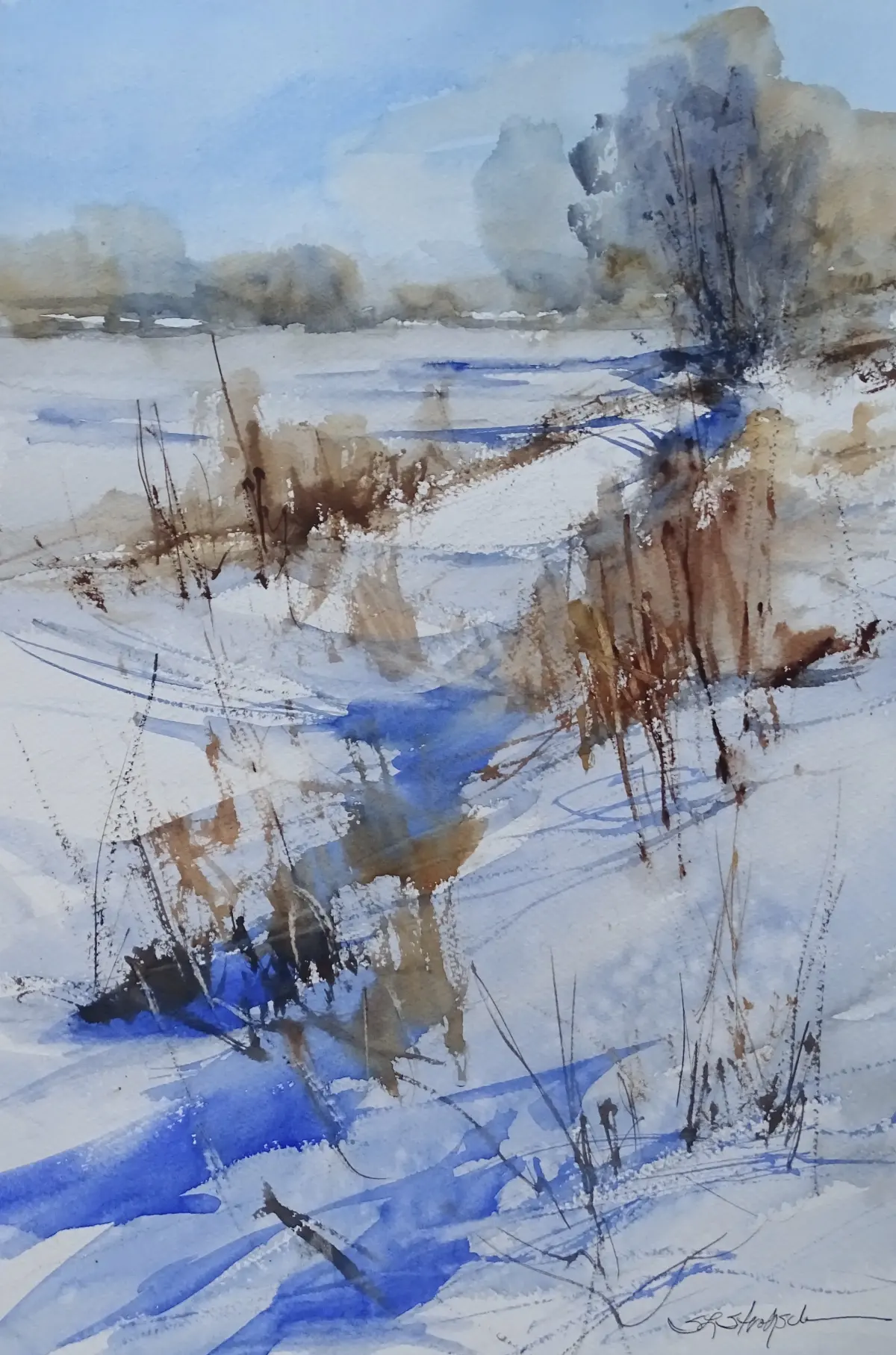
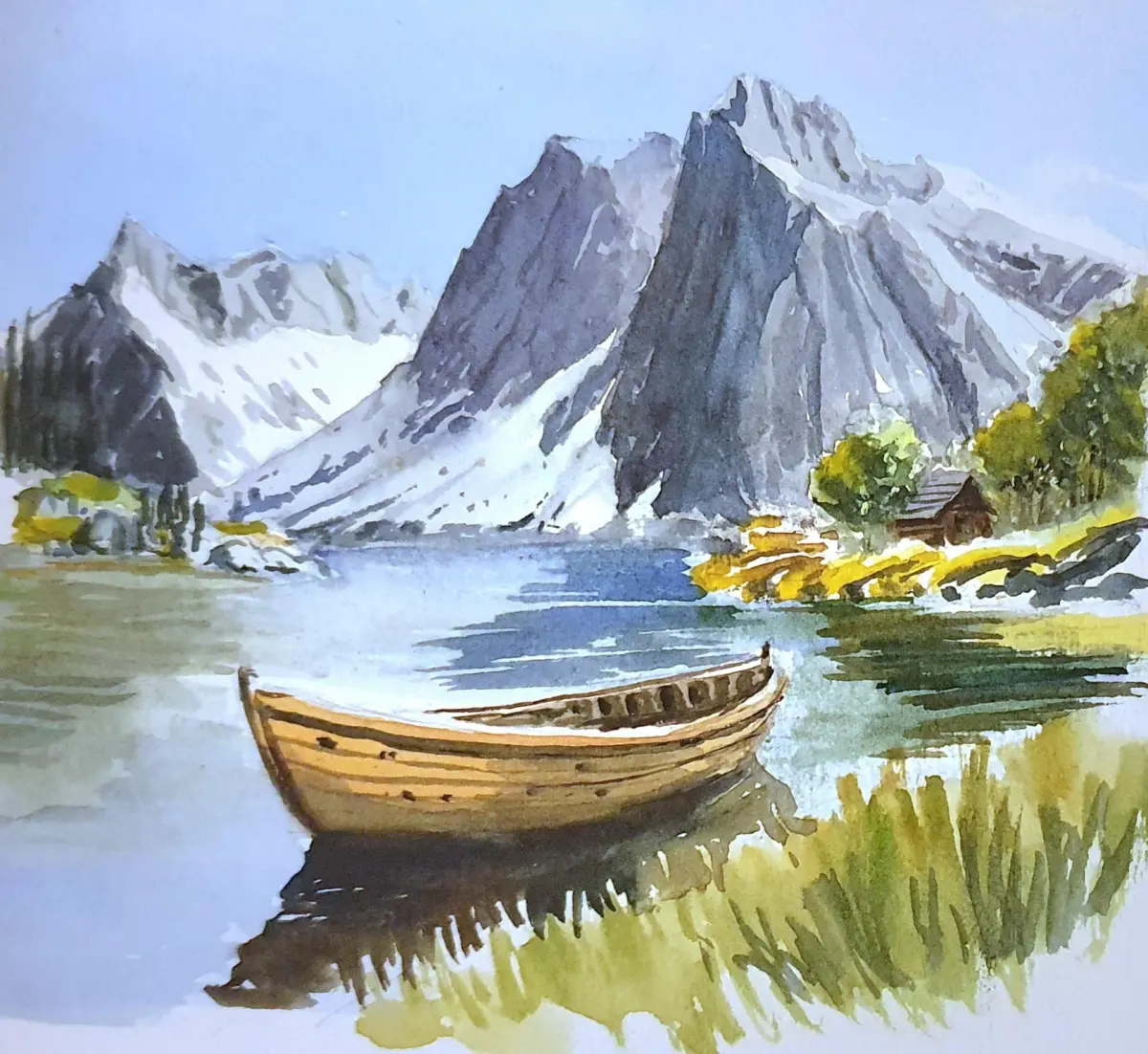
In traditional watercolor painting, white is achieved by preserving the unpainted surface of the paper rather than applying white pigment. Because watercolors are transparent, light reflects off the white paper through the layers of color. Artists also use opaque white media, such as gouache or acrylic, for highlights and corrections.
On this page
Why is white not used in watercolor?
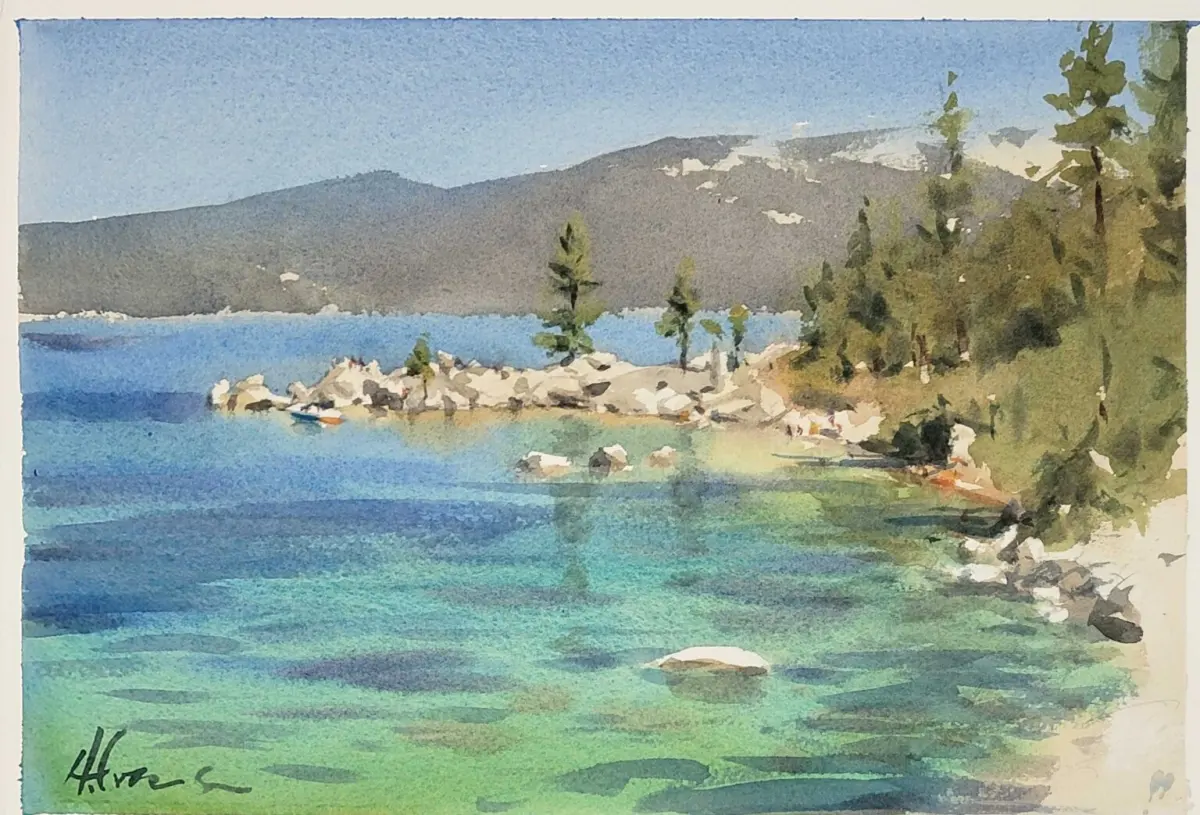
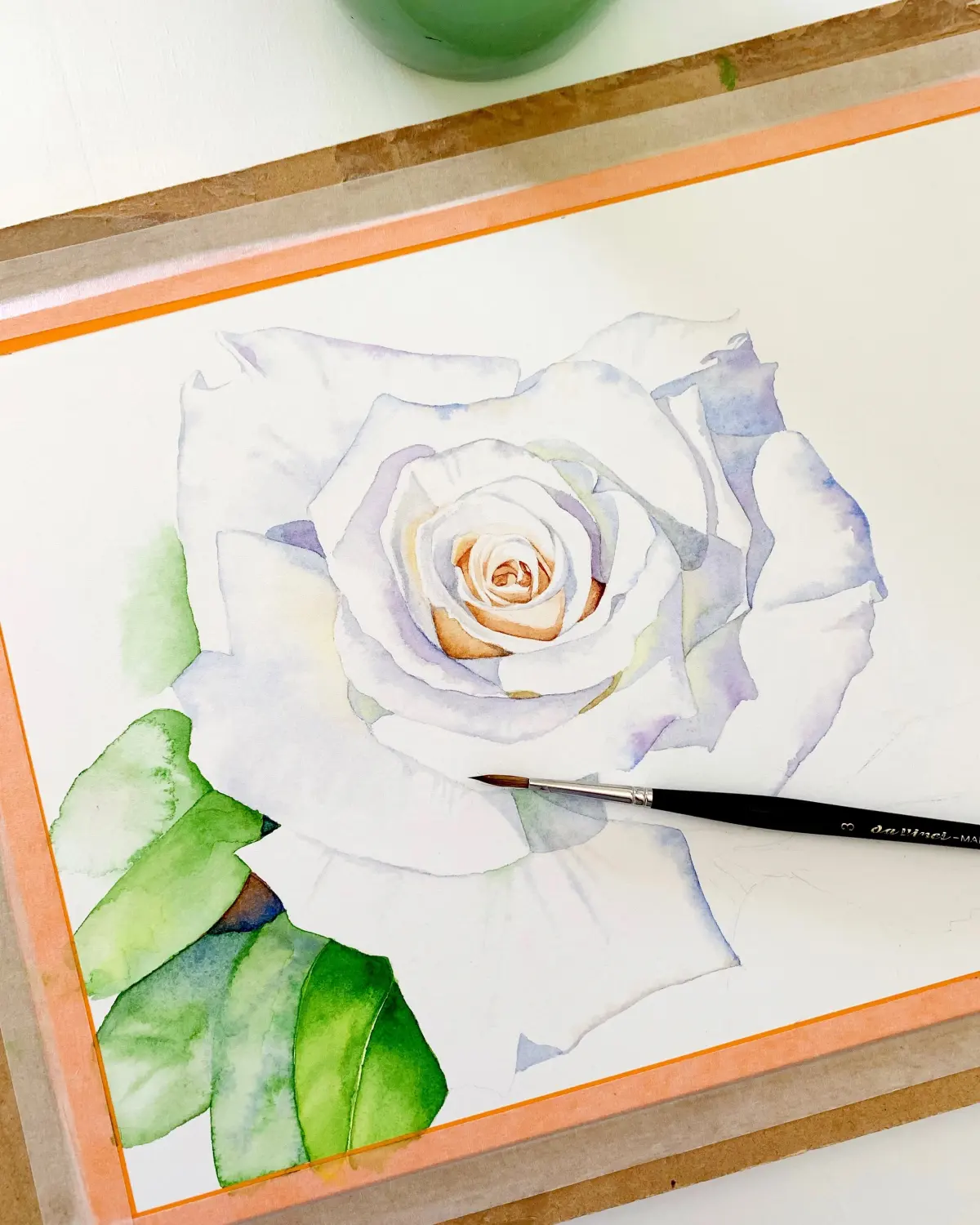
Traditional watercolor technique relies on the transparency of the paint. Unlike oil or acrylic paints, which are opaque and can be layered from dark to light, watercolors are designed to be translucent. The white of the paper acts as the primary light source in the painting. When you apply a wash of color, the light passes through the pigment, hits the white paper, and bounces back to the viewer’s eye. If you were to mix a white pigment into your colors, you would create an opaque, pastel-like consistency that obscures the paper’s luminosity.
This method requires a shift in mindset for artists accustomed to other mediums. You must plan your composition in advance, identifying which areas need to remain bright before you begin painting. Once a dark color is applied to the paper, it is nearly impossible to return to the original brightness of the substrate. This subtractive process is what gives watercolor its unique, glowing quality that is difficult to replicate with opaque paints.
How to preserve white space in watercolor
The most effective way to keep your whites clean is to work around them. This requires careful planning and a steady hand. Many artists use a light graphite pencil to outline areas that must remain untouched. By painting around these shapes, you ensure that the paper remains pristine and ready to reflect light.
- Sketch your subject lightly, marking the exact boundaries of your highlights.
- Apply your washes carefully, stopping just before you reach the pencil lines.
- Use smaller brushes for intricate details to maintain control near the edges.
- If you accidentally paint over a highlight, lift the wet paint immediately with a clean, damp brush or a paper towel.
Practicing this technique helps you develop better brush control and patience. Over time, you will learn to visualize the final image as a series of negative spaces rather than just a collection of colored shapes.
Best tools for masking white areas
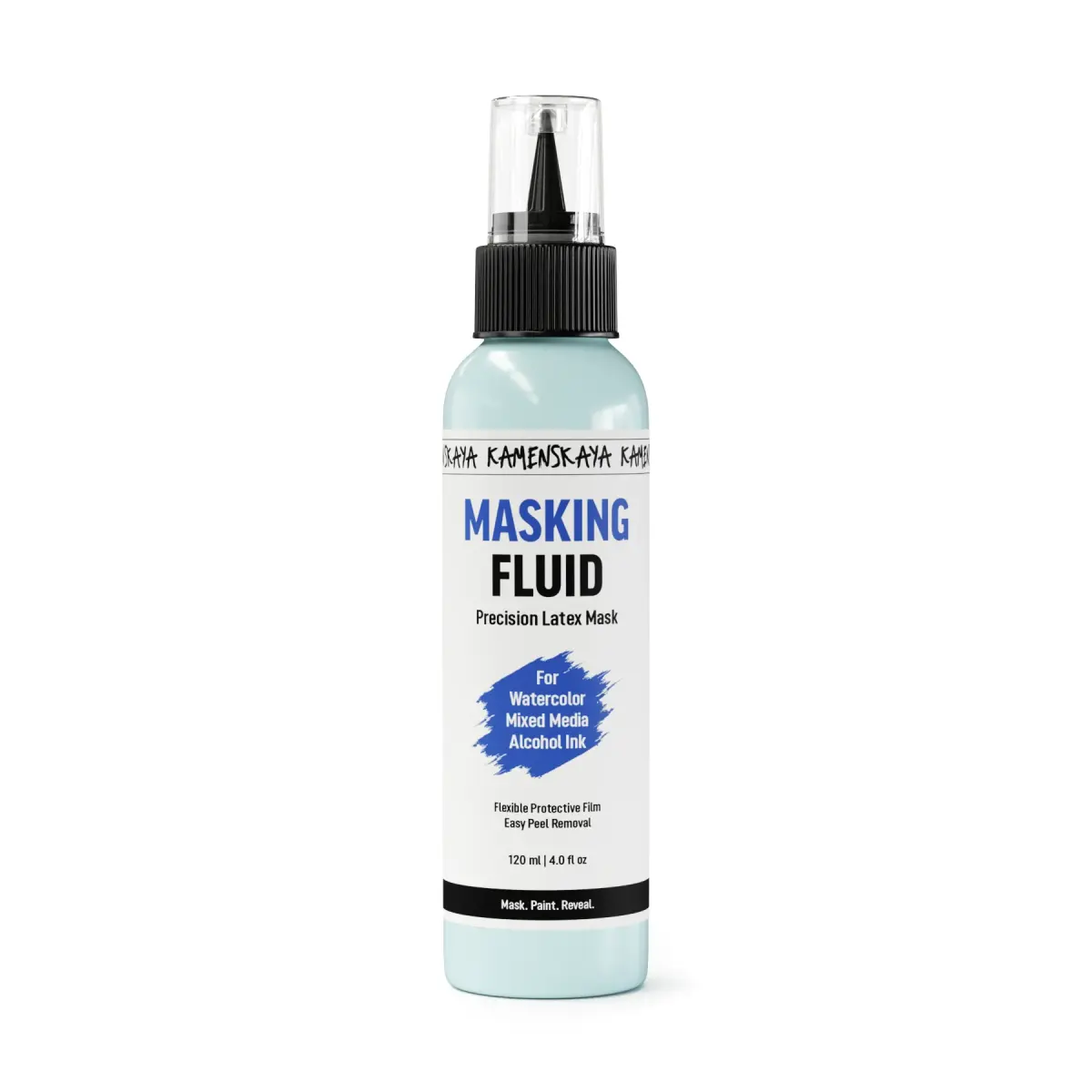
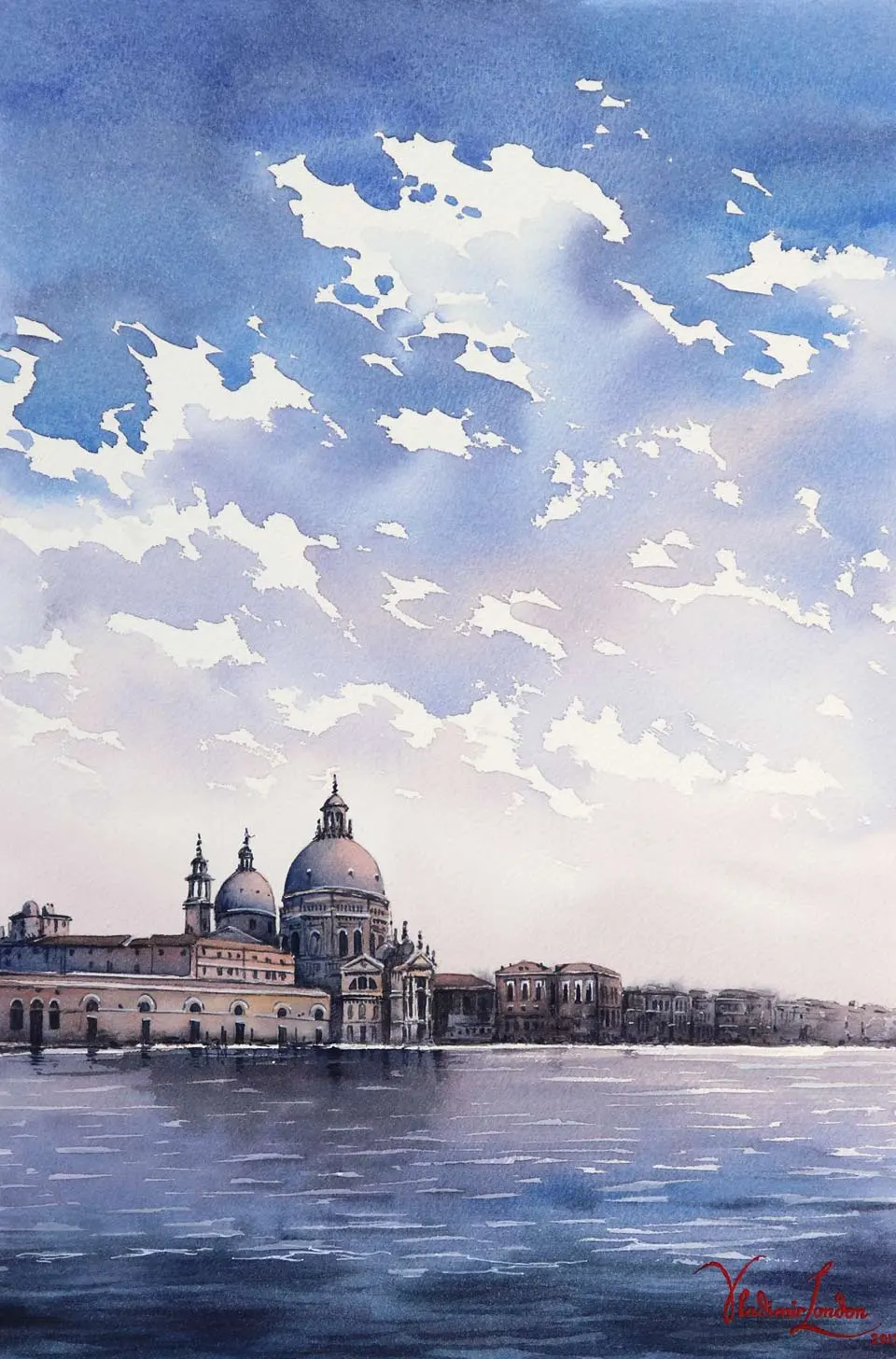
When a painting requires complex highlights, such as the sparkle on water or thin tree branches, physical masking becomes necessary. Masking fluid, a liquid latex product, is the industry standard for this task. It creates a temporary waterproof barrier on the paper, allowing you to paint freely over the masked area without staining the surface beneath. Once the paint is completely dry, you simply rub the latex away with your finger or a rubber cement pickup tool to reveal the clean, white paper underneath.
- Apply masking fluid with an old brush or a silicone color shaper, as it can ruin high-quality sable brushes.
- Ensure the paper is bone-dry before applying the fluid to prevent tearing the surface fibers upon removal.
- Do not leave masking fluid on your paper for more than 48 hours, as it can become difficult to remove and may damage the paper sizing.
- Test the fluid on a scrap piece of paper first to ensure it does not stain or leave residue.
Using opaque white for highlights
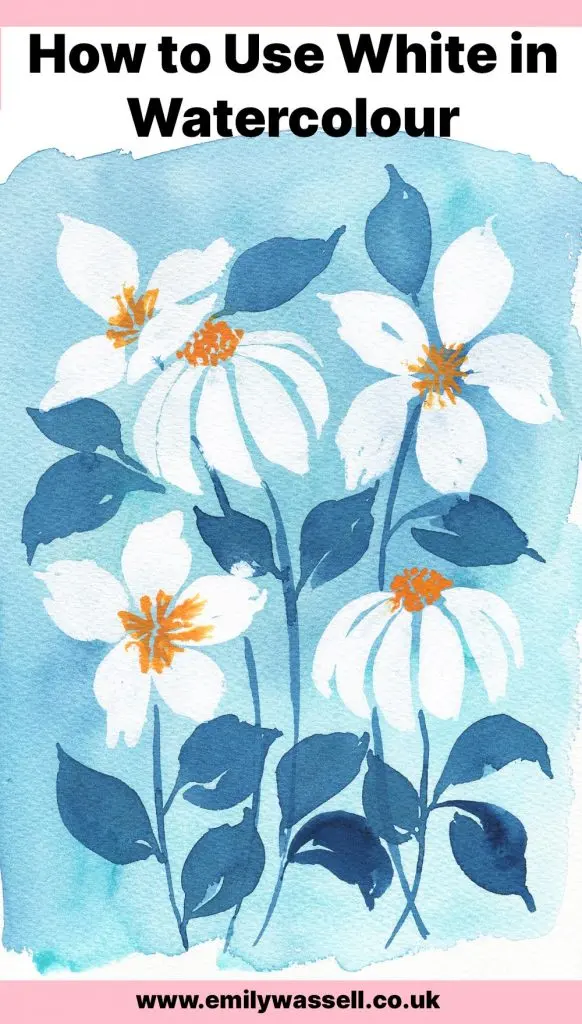
While traditionalists prefer to reserve white paper, many artists use opaque white media for final touches. Chinese white (a transparent zinc white) or Titanium white (a highly opaque pigment) are common additions to an artist's kit. These are often used for small, sharp highlights like the glint in an eye or the reflection on a metal surface. Because these pigments are opaque, they sit on top of the dried watercolor layers, providing a crisp contrast that is difficult to achieve otherwise.
Gouache is frequently used in combination with watercolor for this purpose. Since gouache is essentially an opaque watercolor, it blends seamlessly with the medium while providing the necessary coverage to hide darker underlying tones. However, use these sparingly. Overusing opaque white can make a watercolor painting look chalky or muddy, effectively killing the transparency that makes the medium so appealing. Use a fine-tipped round brush to apply these highlights only where they are absolutely necessary to provide a focal point.
Common mistakes when painting white
One of the most frequent errors is failing to protect the paper from stray pigment. Even a small drop of paint can ruin a carefully planned white area. Always keep a clean water container and a dedicated "lifting" brush nearby to address accidents immediately. Another mistake is over-working the paper. If you scrub the surface too hard while trying to lift paint, you will damage the paper fibers, making it impossible to achieve a smooth, bright white. This creates a fuzzy, dull area that will never look like a clean highlight.
- Avoid using cheap, low-quality paper, as it does not handle lifting or masking fluid well.
- Do not apply masking fluid on top of paint; it must be applied directly to the paper surface.
- Remember that white paint is for corrections or final highlights, not for mixing into your main color palette.
- Always wait for the paint to dry completely before removing masking fluid to avoid smearing the surrounding colors.
By respecting the white of the paper and using opaque media only as a final, strategic tool, you can master the balance of light and shadow in your work.
Key facts
- Watercolor is a transparent medium, meaning you cannot paint white over darker colors to achieve opacity.
- The "white" in a watercolor painting is typically the unpainted surface of the paper itself.
- Masking fluid is a liquid latex product used to cover areas you want to keep white before applying washes.
- Lifting involves using a clean, damp brush or a sponge to remove wet or semi-dry pigment from the paper.
- Opaque mediums like gouache or white ink can be added as a final touch for highlights, though this is technically mixed media.
- A scalpel or craft knife can be used to gently scratch away dry paint to reveal the white paper underneath.
The bottom line
Mastering white in watercolor requires planning rather than application. By preserving the paper’s natural brightness through masking fluid or careful brushwork, you maintain the medium's characteristic luminosity. While techniques like lifting or using opaque gouache offer ways to correct or add highlights, the most effective approach remains reserving the white of the paper from the very beginning of your creative process.
People also ask
Can I use white watercolor paint from a tube?
Yes, but white watercolor is often semi-transparent and will not effectively cover dark colors. It is best used for mixing tints or creating soft, misty effects rather than bright highlights.
What is the best paper for preserving white highlights?
High-quality 100% cotton cold-press or hot-press watercolor paper is ideal. These papers are durable enough to withstand scrubbing or scratching if you need to recover white areas.
How do I prevent masking fluid from ruining my brushes?
Always coat your brush in dish soap before dipping it into the masking fluid. This creates a barrier that prevents the latex from sticking to the bristles.
Is it possible to paint white over a dark background?
You cannot achieve this with standard transparent watercolors. You must use an opaque medium like titanium white gouache or acrylic ink to sit on top of the dried paint.
Why does my paper turn gray when I try to lift paint?
This usually happens because the pigment has stained the paper fibers or you are using a low-quality paper. Always test the staining properties of your pigments before committing to a painting.
How long should I leave masking fluid on the paper?
You should remove masking fluid as soon as the painting is completely dry. Leaving it on for more than a few days can cause it to bond permanently to the paper.
This answer was created with the help of AI research tools and reference sources. Spotted an error? Let us know — we correct mistakes quickly. See our editorial policy.