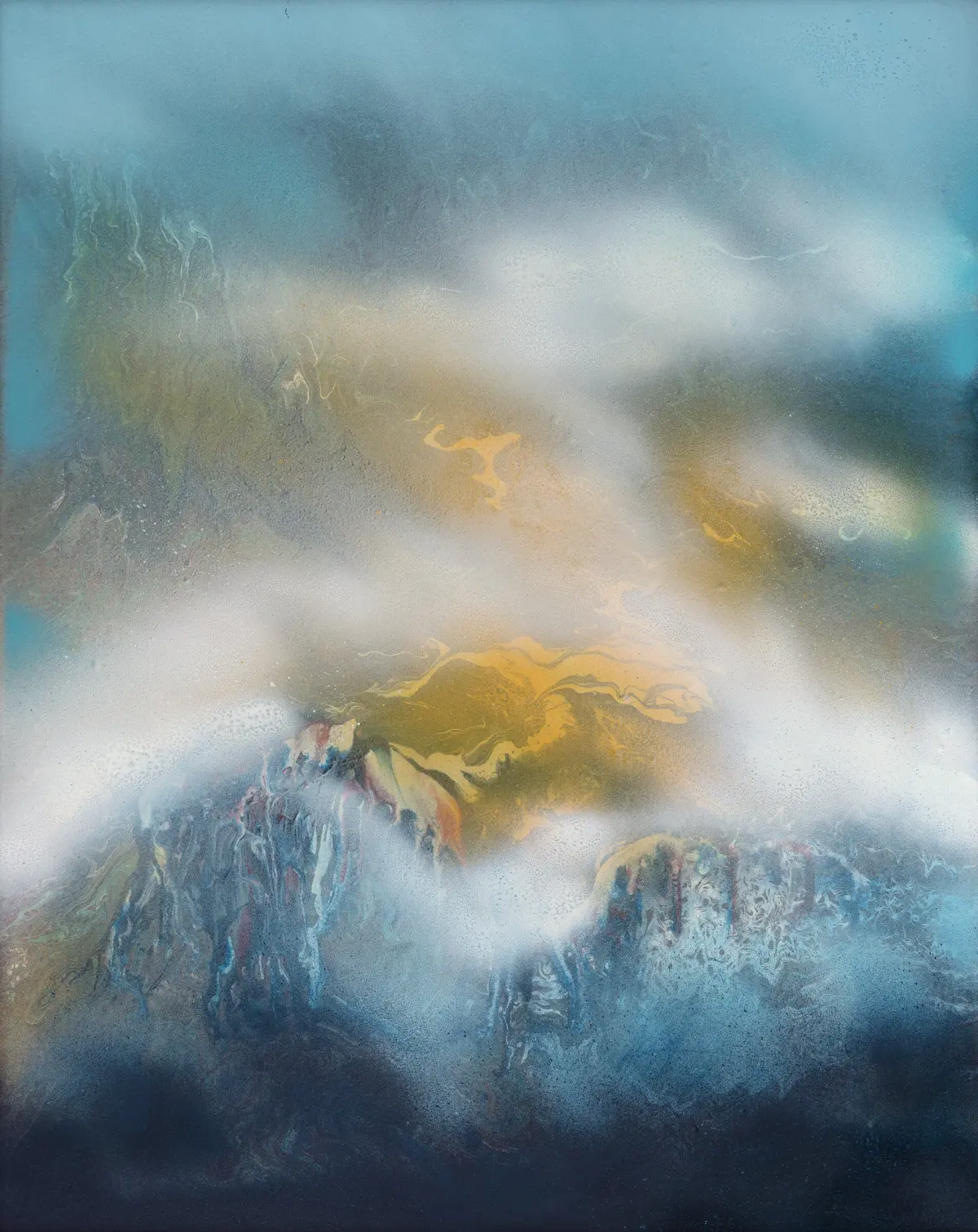
How do you paint highlights in watercolor?
Short answer
Painting highlights in watercolor requires preserving the white of the paper or using opaque additives. Since watercolor is transparent, you must plan your lightest areas before applying pigment. Techniques include painting around white spaces, using masking fluid, or applying opaque white gouache as a final layer to regain lost brightness.
On this page
How to preserve white space in watercolor
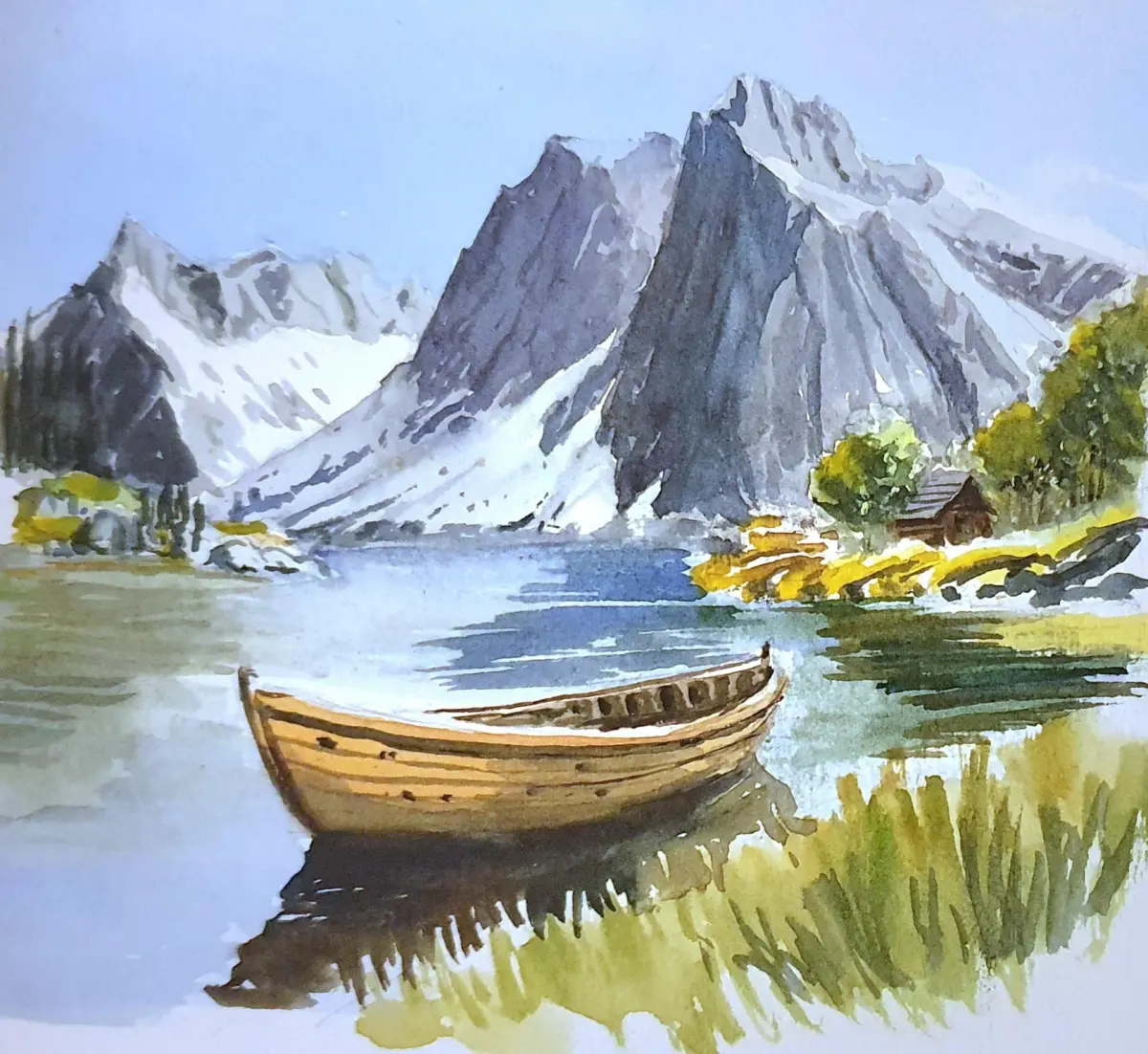
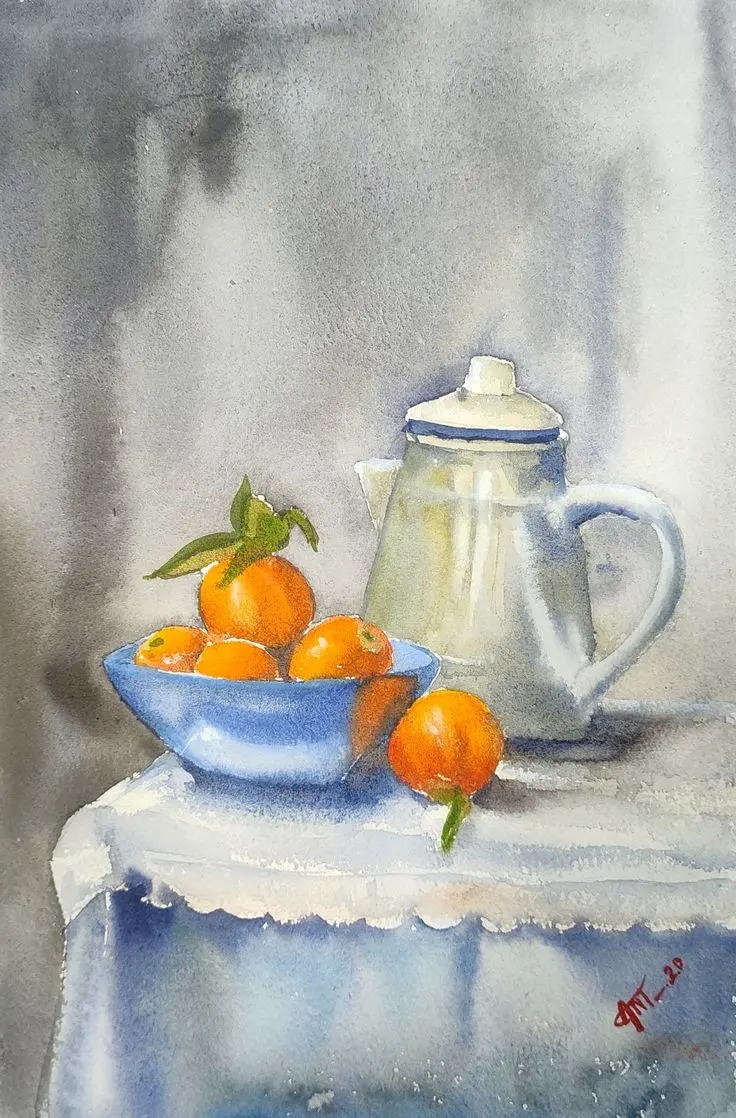
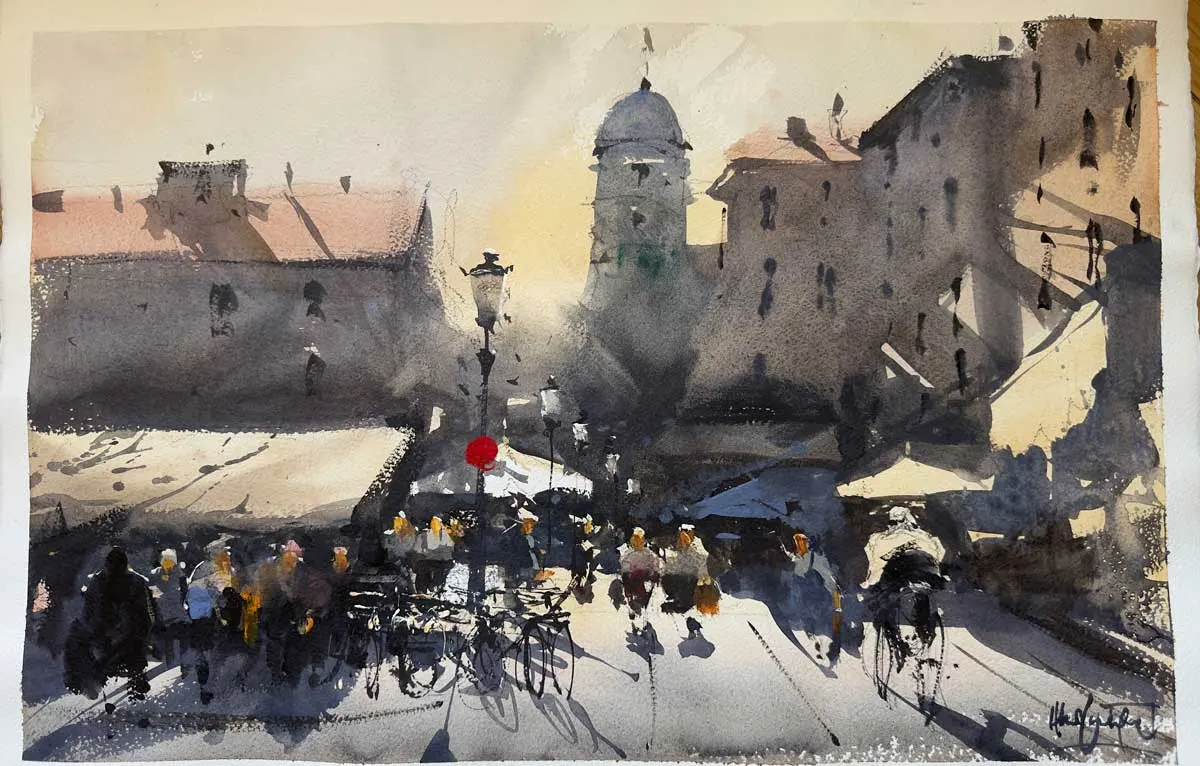
The most fundamental method for creating highlights in watercolor is known as "painting around" the light. Because the medium relies on the luminosity of the paper shining through transparent layers of pigment, you must leave the paper untouched where you want the brightest reflections. This requires advanced planning, as you must identify your light sources before you begin your first wash.
To master this technique, practice leaving small, jagged, or rounded shapes of dry paper within your composition. If you accidentally paint over a highlight, the paper will absorb the color, making it nearly impossible to return to pure white. Many artists use a light graphite pencil to outline these areas, ensuring they remain vigilant throughout the painting process.
- Sketch your subject lightly, marking the exact boundaries of your highlights.
- Apply your lightest washes first, carefully steering your brush around the marked areas.
- Gradually build up darker tones to create contrast, which makes the preserved white paper appear even brighter.
How to use masking fluid for highlights
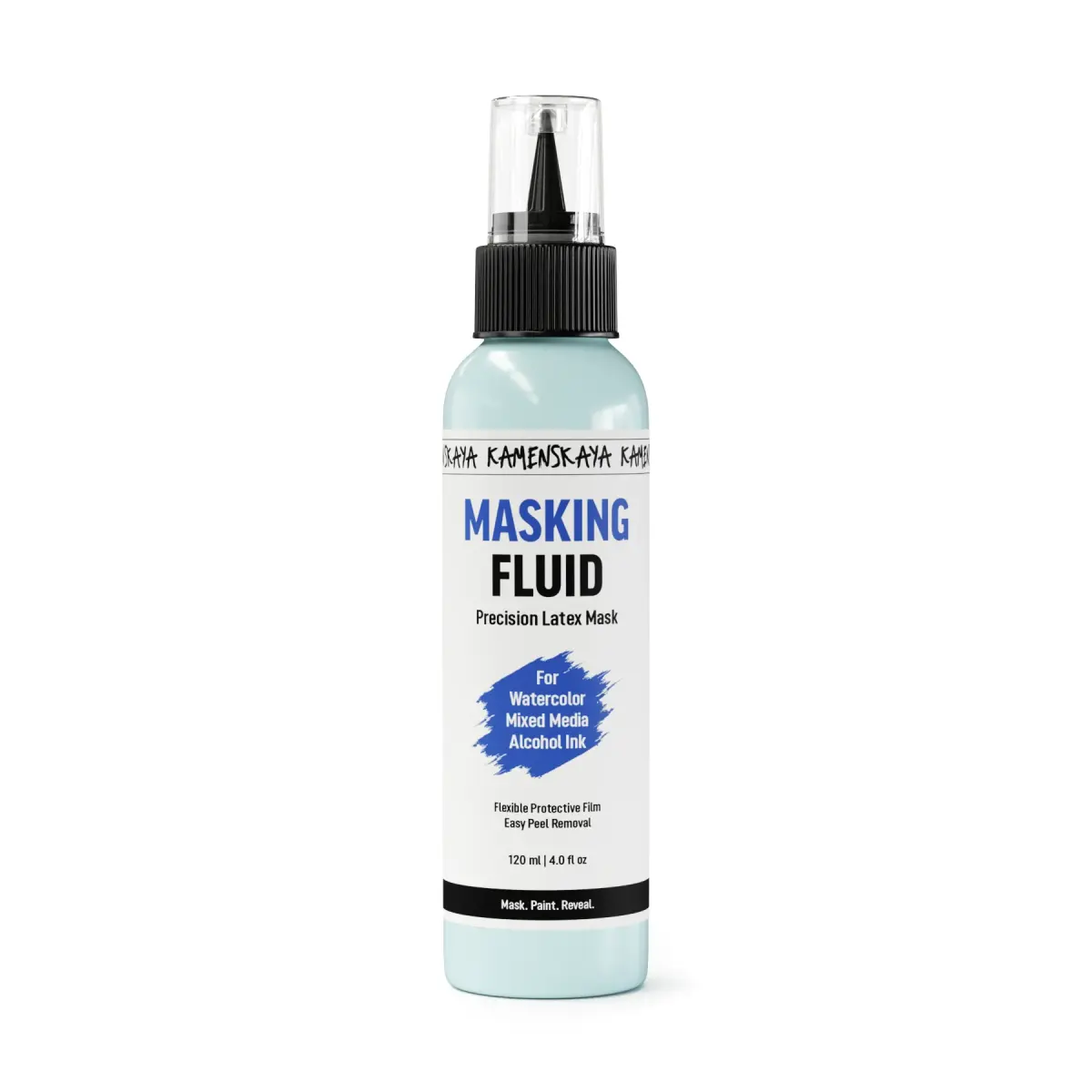
Masking fluid is a liquid latex-based product that creates a waterproof barrier on the paper. It is essential for artists who want to paint loose, expressive washes without worrying about accidentally covering intricate highlights like sparkles on water or thin blades of grass. Once the fluid dries, you can paint over it freely, safe in the knowledge that the paper beneath remains protected.
When using masking fluid, apply it with an old brush or a silicone color shaper, as it can ruin high-quality sable brushes. Ensure the paper is completely dry before application, or the fluid may tear the fibers when removed. Once your painting is fully dry, use a clean finger or a rubber cement pickup tool to gently rub the dried latex off the surface.
- Shake the bottle gently before use to ensure consistent viscosity.
- Dilute the fluid with a small amount of water if you need finer lines.
- Remove the masking fluid within 24 to 48 hours to prevent it from bonding too permanently to the paper.
Why highlights look dull in watercolor
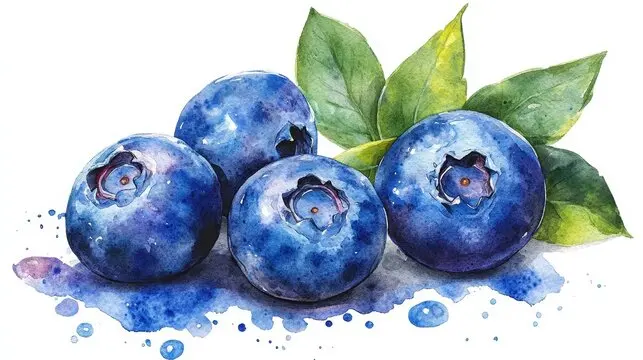
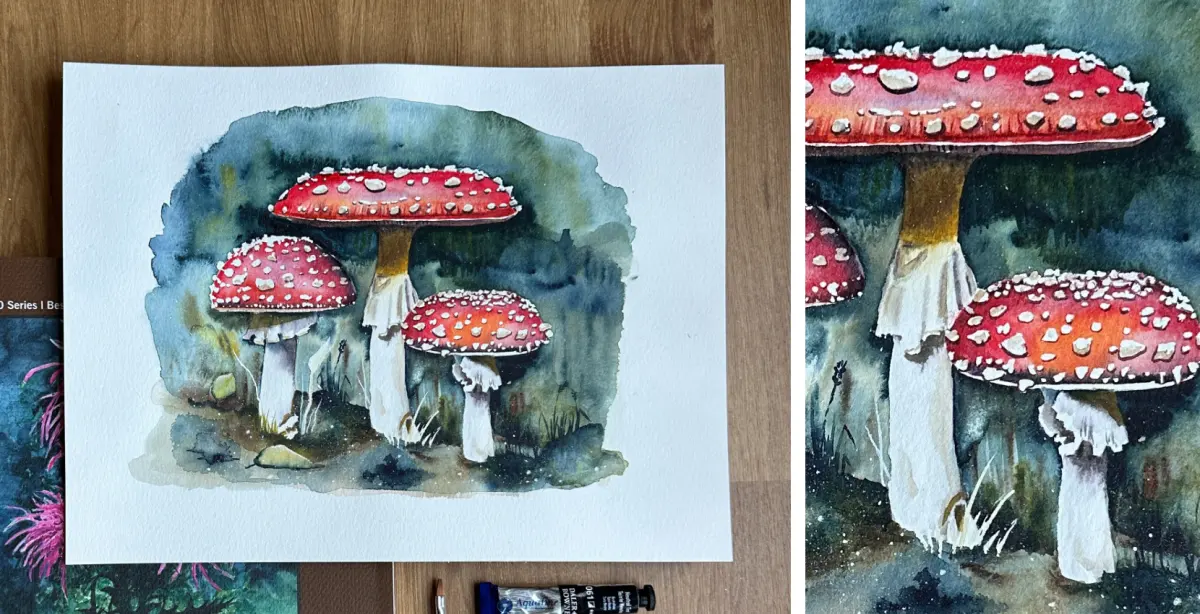
Highlights often lose their impact when the surrounding values are not dark enough to provide sufficient contrast. If your painting consists primarily of mid-tones, the white of the paper will appear gray or muted by comparison. To make a highlight pop, you must push your darks to their full potential, creating a wide tonal range that forces the eye to notice the lightest areas.
Another reason for dull highlights is the accidental contamination of the paper surface. Oils from your hands, dust, or residue from previous washes can prevent the paper from appearing truly white. Always handle your paper by the edges and use a clean sheet of scrap paper under your hand while you work to prevent skin oils from affecting the paint's flow and clarity.
- Increase the pigment-to-water ratio in your shadows to create deep, rich contrast.
- Use a limited palette to ensure your colors remain clean and vibrant.
- Test your paint mixtures on a scrap piece of the same paper before applying them to your final work.
How to add highlights with opaque paint
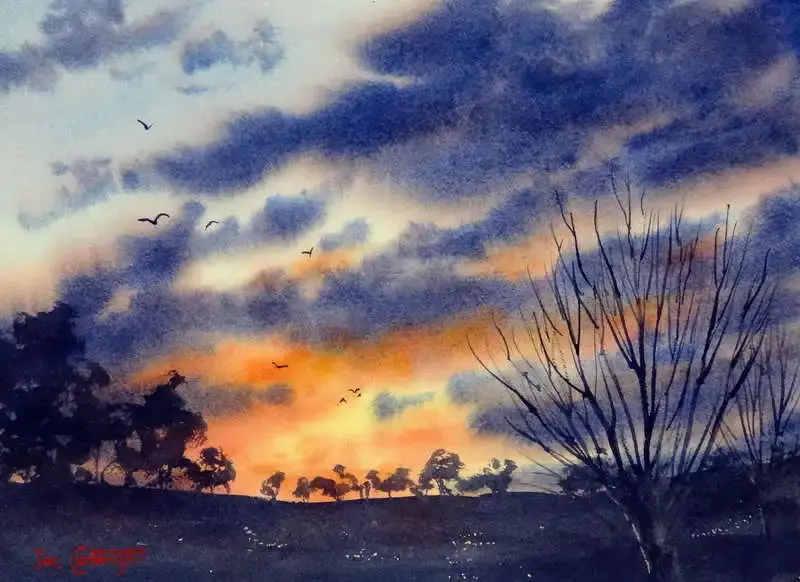
When you have lost a highlight or need to add fine details like whiskers or reflections after the painting is finished, opaque white paint is the standard solution. While traditional watercolor is transparent, artists frequently use white gouache or acrylic ink to "lift" light back into a composition. These mediums are thick enough to sit on top of the dried watercolor, effectively covering the underlying pigment.
Apply these opaque highlights sparingly, as they can look chalky if overused. A small, round synthetic brush is ideal for adding crisp, sharp points of light. If the white is too stark, you can mix a tiny amount of your base color into the white paint to harmonize it with the rest of the painting, ensuring the highlight feels like a natural part of the scene.
- Ensure the underlying watercolor layer is bone dry.
- Load a fine-tipped brush with a creamy consistency of white gouache.
- Apply the highlight with a single, confident stroke to maintain a clean edge.
Common mistakes when painting highlights
One of the most frequent errors is attempting to "scrub" out highlights after the paint has dried. While some staining colors can be lifted with a damp brush, most professional-grade watercolors are designed to bond with the paper fibers. Scrubbing often results in damaged, fuzzy paper textures that will not hold paint well in the future and will never return to the original white.
Another common mistake is applying highlights that are too large or too numerous. Highlights should be used to describe form and direction, not merely to decorate the surface. By scattering too many bright spots across your work, you lose the focal point and create a chaotic visual experience. Always evaluate your highlights in relation to the main subject to ensure they serve the overall composition rather than distracting from it.
Key facts
- Watercolor is a transparent medium, meaning the white of the paper serves as the primary highlight.
- Masking fluid is a liquid latex that protects specific areas of the paper from absorbing pigment.
- Opaque white media, such as gouache or acrylic ink, can be applied over dried watercolor layers to create sharp highlights.
- Lifting involves removing wet or damp paint with a clean, moist brush or a paper towel to reveal lighter values.
- Scoring the paper surface with a sharp tool before painting creates white lines that resist pigment absorption.
- Wax resist, such as a white crayon or candle, prevents paint from adhering to the paper in specific patterns.
The bottom line
Mastering highlights in watercolor requires foresight, as the medium relies on the paper’s inherent brightness. By strategically preserving white space, utilizing masking fluids, or employing subtractive techniques like lifting, you can create luminous effects. Whether you choose to protect the paper beforehand or add opaque highlights afterward, the key is maintaining the transparency that defines the medium while ensuring your brightest values remain clean and distinct.
People also ask
Can I use bleach to create highlights in watercolor?
Yes, applying a tiny amount of household bleach to dried, staining pigments can lift color to create bright highlights. However, bleach can damage the paper fibers and yellow over time, so it should be used sparingly.
Should I paint from light to dark or dark to light?
Traditional watercolor technique requires working from light to dark because you cannot easily lighten a dark area once it is painted. You must plan your highlights before you begin to ensure they remain unpainted.
What is the best brush for lifting paint?
A stiff-bristled synthetic brush is most effective for scrubbing away pigment. Ensure the brush is damp but not dripping to avoid creating unwanted water blooms or cauliflower textures.
Why do my highlights look muddy when I try to lift them?
This usually happens if the paint has already stained the paper or if you are using too much water. Always use clean water and a light touch to avoid pushing pigment deeper into the paper grain.
Can I use white gel pens for highlights?
White gel pens are excellent for adding fine, precise details like glints in eyes or highlights on jewelry. They work best on completely dry, non-waxy surfaces to ensure the ink adheres properly.
Does masking fluid ruin brushes?
Masking fluid will permanently ruin a natural hair brush if it dries in the bristles. Always coat your brush in liquid soap before dipping it into masking fluid to make cleaning easier.
This answer was created with the help of AI research tools and reference sources. Spotted an error? Let us know — we correct mistakes quickly. See our editorial policy.