Why is Liberty Leading the People so famous?
Short answer
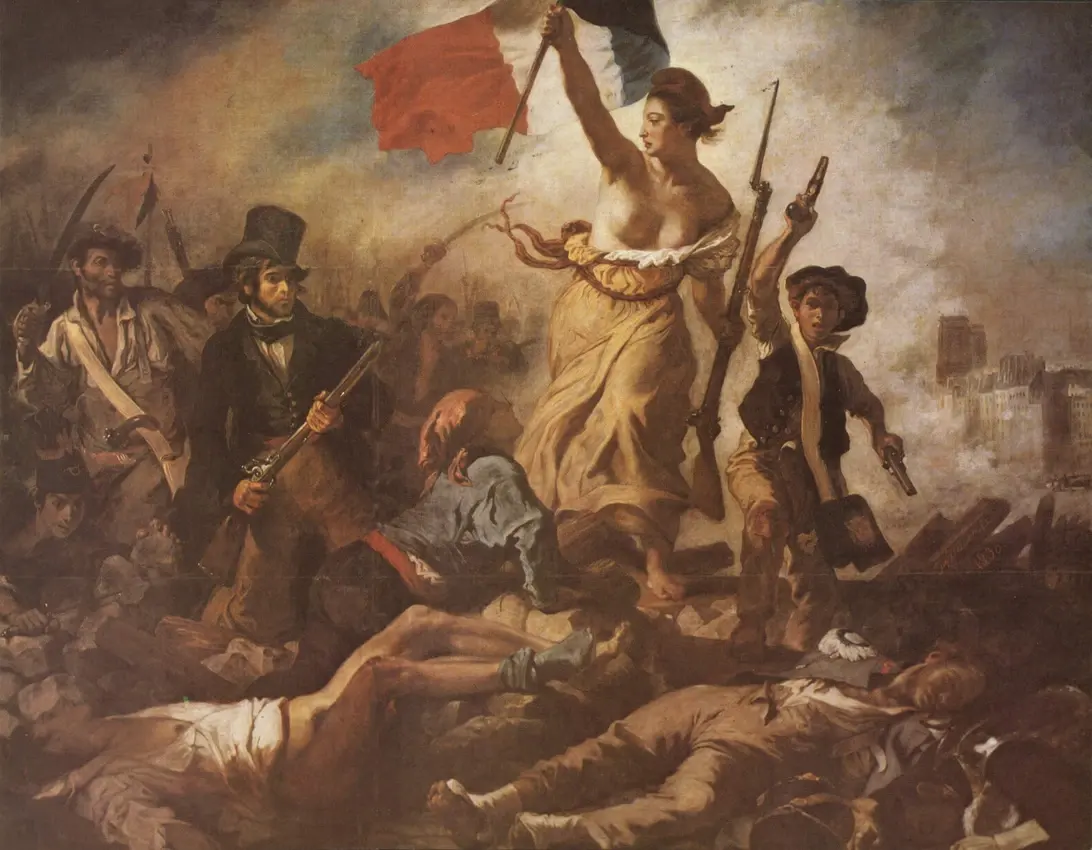
Eugène Delacroix’s Liberty Leading the People is famous for its powerful embodiment of the July Revolution of 1830. Its dynamic composition, symbolic representation of French republican ideals, and raw emotional intensity transformed it into a universal icon of political protest and the struggle for human liberty across global history.
On this page
Why is Liberty Leading the People so famous?
The painting achieved immediate fame because it captured the visceral spirit of the 1830 July Revolution, which overthrew the Bourbon Restoration. Eugène Delacroix intentionally moved away from the rigid, orderly style of Neoclassicism to embrace the emotional fervor of Romanticism. By depicting a diverse cross-section of Parisian society—including a student, a laborer, and a young boy—he transformed a specific political uprising into a timeless symbol of collective resistance against tyranny.
Its enduring legacy stems from its ability to transcend its historical context. The central figure, Marianne, serves as an allegorical personification of Liberty, wielding the French Tricolour flag. This imagery has been replicated in countless political cartoons, posters, and protest movements, cementing its status as the definitive visual shorthand for revolution. The painting remains a cornerstone of the Louvre museum, attracting millions of visitors who seek to connect with the raw, chaotic energy of the struggle for democratic rights.
How to analyze the symbolism in the painting
To understand the work, one must look at the specific figures Delacroix chose to include. Each person represents a different social class united by a singular cause, which was a radical concept for art in the 1830s. The painting acts as a visual manifesto for the democratic aspirations of the era, emphasizing that change is driven by the people rather than the elite.
- The central woman: Represents Liberty and the French Republic, wearing a Phrygian cap, a symbol of freedom.
- The man in the top hat: Often interpreted as a self-portrait of Delacroix or a representative of the bourgeois class.
- The boy with pistols: Known as the Gavroche figure, he symbolizes the youth and the future of the revolution.
- The fallen soldiers: Represent the heavy human cost and the sacrifice required to achieve political change.
By identifying these elements, viewers can see how Delacroix balanced the chaos of the battlefield with structured, pyramidal composition. This balance ensures that while the scene feels frantic and violent, the viewer’s eye is naturally drawn to the triumphant figure of Liberty at the apex.
What is the historical context of the 1830 Revolution?
The July Revolution, or "Les Trois Glorieuses," occurred over three days in July 1830. It was sparked by King Charles X’s attempts to restrict the press and dissolve the legislature, effectively rolling back the progress made since the French Revolution of 1789. The Parisian public, including artisans and intellectuals, took to the streets to build barricades and demand a constitutional monarchy.
Delacroix was not a direct participant in the fighting, but he was deeply moved by the courage of the citizens. He completed the work in late 1830, intending it to be a bold statement of support for the new regime of Louis-Philippe. However, the painting was so radical and potentially inflammatory that the government eventually removed it from public view for several years. It was feared that such a potent image of successful insurrection might inspire further unrest against the new king himself.
Common mistakes when interpreting the artwork
A frequent error is assuming the painting depicts the French Revolution of 1789. While it shares the same revolutionary spirit and the same flag, the clothing and the specific political grievances are distinct to the 1830 uprising. Confusing the two events ignores the specific nuances of the nineteenth-century struggle for constitutional rights versus the earlier fight against the monarchy.
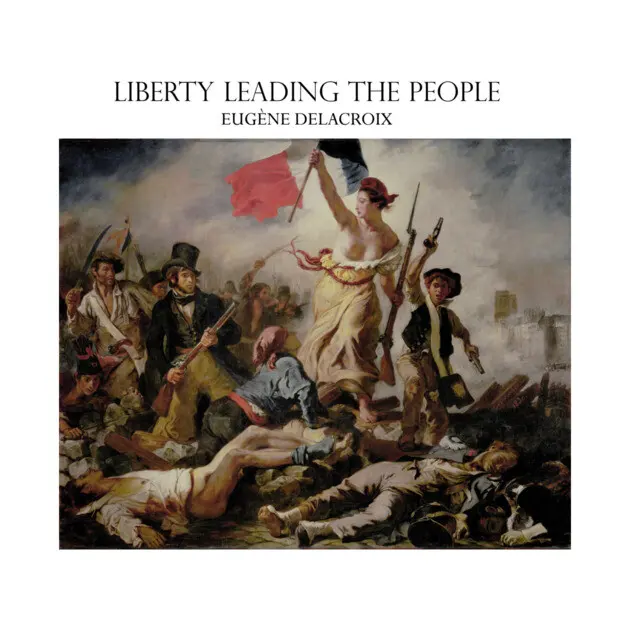
Another common mistake is viewing the painting as a strictly realistic depiction of a battle. Delacroix used artistic license to heighten the drama, such as the idealized appearance of Marianne and the dramatic lighting that highlights the foreground. If you are studying this piece, follow these steps to avoid misinterpretation:
- Research the specific decrees issued by Charles X that triggered the 1830 riots.
- Compare the attire of the figures to fashion plates from the 1830s to confirm the era.
- Distinguish between the artist’s personal political sympathies and the actual government response to the work.
- Note that the painting was purchased by the state but kept hidden for years, proving its perceived power as a catalyst for dissent.
Best ways to view the painting in person
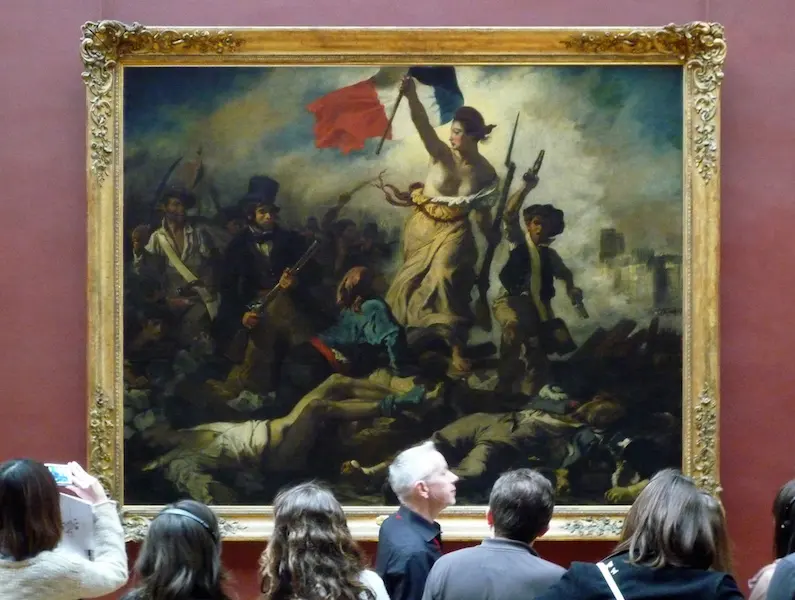
If you visit the Louvre in Paris, you will find the painting displayed in the Salle Mollien. Because it is a massive canvas—measuring roughly 8.5 by 10.5 feet—it is best viewed from a slight distance to appreciate the scale and the brushwork. Standing back allows you to see how the smoke and dust of the background blend with the sharp, bright colors of the flag.
When viewing the work, pay attention to the texture of the paint. Delacroix’s technique is energetic and loose, which contributes to the sense of movement and urgency in the scene. Avoid rushing past the canvas; instead, spend a few minutes tracing the lines of the composition to see how the artist leads your eye from the bodies in the foreground up to the raised flag. Understanding the physical presence of the painting is essential to grasping why it remains one of the most famous images in the history of Western art.
Key facts
- Eugene Delacroix painted Liberty Leading the People in 1830 to commemorate the July Revolution that overthrew King Charles X.
- The central figure is Marianne, a national symbol of the French Republic, who represents both liberty and the French people.
- The painting features a diverse group of revolutionaries, including a student, a worker, and a boy with pistols, showing the uprising was a collective effort.
- It measures approximately 8.5 feet by 10.7 feet, making it a massive, imposing canvas designed to capture the intensity of urban combat.
- The work was briefly censored by the French government after its debut because officials feared it would incite further political unrest.
- To appreciate the painting's composition, focus on the pyramidal structure that draws the viewer's eye from the fallen bodies at the bottom to the raised tricolor flag at the top.
The bottom line
Liberty Leading the People remains famous because it perfectly captures the spirit of revolutionary fervor through powerful symbolism and dynamic composition. By blending realistic depictions of urban combat with the idealized figure of Marianne, Delacroix created an enduring icon of democratic struggle. It serves as a visual bridge between the 1789 French Revolution and the modern era, reminding viewers of the human cost of political change.
People also ask
Is the woman in the painting a real person?
No, the woman is an allegorical figure known as Marianne, representing the abstract concept of Liberty rather than a specific historical individual.
Why is the French flag significant in the painting?
The tricolor flag—blue, white, and red—was the symbol of the French Revolution and represented the ideals of liberty, equality, and fraternity.
Where is the painting currently located?
The painting is part of the permanent collection at the Louvre Museum in Paris, where it has been displayed since the mid-19th century.
Did Delacroix participate in the revolution he depicted?
Delacroix did not fight in the July Revolution, but he was deeply inspired by the political climate and completed the painting within months of the event.
What does the boy holding two pistols represent?
The boy, often associated with the character Gavroche from Victor Hugo’s Les Misérables, represents the youth and the future of the revolutionary cause.
Why was the painting considered controversial?
The painting was seen as radical because it glorified a popular uprising against a monarch, which threatened the stability of subsequent French governments.
This answer was created with the help of AI research tools and reference sources. Spotted an error? Let us know — we correct mistakes quickly. See our editorial policy.