What is video art?
Short answer
Video art is a contemporary medium that uses moving images and recorded sound as its primary artistic material. Unlike traditional cinema, it focuses on conceptual exploration rather than linear narrative. Since its emergence in the 1960s, artists have utilized television technology and digital media to challenge conventional perceptions of time, space, and identity.
On this page
What is the history of video art?
Video art emerged as a distinct artistic movement in the mid-1960s, coinciding with the commercial availability of portable video recording equipment. Before this, television was strictly a tool for mass communication controlled by large corporations. Artists like Nam June Paik, often called the "father of video art," began manipulating television signals and recording everyday life to subvert the medium’s passive nature. His 1965 work, Magnet TV, involved placing a large magnet on a television set to distort the broadcast signal, effectively turning a commercial device into a sculptural object.
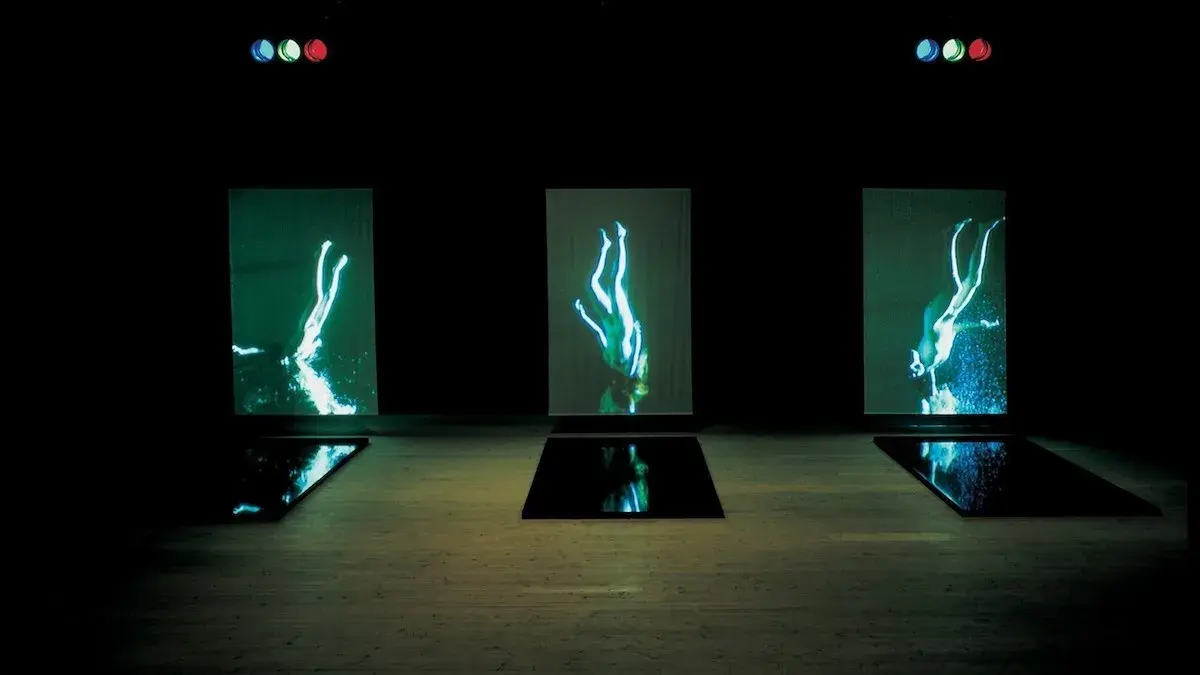
This period marked a shift toward performance and installation art, where the video was not just a recording but a component of a larger physical experience. Throughout the 1970s and 1980s, the movement expanded as artists gained access to better editing technology. Pioneers like Bill Viola and Joan Jonas used the medium to explore themes of human consciousness, mythology, and the body. Today, the field encompasses everything from single-channel works shown in galleries to immersive, room-sized projections that surround the viewer entirely.
How do you identify video art?
Distinguishing video art from traditional film or television requires looking at the artist's intent. While a movie typically follows a script, character arcs, and a clear narrative structure, video art often prioritizes atmosphere, repetition, or abstract concepts. It frequently abandons the "fourth wall," sometimes requiring the viewer to interact with the equipment or walk through a specific space to experience the work fully.
- Look for non-linear storytelling or the total absence of a plot.
- Observe if the work is displayed on a loop rather than having a defined beginning and end.
- Check if the physical display—such as monitors, projectors, or screens—is part of the artwork's aesthetic.
- Note if the video focuses on a single action, texture, or soundscape rather than dialogue.
- Consider the environment; if the work is presented in a museum or gallery rather than a theater, it is likely video art.
What are the different types of video art?
Video art is categorized by how it is presented to the audience and its technical approach. Single-channel video is the most common format, where a finished piece is shown on a single monitor or projection screen, much like a short film. These works are often conceptual and focus on the artist's specific vision without the need for external interaction.
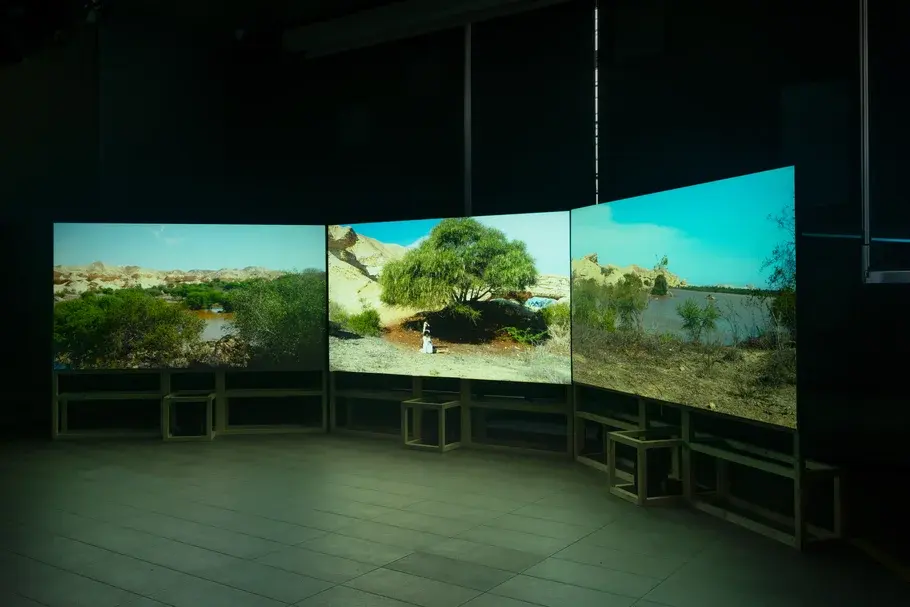
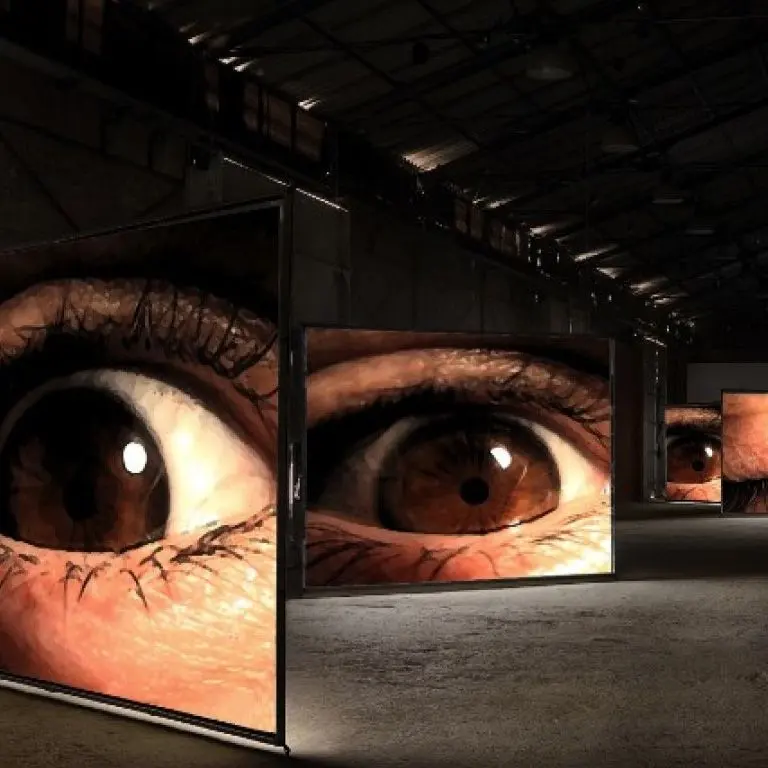
Multi-channel and installation video art are more complex, involving multiple screens or projections that play simultaneously. These installations often occupy an entire room, creating an environment that the viewer must physically inhabit. Some artists incorporate sculptural elements, such as mirrors, water, or mechanical parts, to enhance the visual experience. Other common forms include:
- Closed-circuit installations: Live feeds that show the viewer their own image in real-time.
- Video sculpture: Where the monitor is encased in or combined with physical materials.
- Performance video: Documentation of an artist's live performance, where the video serves as the primary record.
How to start making video art?
Creating video art does not require expensive equipment or a film crew. The most important aspect is having a clear concept or a specific visual question you want to explore. Many artists begin by recording repetitive motions, natural phenomena, or urban environments to observe how time changes the perception of these subjects. You can use a smartphone to capture high-quality footage and free editing software to manipulate the pacing, color, or sound.
- Record a mundane action for an extended period, such as water dripping or a shadow moving across a wall.
- Experiment with slowing down or speeding up the footage in your editing software to alter the viewer's sense of time.
- Remove the original audio and replace it with a soundscape that changes the mood of the visuals.
- Choose a display method, such as a laptop screen or a projector, and consider how the physical placement affects the viewer.
- Edit your footage into a loop, removing any clear start or end points to create a continuous experience.
Common mistakes when creating video art?
The most frequent error beginners make is trying to tell a traditional story. Because video art is a visual medium, relying too heavily on dialogue or complex plots often distracts from the sensory experience. Avoid the temptation to over-edit; sometimes, a long, static shot is far more powerful than a fast-paced montage. Another common mistake is ignoring the display environment. A video that looks compelling on a computer monitor may lose its impact when projected onto a wall, or vice versa, so always test your work in the intended space.
Avoid these pitfalls to improve your work:
- Over-complicating the narrative: Let the imagery speak for itself rather than explaining it through text or voiceover.
- Neglecting sound quality: Poor audio can ruin an immersive visual experience; consider ambient noise or silence carefully.
- Ignoring the physical space: Ensure the lighting and screen placement do not interfere with the viewer's ability to focus on the work.
- Relying on excessive special effects: Often, simple, raw footage conveys a much stronger emotional or conceptual message than heavily processed digital effects.
Key facts
- Video art emerged in 1965 when Nam June Paik used the first portable Sony Portapak camera to record Pope Paul VI’s motorcade in New York.
- Unlike traditional cinema, video art often rejects linear narratives, focusing instead on themes, visual textures, or conceptual ideas.
- Installations frequently use multiple screens, projectors, or monitors to create an immersive environment that physically engages the viewer.
- A common mistake for beginners is prioritizing high-end cinematic production value over the clarity of the underlying artistic concept.
- Video art is typically displayed in galleries or museums rather than movie theaters, often looping indefinitely for visitors to experience at their own pace.
- Proper equipment maintenance is essential, as hardware like projectors and media players can overheat or fail during long-term exhibition cycles.
The bottom line
Video art is a versatile medium that challenges the boundaries of traditional filmmaking by prioritizing conceptual expression over conventional storytelling. By utilizing technology as a tool for visual experimentation, artists create immersive experiences that transform physical gallery spaces. Whether through single-channel monitors or complex multi-screen installations, the practice invites viewers to engage with time, light, and movement in a deeply personal and reflective manner.
People also ask
How does video art differ from a standard film?
Standard films rely on scripts, characters, and a beginning-to-end plot structure to entertain an audience. Video art, conversely, often functions as a visual poem or a sculptural object, prioritizing atmosphere and abstract concepts over traditional storytelling.
Do I need expensive equipment to start creating video art?
You do not need professional-grade cinema cameras to begin. Many artists successfully use smartphones, webcams, or older digital cameras to capture raw footage, focusing on how the imagery is edited and presented rather than technical resolution.
What is a single-channel video?
A single-channel video is a work intended to be viewed on one screen, such as a television monitor or a single projection. It is the most common format for video art and is easily portable for screenings in various gallery settings.
How do artists display their work in a gallery?
Artists often design custom environments, using dark rooms, specific seating, or unconventional screen placements to influence how the viewer interacts with the piece. The physical space is considered part of the artwork itself.
Is video art the same as experimental film?
While they overlap, experimental film is usually intended for screening in a cinema context. Video art is specifically designed for the environment of the art world, focusing on the relationship between the video, the space, and the viewer.
Can video art be sold if it is digital?
Yes, artists sell their work as limited editions, often providing the buyer with a certificate of authenticity and a physical storage device. Collectors often buy the right to display the work, which may include specific instructions on how to maintain the hardware.
This answer was created with the help of AI research tools and reference sources. Spotted an error? Let us know — we correct mistakes quickly. See our editorial policy.