What is sashiko?
Short answer
Sashiko is a traditional Japanese form of functional embroidery used for decorative reinforcement or mending. Developed during the Edo period, it utilizes a simple running stitch to create intricate geometric patterns. Originally practiced by rural laborers to strengthen garments, it has evolved into a globally recognized textile art form today.
On this page
What is the history of sashiko?
Sashiko, which translates literally to "little stabs," emerged in northern Japan during the Edo period (1603–1867). At that time, rural farmers and fishermen were often restricted by sumptuary laws that prohibited the wearing of bright colors or expensive fabrics like silk. To survive harsh winters, they layered thin, worn-out cotton rags and stitched them together using white thread. This process not only provided essential insulation but also reinforced the fabric against the wear and tear of manual labor.
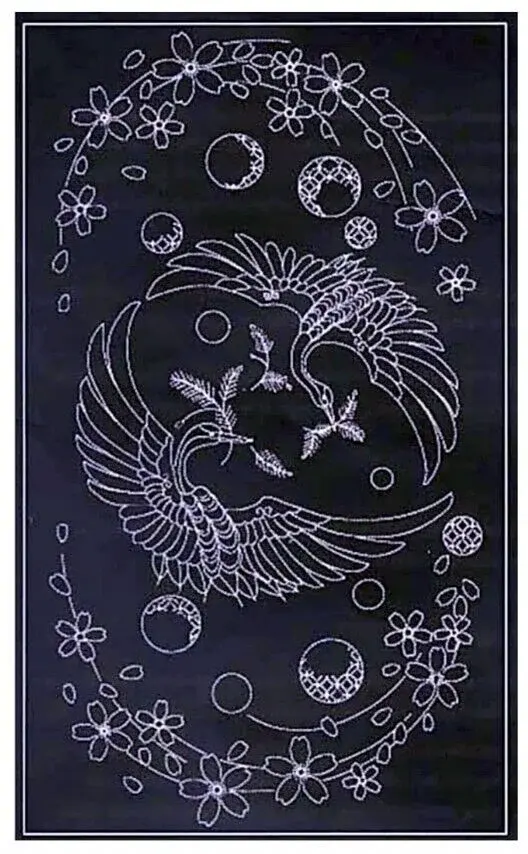
Over centuries, this utilitarian practice developed into a sophisticated aesthetic. The geometric patterns, known as moyōzashi, were inspired by nature, such as flowing water, mountain peaks, or hemp leaves. While early sashiko was strictly functional, it eventually became a way for women to express creativity within the constraints of their daily lives. Today, the practice is celebrated as a sustainable craft, emphasizing the Japanese philosophy of mottainai, which encourages the reduction of waste by repairing items rather than discarding them.
How to get started with sashiko
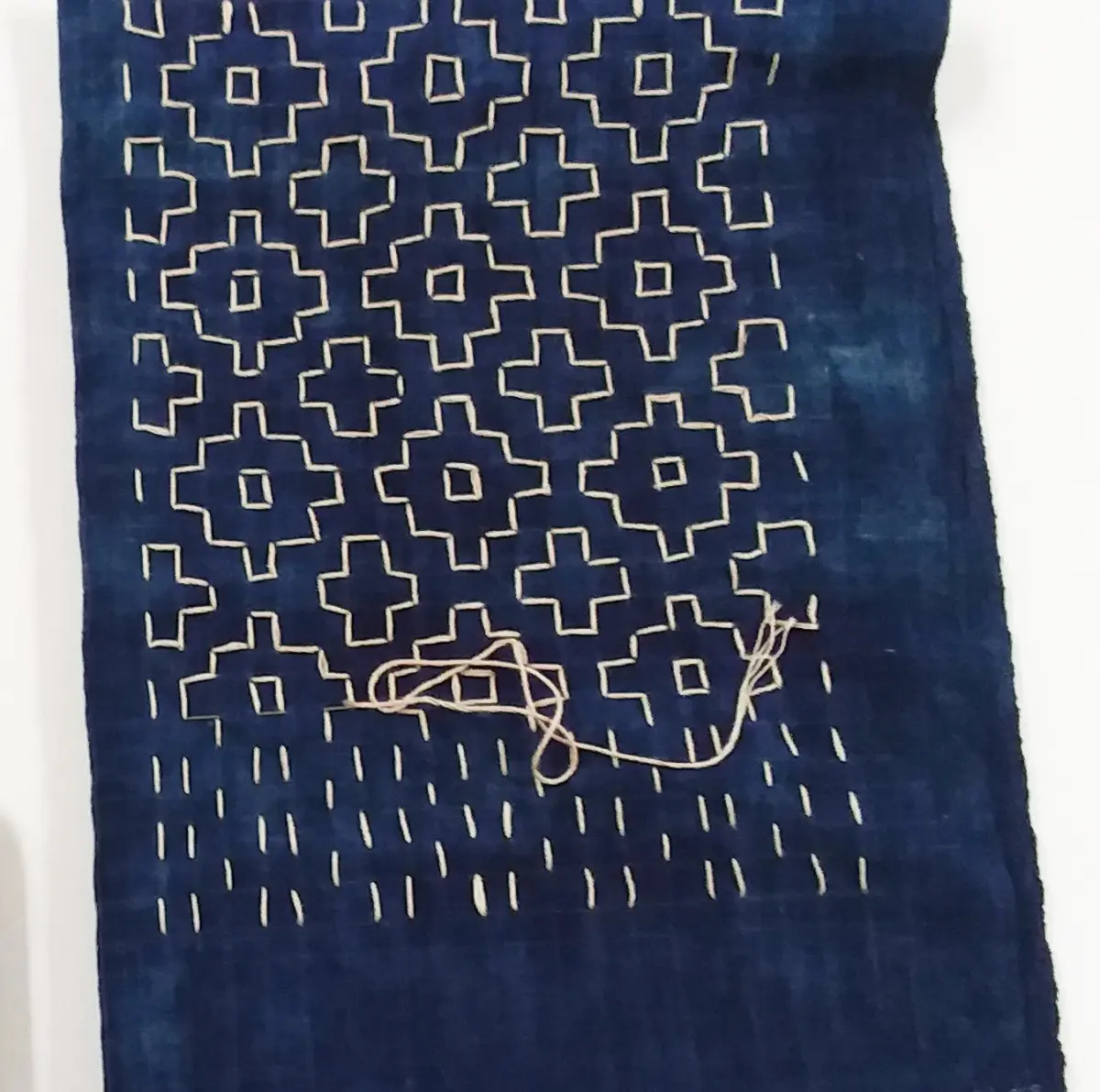
For beginners, the barrier to entry is remarkably low because the technique relies entirely on the running stitch. You do not need a sewing machine or complex equipment to achieve professional results. The primary goal is to maintain even spacing between stitches, which creates a rhythmic, pleasing visual effect across the fabric.
- Gather your materials: a piece of indigo-dyed cotton, specialized sashiko thread, and a long, sturdy sashiko needle.
- Mark your pattern on the fabric using a water-soluble fabric marker or tailors' chalk.
- Thread your needle without a knot, as sashiko is traditionally worked with a long tail that is woven into the back of the fabric.
- Load multiple stitches onto the needle at once before pulling the thread through, ensuring the stitches are roughly twice as long as the gaps between them.
- Periodically smooth the fabric to prevent puckering, keeping the tension consistent throughout the design.
What are the best materials for sashiko?
Selecting the right materials is critical to achieving the authentic look and feel of traditional sashiko. The fabric should ideally be a medium-weight, natural fiber like cotton or linen. Indigo-dyed fabrics are the standard choice, as the deep blue color provides a high-contrast background that makes the white thread pop visually. If you are a beginner, look for pre-printed fabric panels that feature traditional geometric grids to practice your stitch consistency.
Sashiko thread is distinct from standard embroidery floss or sewing thread. It is a tightly twisted, matte cotton thread that is thicker than standard thread but lacks the sheen of silk or rayon. This thickness provides the necessary durability for reinforcement and creates the signature raised appearance of the stitches. Avoid using standard sewing thread, as it is too thin to create the bold, graphic impact characteristic of the craft. Additionally, use a dedicated sashiko needle, which is longer and sharper than a standard needle, designed to hold multiple stitches at once.
Common mistakes when doing sashiko
Even experienced crafters encounter issues when learning the nuances of this embroidery style. One frequent mistake is pulling the thread too tightly, which causes the fabric to bunch up or pucker. Because sashiko is intended to reinforce fabric, it must remain flat and flexible. Always leave a slight "slack" in the thread at the end of each line of stitching to allow the fabric to move naturally.
Another common error involves the spacing of stitches. Beginners often focus too much on the length of the stitch and ignore the length of the gap. For a traditional look, the stitch and the space should ideally be balanced, though the stitch is often slightly longer. If your stitches are inconsistent in size, the pattern will look cluttered rather than geometric. Finally, avoid using knots to secure your thread. Knots create bulky lumps on the back of the garment, which can be uncomfortable to wear and may cause the fabric to snag or tear over time.
How to use sashiko for mending
Sashiko is most famous today for its application in visible mending, particularly on denim jeans. Instead of hiding a tear or a hole, you use the embroidery to highlight the repair, turning a damaged garment into a unique piece of art. This approach, often called boro when combined with patchwork, celebrates the history of the item.
- Place a patch of scrap fabric behind the hole, ensuring it overlaps the edges by at least an inch.
- Use a basting stitch or fabric glue to secure the patch in place before starting your sashiko pattern.
- Stitch through both layers of fabric, using a grid or a repeating geometric pattern to anchor the patch securely.
- Ensure your stitches extend well beyond the frayed edges of the hole to provide structural integrity to the surrounding area.
- Once finished, trim any excess patch fabric from the inside of the garment to keep the repair comfortable against your skin.
Key facts
- Sashiko originated in rural Japan during the Edo period (1603–1867) as a functional method to reinforce worn clothing.
- The term literally translates to "little stabs," referring to the small, running stitches used to create geometric patterns.
- Traditional sashiko uses white cotton thread on indigo-dyed fabric to create a high-contrast, durable aesthetic.
- Modern sashiko needles are longer and thicker than standard sewing needles, featuring a large eye to accommodate heavy thread.
- The most common patterns, known as moyozashi, are composed of continuous lines that never cross one another.
- When stitching, always leave a small loop of thread at the end of each line to prevent the fabric from puckering.
The bottom line
Sashiko is a timeless Japanese embroidery technique that balances utility with artistic expression. By mastering the simple running stitch, you can transform worn-out garments into durable, personalized pieces of art. Whether you are repairing denim or creating intricate geometric patterns, this craft emphasizes patience and precision. It remains a practical and sustainable way to extend the life of your textiles while honoring a rich cultural tradition.
People also ask
Is sashiko difficult for beginners to learn?
Sashiko is considered highly accessible because it relies on a simple running stitch. Beginners only need to focus on maintaining consistent spacing and tension to achieve a professional look.
Can I use regular embroidery floss for sashiko?
While you can use standard embroidery floss, it is not recommended because it is too soft and thin. Authentic sashiko thread is tightly twisted, matte, and strong enough to withstand the friction of thick fabric.
Do I need a hoop to practice sashiko?
You generally do not need a hoop for sashiko, as the fabric is often held in the hands to allow for a natural rhythm. Using a hoop can actually make it harder to load multiple stitches onto the needle at once.
What fabric is best for sashiko projects?
Heavyweight, natural fibers like linen or cotton work best because they hold the structure of the stitches well. Avoid stretchy synthetic fabrics, as they will distort the geometric patterns when the thread is pulled tight.
How do I fix a mistake in my pattern?
If you make a mistake, simply pull the thread out and re-stitch the area. Because sashiko uses a running stitch, it is much easier to undo than complex embroidery or cross-stitch.
Can sashiko be used for decorative purposes?
Yes, while it began as a utility technique, it is now widely used for decorative quilting, wall art, and custom clothing. Many people use it to practice "visible mending," turning a hole in a garment into a design feature.
This answer was created with the help of AI research tools and reference sources. Spotted an error? Let us know — we correct mistakes quickly. See our editorial policy.