What is assemblage art?
Short answer
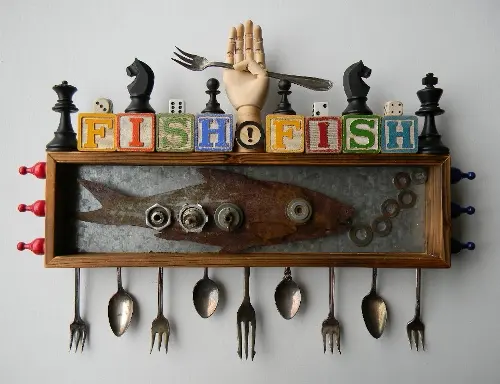
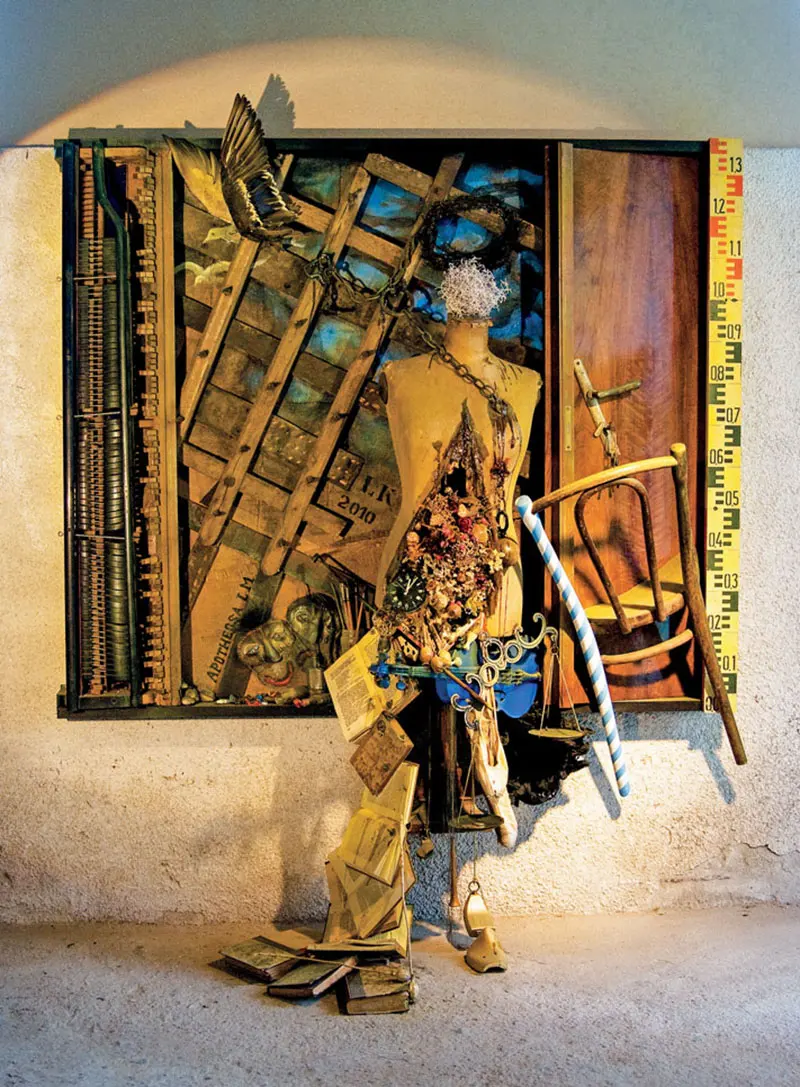
Assemblage art is a three-dimensional artistic form created by gathering and joining disparate objects, often found items or "found objects," into a cohesive composition. Unlike traditional sculpture, which involves carving or modeling, assemblage focuses on the physical integration of pre-existing, non-art materials to create new meaning and aesthetic value.
On this page
What is the history of assemblage art?
The term "assemblage" was coined in the early 1950s by the French artist Jean Dubuffet to describe works made from natural objects. However, the roots of the practice trace back to the early 20th century, specifically the Cubist collages of Pablo Picasso and Georges Braque. These artists began incorporating printed oilcloth and newspaper into their canvases, challenging the boundaries between painting and the physical world.
Following the First World War, the Dada movement further pushed these boundaries. Artists like Marcel Duchamp introduced the "readymade," an ordinary manufactured object selected by the artist and presented as art. By the mid-20th century, artists such as Louise Nevelson and Robert Rauschenberg formalized the technique. Nevelson became famous for her monochromatic, wall-mounted wooden boxes, while Rauschenberg created "combines," which blurred the line between painting and sculpture by incorporating items like tires, pillows, and clocks.
How to start an assemblage art project
Creating an assemblage begins with the act of collecting. Look for items that possess interesting textures, shapes, or historical associations. Thrift stores, flea markets, and recycling bins are excellent sources for materials. Once you have a collection, focus on a central theme or color palette to ensure the final piece feels intentional rather than cluttered.
To begin your first project, follow these steps:
- Select a base or substrate, such as a wooden panel, a vintage picture frame, or a sturdy box.
- Arrange your collected items on the surface without attaching them to experiment with balance, negative space, and visual weight.
- Use appropriate adhesives, such as E6000, wood glue, or wire, to secure the objects permanently.
- Consider painting or staining the entire piece a single color to unify disparate elements.
Best materials for assemblage art
The versatility of assemblage art lies in its reliance on "found objects," or objets trouvés. These can range from organic materials like driftwood and dried flowers to industrial remnants like gears, circuit boards, and scrap metal. The most successful assemblages often combine materials with contrasting textures, such as the softness of fabric paired with the rigidity of rusted metal.
When choosing materials, prioritize items that are structurally sound and can be easily manipulated. Consider the following categories for your compositions:
- Mechanical components: Old clock parts, keys, nuts, and bolts.
- Ephemera: Vintage photographs, postage stamps, old letters, and tickets.
- Natural elements: Shells, stones, bones, and branches.
- Household discards: Broken ceramics, fabric scraps, buttons, and plastic toys.
Always ensure that your materials are clean and free of decay or pests before integrating them into a permanent work.
Common mistakes when making assemblage art
A frequent error for beginners is failing to consider structural integrity. Because assemblage pieces are often heavy or irregularly shaped, they require robust mounting techniques. Using weak glue on heavy metal objects will inevitably lead to the piece falling apart over time. Always test the weight of your items against the strength of your adhesive or mechanical fasteners before finishing the work.
Another common pitfall is visual chaos. It is easy to overwhelm the viewer by including too many competing elements. To avoid this, practice restraint by editing your collection down to the most essential pieces. If a specific object does not contribute to the narrative or the visual flow of the composition, remove it. Remember that negative space is just as important as the physical objects themselves in defining the overall impact of the work.
Why assemblage art remains relevant
Assemblage art remains a powerful medium because it forces the viewer to reconsider the value of everyday objects. By rescuing discarded items from the trash and placing them in a gallery or home setting, the artist highlights the beauty in the mundane. This process of transformation is inherently sustainable, as it encourages the reuse of materials that might otherwise end up in landfills.
Furthermore, assemblage provides a unique way to tell stories. Because many found objects carry their own history—a worn leather glove or a faded photograph—they act as artifacts of human experience. When these items are combined, they create a new, complex narrative that invites the viewer to reflect on memory, consumption, and the passage of time. Whether created as a personal memento or a social commentary, assemblage continues to be a vital practice for artists who wish to bridge the gap between art and life.
Key facts
- Assemblage is a three-dimensional art form made by combining disparate objects, often "found objects" or non-art materials.
- The term was coined in the early 1950s by French artist Jean Dubuffet to describe his works made from butterfly wings.
- Unlike collage, which is primarily two-dimensional, assemblage relies on physical depth and the structural integrity of collected items.
- Marcel Duchamp’s "readymades," such as his 1917 Fountain, provided the conceptual foundation for using everyday items as art.
- When creating an assemblage, use industrial-strength adhesives like E6000 or epoxy resin to ensure heavy or uneven items remain permanently attached.
- A common mistake is overcrowding the composition; leave "negative space" to allow the viewer to appreciate the individual history of each object.
The bottom line
Assemblage art invites you to transform the mundane into the meaningful by curating and joining everyday objects. By focusing on texture, narrative, and spatial arrangement, you can create powerful three-dimensional works that challenge traditional definitions of sculpture. Whether you are using vintage trinkets or industrial scrap, the key is to balance your materials thoughtfully, ensuring each component contributes to a cohesive and evocative final vision.
People also ask
What is the difference between assemblage and collage?
Collage is typically a two-dimensional technique that involves gluing paper, photographs, or fabric onto a flat surface. Assemblage is three-dimensional and incorporates physical objects that project into the viewer's space.
Do I need to be a professional artist to create assemblage art?
No, assemblage is highly accessible because it uses everyday materials found in junk shops, nature, or your own home. It focuses more on the conceptual arrangement of items than on traditional technical skills like painting or sculpting.
How do I choose materials for an assemblage piece?
Select objects that share a thematic connection, color palette, or interesting texture to create visual unity. You can hunt for materials at flea markets, construction sites, or by repurposing broken household appliances.
How do I preserve an assemblage artwork?
Dusting is the biggest challenge, so use a soft-bristled brush or compressed air to clean intricate crevices. If the piece is fragile, consider housing it inside a custom-built shadow box or glass display case.
Is assemblage art considered a form of recycling?
While it utilizes discarded items, its primary purpose is artistic expression rather than environmental waste management. However, many practitioners view the reuse of materials as a commentary on consumerism and sustainability.
What are the most famous examples of assemblage art?
Louise Nevelson’s monochromatic wooden wall sculptures and Robert Rauschenberg’s "combines," such as Monogram, are definitive examples. These works transformed mundane trash into complex, thought-provoking installations that redefined modern sculpture.
This answer was created with the help of AI research tools and reference sources. Spotted an error? Let us know — we correct mistakes quickly. See our editorial policy.