How do you draw a werewolf step by step?
Short answer
Drawing a werewolf requires blending human anatomy with lupine features. Start by establishing a dynamic skeletal frame, then layer on muscular structure and fur textures. Focus on the transition between man and beast by emphasizing elongated limbs, a pronounced snout, and sharp claws, ensuring the creature maintains a balanced, threatening posture throughout.
On this page
How to structure a werewolf drawing
Begin by sketching a rough gesture drawing to capture the werewolf's pose. Use light pencil strokes to create a stick figure that emphasizes the creature’s hunched back and powerful, digitigrade legs. Unlike a human, a werewolf’s knees should bend backward to mimic the anatomy of a wolf, providing a sense of predatory agility. Focus on the core mass of the torso and the placement of the shoulders, which should appear broad and muscular to suggest immense strength.
Once the gesture is set, add geometric shapes to define the volume of the limbs and torso. Use cylinders for the arms and legs, and ovals for the chest and hips. This foundational stage is critical for maintaining correct proportions before adding complex details like fur or facial features. Ensure the neck appears thick and slightly forward-leaning, connecting the head to the body in a way that suggests a powerful, aggressive stance.
How to design werewolf facial features
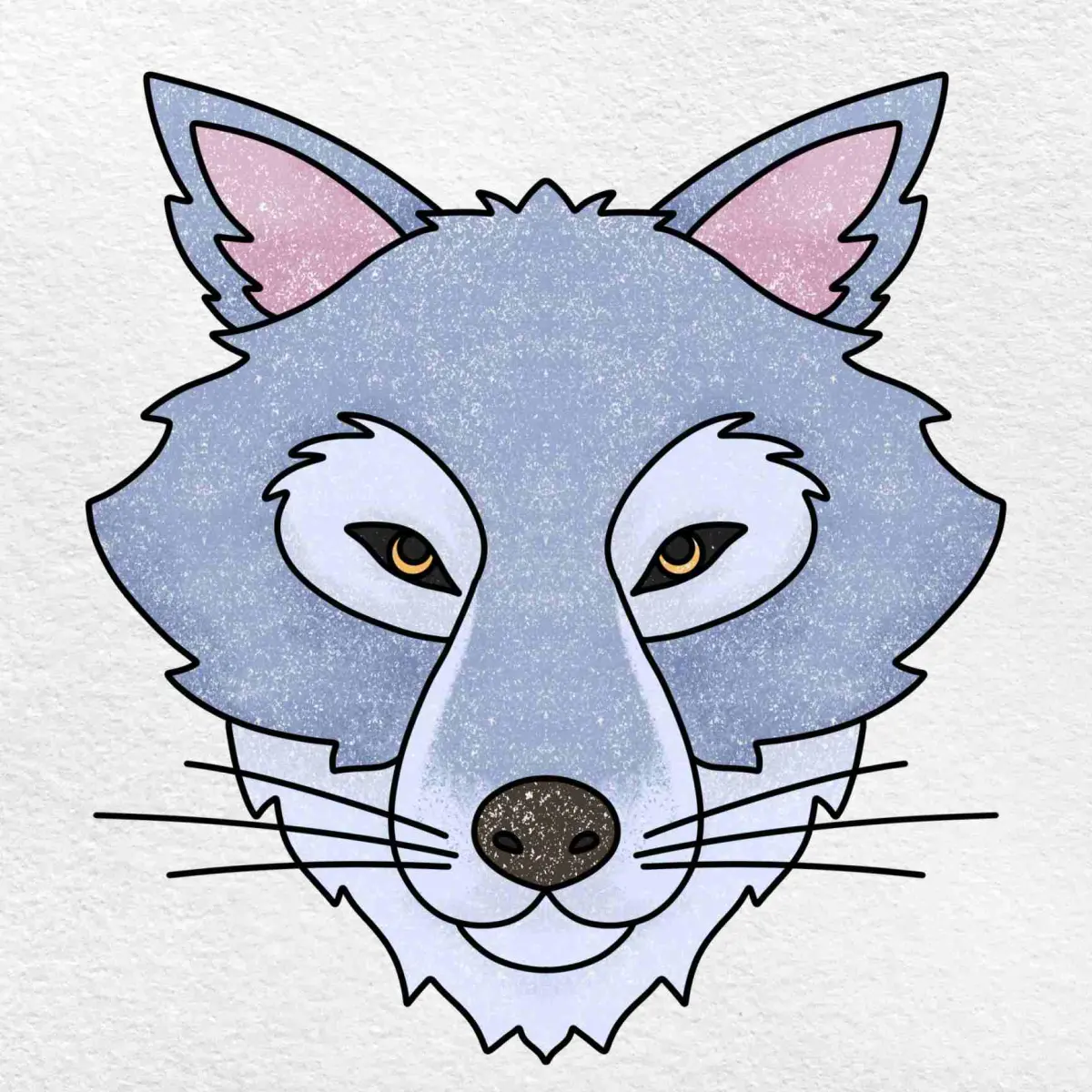
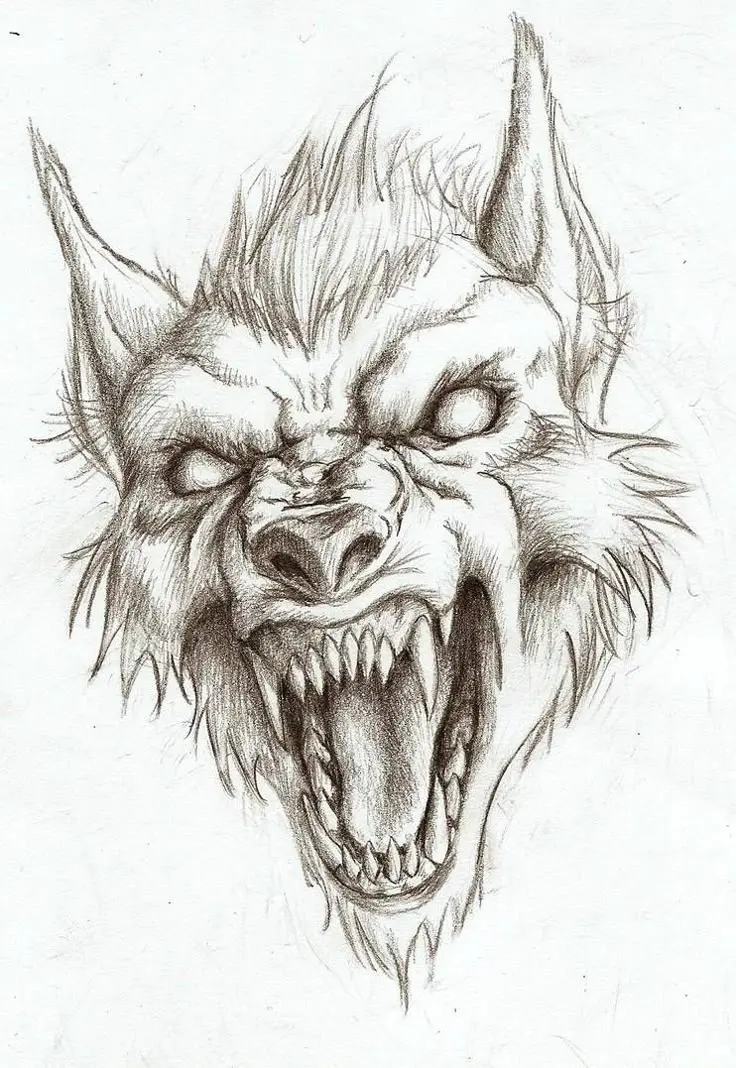
The face is the most expressive part of a werewolf, serving as the bridge between human and animal. Start with a basic canine skull shape, but integrate human-like eyes to retain a sense of intelligence or trapped humanity. A common technique is to draw a slightly elongated muzzle that widens at the jaw, allowing for a snarling expression. Place the ears high on the head, either pointed like a wolf’s or slightly rounded to hint at a human origin.
When detailing the face, focus on the following elements to enhance the creature's menacing appearance:
- Deep-set, glowing, or predatory eyes that convey intensity.
- A wide, jagged mouth filled with sharp, uneven teeth.
- Prominent brow ridges that cast shadows over the eyes.
- Coarse fur patches that frame the face and transition into the neck.
How to add fur and texture
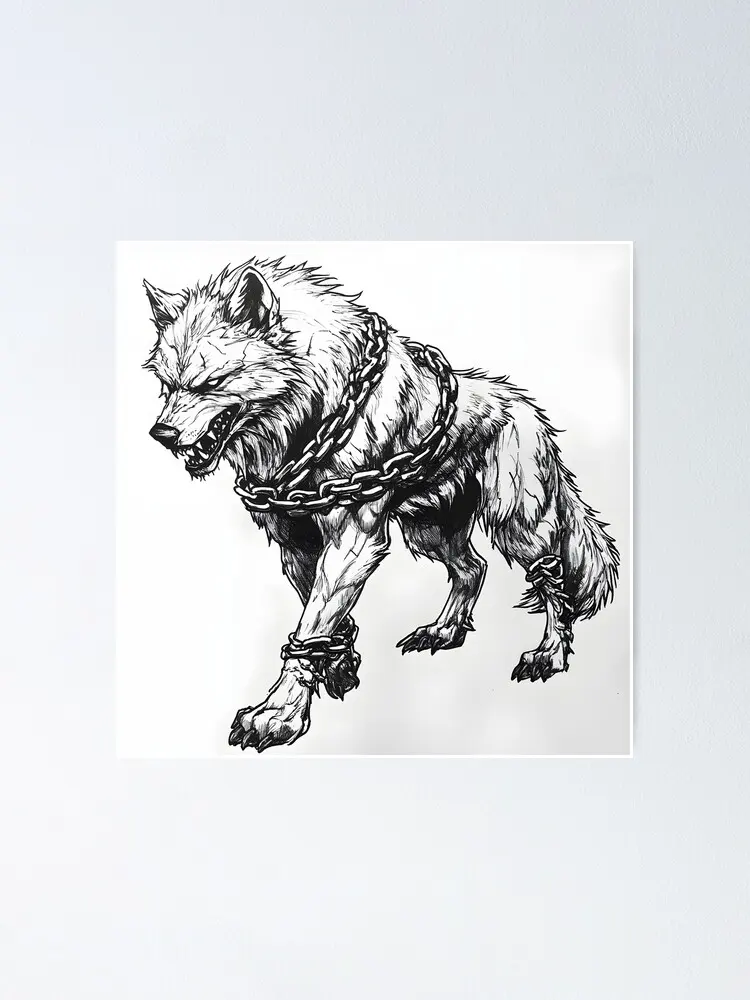
Fur should follow the direction of the muscles to give the werewolf a realistic and bulky appearance. Avoid drawing individual hairs everywhere, as this can make the creature look flat or messy. Instead, group the fur into clumps or "tufts" that grow outward from the skin. Use short, dense strokes around the face and paws, and longer, shaggier strokes along the spine, chest, and the back of the legs.
To create depth, use varying line weights and shading techniques. Darken the areas where fur overlaps or where shadows naturally fall, such as under the chin, along the inner thighs, and beneath the ribcage. Cross-hatching can be particularly effective for creating the look of matted, wild hair. Remember that the fur should appear thinner in areas of high tension, like the elbows or knuckles, where the skin might be more visible or stretched tightly over bone.
How to pose a werewolf for impact
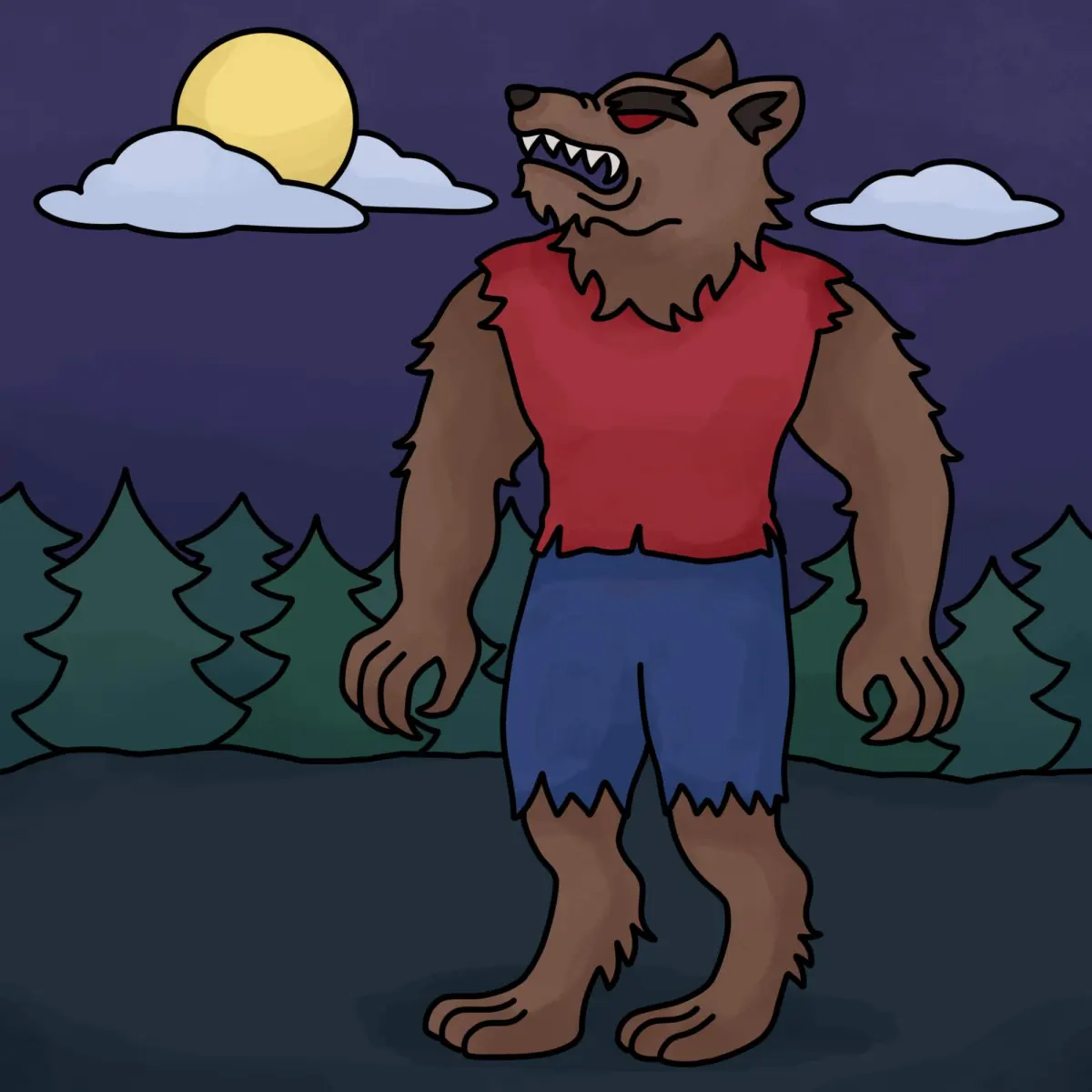
A static pose often fails to convey the werewolf’s inherent ferocity. To make the drawing more dynamic, use a "line of action" that flows from the head down to the tail or feet. A crouched position, with one hand touching the ground and the other raised in a swipe, creates a sense of imminent movement. You can also experiment with a mid-stride pose, which highlights the creature’s predatory nature and physical power.
Follow these steps to ensure your pose remains anatomically convincing:
- Draw a curved line to represent the spine's tension.
- Position the center of gravity directly over the feet to ensure the creature looks balanced.
- Tilt the head toward the viewer to establish a focal point for the creature's gaze.
- Adjust the limbs to create asymmetrical angles, which prevents the drawing from looking stiff or artificial.
Common mistakes when drawing werewolves
One of the most frequent errors is treating the werewolf as a simple human covered in fur. This often results in a "furry" character rather than a monstrous creature. Avoid standard human proportions; instead, elongate the arms and fingers to create a more feral silhouette. Another common mistake is neglecting the weight of the creature. A werewolf should look heavy and grounded, so ensure the feet are large and the stance is wide enough to support its massive frame.
Additionally, many artists fail to account for the lighting on the fur. Because fur is a textured surface, it should have clear highlights and deep shadows to define its volume. Forgetting to shade the fur makes the creature look like a flat cutout. Always identify your light source early in the process and remain consistent with your shadows. By focusing on the interplay between light, shadow, and anatomy, you can create a truly terrifying and believable werewolf that stands out in any composition.
Key facts
- Focus on the elongated snout and sharp, forward-facing ears to establish the lupine transformation.
- Use a skeleton-based approach, starting with circles for the head and chest, to maintain proper anatomical proportions.
- Emphasize the digitigrade stance, where the creature stands on its toes rather than the full sole of the foot.
- Layer fur by drawing small, jagged strokes that follow the direction of the underlying muscle groups.
- Incorporate human-like features, such as expressive eyes or hands, to highlight the hybrid nature of the werewolf.
- Add dynamic lighting to emphasize the texture of matted fur and the sharpness of exposed claws.
The bottom line
Drawing a convincing werewolf requires balancing human anatomy with lupine features. Start by establishing a solid skeletal structure, then layer muscle and fur to build volume. Focus on the transition zones, such as the snout and claws, to sell the hybrid effect. By combining predatory instincts with a bipedal stance, you create a creature that feels both grounded in reality and terrifyingly supernatural in its execution.
People also ask
How do I make a werewolf look more menacing?
Focus on the brow ridge and the positioning of the ears. Lowering the brow and pulling the ears back against the skull creates an aggressive, predatory expression.
Should I draw the werewolf on two legs or four?
Most modern depictions favor a bipedal, anthropomorphic stance. This allows for more human-like movement and makes the creature appear more imposing and intelligent.
How do I draw realistic fur texture?
Avoid drawing individual hairs everywhere. Instead, block out large shapes of fur and add detail only at the edges and where light hits the contours.
What is the best way to draw werewolf claws?
Draw them as elongated, curved triangles that extend from the fingertips. Ensure they look thick at the base to suggest strength and durability.
How do I show the transformation process in a drawing?
Use tattered clothing and visible skin patches to suggest the body is rapidly expanding. Distorted limbs and a hunched posture help convey the pain of shifting.
Are there specific colors associated with werewolves?
While gray, brown, and black are traditional, you can use cool blues or deep purples for shadows. This adds depth and makes the creature pop against a background.
This answer was created with the help of AI research tools and reference sources. Spotted an error? Let us know — we correct mistakes quickly. See our editorial policy.