How do you draw a red panda for beginners?
Short answer
Drawing a red panda involves capturing its round, expressive face and distinctive ringed tail. Begin by sketching simple geometric shapes to establish the animal's proportions. Focus on the signature facial markings, bushy tail, and dense fur texture. By layering these features onto a basic frame, you can create a recognizable, charming illustration.
On this page
How to sketch red panda proportions
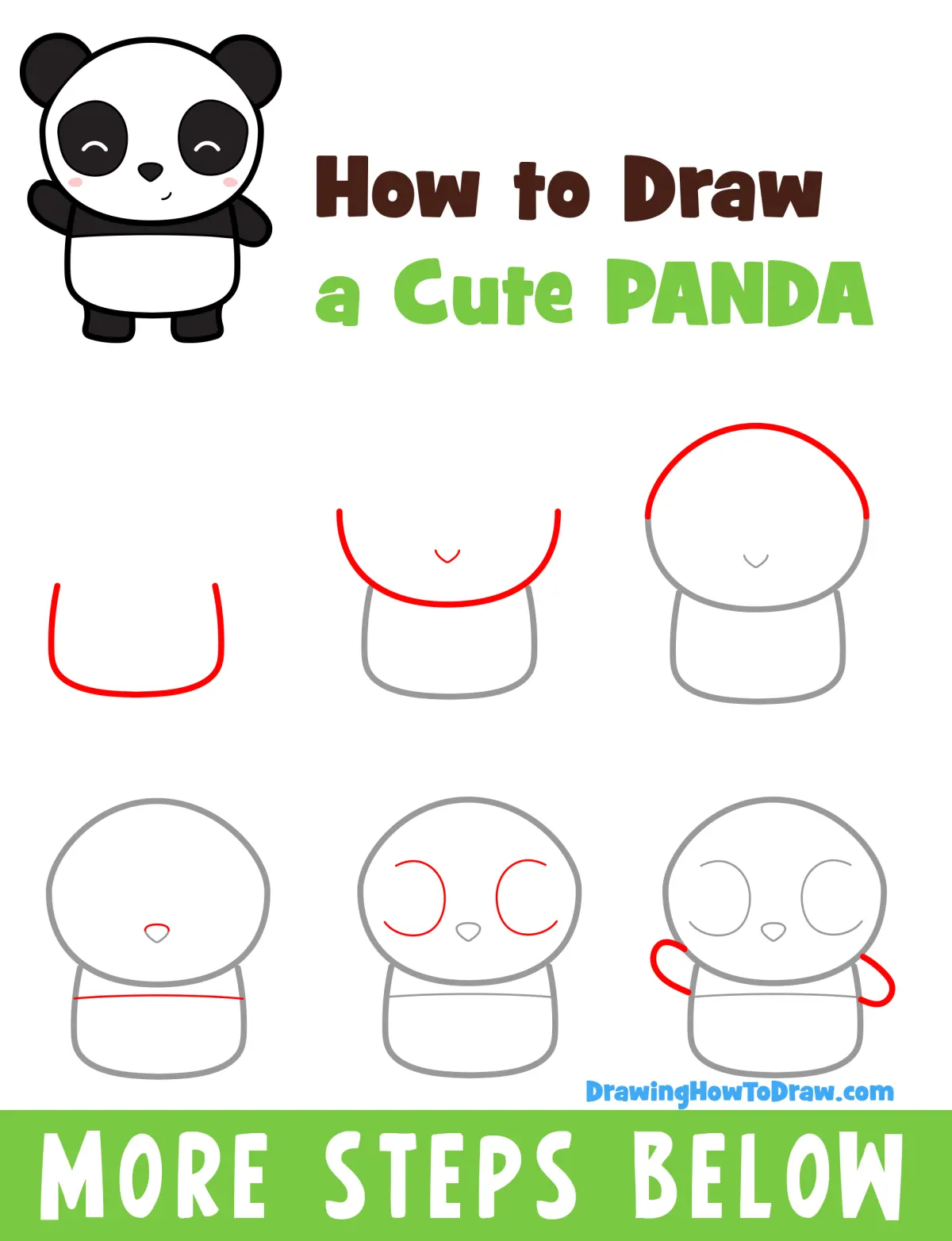
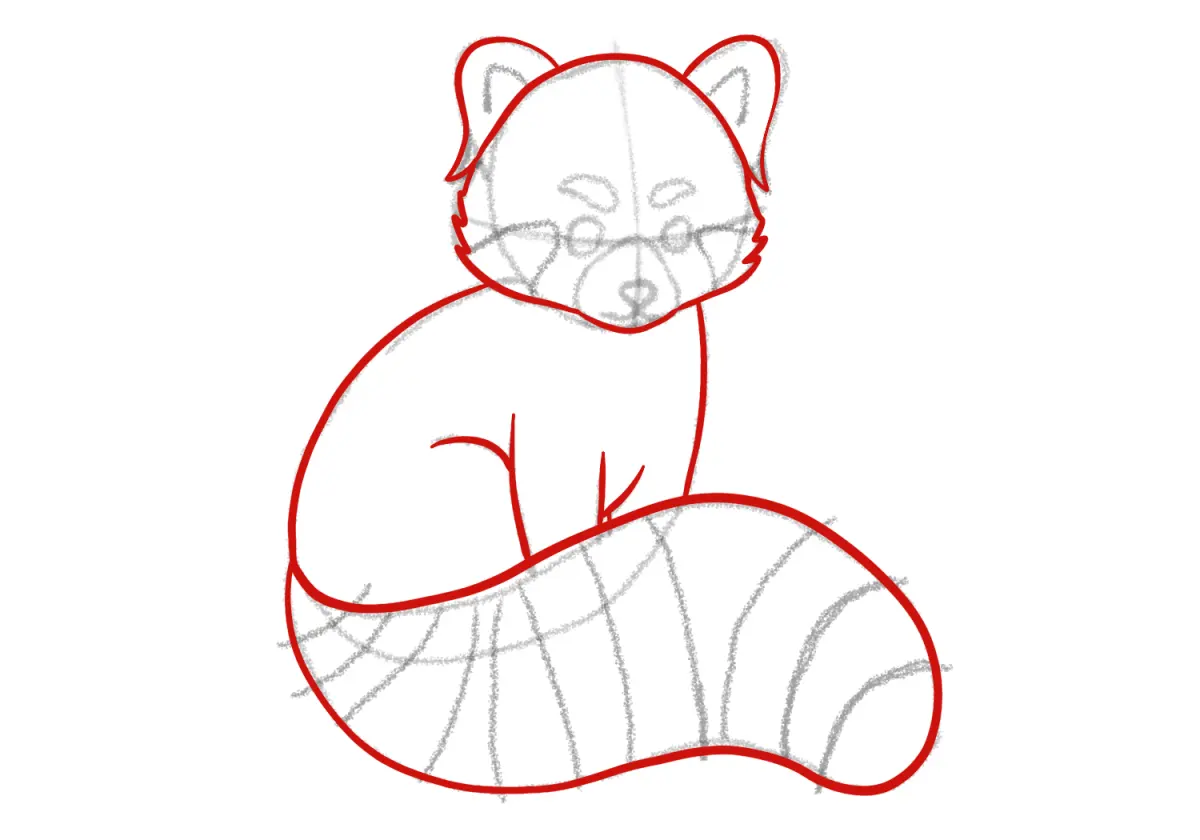
The red panda (Ailurus fulgens) is characterized by a compact, rounded body and a long, thick tail. To begin, draw a medium-sized circle for the head and a larger, slightly oval shape for the body. Connect these with a short, curved line to represent the neck, keeping the posture slightly hunched to reflect their natural resting state.
When mapping out the limbs, remember that red pandas have short, sturdy legs. Place two small circles at the bottom of the body for the hind legs and two smaller ovals for the front paws. Keep the limbs close to the body to maintain the animal's signature "cuddly" silhouette. Use these basic shapes as a light foundation before adding any fur details or facial features.
- Draw a circle for the head.
- Add a larger oval for the torso.
- Attach four small ovals for the limbs.
- Sketch a long, sweeping curve for the tail.
Essential features of red panda anatomy
Red pandas are famous for their unique facial markings, which are crucial for a realistic drawing. Start by drawing two small, dark tear-shaped patches extending from the eyes down to the mouth area. These markings contrast sharply with the white fur on the snout and cheeks. Ensure the eyes are positioned slightly above the center of the face and are dark, round, and spaced widely apart.
The ears are another defining trait; they are relatively large, pointed, and tipped with white fur. Position them at the top of the head, angled slightly outward to give the animal an alert appearance. The tail is arguably the most recognizable part of the red panda. It should be drawn significantly longer than the body, featuring alternating rings of reddish-brown and buff-colored fur.
- Dark tear-shaped eye patches.
- White muzzle and cheek accents.
- Large, triangular, white-tipped ears.
- Long, thick, ringed tail.
Best drawing techniques for fur texture
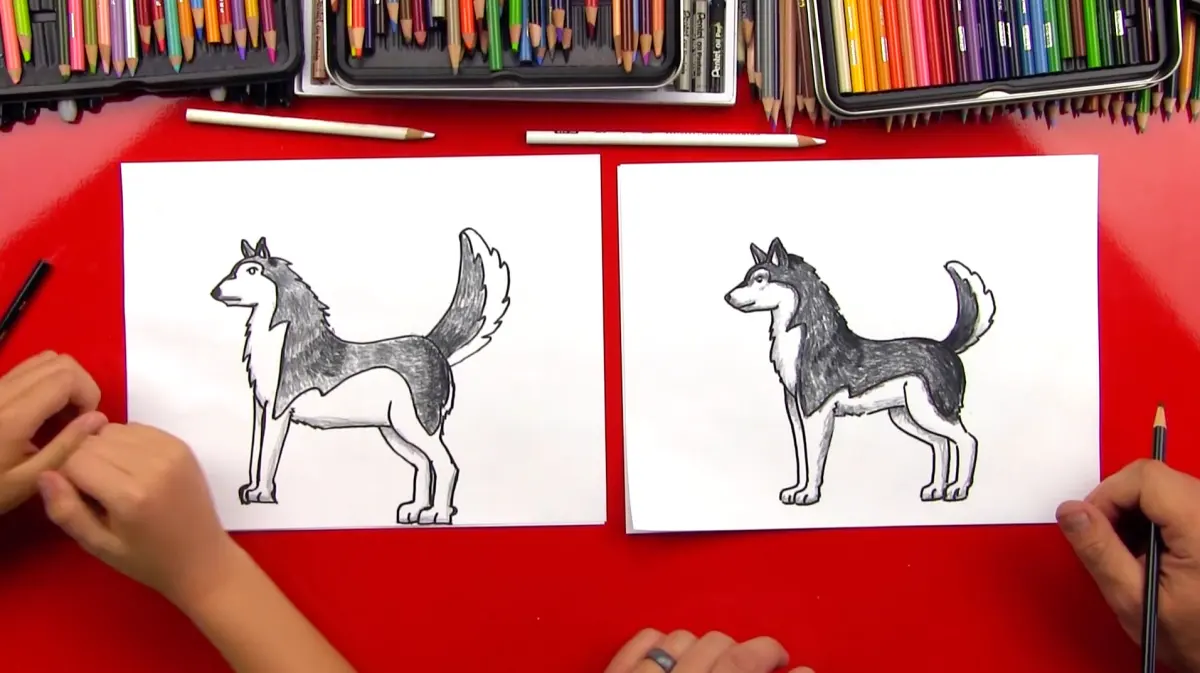
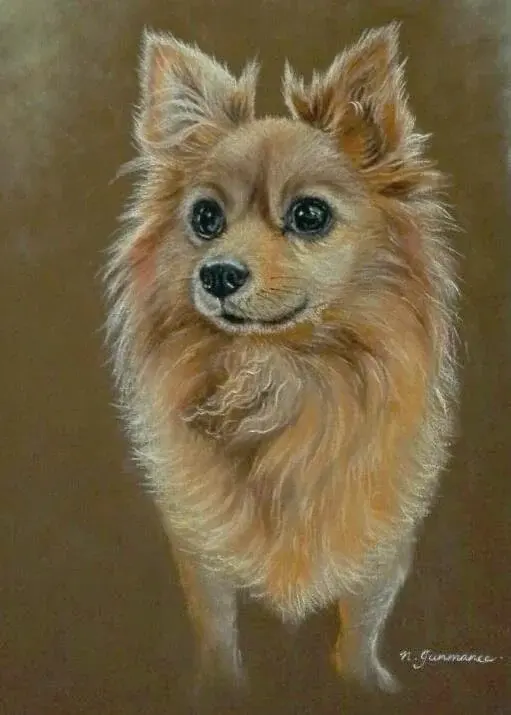
Capturing the dense, shaggy coat of a red panda requires patience and specific pencil strokes. Instead of drawing individual hairs, focus on creating "clumps" of fur using short, flicking motions. Start from the edges of your outline and work inward, following the natural direction of the animal's hair growth. This technique adds volume and realism to the drawing.
For the chest and belly, use lighter, softer strokes to suggest a fluffier texture compared to the back. When shading, use the side of your pencil to create soft gradients that define the rounded shape of the body. Avoid drawing hard, continuous lines, as these can make the animal look flat or cartoonish. Layering your strokes will build depth, making the fur appear thick and soft to the touch.

Common mistakes when drawing red pandas
A frequent error is making the snout too long or pointed, as red pandas possess a short, blunt muzzle. If the snout is drawn too far out, the animal begins to resemble a fox or a dog rather than a procyonid. Always keep the facial features compact and centered within the lower half of the head circle to preserve the species' characteristic "baby-faced" look.
Another mistake involves the tail's placement and volume. Beginners often draw the tail too thin or attach it too high on the back. Remember that the tail is an extension of the spine and should appear heavy and bushy. If the tail lacks sufficient width, the drawing will lose its balance. Always ensure the tail is at least as long as the body to maintain the correct visual proportions of the animal.
How to add color and depth
Once the pencil sketch is complete, focus on the distinct color palette of the red panda. The primary coat should be a rich, rusty red, while the legs and belly are typically a deep, dark brown or black. Use a variety of orange and brown tones to create highlights on the back and shadows underneath the limbs to give the drawing a three-dimensional appearance.
When coloring the tail, alternate between dark brown and light buff or cream colors to create the ringed effect. Use a light touch with a white pencil or eraser to add highlights to the eyes and the tips of the ears. These small, bright details bring the drawing to life and provide a sense of realism. Finally, add a light shadow beneath the paws to ground the red panda in its environment.
Key facts
- Red pandas have a distinct, rounded head shape that is wider than it is tall.
- Their signature feature is a long, bushy, ringed tail that accounts for nearly half their total body length.
- Focus on drawing large, dark, almond-shaped eyes set wide apart to capture their gentle expression.
- Use a "comma" shape for the ears, which are triangular, white-tipped, and sit on the sides of the head.
- Start with basic geometric shapes like circles for the head and an oval for the body to maintain correct proportions.
- Add "tear-mark" patches of white fur running from the eyes down to the mouth to define their facial mask.
The bottom line
Drawing a red panda is an accessible project if you prioritize basic geometric shapes before adding details. Focus on the signature ringed tail, the white facial markings, and the rounded head structure. By using short, directional pencil strokes to mimic fur texture and maintaining wide-set, expressive eyes, you can create a lifelike representation. Practice patience with your proportions, and always keep your initial sketches light and erasable.
People also ask
What is the best pencil grade for sketching a red panda?
Use an HB pencil for light initial outlines to ensure they are easy to erase. Switch to a 2B or 4B pencil once you are ready to add depth and darker shading to the fur.
How do I make the fur look realistic?
Instead of drawing individual hairs, use short, quick strokes in the direction of fur growth. Vary the pressure of your pencil to create highlights and shadows that suggest texture and volume.
Should I draw the red panda sitting or standing?
Beginners should start with a sitting pose because it simplifies the body structure. A seated panda allows you to focus on the roundness of the torso and the placement of the large tail.
How do I get the color palette right?
Red pandas feature a mix of rusty red, white, and dark brown or black. Use a deep mahogany for the main coat, pure white for the face markings, and black for the limbs and nose.
What is the most common mistake when drawing the face?
Many beginners place the eyes too close together or make them too small. Keep the eyes wide and spaced apart to maintain the characteristic "cute" appearance of the species.
How do I draw the paws correctly?
Red pandas have five toes with semi-retractable claws. Draw the paws as rounded, slightly bulky shapes to reflect the thick, insulating fur that covers them.
This answer was created with the help of AI research tools and reference sources. Spotted an error? Let us know — we correct mistakes quickly. See our editorial policy.